

How to Improve Eye Hand Coordination with Play
How Can You Improve Eye Hand Coordination Through Play?
To improve eye hand coordination, use hands-on play that combines visual tracking with precise hand movement. Activities like marble runs, stacking games, ball toss, and visual spatial awareness activities strengthen neural pathways, boost reaction time, and refine fine motor control. Practicing 10–15 minutes daily can significantly enhance accuracy and confidence within weeks.
- Encourage visual tracking with moving objects
- Use dexterity toys that require precise finger control
- Incorporate building and stacking challenges
- Practice short, focused play sessions consistently
How to Improve Eye Hand Coordination with Play
Improve eye hand coordination naturally through playful, hands-on activities that build focus, speed, and precision. From dexterity toys to toys that help fine motor skills and creative visual spatial awareness activities, the right play approach can strengthen neural pathways faster than repetitive drills. Discover surprising games that boost reaction time, confidence, and real-world performance—are you using the most effective ones yet?
⏱ 7 min read
Does your child struggle to catch a ball, stack blocks, or stay steady while drawing? You’re not alone. Many parents worry when everyday tasks feel clumsy or frustrating.
Which activities actually improve coordination fast—without boring drills? Let’s break it down.
Explore hands-on learning options inside our Baby Growth & Learning collection.
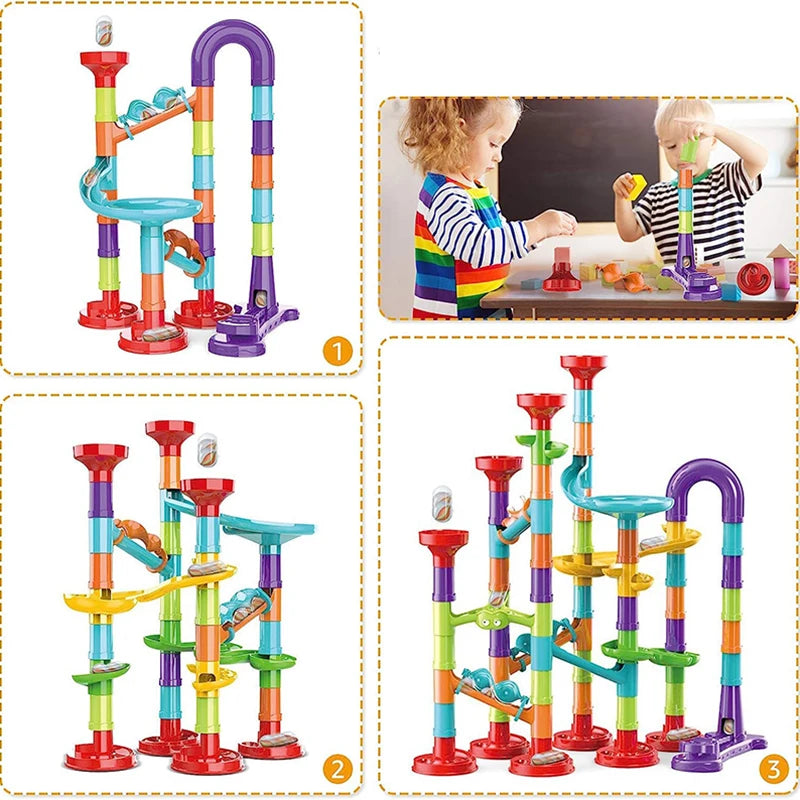
Improve eye hand coordination with dexterity toys and visual spatial awareness activities 💡 See it in action
Why Improving Coordination Builds Lifelong Skills
To improve eye hand coordination is to strengthen how the brain processes visual input and directs precise movement. This connection impacts writing, sports, self-feeding, buttoning clothes, and even reading readiness. Consistent play-based practice enhances neural timing, reaction speed, and fine motor development in measurable ways.
Coordination affects more than sports.
- Holding a spoon steadily
- Cutting with scissors
- Building balanced towers
- Tracking words across a page
When children struggle, frustration follows. But when skills improve? Confidence skyrockets.
How Play Strengthens Brain-to-Hand Connection
Children learn best through movement. Play activates multiple sensory systems at once—visual tracking, touch feedback, balance, and spatial awareness.
Unlike repetitive drills, playful challenges naturally increase:
- Reaction time training
- Precision grip strength
- Visual spatial awareness activities
- Motor planning skills
For example, a marble run requires a child to:
- Visually predict the marble’s path
- Adjust hand placement carefully
- Stack pieces steadily
- Test and refine their design
That’s powerful brain work disguised as fun.
One parent shared: “After two weeks of building daily, my son’s handwriting improved noticeably.”
Step-by-Step Plan to Improve Eye Hand Coordination at Home
- Start with tracking games: Roll a ball slowly and have your child follow it with their eyes before catching.
- Add stacking challenges: Use blocks or a marble run like Marble Run Building Blocks Set to build upward structures.
- Increase complexity: Time challenges to boost reaction speed.
- Keep sessions short: 10–15 minutes daily builds consistency without burnout.
Explore engaging play tools inside Sensory Toys designed for motor skills practice.
Best Dexterity Toys for Faster Progress
Not all toys are equal when the goal is to improve eye hand coordination.
| Toy Type | Skill Focus | Best For |
|---|---|---|
| Marble Run Sets | Visual tracking + precision placement | Ages 3+ |
| Stacking Blocks | Fine motor control | Toddlers |
| Ball Toss Games | Reaction time training | Preschool+ |
The Marble Run Building Blocks Set stands out because it combines building, tracking, and problem-solving in one activity.
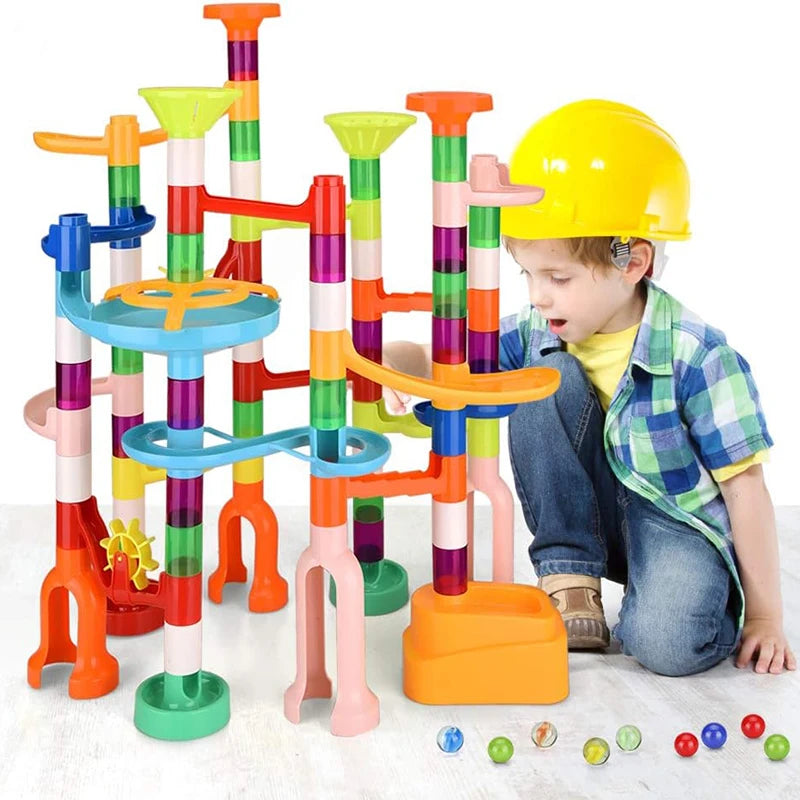
Dexterity toys that help fine motor skills and improve eye hand coordination 💡 See it in action
Parents love that it grows with the child—start simple, then build complex paths.
Comparison: Passive Screen Time vs Active Play
| Activity | Brain Engagement | Motor Skill Growth |
|---|---|---|
| Watching Videos | Low | Minimal |
| Interactive Building Play | High | Strong improvement |
Active play stimulates coordination pathways far more effectively than passive entertainment.
Looking for structured learning tools? Browse Mobility & Training to support physical development alongside coordination work.
How Better Coordination Builds Confidence
When children can pour without spilling or catch without fear, something shifts emotionally.
They feel capable.
- Less frustration during homework
- More participation in sports
- Greater independence with daily tasks
Simple toys that help fine motor skills create lasting self-belief.
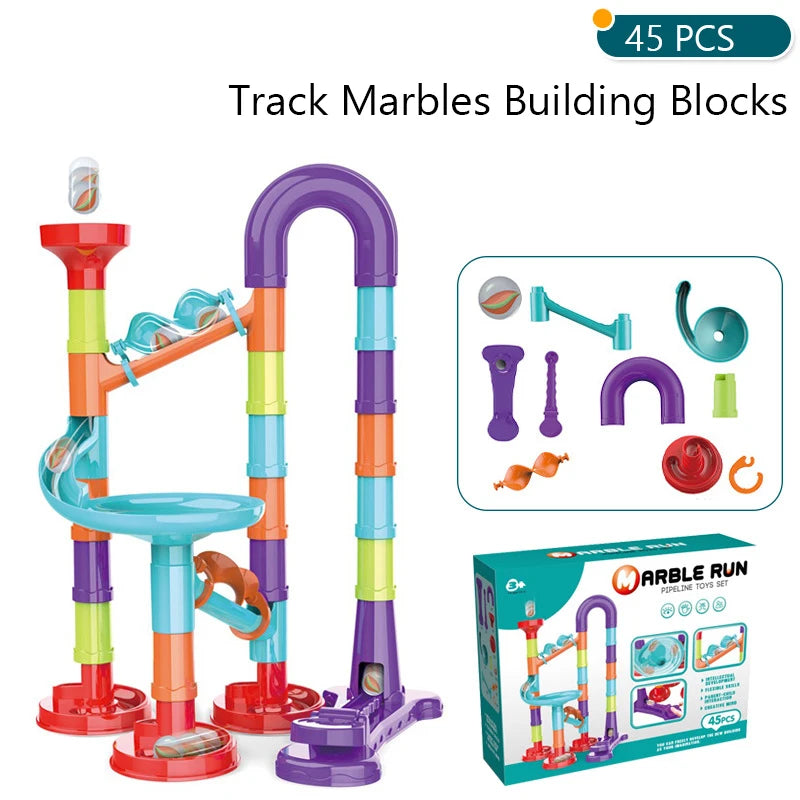
Visual spatial awareness activities that improve eye hand coordination 💡 See it in action
Families who consistently use structured play tools like the Marble Run Building Blocks Set often report smoother routines and more focused playtime within weeks.
Strengthen coordination and confidence with the Marble Run Building Blocks Set today.
Mini FAQ
How long does it take to improve eye hand coordination?
With daily 10–15 minute sessions using dexterity toys and structured play, many children show noticeable improvement in 2–4 weeks.
Are dexterity toys better than worksheets?
Yes. Hands-on activities activate visual, motor, and sensory systems simultaneously, making learning more effective than passive paper exercises.
What age should I start coordination games?
Simple tracking and stacking games can begin in toddlerhood. Activities can increase in complexity as motor control develops.
Related Guide: Build Marble Run Step by Step for Epic Results





