

How to Improve Fine Motor Skills in Young Children
How can parents improve fine motor skills in young children?
How to improve fine motor skills starts with daily, playful practice that strengthens small hand muscles through simple tasks like grasping, pressing, stacking, and coordinating both hands together. Consistent fine motor skill activities and age-appropriate toys for developing fine motor skills help children build control, focus, and confidence naturally at home.
How to Improve Fine Motor Skills in Young Children
⏱ 7 min read
How to improve fine motor skills doesn’t have to feel overwhelming or academic. Many parents notice clumsy fingers, frustration with buttons, or trouble holding crayons and wonder if they should be doing more. The good news? With playful routines, the right fine motor skill activities, and thoughtfully designed toys for developing fine motor skills, progress can happen faster—and more joyfully—than expected.
Explore supportive learning options in Baby Growth & Learning.
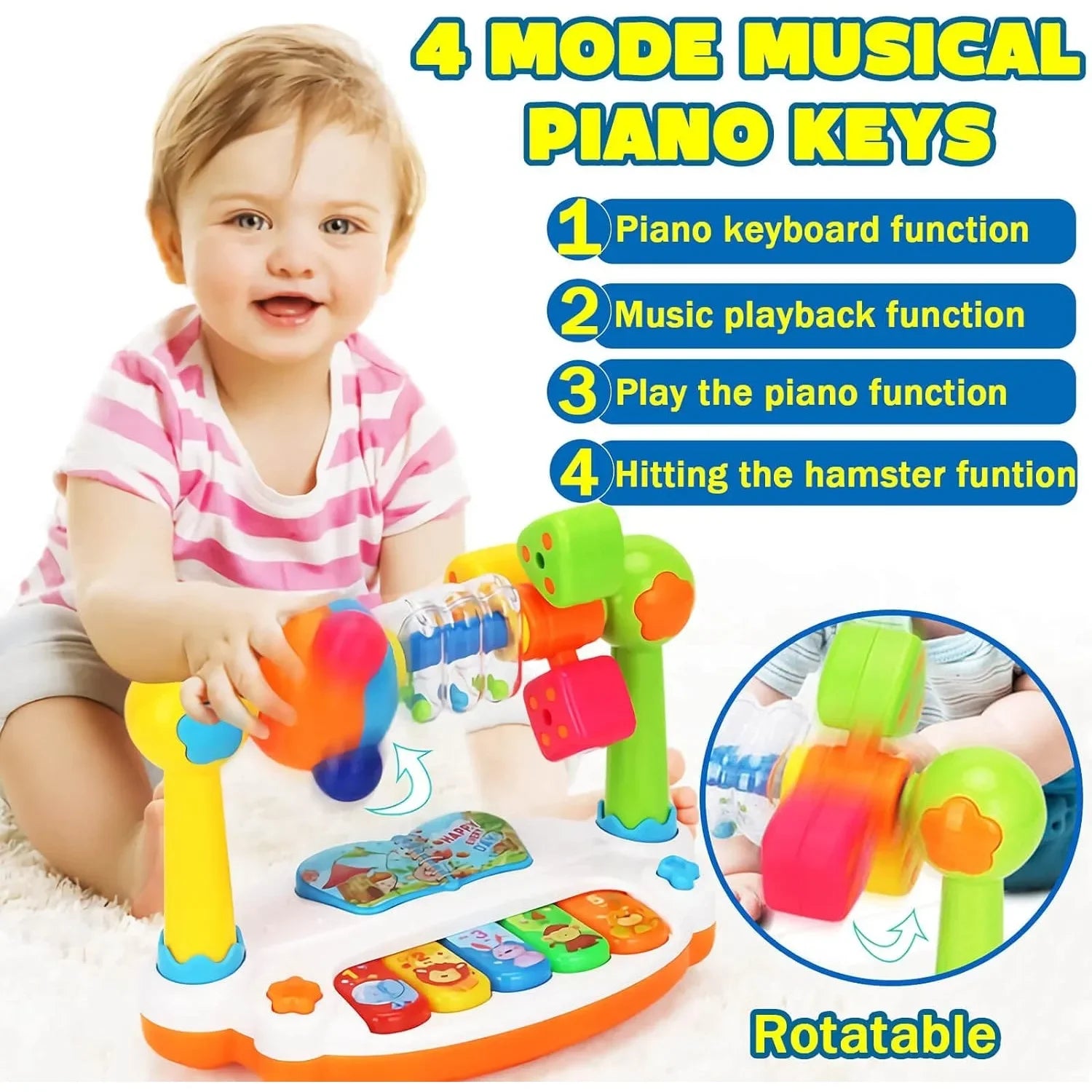
Fine motor skill activities that feel like play help children learn faster 💡 See it in action
Why Fine Motor Skills Matter in Early Childhood
Fine motor skills involve the small muscles of the hands and fingers working together with the eyes. These abilities support everyday tasks like feeding, dressing, drawing, and eventually writing. Strong fine motor control also boosts independence and self-esteem, helping children feel capable as they explore the world.
When children struggle with these movements, frustration can show up as avoidance, tantrums, or loss of interest. Supporting development early prevents small challenges from becoming bigger obstacles later in preschool and beyond.
Common Fine Motor Challenges Parents Notice
- Difficulty holding crayons, spoons, or toothbrushes
- Trouble stacking blocks or fitting shapes
- Using one hand only instead of both together
- Quick fatigue during drawing or puzzle play
If these sound familiar, you’re not alone. Many children simply need more chances to practice in low-pressure, playful ways.
How to Improve Fine Motor Skills at Home
How to improve fine motor skills at home works best when activities are short, fun, and repeated daily. Instead of drills, focus on playful movements that strengthen fingers, improve hand-eye coordination, and encourage problem-solving. Small efforts done consistently can create big changes over time.
- Offer varied hand movements: Push, pull, twist, press, and pinch.
- Encourage two-handed play: One hand stabilizes while the other works.
- Keep sessions brief: Five to ten minutes is often enough.
- Celebrate effort: Confidence fuels persistence.
Find everyday-friendly tools in Sensory Toys.
Fine Motor Skill Activities by Age
Infants (6–12 months): Building Awareness
At this stage, babies learn by touching, grabbing, and mouthing. Simple actions strengthen early hand control.
- Reaching for soft toys
- Pressing large buttons
- Transferring objects between hands
Interactive sound toys like a baby piano toy keyboard encourage pressing, tapping, and cause-and-effect learning in a safe, engaging way.
Toddlers (1–3 years): Strength and Coordination
Toddlers love repetition. Activities that involve stacking, scooping, and simple puzzles build strength and coordination.
- Stacking blocks or cups
- Scooping snacks with a spoon
- Turning pages in board books
Preschoolers (3–5 years): Control and Precision
Preschoolers refine control and accuracy. This is the perfect time to introduce more detailed fine motor skill activities.
- Drawing shapes and lines
- Stringing beads
- Simple cutting with safety scissors
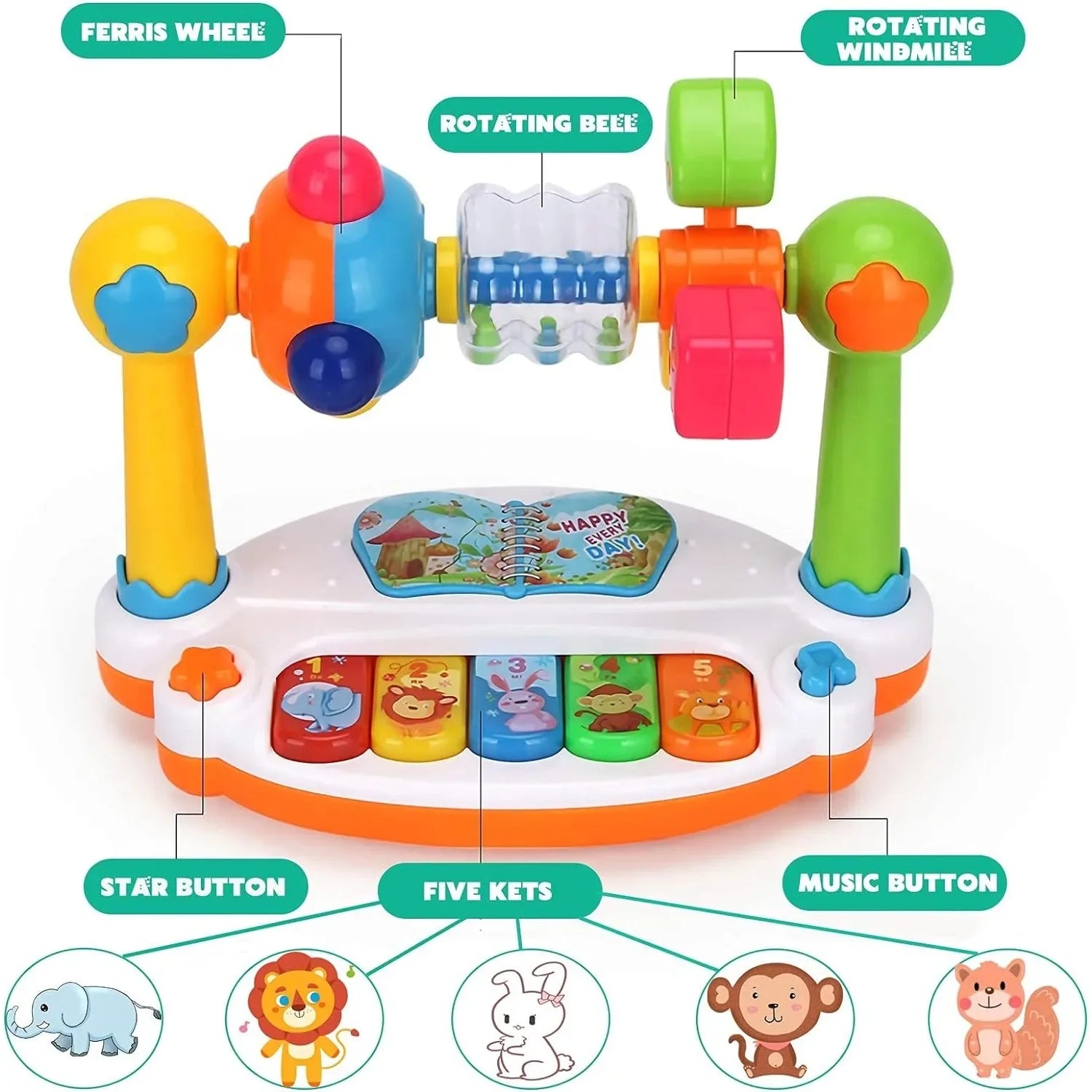
Age-appropriate toys for developing fine motor skills build confidence 💡 See it in action
Choosing Toys for Developing Fine Motor Skills
The best motor skills development toys invite hands-on interaction rather than passive watching. Look for toys that respond to touch, require problem-solving, and grow with your child.
| Toy Feature | Skill Supported |
|---|---|
| Buttons & keys | Finger strength, coordination |
| Stacking pieces | Grip control, planning |
| Textures & sounds | Sensory feedback, focus |
Musical toys like the baby piano toy keyboard combine sound, movement, and visual feedback, making them a favorite for repeated practice.
Turning Daily Routines into Skill Builders
You don’t need extra time. Everyday moments are perfect opportunities to practice fine motor skills.
- Mealtime: Let children self-feed using child-sized utensils from Feeding Tools.
- Bath time: Squeezing toys and pouring water support hand strength using items from Baby Bath Accessories.
- Getting dressed: Zippers and buttons build coordination.
Safety Tips for Skill-Building Play
Safety always comes first when encouraging hands-on play.
- Choose age-appropriate sizes to avoid choking hazards
- Supervise new activities
- Store small items securely
For added peace of mind, explore child-safe options in Health & Safety.
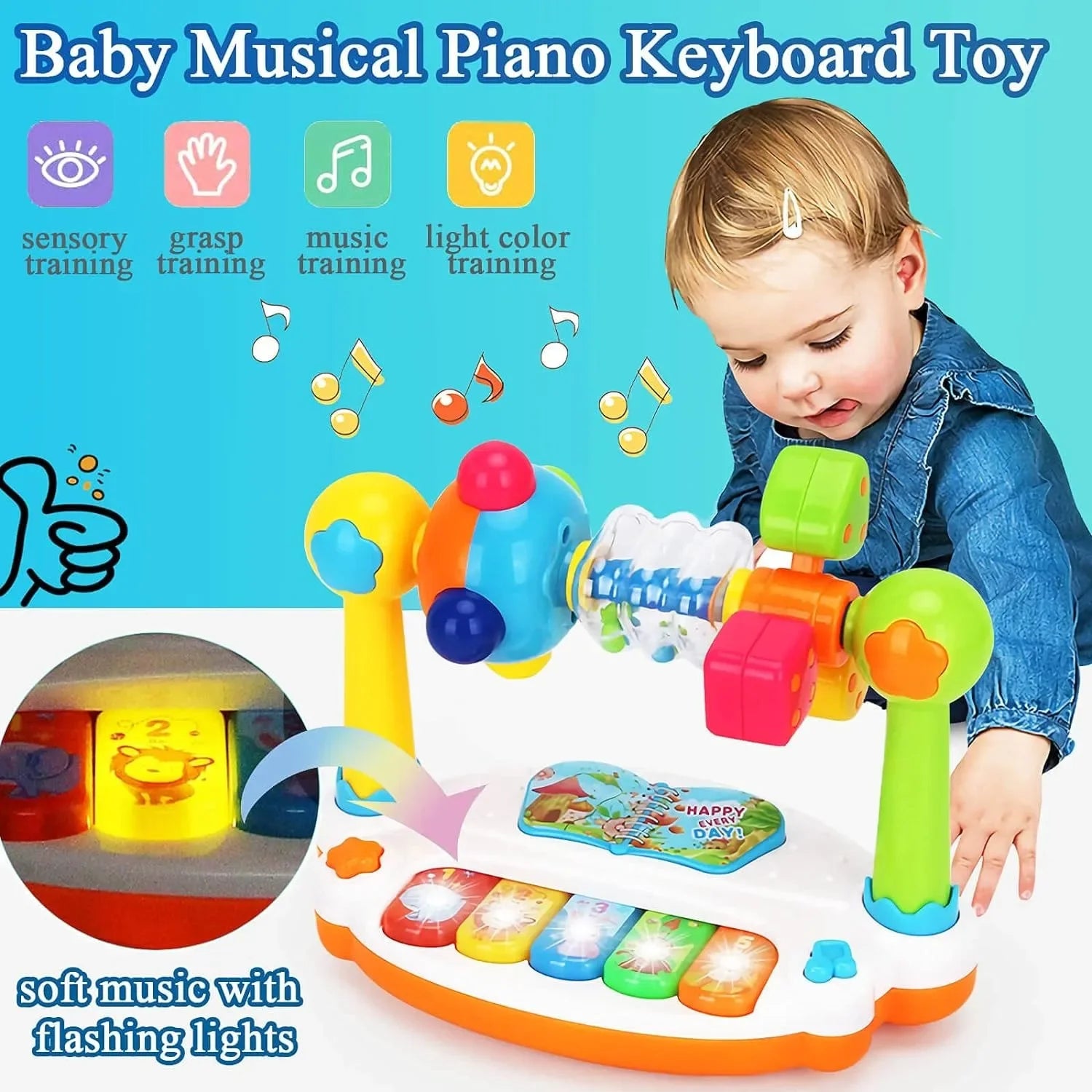
Motor skills development toys turn practice into play 💡 See it in action
Discover hands-on favorites in Baby Growth & Learning.
Frequently Asked Questions
How long does it take to see improvement?
With daily fine motor skill activities, many parents notice better control and confidence within a few weeks. Consistency matters more than session length.
Can screen-based games replace hands-on play?
No. Physical interaction with real objects is essential for strengthening hand muscles and coordination.
What if my child resists activities?
Follow your child’s interests. Musical and sensory toys often re-engage reluctant learners.





