

How to Improve Tummy Time Step by Step for Happier Babies
How can I improve tummy time for my baby?
How to improve tummy time starts with short, playful sessions on a safe surface, gentle encouragement, and age-appropriate sensory toys. Using an infant tummy time play mat, talking to your baby, and adding simple movements can support early motor development while reducing fussiness and building confidence day by day.
How to Improve Tummy Time Step by Step for Happier Babies
⏱ 7 min read
How to improve tummy time is one of the most common questions new parents ask—and for good reason. Babies often fuss, parents feel unsure, and everyone wonders if they’re doing it “right.” The good news? With a few gentle tweaks, the right setup, and some playful routines, tummy time can become a joyful daily ritual that supports strength, focus, and early motor development.
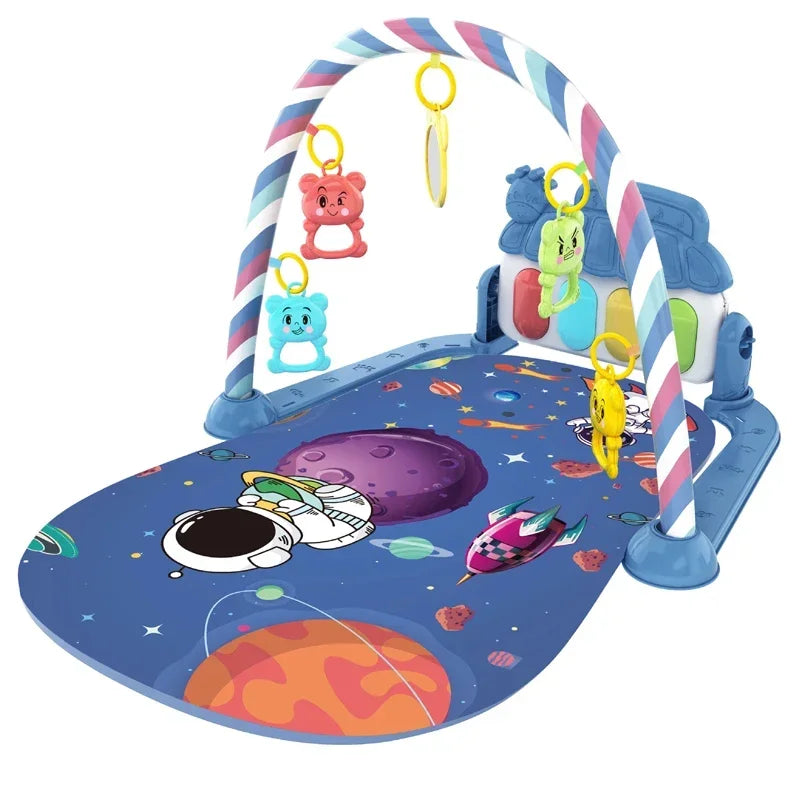
A cozy infant tummy time play mat can turn practice into play. 💡 See it in action
Why Tummy Time Matters More Than You Think
Tummy time isn’t just about getting your baby off their back. It’s a daily opportunity to build neck, shoulder, and core strength, support visual tracking, and encourage early motor development. These small moments lay the foundation for rolling, crawling, and eventually walking.
- Strengthens neck and upper body
- Improves head control
- Supports sensory exploration
- Reduces flat head risk
How to Improve Tummy Time: A Simple Step-by-Step Guide
How to improve tummy time begins with short, frequent sessions on a soft, engaging surface. Start with 30–60 seconds, add comforting cues like your voice or touch, and slowly increase duration. Pairing movement with smiles and toys helps babies feel safe, curious, and ready to explore.
- Choose the right spot: A clean, padded floor or infant tummy time play mat.
- Get down at eye level: Your face is the best motivator.
- Use gentle props: A rolled towel under the chest can help.
- Keep it short and sweet: Multiple mini-sessions beat one long one.
Want a safe, cozy base? Parents often browse Baby Care Essentials for supportive mats and soft surfaces.
Common Tummy Time Mistakes (and Easy Fixes)
| ❌ Mistake | ✅ Better Choice |
|---|---|
| Waiting too long to start | Begin from day one with tiny sessions |
| Long, forced sessions | Short, playful breaks |
| No interaction | Talk, sing, and smile |
Babies learn best through connection. Even a few seconds of eye contact can make a big difference.
Tools That Make Tummy Time Easier
While your arms and voice are powerful, the right tools can help. Sensory textures, mirrors, and soft sounds keep babies curious and calm.
- Soft mirrors for self-recognition
- Crinkle toys for sound exploration
- Textured mats for sensory play
Explore gentle stimulation ideas in Sensory Toys or movement-based items from Mobility & Training.

Stimulating activities for newborns can boost focus and joy. 💡 See it in action
Age-by-Age Tummy Time Tips
0–2 Months
Place baby on your chest, talk softly, and aim for 30-second bursts.
3–4 Months
Add toys just out of reach to encourage lifting and reaching.
5–6 Months
Encourage rolling and pivoting with playful sounds.
Safety First: What Parents Should Know
Always supervise tummy time and stop if your baby shows distress. Comfort and safety come first. For peace of mind, parents often rely on tools from Health & Safety or monitoring solutions from Monitoring Devices.
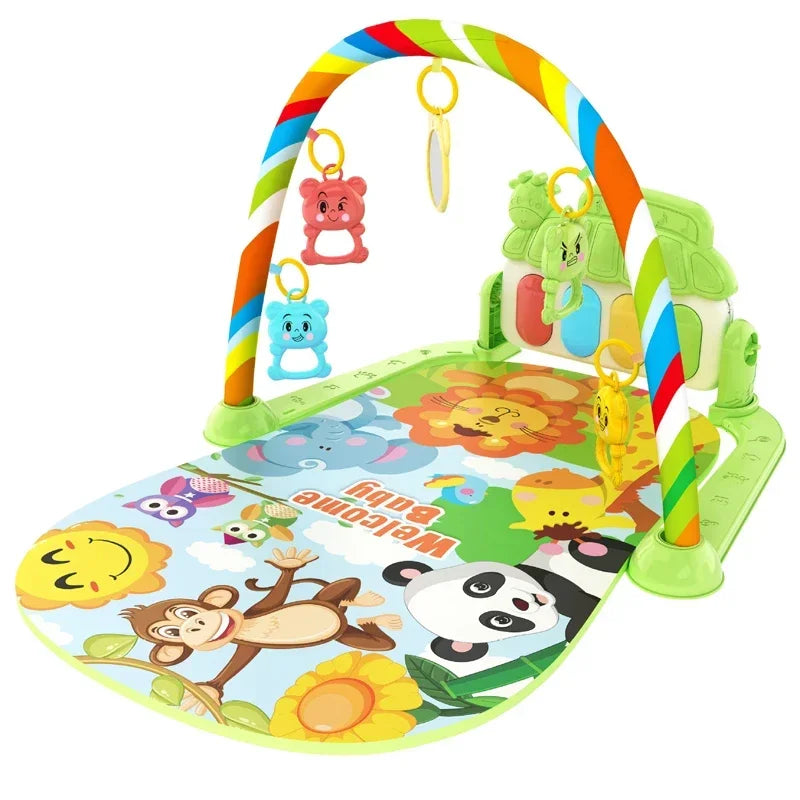
Support early motor development with simple daily play. 💡 See it in action
Mini FAQ
How long should tummy time be each day?
Start with a few minutes spread throughout the day and gradually build up to 20–30 minutes total.
What if my baby hates tummy time?
Try shorter sessions, change locations, or use mirrors and toys for distraction.
Is tummy time safe for newborns?
Yes, when supervised and done on a soft, clean surface.
Final thought: Learning how to improve tummy time doesn’t require perfection—just patience, love, and a playful spirit. Small steps lead to big milestones.





