

How to Inflate a Pool Safely for Fast, Easy Setup
What Is the Fastest Way to Inflate a Pool Without Leaks?
The fastest way to inflate a pool without leaks is to use a compatible electric air pump, place the pool on a smooth, level surface, and inflate each air chamber until it feels firm but still slightly flexible. Learning how to inflate a pool correctly also means matching the pump nozzle to the inflatable pool valve, sealing every valve securely, and avoiding overinflation, which can strain seams and lead to slow air loss. With the right setup, most family-sized inflatable pools are ready for water in just a few minutes.
How to Inflate a Pool the Right Way for Fast Setup
⏱ 8 min read
Setting up an inflatable pool should be quick, not frustrating. Yet many parents discover that a poorly fitted pump nozzle, uneven ground, or too much air can leave the pool sagging, leaking, or needing constant adjustments. Fortunately, learning how to inflate a pool the right way takes only a few simple techniques that improve both speed and long-term durability.
Whether you're preparing a portable backyard pool for a weekend of family fun or setting it up for daily summer use, proper pool inflation helps create stable walls, protects the seams, and reduces the chance of air escaping before the water is even added. Starting with the right equipment and following the correct inflation process saves time now and helps your pool last longer.

A smooth inflatable pool setup starts with the right surface, compatible pump, and properly sealed valves.
Why Proper Pool Inflation Matters
Correct pool inflation affects much more than appearance. The amount of air inside each chamber determines how well the pool supports water pressure, resists punctures, and keeps its shape during use. Underinflated walls can bend outward once the pool is filled, while excessive air pressure places unnecessary stress on seams and valves—especially on hot summer days when expanding air increases internal pressure.
For families with young children, proper inflation also improves safety and comfort. Stable side walls make it easier for children to enter and exit the pool, reduce unexpected movement, and create a more enjoyable play area throughout the day.
- Maintains the correct shape as the pool fills with water.
- Reduces strain on welded seams and inflatable chambers.
- Provides more comfortable, supportive side walls for children and adults.
- Helps extend the lifespan of your portable backyard pool by minimizing unnecessary wear.
Choose the Right Pump for Your Inflatable Pool
Selecting the right pump is the easiest way to reduce setup time and improve pool inflation. While nearly any air pump can inflate an inflatable pool, using a model that matches your pool's valve size and air volume makes the process faster and helps prevent accidental overinflation.
Manual hand pump
A manual hand pump is lightweight, inexpensive, and ideal for compact children's pools or occasional use. Although it requires more effort, it offers excellent control over air pressure and works anywhere without electricity.
Electric air pump
For most family-sized inflatable pools, an electric air pump is the fastest option. It fills large air chambers in just a few minutes and typically includes multiple nozzle adapters to fit different valve styles. Stop periodically to check firmness instead of allowing the pump to run continuously.
Battery-powered pump
Battery-operated pumps are a practical choice for parks, campsites, or backyards without nearby power outlets. They are generally slower than plug-in electric pumps but much faster than manual pumping.
Air compressor: when to use and when to avoid
High-pressure air compressors are not recommended unless they include a low-pressure setting specifically designed for inflatables. Excessive pressure can stretch seams, damage the inflatable pool valve, or permanently deform the air chambers before you have time to stop inflation.
- Electric pump: Best for medium and large family pools.
- Manual pump: Best for small pools and travel.
- Battery-powered pump: Best when electricity is unavailable.
- Multiple nozzle adapters: Help create a secure seal and reduce air leaks.
Many families already own useful setup accessories from Baby Bath Accessories that can also protect the pool during setup, such as soft foam mats placed beneath the base to reduce wear and punctures.
How to Inflate a Pool Step by Step
Knowing how to inflate a pool properly is about more than simply adding air. Following the correct sequence helps the pool expand evenly, minimizes stress on the seams, and prepares it for filling with water.
Prepare the setup area
Choose a level surface free of rocks, sticks, and other sharp debris. Unfold the pool completely and smooth out wrinkles so every air chamber expands evenly. Position the pool where you plan to use it, since moving a partially inflated pool can place unnecessary strain on the material.
Inflate the base
If your inflatable pool includes a separate air-filled floor, inflate it first. Attach the correct pump nozzle securely to the inflatable pool valve and add air gradually until the base feels supportive without becoming rigid.
Inflate side walls
Inflate each air chamber individually, beginning with the lowest chamber and working upward if your model has multiple rings. Pause occasionally to check that the walls remain straight and that the valves stay properly seated as the chambers expand.
The ideal level of pool inflation is firm with a slight amount of flexibility when pressed by hand. Once every valve is tightly sealed, wait a few minutes and listen for escaping air before adding water. This quick inspection helps identify loose caps or poorly fitted valves before the pool is under load.
- Lay the pool flat and remove all folds.
- Inspect the ground for sharp objects.
- Match the pump nozzle to the inflatable pool valve.
- Inflate each chamber gradually instead of all at once.
- Check the walls frequently for even firmness.
- Secure every valve cap tightly.
- Inspect for air leaks before filling the pool with water.
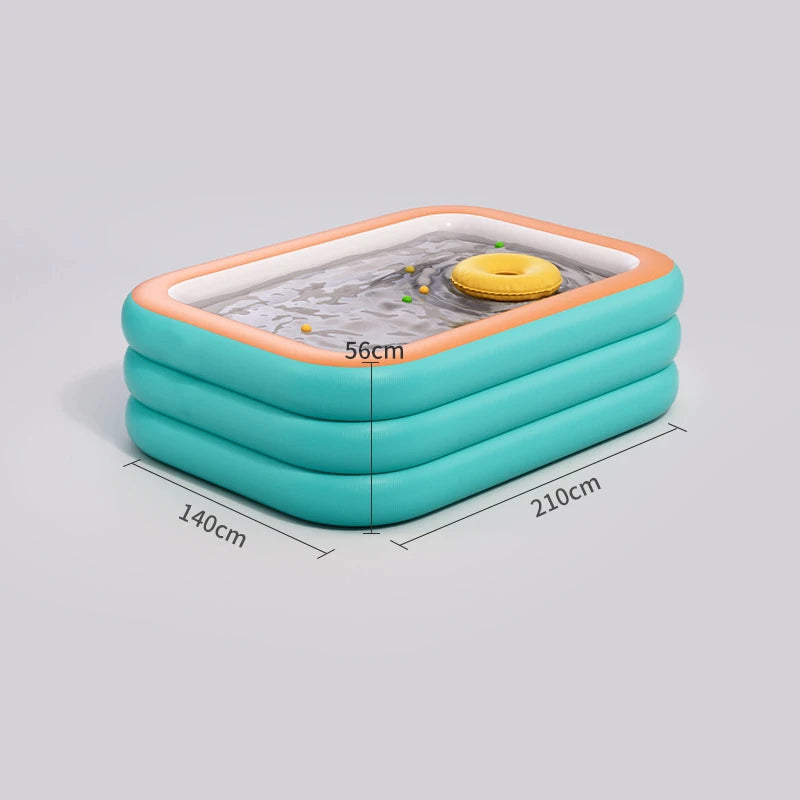
Using the inflatable pool valve correctly and checking firmness before filling helps prevent slow air leaks and uneven inflation.
Common Pool Inflation Mistakes to Avoid
Many inflatable pool problems can be traced back to the initial setup. Avoiding a few common mistakes during pool inflation helps prevent air leaks, extends the life of the material, and ensures your pool remains stable once it's filled with water.
- Overinflating the air chambers: A pool should feel firm but not rigid. Excessive air pressure stretches seams and can cause damage, especially as trapped air expands in direct sunlight.
- Using the wrong pump nozzle: A poorly fitting nozzle allows air to escape during inflation, slowing the process and making it harder to achieve even pressure.
- Ignoring wrinkles or uneven placement: Twisted walls and folded sections can place unnecessary stress on welded seams as the pool fills.
- Inflating on rough or abrasive surfaces: Concrete, gravel, and exposed roots increase the risk of punctures. Whenever possible, use grass, foam padding, or a protective ground sheet.
- Leaving valve caps partially open: Even a small gap can result in gradual air loss before the pool is ready for use.
- Inflating during the hottest part of the day: Air naturally expands as temperatures rise. If the pool is already fully inflated, additional expansion can increase internal pressure and strain the seams.
Taking a few extra minutes to inspect your inflatable pool setup before adding water can significantly improve durability and reduce the likelihood of unexpected repairs. Families who prioritize outdoor safety—like those exploring Health & Safety resources—often find that careful setup leads to a longer-lasting pool and a more enjoyable experience.
Identify and Use Your Inflatable Pool Valve Correctly
A properly sealed inflatable pool valve is essential for maintaining air pressure throughout the day. Before connecting your pump, identify the type of valve your pool uses and make sure your pump includes a compatible nozzle or adapter.
Boston valves
Boston valves are common on larger inflatable pools because they allow fast inflation while minimizing air loss. The two-piece design lets air enter easily and helps prevent it from escaping when you remove the pump.
Double-lock valves
Double-lock valves feature an internal flap that automatically limits air escaping during inflation. Push the cap firmly into place until it sits flush with the valve opening for the best seal.
Pinch valves
Smaller inflatable pools often use pinch valves. These require the nozzle to hold the internal stopper open while inflating, so using the correct nozzle size is especially important for efficient airflow.
Universal adapters
Many electric air pumps include universal nozzle adapters. Choose the largest adapter that fits snugly inside the valve opening without forcing it, creating a better seal and reducing air leakage during inflation.
- Inspect the valve for dirt, sand, or grass before attaching the pump.
- Confirm the pump nozzle fits securely without wobbling.
- Close the valve immediately after removing the nozzle.
- Press the cap firmly until it locks completely.
- Wait 5 to 10 minutes and check for any hissing sounds before filling the pool with water.
Manual vs Electric Pool Pumps
The best pump depends on your pool's size, how often you use it, and where you'll be setting it up. While both manual and electric pumps can inflate an inflatable pool successfully, the difference in speed and effort becomes much more noticeable with larger family pools.
| Pump Type | Best For | Typical Inflation Time | Advantages |
|---|---|---|---|
| Manual Hand Pump | Small pools, travel, emergency backup | 10–20 minutes | Portable, inexpensive, no electricity required |
| Electric Pump | Medium and large family pools | 3–5 minutes | Fast inflation, minimal effort, multiple nozzle adapters |
For occasional backyard use, a manual pump may be all you need. However, families who regularly set up a portable backyard pool often find that an electric pump saves time and reduces fatigue, making spontaneous outdoor play much easier.
Fill the Pool with Water Safely and Efficiently
Once every air chamber is properly inflated and the valves are securely closed, the pool is ready to be filled. Adding water gradually allows you to monitor the walls and confirm that the pool maintains its shape as the weight increases.
- Verify every inflatable pool valve is fully sealed before turning on the hose.
- Begin filling slowly and watch the side walls as the water level rises.
- If a wall starts to sag, pause filling and check the corresponding air chamber.
- Avoid overfilling—leave a small gap between the water level and the top edge to reduce splashing and improve stability.
- Confirm the pool remains level throughout the filling process.
A final inspection only takes a minute but can prevent leaks, uneven pressure, and unnecessary wear. If the pool remains firm and balanced as the water rises, it's ready for safe family use.
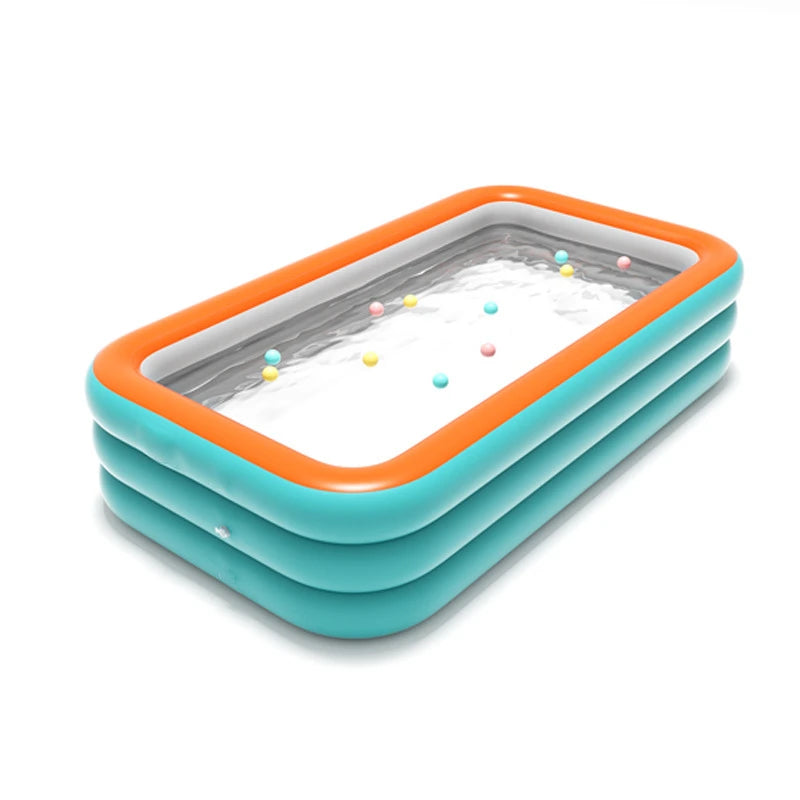
A properly inflated portable backyard pool stays stable during filling and provides a safer, more comfortable place to play.
Frequently Asked Questions
How full should an inflatable pool be?
An inflatable pool should be firm enough to hold its shape while remaining slightly flexible when you press the side walls with your hand. If the material feels rock-hard, release a small amount of air to reduce stress on the seams, especially during warm weather when air naturally expands.
Why does my pool lose air after inflating?
Slow air loss is commonly caused by a valve that isn't fully sealed, dirt trapped inside the inflatable pool valve, minor punctures, or overinflation that places excessive pressure on the seams. Before assuming there's a leak, inspect each valve, listen for escaping air, and check for visible damage around welded joints.
Can I inflate a pool by mouth?
Very small inflatable pools can be inflated by mouth, but using a manual or electric pump is much faster, more hygienic, and produces more consistent air pressure. Larger family pools require a pump to inflate efficiently.
How long does it take to inflate a pool?
Most portable backyard pools inflate in approximately 3 to 5 minutes with an electric air pump. Manual hand pumps generally require 10 to 20 minutes depending on the size of the pool and the number of air chambers.
Can you use an air compressor to inflate an inflatable pool?
Only if the air compressor has a low-pressure setting designed for inflatables. Standard compressors deliver high-pressure airflow that can quickly overinflate or damage inflatable pool seams and valves.
Which pump is best for inflating a swimming pool?
For medium and large inflatable pools, an electric air pump with multiple nozzle adapters is usually the best choice. Manual pumps remain an excellent backup for travel, while battery-powered pumps are useful when electricity isn't available.
How do I know when my inflatable pool is fully inflated?
The side walls should stand upright and feel supportive while still giving slightly when pressed. A properly inflated pool keeps its shape without appearing stretched or overly tight.
Why is my inflatable pool soft after adding water?
The weight of the water naturally changes how the air chambers feel. However, noticeably soft walls may indicate that additional air is needed or that a valve is leaking slowly. Check the valves first before adding more air.
Can I leave my pool inflated all summer?
Yes, provided you inspect it regularly, maintain the correct air pressure, keep it clean, and protect it from sharp objects. During periods of extreme heat, check the firmness occasionally because expanding air may require releasing a small amount of pressure.
What happens if I overinflate an inflatable pool?
Overinflation increases tension on the seams and air chambers, making the pool more vulnerable to leaks or seam separation. The risk becomes greater when the pool sits in direct sunlight for extended periods.
How can I inflate a pool without electricity?
A manual hand pump or a battery-powered air pump provides an effective alternative when electrical power isn't available. Both options are suitable for camping, parks, and other outdoor locations.
Should I inflate the pool before moving it into place?
No. Always position the pool on its final, level location before inflating it. Moving a partially inflated or fully inflated pool can stretch the material, damage the base, or place unnecessary stress on the seams and valves.
Related Articles
- How to Choose the Right Inflatable Pool
- How to Repair an Inflatable Pool Leak
- How to Clean an Inflatable Pool
- How to Store an Inflatable Pool
- Inflatable Pool Safety Tips
- Best Air Pumps for Inflatable Pools





