

How to Install Kids Swing Safely at Home
How do you install a kids swing safely at home?
How to install kids swing safely means choosing a strong support, using secure rope swing installation methods, and attaching swing hangers heavy duty rated for your child’s weight. Proper height, spacing, and routine checks are essential for playground swing safety and long-term confidence.
How to Install Kids Swing Safely at Home
⏱ 7 min read
Installing a kids swing at home sounds simple—until you picture your child flying through the air and you start wondering if everything is truly secure. Many parents worry about weak beams, loose knots, or spacing mistakes that can turn fun into stress. The good news? With the right setup and a clear plan, you can install a kids swing once and enjoy years of safe play without second-guessing.
Quick question: Is your backyard swing setup actually safe for daily use, or are you just hoping it is?
Explore smart safety-focused solutions in Health & Safety.
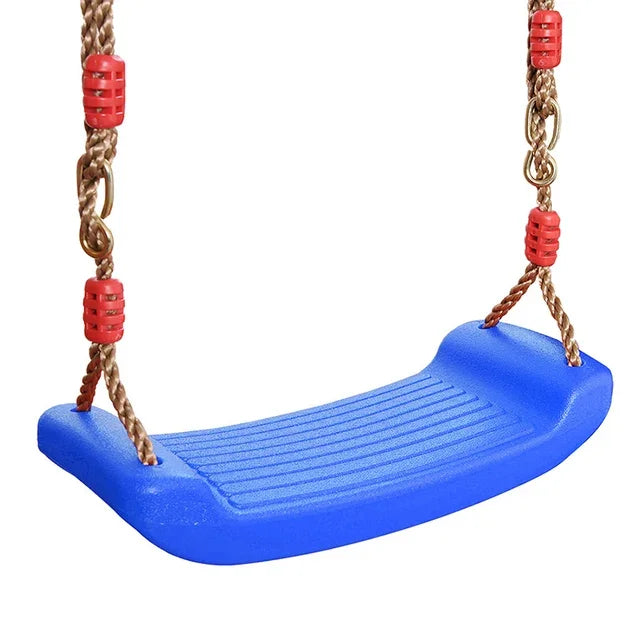
How to install kids swing with secure rope swing installation for confident backyard play 💡 See it in action
Why Proper Installation Matters for Daily Play
When a swing is installed correctly, kids feel free to play and parents feel free to relax. Poor installation, however, can lead to sudden drops, tipping, or wear that goes unnoticed until it’s too late. Playground swing safety isn’t about being overly cautious—it’s about building trust in the setup.
Parents often juggle busy schedules, and a swing that “seems fine” can quickly become a source of anxiety. A secure setup means fewer interruptions, fewer rules, and more joyful play.
How Choosing the Right Location Prevents Accidents
The safest swing starts with the right spot. Location affects everything from stability to how kids land when they jump off.
- Choose level ground with soft landing space.
- Keep clear of fences, walls, and furniture.
- Allow at least 6 feet of clearance in all directions.
- Avoid placing swings over concrete or hard surfaces.
If your child is still developing balance and coordination, pairing active play with tools from Mobility & Training can support safer movement habits.
How to Select a Strong Support Beam
A swing is only as strong as what holds it up. Whether you’re using a tree branch, ceiling beam, or playset frame, strength and stability are non-negotiable.
- Wood beams should be solid, crack-free, and at least 4x6 inches.
- Metal frames must be rust-free and firmly anchored.
- Tree branches should be healthy, thick, and well-established.
- Avoid temporary supports like pergolas or decorative beams.
Many parents underestimate beam strength, especially as kids grow. Planning ahead saves time and worry later.
How to Install Kids Swing Step by Step
How to install kids swing properly starts with careful rope swing installation. The goal is even weight distribution and secure attachment that won’t loosen over time.
- Measure and mark equal distances for each rope.
- Thread ropes through the swing seat evenly.
- Use strong knots designed for load-bearing.
- Secure ropes to the beam or hangers.
- Test with gradual weight before full use.
For younger children, combining active play with calming routines supported by Sleep & Comfort products can help balance energy and rest.
Learn practical safety tips inside Baby Care Tips & Advice.
Why Swing Hangers Heavy Duty Make a Difference
Swing hangers heavy duty are often overlooked, yet they play a huge role in long-term safety. These components reduce friction, prevent rope wear, and support smooth movement.
High-quality hangers are rated for higher weights and designed for outdoor conditions. They also make adjustments easier as your child grows.
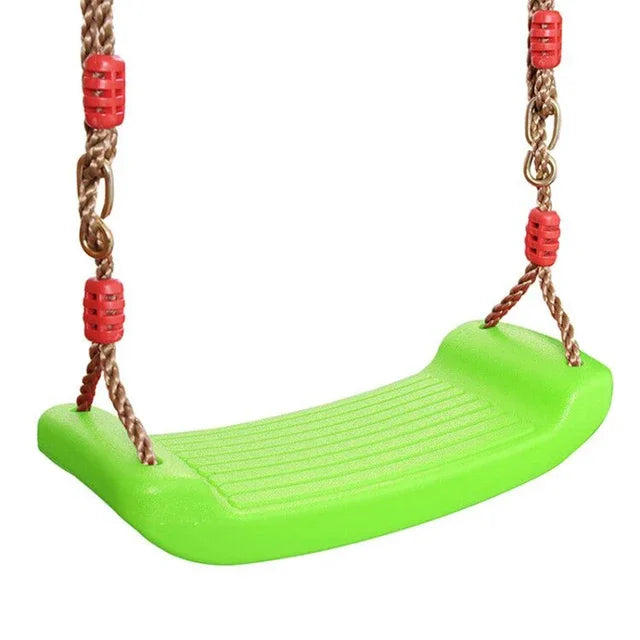
Swing hangers heavy duty support smoother motion and safer rope swing installation 💡 See it in action
Correct Height and Spacing for Comfort
Height and spacing affect how natural and safe swinging feels. Too high, and kids may struggle to get on. Too low, and feet drag on the ground.
- Seat height: 16–24 inches from ground for young kids.
- Rope spacing: match seat width evenly.
- Allow forward and backward clearance.
- Adjust as your child grows.
Encouraging body awareness through play pairs well with sensory development tools from Sensory Toys.
Understanding Weight Limits and Growth
Kids grow fast, and swings must keep up. Always check the maximum weight rating for the seat, ropes, and hangers.
Many parents find it helpful to reassess equipment yearly, especially after growth spurts. This habit builds confidence that the setup remains reliable.
Routine Playground Swing Safety Checks
Playground swing safety doesn’t end after installation. Regular checks catch small issues before they become big problems.
- Inspect ropes for fraying.
- Tighten knots and hardware.
- Check beam integrity.
- Test movement and stability.
For households focused on overall safety routines, browsing Monitoring Devices can support peace of mind indoors and out.
Common Installation Mistakes to Avoid
Even careful parents can make simple errors. Avoid these common pitfalls:
- Using decorative beams not rated for load.
- Skipping weight testing.
- Ignoring rope wear over time.
- Placing swings too close to obstacles.
Learning from others’ experiences can save time and frustration.
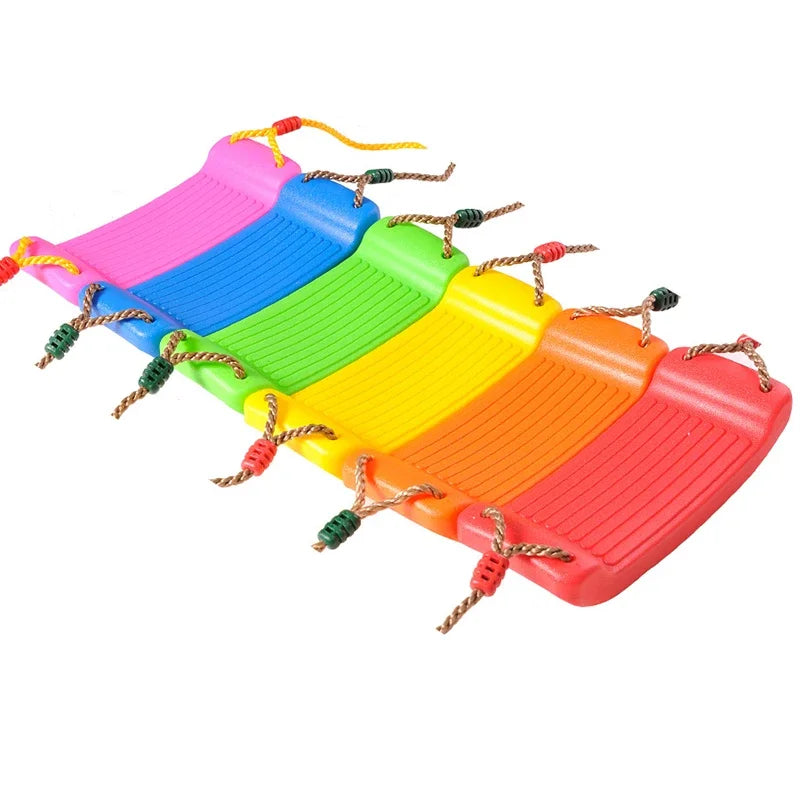
Playground swing safety starts with correct spacing and strong support 💡 See it in action
Explore family-approved solutions designed for daily use at kids swing.
Frequently Asked Questions
How long does it take to install a kids swing?
Most parents complete installation in 30–60 minutes when the support beam is ready. Taking time to measure, test weight, and secure knots properly helps prevent future adjustments.
Can I install a swing indoors?
Yes, as long as ceiling beams are rated for load and swing hangers heavy duty are used. Indoor setups require extra attention to spacing and ceiling height.
How often should I check the swing?
A quick visual check before play and a detailed inspection every few months helps maintain playground swing safety and long-term reliability.





