

How to Make an Electromagnet: Easy Step-by-Step Guide
How to Make Electromagnetism: Easy DIY Electromagnet Experiment
Learning how to make an electromagnet is one of the easiest ways to see electricity and magnetism working together. With a battery, copper wire, and an iron nail, you can create a simple DIY electromagnet that can attract and lift small metal objects like paper clips.
This beginner-friendly electromagnet project demonstrates a key physics principle: electric current flowing through a wire creates a magnetic field. The same idea is used in electric motors, relays, speakers, transformers, and many other technologies.
In this guide, you’ll learn how to build a homemade electromagnet step by step, test its strength, troubleshoot common problems, and explore simple ways to improve your results.
How to Make an Electromagnet: Easy DIY Science Experiment
Estimated Time, Difficulty, and What You'll Build
This DIY electromagnet experiment is designed for beginners, students, and families exploring hands-on STEM activities.
- Difficulty: Beginner
- Estimated time: 10–20 minutes
- Project goal: Build a working electromagnet that can pick up small metal objects
- Main concepts learned: Electric current, magnetic fields, coils, and electromagnets
The finished project is a basic electromagnet made from a wire coil wrapped around an iron core. When connected to a battery, the coil produces a magnetic field that turns the nail into a temporary magnet.
Materials and Tools Checklist
Required Materials
To build a simple electromagnet, gather these basic materials:
- Iron nail: A 2–3 inch iron nail works as the magnetic core.
- Insulated copper wire: About 1–2 feet of wire creates the coil.
- Battery: A fresh AA or D battery provides electrical current.
- Wire stripper or sandpaper: Used to remove insulation from wire ends.
- Paper clips or small metal objects: Used to test magnetic strength.
Optional Items for Stronger Results
For a more advanced homemade electromagnet, you can add:
- Extra copper wire for more coil turns
- Different sizes of iron cores
- A multimeter to measure voltage and current
- Additional batteries for controlled testing
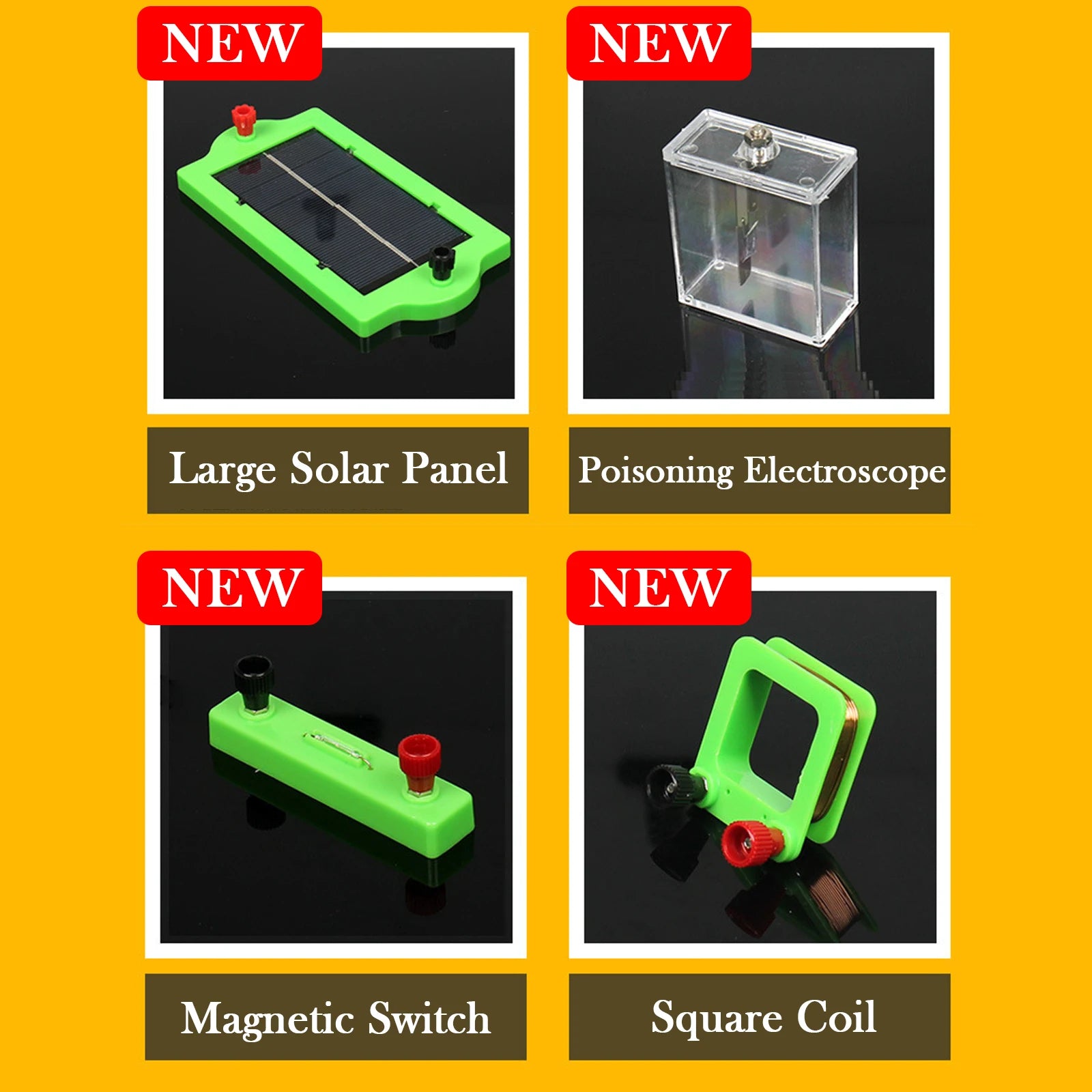
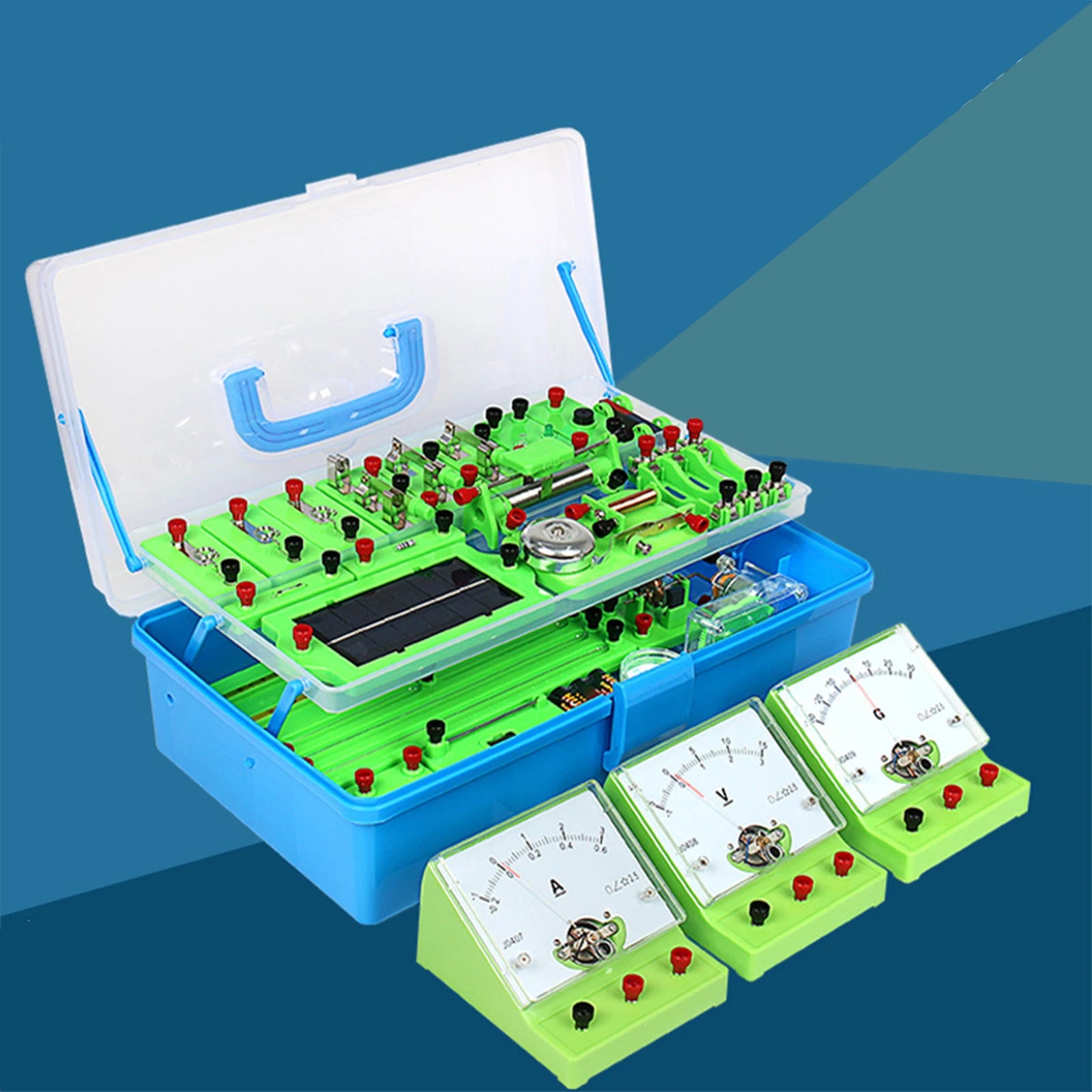
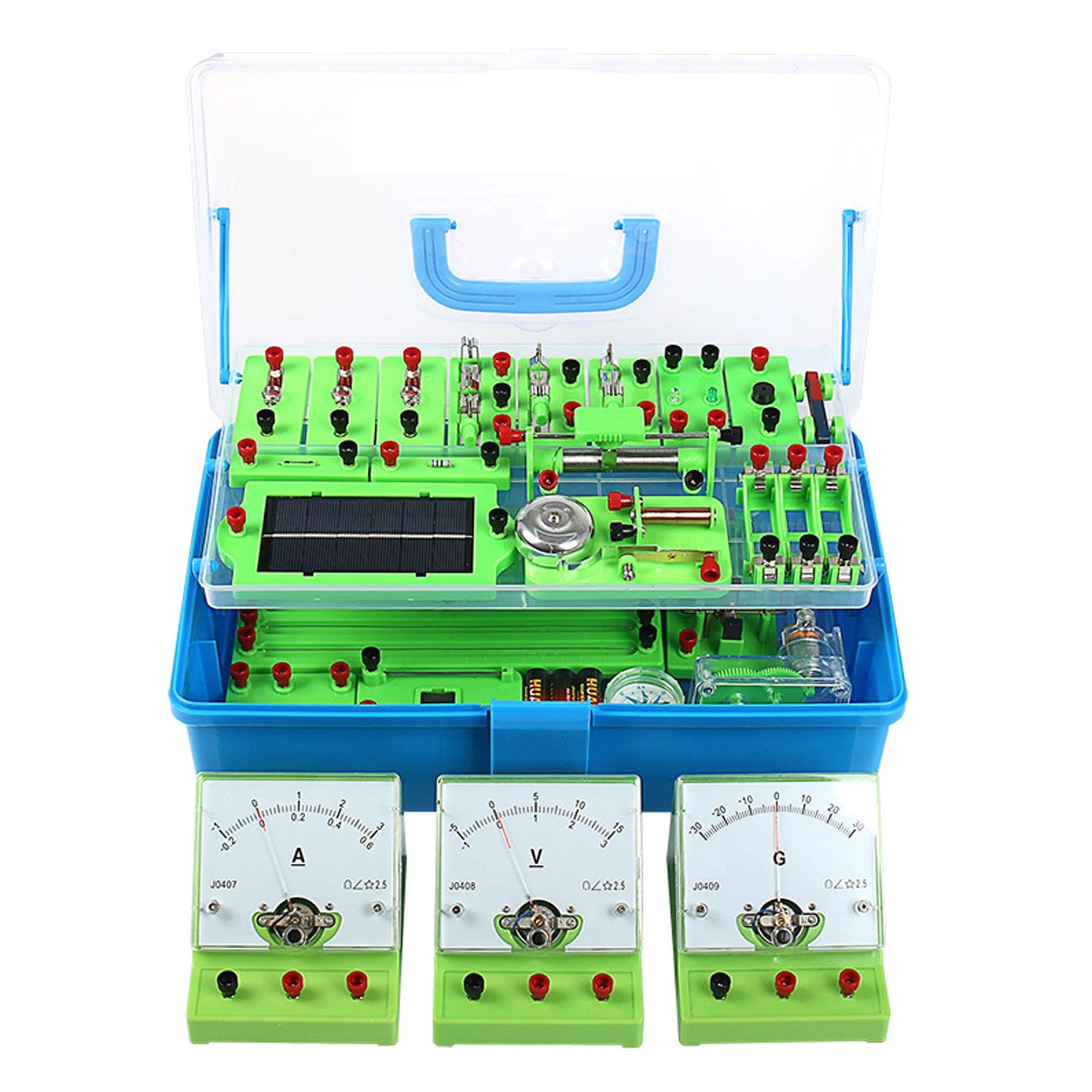
Students who want to explore more physics experiments can use a structured learning setup such as the Electromagnetism Experiment Kit for Students – 40+ Lab Tools. This kit includes components such as coils, meters, magnets, and motors for exploring magnetic fields, circuits, and energy conversion.
Parents and teachers can also combine this activity with educational resources from the Baby Growth & Learning collection or STEM activities from the Baby Growth & Learning Tips section.
Safety Tips Before You Start
Battery Safety
Use only small household batteries for this experiment. Do not connect batteries together without understanding the circuit because higher current can generate excess heat.
Prevent Wire Overheating
A wire connected directly to a battery can become warm, especially if the circuit stays connected for a long time. Disconnect the battery after testing to prevent overheating.
Adult Supervision for Kids
This electromagnet for kids activity is safe when performed correctly. Younger children should complete the experiment with adult guidance, especially when handling batteries, wire tools, or sharp nails.
How to Make a Simple Electromagnet at Home Step by Step
Step 1: Prepare and Wrap the Copper Wire
Start by wrapping the insulated copper wire tightly around the iron nail. Leave approximately two inches of wire free at both ends so you can connect the battery.
Create as many neat loops as possible. Keep the coils close together because more wire turns create a stronger magnetic field.
Step 2: Strip the Wire Ends
Remove a small section of insulation from both ends of the wire using a wire stripper or sandpaper. The exposed copper allows electricity to flow through the coil.
If the copper is not visible, the circuit will not work because the battery cannot send current through the wire.
Step 3: Connect the Battery
Attach one exposed wire end to the positive battery terminal and the other end to the negative terminal.
Once the circuit is complete, electric current moves through the coil and creates a magnetic field around the nail.
Step 4: Test with Paper Clips
Bring the nail close to paper clips or other small metal objects. If your circuit is working, the nail should attract and lift them.
Disconnect the battery and observe how the magnetic force disappears. This shows the difference between an electromagnet and a permanent magnet.
How to Test Your Electromagnet
Paper Clip Pickup Test
The simplest electromagnet experiment test is measuring how many paper clips your magnet can lift.
- Connect the battery to activate the electromagnet.
- Touch the nail to a group of paper clips.
- Count how many clips are lifted.
- Record your result and compare improvements.
Compare Different Coil Counts
Test different numbers of wire loops to see how coil design affects magnetic strength.
- 10 wire loops
- 25 wire loops
- 50 wire loops
This creates a simple electromagnetism experiment setup where students can observe how changing one variable affects performance.
Measure Performance Consistently
For accurate comparisons, keep other factors the same. Use the same battery, nail, and testing method while changing only one element, such as the number of coils.
Why Your Electromagnet May Not Work
Loose Connections
If the wire does not make solid contact with the battery terminals, electricity cannot flow through the coil. Secure the connections and try again.
Insulation Not Removed
Plastic or enamel insulation blocks electrical flow. Make sure both wire ends have enough exposed copper.
Wrong Core Material
An iron nail works well because iron is a ferromagnetic material. Materials such as aluminum do not strengthen the magnetic field in the same way.
Weak Battery
A low-power or nearly empty battery may not provide enough current to create a noticeable magnetic field. Try using a fresh battery.
How to Make a Stronger Electromagnet
Increase the Number of Wire Coils
The easiest way to make an electromagnet stronger is to add more loops of wire around the core. Each additional coil increases the combined magnetic field.
Use a Fresh or Higher-Capacity Battery
A stronger current can increase magnetic strength. However, avoid leaving the circuit connected for extended periods because the wire may heat up.
Choose a Soft Iron Core
Soft iron is one of the best core materials because it becomes magnetized easily and loses most of its magnetism when current stops.
Reduce Air Gaps
Tightly wrapping the coil around the iron core helps concentrate the magnetic field. Loose coils or large gaps can reduce performance.
Students exploring advanced magnetic experiments often use equipment such as coils, measurement tools, and circuit components included in the electromagnetism experiment kit to study how voltage, current, and magnetic force interact.
How an Electromagnet Works
Electric Current Creates a Magnetic Field
When electric current moves through a wire, it creates a magnetic field around the conductor. This is the basic principle behind every electromagnet.
Why Wire Coils Increase Strength
A single wire creates a small magnetic field. Wrapping the wire into multiple loops combines these fields, creating a stronger magnetic effect around the center of the coil.
Why Iron Becomes Magnetic
Iron contains magnetic domains that can align when exposed to a magnetic field. The nail temporarily becomes magnetized while electricity flows through the coil.
Real-World Uses of Electromagnets
Electric Motors
Electric motors use changing magnetic fields to convert electrical energy into motion. The same principles demonstrated in this experiment help power fans, appliances, and vehicles.
Relays and Doorbells
Electromagnets are used in relays to control electrical circuits and in traditional doorbells to create mechanical movement.
Scrapyard Cranes
Large industrial electromagnets can lift heavy metal objects because their magnetic strength can be controlled by adjusting electrical power.
STEM Learning
This type of electromagnet project helps students understand invisible scientific concepts through direct observation. It connects classroom physics with real engineering applications.
Families interested in hands-on learning can explore additional educational resources such as Health & Safety Tips or STEM-related tools in the Smart Baby Gadgets collection.
Experiment Variations to Try
Different Nail Sizes
Test different iron nail lengths and thicknesses to see how the core affects magnetic strength.
Different Batteries
Compare results using different battery sizes while keeping the wire and nail the same. Record how the power source changes performance.
Different Numbers of Coils
Create several versions of the electromagnet using different coil counts. This helps demonstrate how wire turns influence magnetic force.
These variations are useful classroom activities because students can practice changing one variable at a time and analyzing results.
Frequently Asked Questions About Making an Electromagnet
How many turns of wire make an electromagnet stronger?
More wire turns generally create a stronger electromagnet because each loop adds to the magnetic field. The ideal number depends on the wire type, battery power, and iron core size.
Can I make an electromagnet without an iron nail?
Yes, a coil of wire can create a magnetic field without an iron core, but the magnet will usually be much weaker. An iron core increases magnetic strength.
Which battery works best for a homemade electromagnet?
A fresh AA or D battery is a good choice for a beginner experiment because it provides enough current while remaining easy to handle.
Why is my electromagnet not picking up paper clips?
Common causes include loose connections, poor wire contact, a weak battery, too few coils, or using a non-magnetic core material.
Can an electromagnet stay on continuously?
An electromagnet can remain active while current flows, but continuous operation may heat the wire and drain the battery.
Is this electromagnet experiment safe for kids?
Yes, this science experiment is generally safe with proper supervision, low-voltage batteries, and careful handling of materials.
What is the strongest core material for an electromagnet?
Soft iron is commonly used because it strengthens the magnetic field and can be magnetized and demagnetized easily.
How do I make an electromagnet stronger without changing the battery?
You can increase strength by adding more wire coils, improving the coil arrangement, using a better iron core, and reducing gaps between the wire and core.
Conclusion
Learning how to make an electromagnet is a simple way to explore one of the most important relationships in physics. With only a nail, copper wire, and battery, you can create a working magnet and observe how electrical energy produces magnetic force.
This DIY experiment introduces essential STEM concepts including electric current, magnetic fields, and coil design. It also connects directly to real technologies such as motors, relays, and industrial lifting systems.
After completing this project, try experimenting with different coils, batteries, and core materials to discover how electromagnets can be improved safely.
For students and educators who want to expand beyond one activity, the Electromagnetism Experiment Kit provides additional tools for exploring circuits, magnets, and hands-on physics experiments.
Pillar Article: Beginner Physics Experiment Kit Electricity: Best STEM Kits for Easy Circuits





