

How to Make Electromagnetism: Easy DIY Electromagnet Experiment for Beginners
How to Make Electromagnetism: Easy DIY Electromagnet Experiment
Magnetism might seem like a mysterious force, but you can actually create it yourself using electricity and a few simple materials. In this beginner-friendly experiment, you’ll learn how to make an electromagnet that can lift small metal objects like paperclips using nothing more than a battery, copper wire, and an iron nail.
This simple project demonstrates the basic principle of electromagnetism—the relationship between electric current and magnetic fields. The same concept powers many modern technologies, including electric motors, speakers, relays, and transformers.
By following the steps below, you’ll build your own electromagnet, test its strength, and learn why it works. It’s one of the most popular STEM experiments because it clearly shows how electricity can create magnetism instantly.
What Is Electromagnetism?
Electromagnetism is the interaction between electric current and magnetic fields. When electricity flows through a conductor—like a copper wire—it creates a magnetic field around the wire.
This phenomenon was first discovered in the 19th century and forms the basis of many electrical devices. Unlike permanent magnets, electromagnets can be switched on and off simply by controlling the electric current.
How Electric Current Creates a Magnetic Field
When electrons move through a wire, they generate a circular magnetic field around the conductor. This is described by Ampere’s Law, which explains how electric currents produce magnetic forces.
If the current stops, the magnetic field disappears. This is why electromagnets only work while electricity is flowing.
Why Coiling the Wire Makes a Stronger Magnet
Wrapping the wire into loops around a metal core concentrates the magnetic field. Each loop adds more magnetic force, and together they create a stronger combined field.
This structure is called a solenoid. When the coil surrounds an iron nail or rod, the metal becomes magnetized and greatly increases the magnet’s strength.
Materials You Need to Make a Simple Electromagnet
You only need a few household items to perform this experiment:
- 1 iron nail (about 2–3 inches long)
- 1–2 feet of insulated copper wire
- 1 AA or D battery
- Wire stripper or sandpaper
- Paperclips or small metal objects for testing
If you want to explore more advanced experiments with circuits and magnetic fields, a complete learning kit can make the process easier.
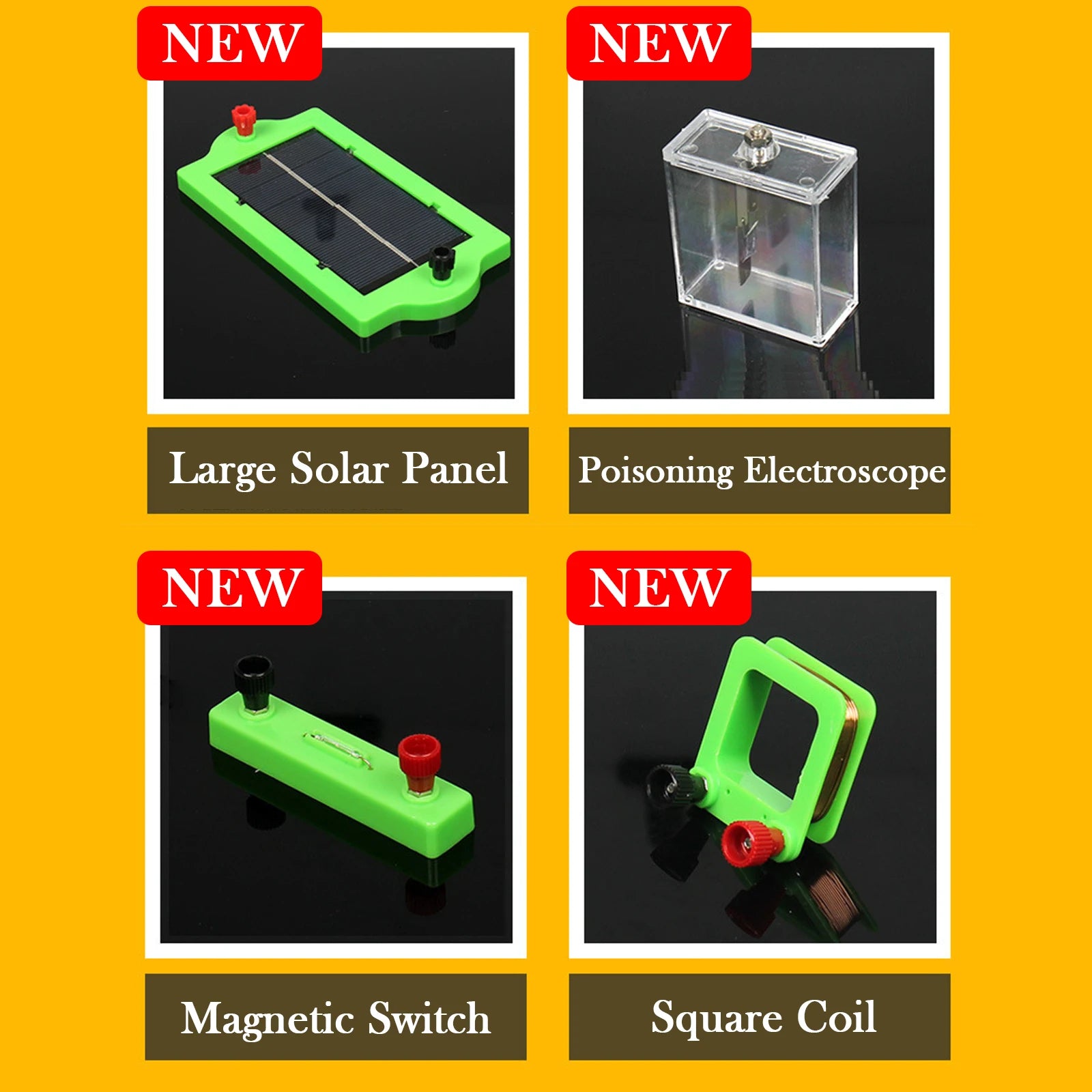
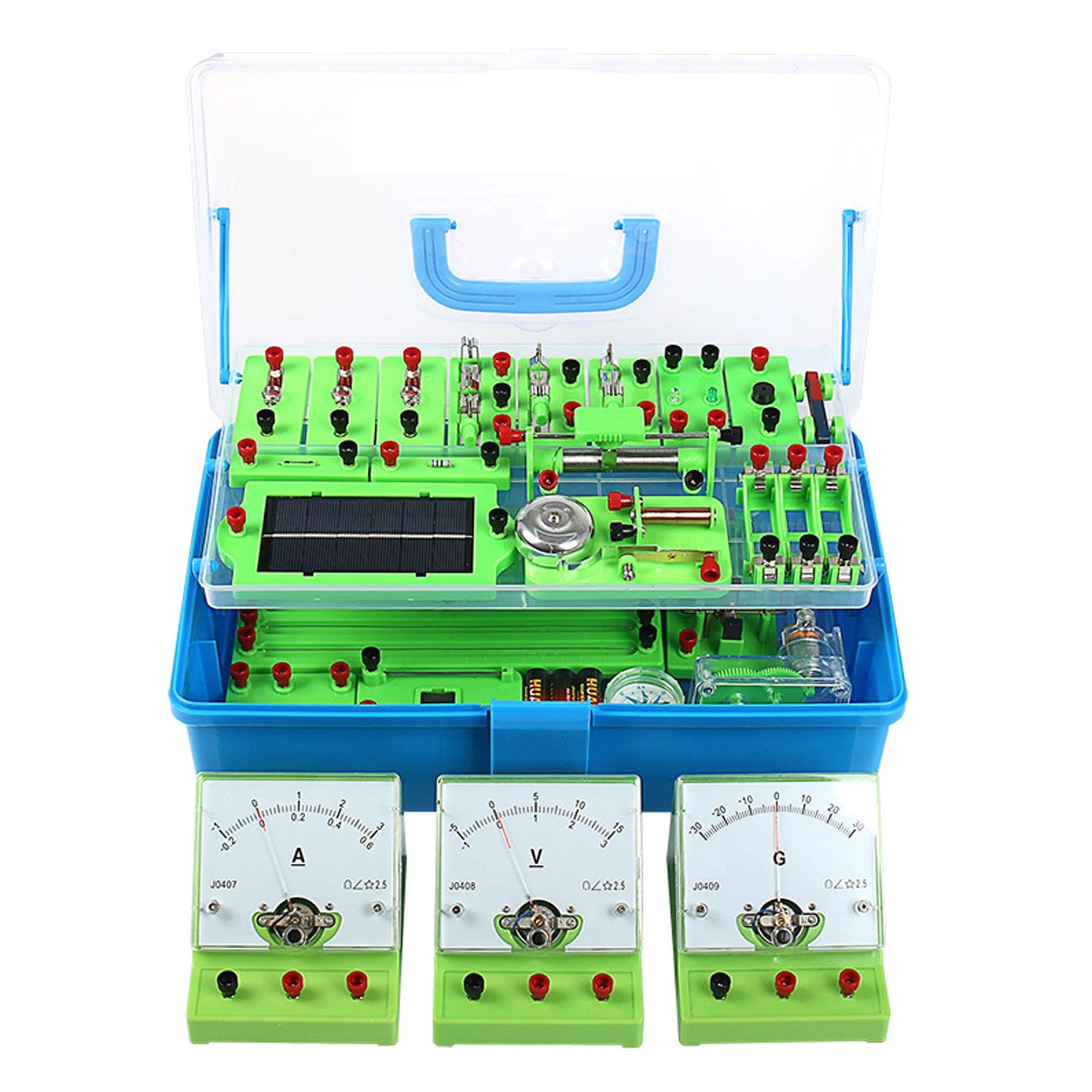
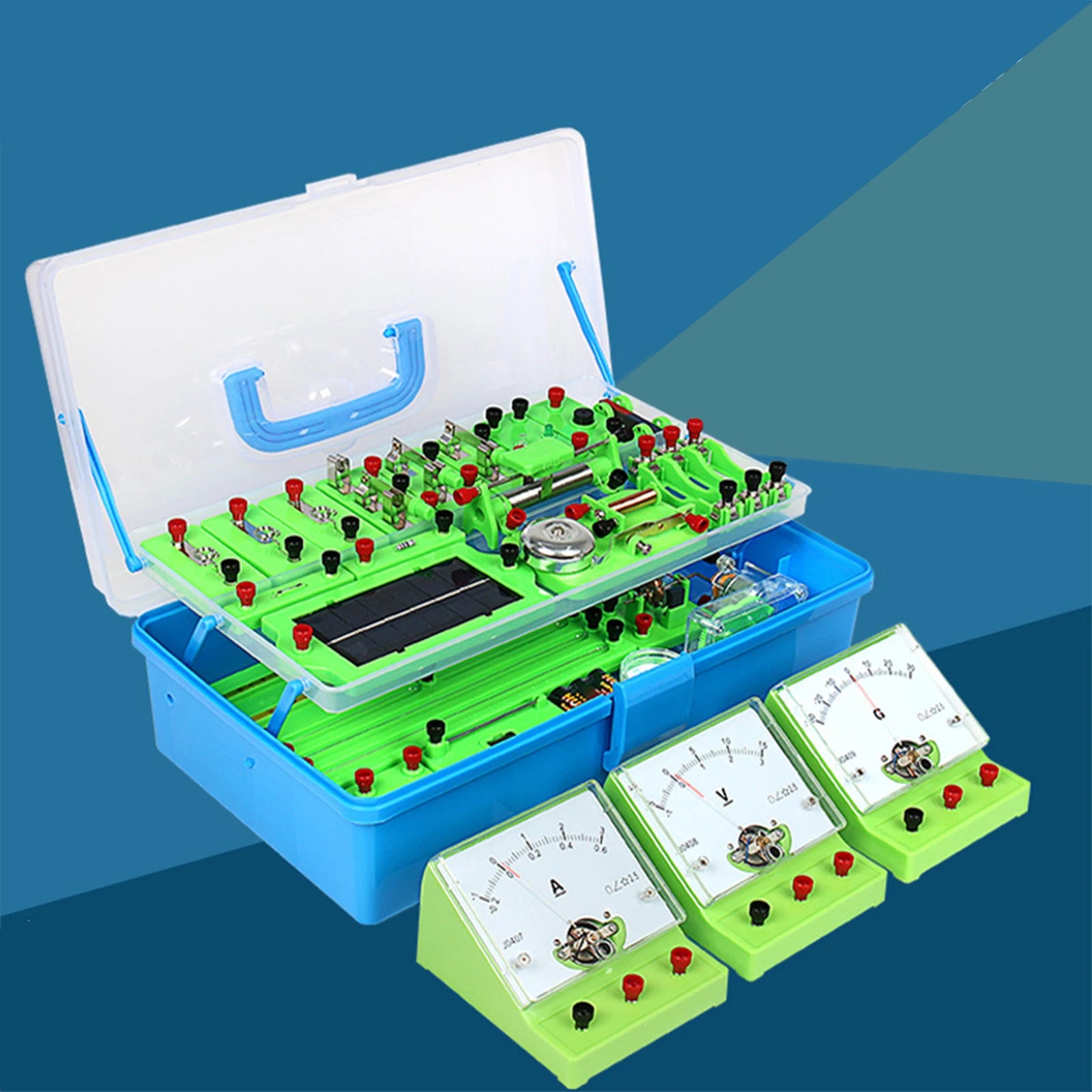
For example, the Electromagnetism Experiment Kit for Students – 40+ Lab Tools includes components like coils, voltmeters, ammeters, magnets, and small motors. These tools allow students to explore multiple physics concepts—from magnetic fields to energy transformation—through hands-on experiments.
Parents and teachers often combine experiments like this with educational resources from the Baby Growth & Learning collection or practical STEM tips from the Baby Growth & Learning Tips section.
Step-by-Step: How to Make an Electromagnet at Home
Step 1: Wrap the Copper Wire Around the Nail
Take the copper wire and wrap it tightly around the iron nail. Leave about two inches of wire free at both ends.
Make sure the loops are close together but not overlapping. The more loops you create, the stronger your electromagnet will be.
Step 2: Connect the Wire to the Battery
Strip a small section of insulation from both ends of the wire so the copper is exposed. Then attach one end of the wire to the positive terminal of the battery and the other end to the negative terminal.
This completes a simple electric circuit, allowing current to flow through the wire coil.
Step 3: Test Your Electromagnet
Bring the nail close to a pile of paperclips or small metal objects. If the circuit is working correctly, the nail should attract and lift them.
Disconnect the battery and you’ll see the magnetism disappear instantly.
How to Test the Strength of Your Electromagnet
Simple Paperclip Strength Test
A quick way to measure your electromagnet’s power is by counting how many paperclips it can lift.
Turn on the circuit and slowly add paperclips one at a time. Record how many the magnet can hold before they fall.
Compare Different Coil Sizes
You can repeat the experiment with different numbers of wire loops.
Try comparing:
- 10 loops of wire
- 25 loops of wire
- 50 loops of wire
This simple comparison shows how increasing the number of coils increases magnetic strength.
Why Your Electromagnet Might Not Work (Troubleshooting)
Loose Wire Connections
If the wire isn’t firmly touching the battery terminals, electricity cannot flow through the circuit. Make sure the connections are tight.
Insulated Wire Not Stripped
Copper wires are often coated with enamel or plastic insulation. If the ends are not stripped, current will be blocked.
Using the Wrong Core Metal
An iron nail works best because iron is a ferromagnetic material. Steel, aluminum, or other metals may not magnetize as effectively.
How to Make a Stronger Electromagnet
Add More Wire Coils
The easiest way to strengthen an electromagnet is to increase the number of loops around the nail. Each loop increases the magnetic field intensity.
Use a Larger Battery or Better Power Source
A stronger current produces a stronger magnetic field. Just be careful—higher currents can heat the wire quickly.
Use a Soft Iron Core
Soft iron amplifies the magnetic field generated by the coil. This is why most electromagnets use iron cores.
Students who want to explore stronger setups often use lab equipment such as coils, measurement meters, and circuit boards included in structured kits like the electromagnetism experiment kit. These tools allow more precise experiments involving voltage, current, and magnetic force.
The Simple Physics Behind Electromagnets
Electric Current and Magnetic Fields
The movement of electric charge creates a magnetic field. This is one of the fundamental principles of physics and is described mathematically by Ampere’s Law.
Lorentz Force and Moving Charges
The Lorentz Force explains how moving electrons interact with magnetic fields. When electric charges move through a conductor, they generate forces that influence nearby materials.
The Solenoid Effect
A solenoid is a coil of wire that produces a strong, uniform magnetic field when current flows through it. Your electromagnet is essentially a basic solenoid wrapped around an iron core.
How Electromagnetism Powers Real Technology
Electromagnets in Electric Motors
Electric motors rely on electromagnets to convert electrical energy into mechanical motion. By switching magnetic fields on and off in a sequence, the motor creates rotation.
Electromagnetism in Basic Circuits
Many electrical components depend on electromagnetic principles:
- Relays that switch circuits
- Inductors that store magnetic energy
- Transformers that change voltage levels
Why This Experiment Is Popular in STEM Education
This activity clearly demonstrates how electricity and magnetism interact. It is widely used in classrooms and STEM programs because it transforms abstract physics concepts into visible, hands-on learning.
Parents who enjoy hands-on science activities often pair experiments like this with educational tools or explore related resources such as the Health & Safety Tips or STEM-friendly gadgets found in the Smart Baby Gadgets collection.
Electromagnet Experiment Methods Comparison
| Experiment Method | Difficulty Level | Materials Needed | Learning Outcome |
| Basic Nail Electromagnet | Beginner | Nail, copper wire, battery | Understanding basic electromagnetism |
| Coil Strength Comparison | Beginner–Intermediate | Multiple coil sizes | Effect of wire loops on magnetic field |
| Circuit Measurement Experiment | Intermediate | Voltmeter, ammeter, coils | Relationship between voltage, current, and magnetic force |
Conclusion
Creating an electromagnet is one of the easiest and most fascinating science experiments you can try at home. With just a nail, copper wire, and a battery, you can instantly demonstrate how electricity creates magnetism.
This simple experiment introduces core physics concepts like electric current, magnetic fields, and solenoids—principles that power technologies ranging from electric motors to communication devices.
If you enjoy experimenting, try increasing the coil size, testing stronger batteries, or building small circuits to explore how electromagnetism behaves under different conditions.
For students and educators who want to expand beyond a single experiment, structured kits such as the Electromagnetism Experiment Kit provide the components needed to explore dozens of hands-on physics activities and bring STEM learning to life.
Pillar Article: Beginner Physics Experiment Kit Electricity: Best STEM Kits for Easy Circuits





