

How to Soothe Crying Newborn: 7 Quick Sleep Fixes
How can you soothe a crying newborn step by step?
How to soothe a crying newborn starts with meeting basic needs, then adding calming techniques like gentle holding, steady sounds, and predictable routines. Most newborns settle within minutes when caregivers respond early, use slow movements, and create familiar sleep cues that help regulate breathing, digestion, and sleep cycles.
How to Soothe a Crying Newborn Step by Step
⏱ 12 min read — If your newborn cries and nothing seems to work, you’re not alone. Many parents worry they’re missing something or doing it wrong. This guide walks you through clear, loving steps to calm your baby, reduce fussiness, and build confidence during those long days and nights.
Have you ever asked yourself, “Why won’t my baby stop crying even after feeding?” Keep reading — the answer is often simpler than it feels in the moment.

How to soothe a crying newborn using gentle routines and calming sounds 💡 See it in action
Why Newborns Cry So Much (And Why It’s Normal)
Crying is a newborn’s main way to communicate. In the first weeks, babies are adjusting to light, sound, digestion, and sleep cycles outside the womb. What feels overwhelming to parents is often a normal developmental phase.
- Hunger or growth spurts
- Overstimulation or fatigue
- Gas or immature digestion
- Need for comfort and closeness
Understanding this helps you respond calmly instead of feeling rushed or anxious.
How to Soothe a Crying Newborn Step by Step
How to soothe a crying newborn works best when you follow a predictable order: check basic needs, then move into calming actions. This reduces guesswork and helps babies feel secure.
- Pause and breathe. Your calm tone and slow movements matter.
- Check hunger and comfort. Feed, burp, or change diapers first.
- Hold close. Skin-to-skin or a secure cradle position often helps.
- Add gentle motion. Rocking or slow walking mimics womb movement.
- Introduce soothing sound. Soft, consistent audio signals safety.
Parents who use the same steps repeatedly often notice their baby settles faster each time.
For daily essentials that support these steps, explore Baby Care Essentials designed to simplify routines.
Why sound works so well
Newborns recognize rhythm and repetition. Consistent audio helps regulate heart rate and breathing, especially when paired with holding or feeding.
When Your Infant Is Hard to Put to Sleep
When an infant is hard to put to sleep, it’s usually not stubbornness — it’s overstimulation. Babies don’t know how to “power down” on their own.
How to soothe newborn sleep often means reducing input, not adding more.
- Dim lights 30 minutes before bedtime
- Limit handling from multiple people
- Use the same calming sound each night
- Place baby down drowsy, not fully asleep
Parents who use gentle lullabies for babies report fewer wake-ups and easier bedtime transitions.
Tools that support sleep cues can be found in Sleep & Comfort, where many families find solutions that grow with their baby.

How to soothe newborn sleep using consistent cues and calming nursery music 💡 See it in action
How to Soothe Newborn Gas Without Stress
How to soothe newborn gas starts with recognizing the signs: stiff legs, clenched fists, sudden crying after feeding. Gas discomfort peaks in the evening for many babies.
- Burp halfway and after feeds
- Keep baby upright for 15 minutes
- Use gentle tummy massage
- Pair with soft background sound to relax muscles
Parents often notice that combining physical comfort with sound shortens crying episodes.
For gentle relief options, browse Massage & Relaxation trusted by caregivers.
Using Sound and Routine to Calm Faster
Infant lullabies songs are more than background noise. Slow tempos and simple melodies help babies predict what comes next, which lowers stress.
When paired with a visual focal point, like a musical crib mobile, sound becomes a powerful sleep cue.
Musical Baby Crib Mobile integrates gentle lullabies for babies with steady motion, creating a familiar signal that it’s time to rest.
- Supports consistent newborn sleep routines
- Reduces reliance on constant rocking
- Helps babies self-settle over time
Many parents report calmer bedtimes within the first week of consistent use.
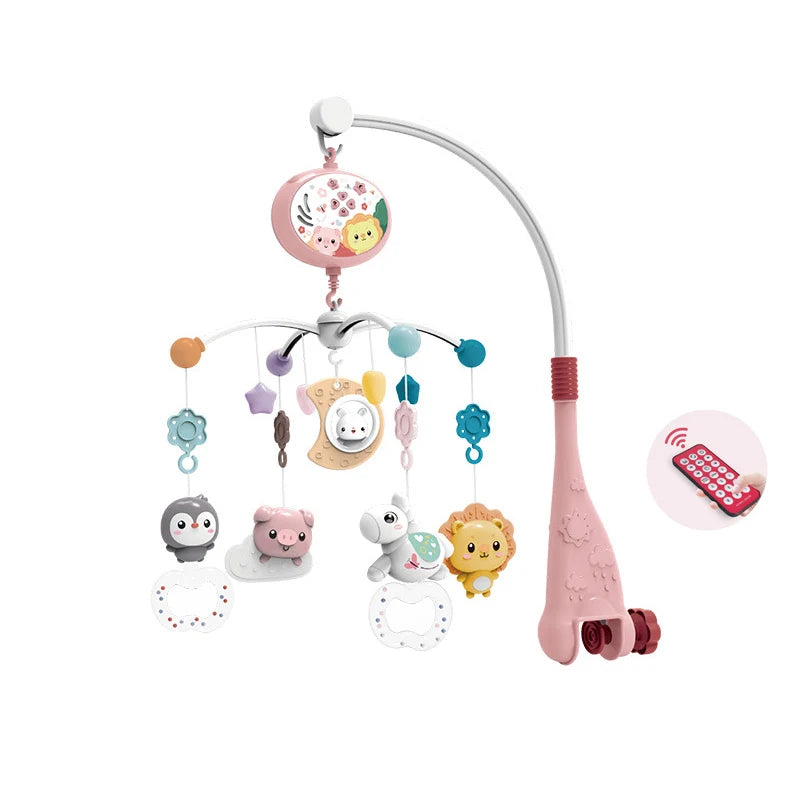
How to soothe a crying newborn with sleeping infant music and a familiar routine 💡 See it in action
Common Soothing Mistakes to Avoid
- Switching techniques too quickly
- Overstimulating with bright lights
- Waiting too long to respond
- Changing routines every night
Consistency builds trust. Babies learn faster when responses feel predictable.
Monitoring comfort and environment can also help. Some parents find peace of mind using tools from Monitoring Devices during naps and nighttime sleep.
Quick Parent FAQs
How long should I try one soothing method?
Give each method 1–2 minutes. If there’s no change, move calmly to the next step without rushing.
Is it okay to use sound every time my baby cries?
Yes. Consistent sound helps babies associate certain cues with safety and rest.
When should I talk to a pediatrician?
If crying is high-pitched, persistent, or paired with feeding refusal or fever, seek medical advice.





