

How to Stimulate Newborns With Simple Daily Play Routines
How do you stimulate newborns at home?
How to stimulate newborns starts with short, gentle daily interactions that engage sight, sound, touch, and movement. Simple routines like talking, eye contact, tummy time, and slow movement support newborn senses development, encourage infant sensory stimulation, and lay the foundation for early motor development in infants—no special tools required.
⏱ 7 min read
How to Stimulate Newborns With Simple Daily Play Routines
How to stimulate newborns is one of the most common questions new parents ask—often while feeling overwhelmed, sleep-deprived, and unsure if they’re “doing enough.” The truth is reassuring: newborn senses development thrives on small, loving moments repeated throughout the day. With simple routines built into feeding, changing, and cuddle time, you can support infant sensory stimulation and early motor development in infants without stress or expensive toys.
How to stimulate newborns through gentle play routines that support newborn senses development 💡 See it in action
Why Early Stimulation Matters More Than You Think
During the first weeks of life, your baby’s brain forms millions of new connections every second. Newborn senses development depends on consistent, gentle input—not intensity or duration.
- Supports healthy brain wiring
- Builds emotional security
- Encourages curiosity and awareness
- Strengthens parent–baby bonding
Many parents worry about overstimulation, but short, calm interactions spread throughout the day are exactly what infants need.
How to Stimulate Newborns Without Overwhelming Them
How to stimulate newborns effectively means following your baby’s cues and keeping interactions brief and loving. The goal is quality, not quantity.
How to stimulate newborns works best when activities are gentle, predictable, and woven into daily care routines. Talking during diaper changes, eye contact during feeds, and brief play after naps all support infant sensory stimulation naturally.
- Watch for engagement cues like relaxed limbs and focused eyes
- Stop if your baby turns away or stiffens
- Repeat favorite activities daily
- Keep sessions under 5 minutes
Daily Play Routines That Fit Real Life
You don’t need extra time—just intention. These routines support infant sensory stimulation while respecting your baby’s limits.
Morning: Wake-Up Connection
- Soft talking during diaper changes
- Eye contact while dressing
- Gentle stretches of arms and legs
Midday: Calm Exploration
- Tummy time on a soft surface
- Slow movement side to side
- Simple sounds like humming
Evening: Wind-Down Play
- Skin-to-skin cuddling
- Quiet storytelling
- Light baby massage
Many parents find these routines easier with supportive items from Baby Growth & Learning and Sleep & Comfort collections that blend into daily care.
Infant sensory stimulation through simple daily movement and touch 💡 See it in action
Simple Sensory Activities That Support Newborn Senses Development
Newborn senses development happens through repeated exposure to gentle sensory input.
Sight
- High-contrast objects
- Your face at close range
- Slow movement
Sound
- Parent voice
- Soft rattles
- Everyday household sounds
Touch
- Different fabric textures
- Warm hands during massage
- Skin-to-skin contact
Parents often explore simple tools from Sensory Toys that are designed specifically for infant sensory stimulation.
Encouraging Early Motor Development in Infants
Early motor development in infants begins long before crawling. Small movements build strength and coordination.
- Tummy time builds neck and shoulder strength
- Reaching encourages coordination
- Gentle bicycling of legs supports mobility
- Side-lying play improves balance
Short, frequent movement sessions are more effective than long workouts.
Helpful Tools That Make Play Easier
While everyday interaction is enough, the right tools can make routines smoother and more engaging.
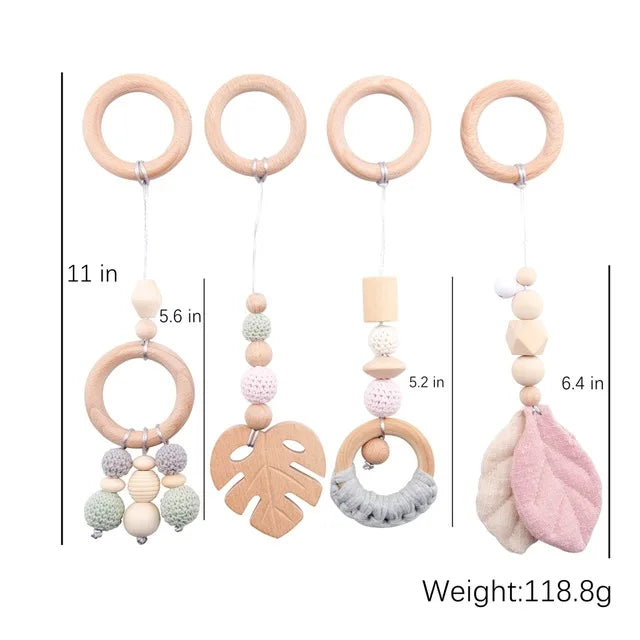
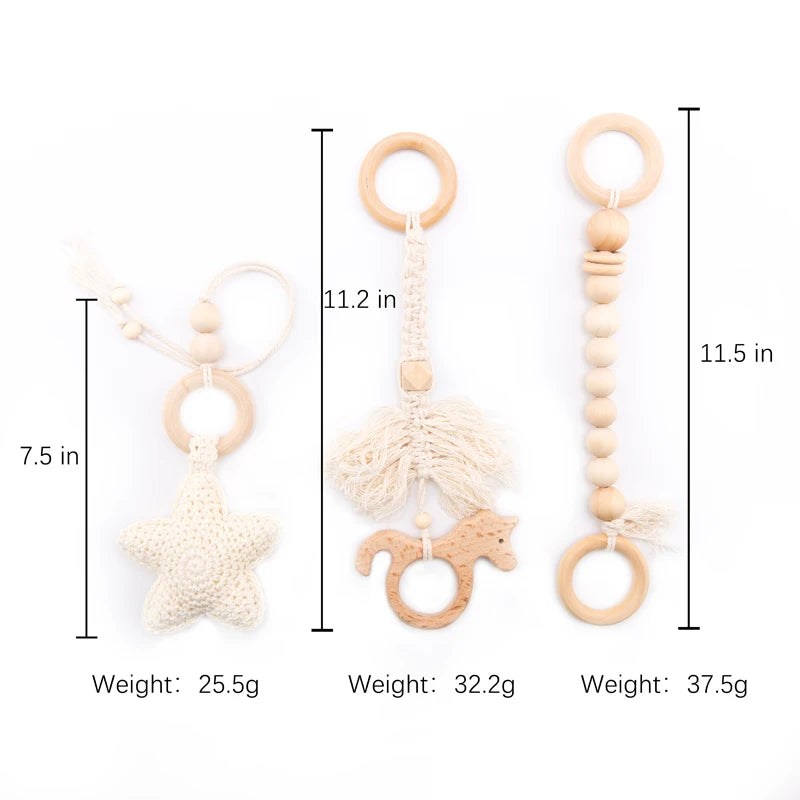
- Wooden rattles for grasping practice
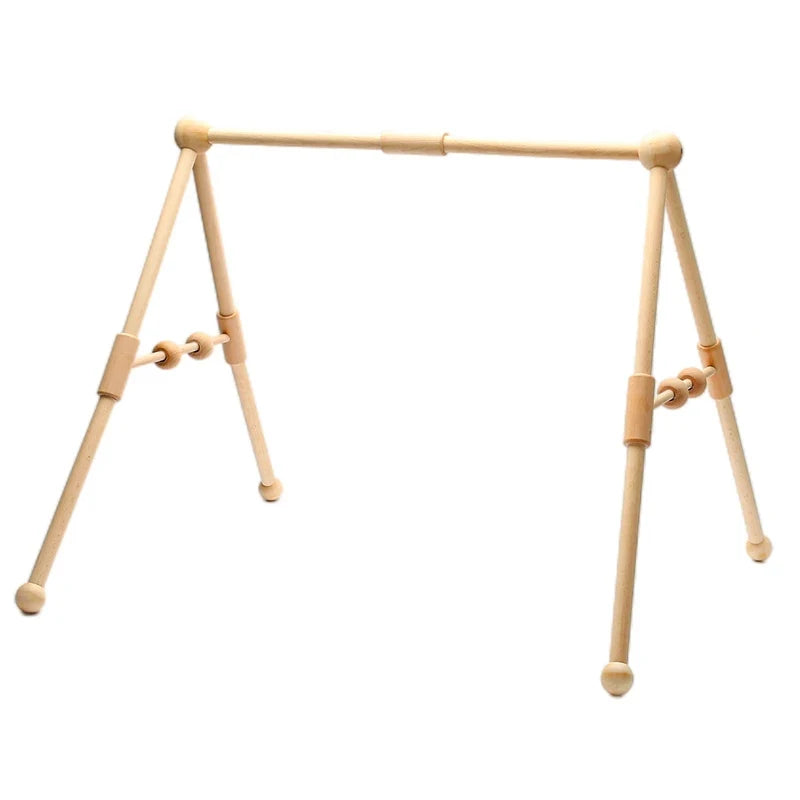
- Play gyms for safe exploration
- Soft mats for tummy time
The baby wooden rattle play gym supports how to stimulate newborns by combining visual, tactile, and movement-based play in one calm setup.
Many families pair this with items from Baby Care Essentials for a more organized daily routine.
Early motor development in infants through safe, simple play 💡 See it in action
Why These Routines Strengthen Parent–Baby Bonding
Beyond development, play builds trust. Babies learn that their needs are met through loving interaction.
- Improves emotional security
- Reduces parental anxiety
- Creates predictable rhythms
Parents consistently report feeling more confident when play feels simple and achievable.
Frequently Asked Questions
How often should I stimulate my newborn?
Short sessions after feeds or naps—about 3–5 minutes—several times a day are ideal. Follow your baby’s cues and stop if they seem tired.
Can newborns be overstimulated?
Yes. Turning away, fussiness, or stiff movements mean it’s time to pause. Calm, predictable routines help prevent overload.
Do I need toys to support infant sensory stimulation?
No. Your voice, touch, and movement are enough. Simple tools can help, but connection matters most.





