

How to Teach Infant to Walk Step by Step at Home
How can I teach my infant to walk safely at home?
How to teach infant to walk starts with gentle daily routines that build balance, leg strength, and confidence. Simple floor play, supported standing, and a stable walker push toy can encourage natural movement while respecting month motor skills. With patience and safety-first habits, most babies take their first steps when their bodies are ready.
How to Teach Infant to Walk Step by Step at Home
Wondering how to teach infant to walk without stress or pressure? You’re not alone. Many parents worry about doing too much—or too little. This guide shows you gentle, proven ways to support your baby’s confidence, match real month motor skills, and use simple tools like a walker push toy to encourage safe, joyful first steps.
⏱ 8 min read
Explore gentle, age-appropriate options in Baby Growth & Learning.
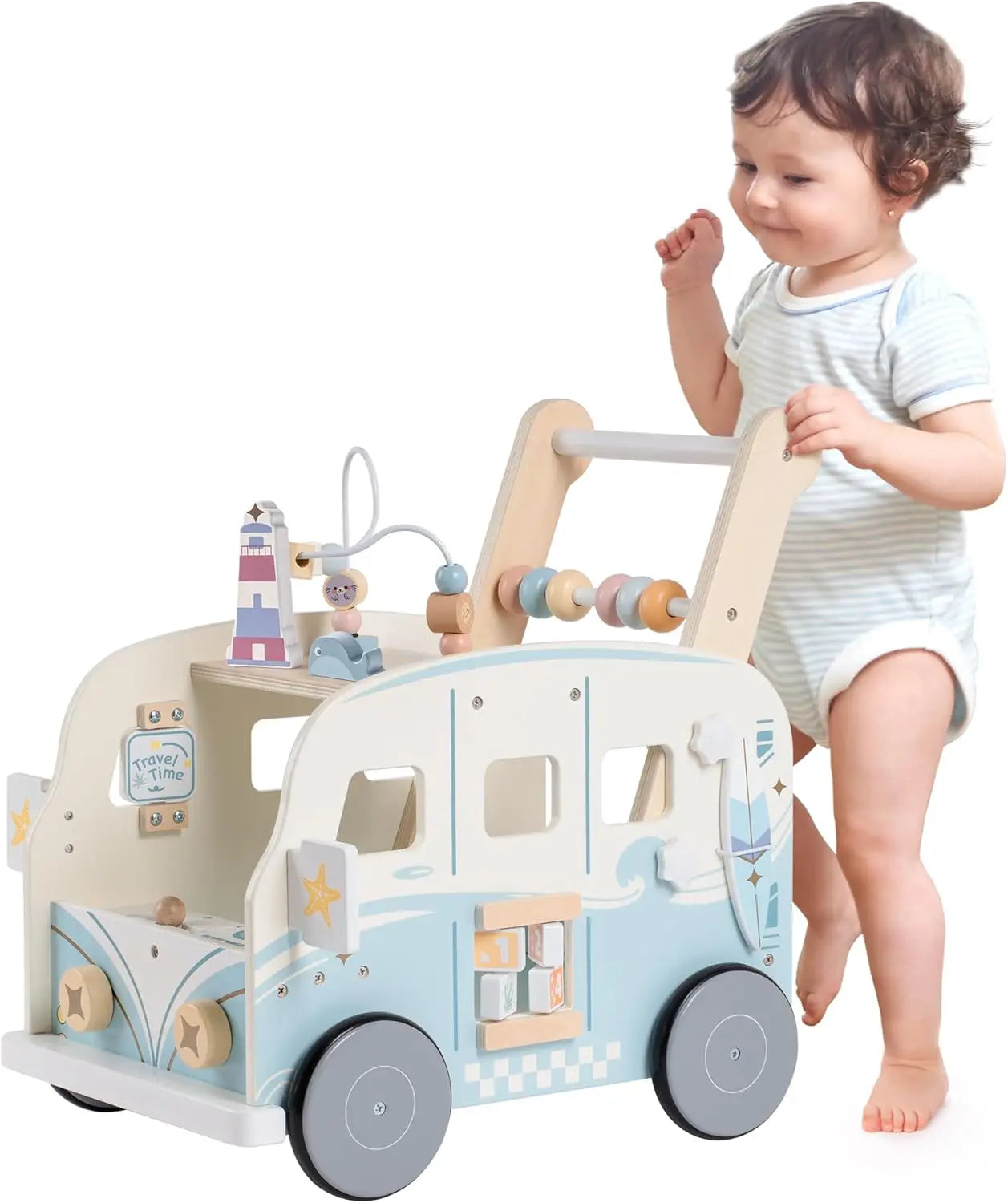
Building confidence through play supports how to teach infant to walk naturally 💡 See it in action
Why Learning to Walk Matters
Walking is more than a milestone—it’s a doorway to independence. When babies begin moving on their own, they explore, learn, and grow emotionally. Supporting your child through this phase helps strengthen muscles, improve coordination, and build confidence.
Parents often worry: “Am I doing this right?” The truth is, walking isn’t something you teach like a lesson. It’s something you gently support.
When Is Your Baby Ready?
Most babies begin showing signs between 8–12 months, but every child is unique. Some focus first on crawling, others prefer scooting or standing.
- Pulling up to stand
- Cruising along furniture
- Standing briefly without support
- Reaching for you while standing
These are strong indicators that their body is preparing for walking. This stage aligns with typical motor skills for 9 month old babies.
Step-by-Step: How to Teach Infant to Walk
How to teach infant to walk begins with short, daily moments of movement. Focus on supported standing, cruising, and safe exploration. Encourage your baby with smiles, soft words, and stable objects to hold. Keep sessions playful and pressure-free, respecting natural month motor skills and your baby’s pace.
- Encourage Floor Time: Let your baby move freely on a soft mat.
- Support Standing: Hold their hands or let them use furniture.
- Practice Cruising: Place toys slightly out of reach.
- Use a Stable Walker Push Toy: Helps with balance.
- Celebrate Efforts: Praise attempts, not just success.
Why Patience Works Better Than Pressure
Babies learn best when they feel safe. Pushing them to walk before they’re ready can lead to frustration. Gentle repetition builds confidence.
Browse our safe learning solutions in Mobility & Training.
Helpful Tools for Learning
Simple household items can support walking, but some tools are designed specifically for this stage.
| Tool | Benefit | Best For |
|---|---|---|
| Low Couch | Supports cruising | Early standing |
| Stable Chair | Pull-to-stand practice | Balance |
| Walker Push Toy | Encourages forward movement | Confidence |
Look for sturdy, wide-based designs that won’t tip easily. A well-designed walker push toy offers gentle resistance so babies learn to balance.
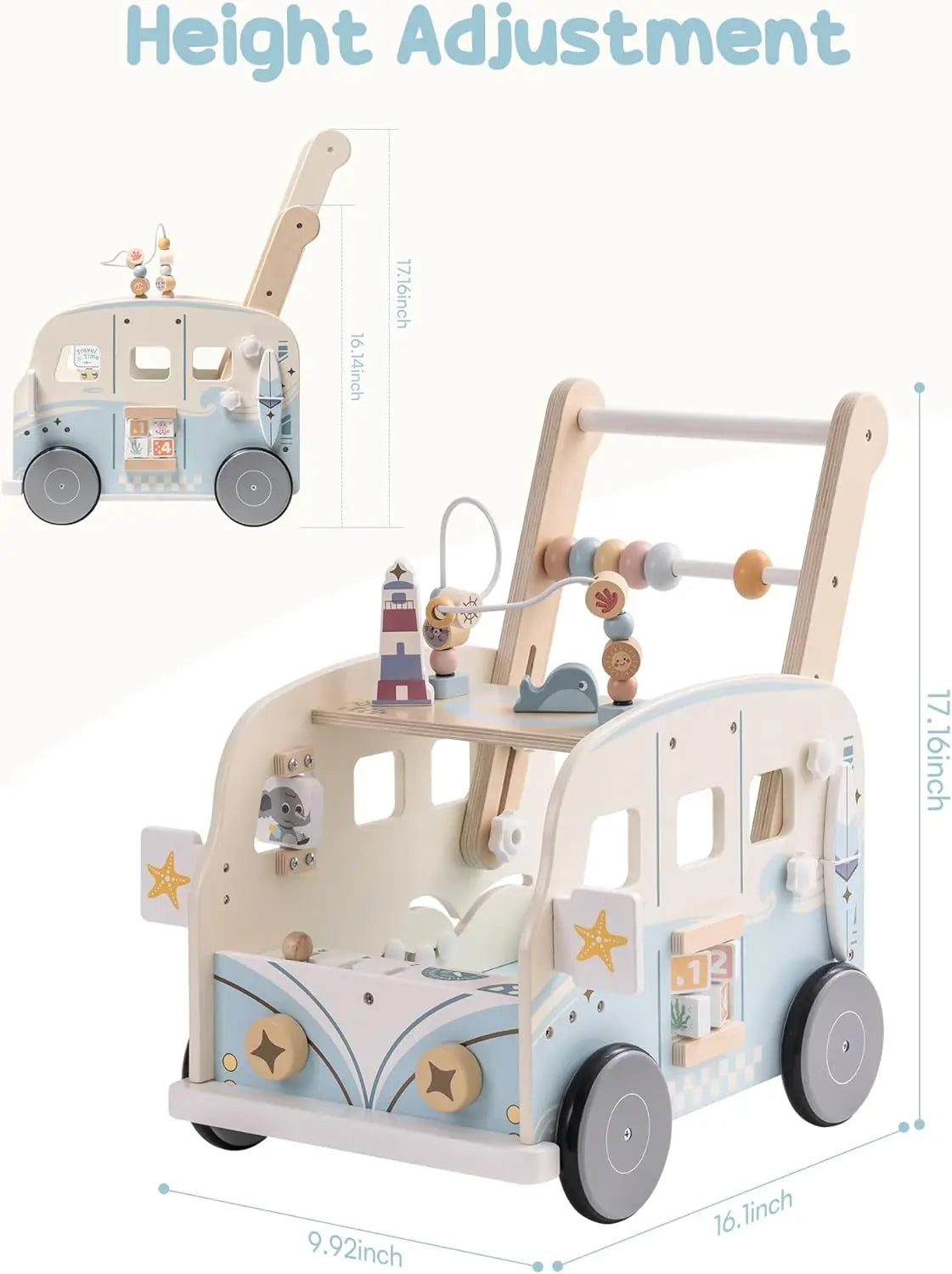
A walker push toy helps strengthen motor skills for 9 month old babies 💡 See it in action
Common Mistakes to Avoid
- Comparing your baby to others
- Forcing steps
- Using unsafe baby walkers
- Skipping floor play
Every baby follows their own rhythm. Respecting natural month motor skills prevents unnecessary stress.
Safety Tips for New Walkers
As soon as your baby becomes mobile, safety becomes critical.
- Use non-slip socks or barefoot time
- Cover sharp furniture edges
- Block stairs
- Supervise closely
Consider exploring trusted safety solutions in Health & Safety for peace of mind.
A Simple Daily Walking Routine
Short daily routines work best.
- Morning: Cruising along couch
- Afternoon: Push-toy play
- Evening: Gentle standing games
Consistency builds comfort and confidence.
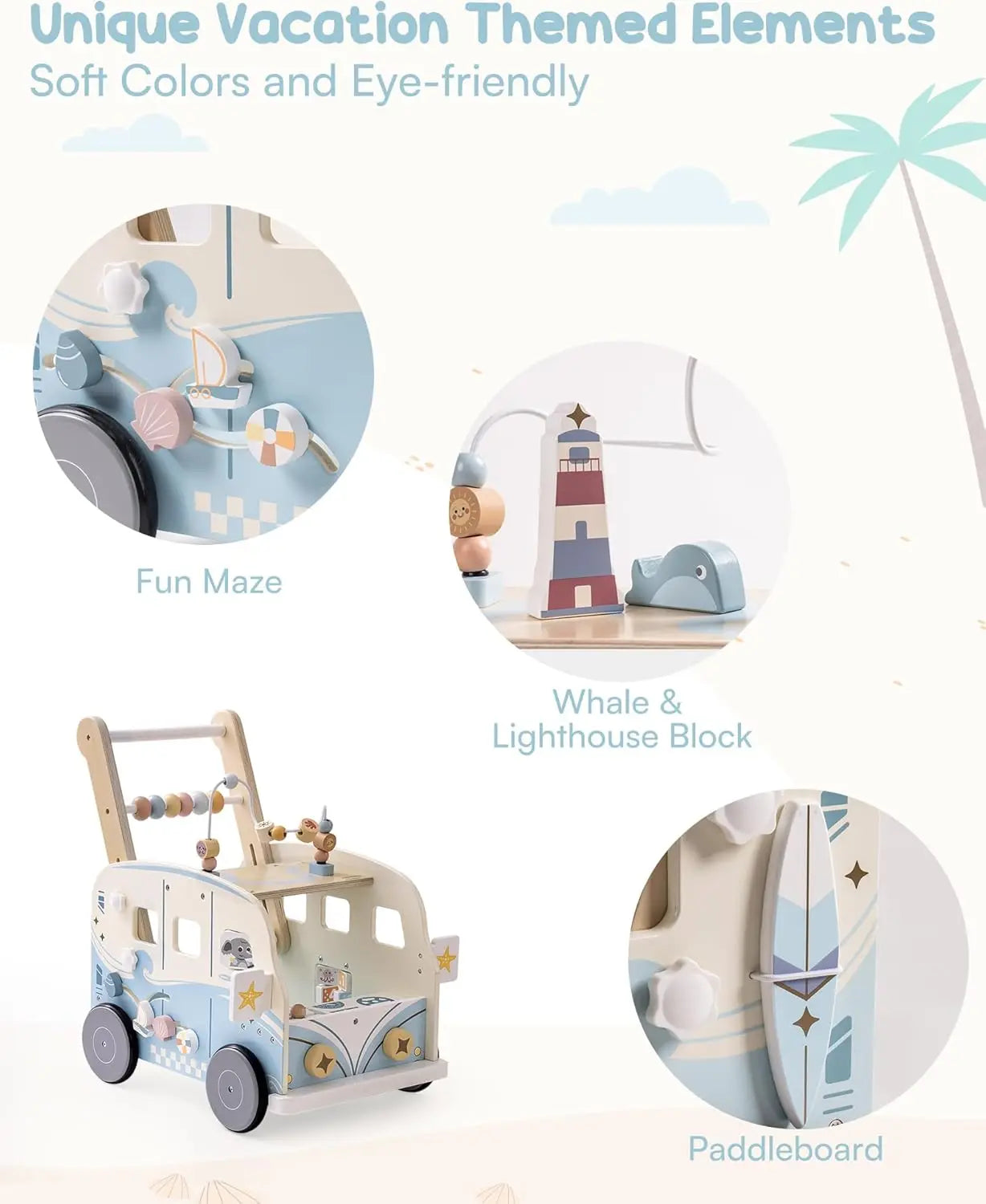
Simple routines make how to teach infant to walk easier 💡 See it in action
Find gentle tools in Baby Growth & Learning.
Mini FAQ
When should I start helping my baby walk?
When your baby begins pulling up, cruising, and standing with support, you can gently encourage walking.
Is a walker push toy safe?
Yes, when it’s stable, wide-based, and used under supervision.
How long does it take for babies to walk?
Some walk at 9 months, others closer to 15 months. Both are normal.





