

How to Teach Numbers Preschool With Simple Daily Steps
How can parents teach numbers to preschoolers at home?
How to teach numbers preschool children works best when learning happens through simple daily routines. By using hands on learning for preschoolers—like counting snacks, toys, and steps—children build number sense naturally. Short, playful moments repeated daily help preschoolers recognize numbers, count confidently, and enjoy early math without pressure.
How to Teach Numbers Preschool With Simple Daily Steps
Teaching numbers at home doesn’t require worksheets, strict schedules, or long lessons. Most preschoolers learn best when numbers show up naturally during play, meals, and everyday routines. This guide walks you through simple, hands-on ways to build preschool number skills step by step—without stress, tears, or overwhelm.
⏱ 7 min read
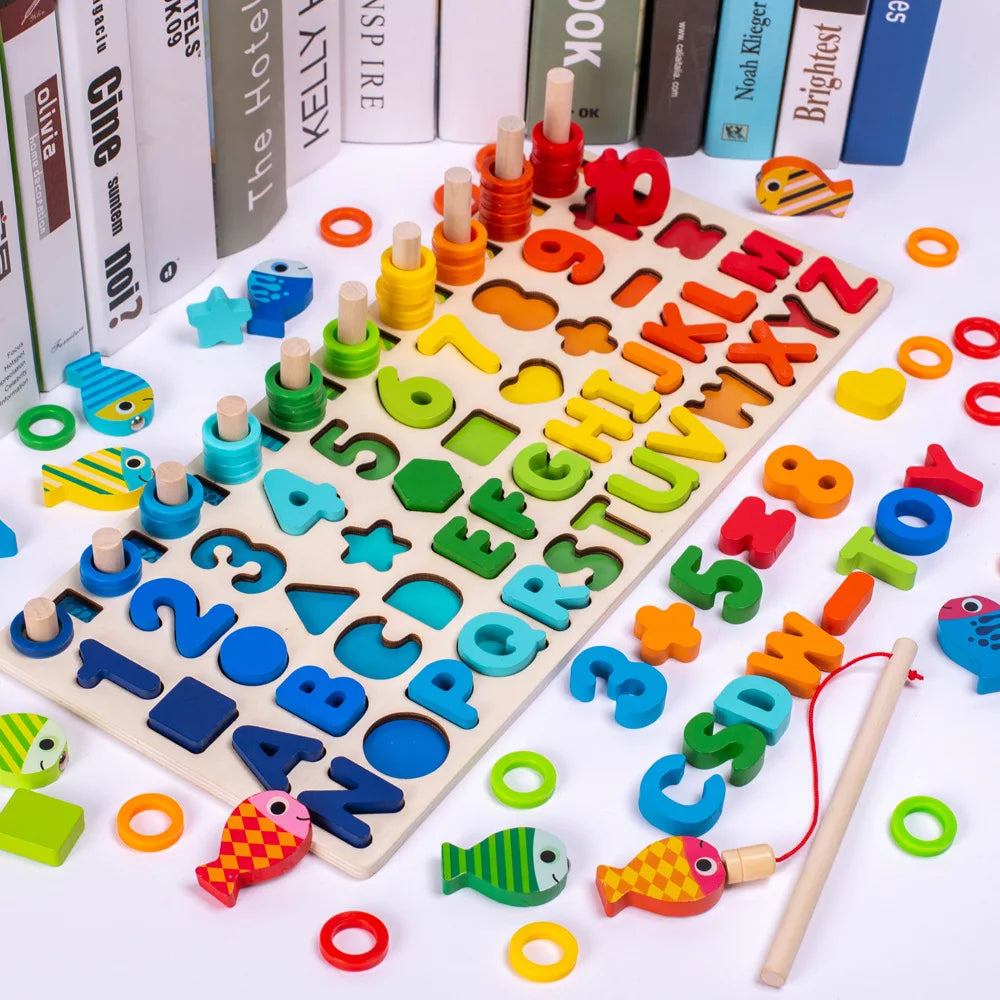
Hands on learning for preschoolers makes counting feel like play 💡 See it in action
Why Early Number Learning Matters More Than You Think
Preschool number skills aren’t about memorizing math facts. They’re about helping children understand quantity, order, and relationships. When kids recognize numbers in real life, they gain confidence that supports learning later in school.
- Builds problem-solving skills early
- Supports language and memory development
- Creates positive feelings toward math
- Strengthens focus and patience
Children who experience hands on learning math often show stronger understanding than those who rely only on verbal instruction.
How to Teach Numbers Preschool Children Step by Step
How to teach numbers preschool kids successfully starts with consistency, not complexity. Short daily moments help children connect numbers to real objects they can see and touch.
- Start with counting real items (toys, snacks, steps)
- Repeat numbers during daily routines
- Use movement, touch, and play
- Celebrate effort, not perfection
Parents often notice progress within weeks when numbers appear naturally throughout the day.
Hands On Learning Math That Preschoolers Actually Enjoy
Hands on learning for preschoolers allows kids to physically interact with numbers. This approach reduces frustration and helps abstract ideas feel real.
Counting With Toys
Ask your child to count blocks, cars, or dolls as they play. Rearranging objects helps reinforce number order.
Snack-Time Math
Crackers, fruit slices, or cereal pieces are perfect for counting. Ask questions like, “How many do you have now?”
Movement-Based Counting
Jumping, clapping, or stepping while counting keeps active preschoolers engaged and focused.
Pairing these activities with tools from Baby Growth & Learning can help reinforce number recognition during play.
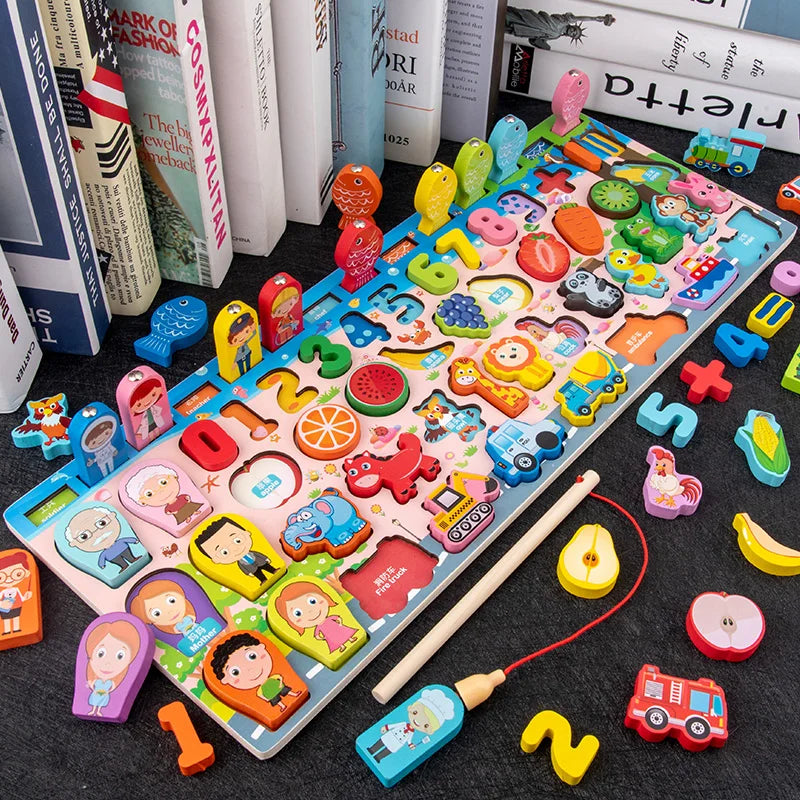
Hands on learning math builds confidence through play 💡 See it in action
Using Daily Routines to Teach Numbers Without Extra Time
You don’t need to “add” learning time to your day. Numbers already exist everywhere.
- Count stairs while walking
- Count toys during cleanup
- Count plates at the table
- Count bubbles during bath time
Routine-based learning works especially well for busy parents juggling multiple responsibilities.
Z Preschool Activities That Spark Curiosity
Z preschool activities focus on exploration, curiosity, and independence. These activities let children discover numbers instead of being told.
Number Hunts
Hide number cards around the room and ask your child to find them in order.
Sorting Games
Group objects by quantity, color, or size while counting aloud together.
Building Towers
Challenge your child to build towers with a specific number of blocks.
Adding tactile tools from Sensory Toys helps children stay engaged longer.
Common Mistakes Parents Make When Teaching Numbers
- Expecting long attention spans
- Correcting mistakes too quickly
- Relying only on verbal counting
- Comparing progress to other children
Learning should feel safe, playful, and pressure-free.
Tools That Support Early Math Learning at Home
While everyday items work well, thoughtfully designed learning tools can speed progress. Simple manipulatives allow children to explore numbers independently.
A wooden counting set, for example, encourages sorting, stacking, and sequencing while reinforcing number recognition. These tools fit naturally into playtime without overwhelming children.
Parents often pair math activities with calming routines supported by Sleep & Comfort to maintain balance throughout the day.
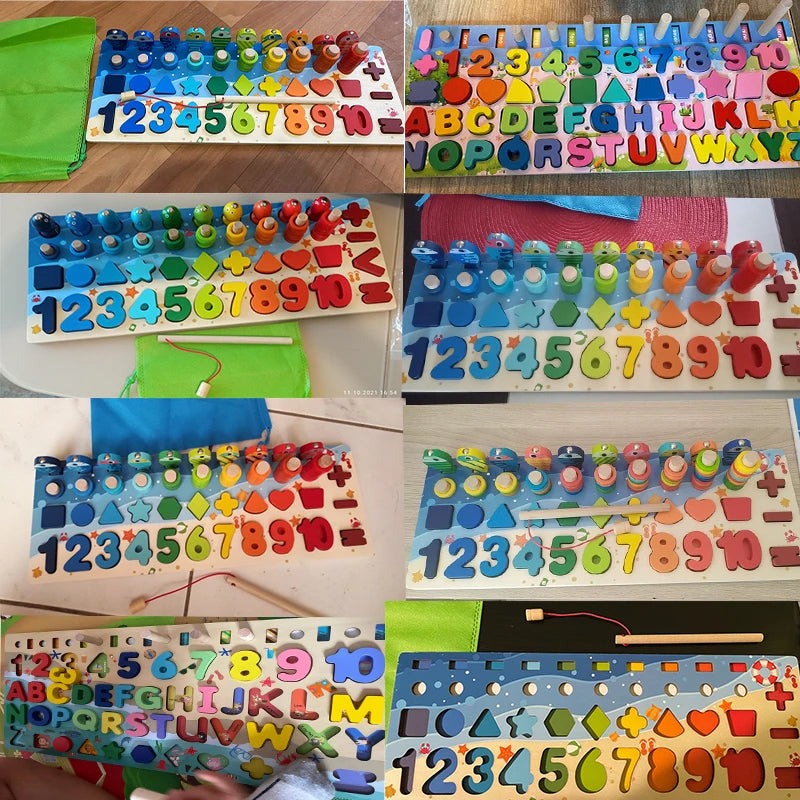
How to teach numbers preschool through daily play 💡 See it in action
Mini FAQ
At what age should preschoolers start learning numbers?
Most children begin recognizing numbers between ages two and four. Readiness depends on interest, not age.
How long should number activities last?
Five to ten minutes is often enough. Short, frequent exposure works better than long lessons.
What if my child isn’t interested in counting?
Follow their interests. Incorporate numbers into activities they already enjoy.
Do parents need special training to teach numbers?
No. Everyday interactions and hands on learning for preschoolers are more effective than formal lessons.





