

How to Use Insulated Pockets to Keep Bottles Ready
Do diaper backpack insulated pockets really keep bottles warm or cold on busy days?
Diaper backpack insulated pockets are designed to hold bottle temperature for hours by using thick thermal lining that slows heat transfer. When used correctly, they keep milk warm or formula cool during errands, travel, and outdoor outings, making feeding faster, safer, and far more convenient for parents on the move.
How to Use Insulated Pockets to Keep Bottles Ready
⏱ 6 min read — Diaper backpack insulated pockets make feeding on busy days effortless by keeping bottles warm or cool for hours while you move. Instead of digging through clutter, smart temperature-controlled storage improves diaper bag organization and turns any insulated diaper bag backpack into a mobile feeding station. Parents are often surprised how long milk stays fresh, even during long outings — but are you using these pockets the most effective way?
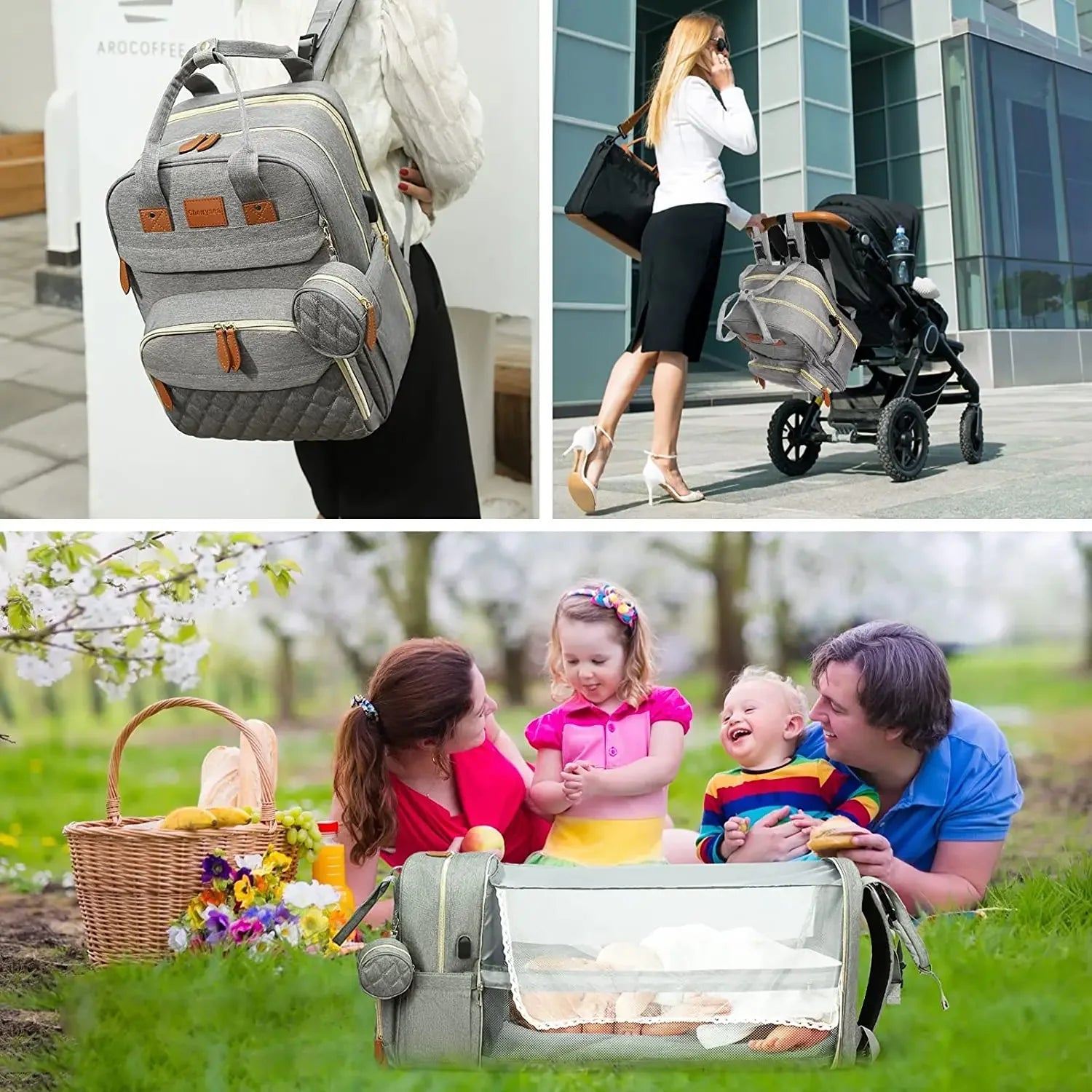
Diaper backpack insulated pockets keep bottles perfectly ready — 💡 See it in action
If you’ve ever reached into your diaper bag only to find a lukewarm bottle or a cold feeding disaster, you’re not alone. Many parents carry insulated pockets but don’t use them in ways that actually preserve temperature. The good news? With a few simple techniques, your insulated diaper bag backpack can keep bottles ready wherever life takes you.
Which feeding routine fits your family best — warm milk on demand or safely chilled storage for long outings? Read on!
Why Insulated Pockets Make Every Outing Easier
Modern parenting is mobile. From pediatric appointments to park playdates, babies still need consistent feeding times. Diaper backpack insulated pockets act like portable temperature shields, preventing heat loss and slowing warming from outside air.
- Reduce rushed feeding stress
- Protect milk freshness longer
- Improve overall diaper bag organization
- Turn your bag into a feeding hub
Parents pairing insulated pockets with items from Feeding & Nursing often report smoother feeding routines during travel and errands.
How Do Diaper Backpack Insulated Pockets Control Bottle Temperature?
Diaper backpack insulated pockets use thick thermal lining that slows heat exchange between bottles and outside air. This helps warm liquids stay warm and cold liquids stay cool for extended periods, especially when pockets are zipped fully and bottles are pre-conditioned to the right temperature before storage.
Why they outperform regular bottle sleeves
| Feature | Insulated Pockets | Standard Pouch |
|---|---|---|
| Thermal lining | ✔ Thick multilayer insulation | ✖ Thin fabric |
| Temperature hold | 2–4+ hours | 30–60 minutes |
| Organization | Built-in storage system | Loose inside bag |
For even better results, many families combine insulated pockets with tools from Bottle Warmers or temperature tracking from Temperature Tools.
Step-by-Step: Using Insulated Pockets the Right Way
- Pre-warm or pre-chill bottles to feeding-safe temperature
- Seal bottles tightly to avoid leaks
- Place upright inside insulated pockets
- Zip pockets fully for maximum insulation
- Limit opening to preserve temperature
This simple routine can double how long milk stays usable during long outings.
Smarter Diaper Bag Organization for Faster Feeding
Temperature control works best when paired with smart layout. A cluttered bag lets heat escape faster and slows feeding when baby is hungry.
- Keep bottles in insulated pockets only
- Store formula or snacks in separate compartments
- Use wipes and diapers in quick-access areas
- Reserve top pockets for feeding essentials
Parents often combine insulated storage with practical tools from Baby Care Essentials and Feeding Tools to create efficient grab-and-go routines.
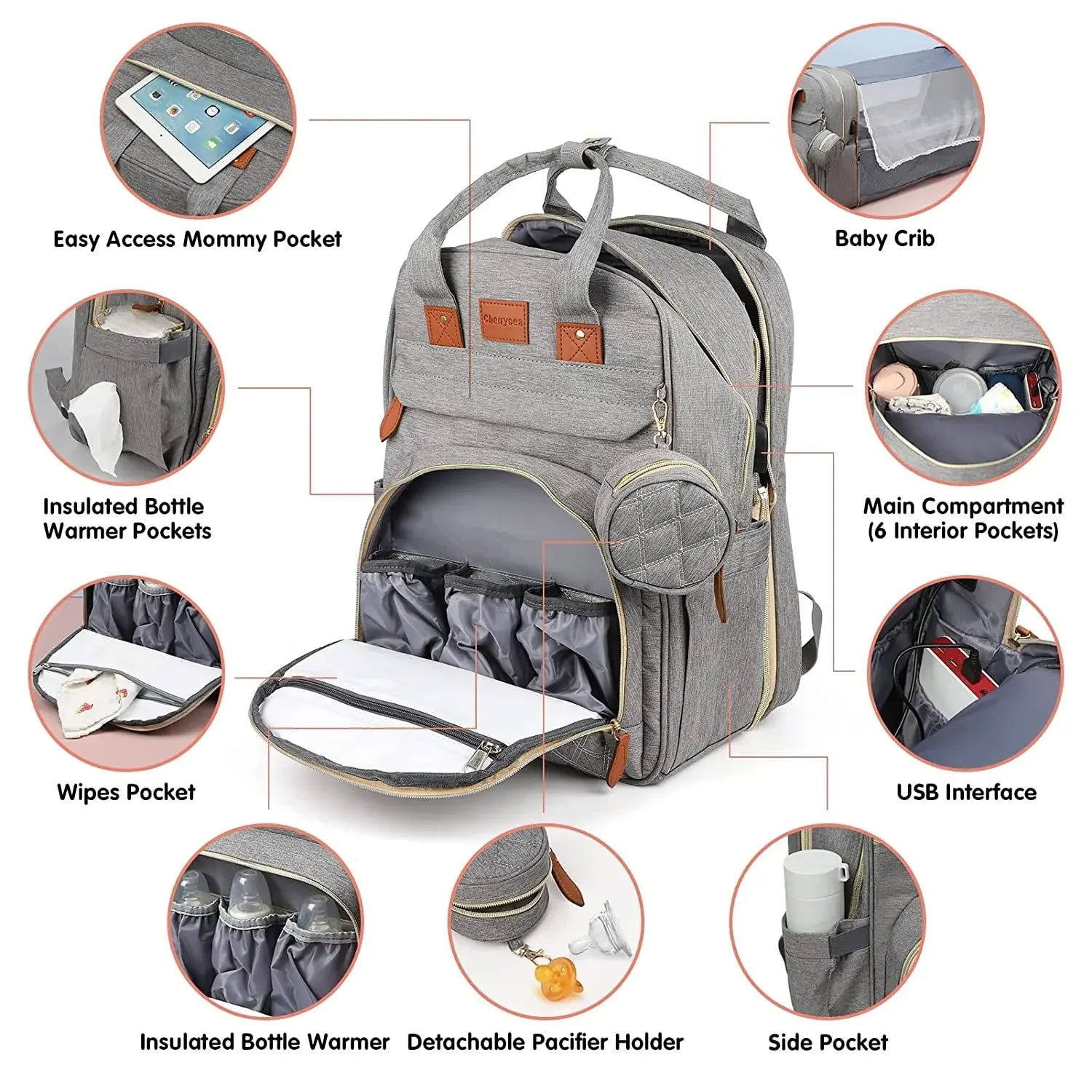
Insulated diaper bag backpack keeps feeding simple anywhere — 💡 See it in action
When everything has a place, feeding becomes smoother and stress drops instantly — especially during travel or crowded outings.
Real Parent Results & Everyday Wins
Parents using well-designed insulated pockets consistently share similar outcomes:
- Milk staying warm for 3+ hours during errands
- No more emergency reheating stops
- Cleaner, spill-free feeding routines
- Less crying from delayed feedings
One mom shared: “I stopped worrying about timing outings around feedings — bottles stay ready no matter where we go.”
Another parent reported fewer formula waste incidents thanks to better temperature control on hot days.
Mistakes That Reduce Temperature Control
Even the best insulated pockets can underperform if used incorrectly.
- Placing room-temperature bottles inside
- Leaving pockets unzipped
- Overcrowding insulated sections
- Frequent opening and closing
Avoiding these habits can dramatically improve how long bottles remain usable.
For longer trips, pairing insulated pockets with hygiene tools from Sterilization Devices helps maintain feeding safety on the go.
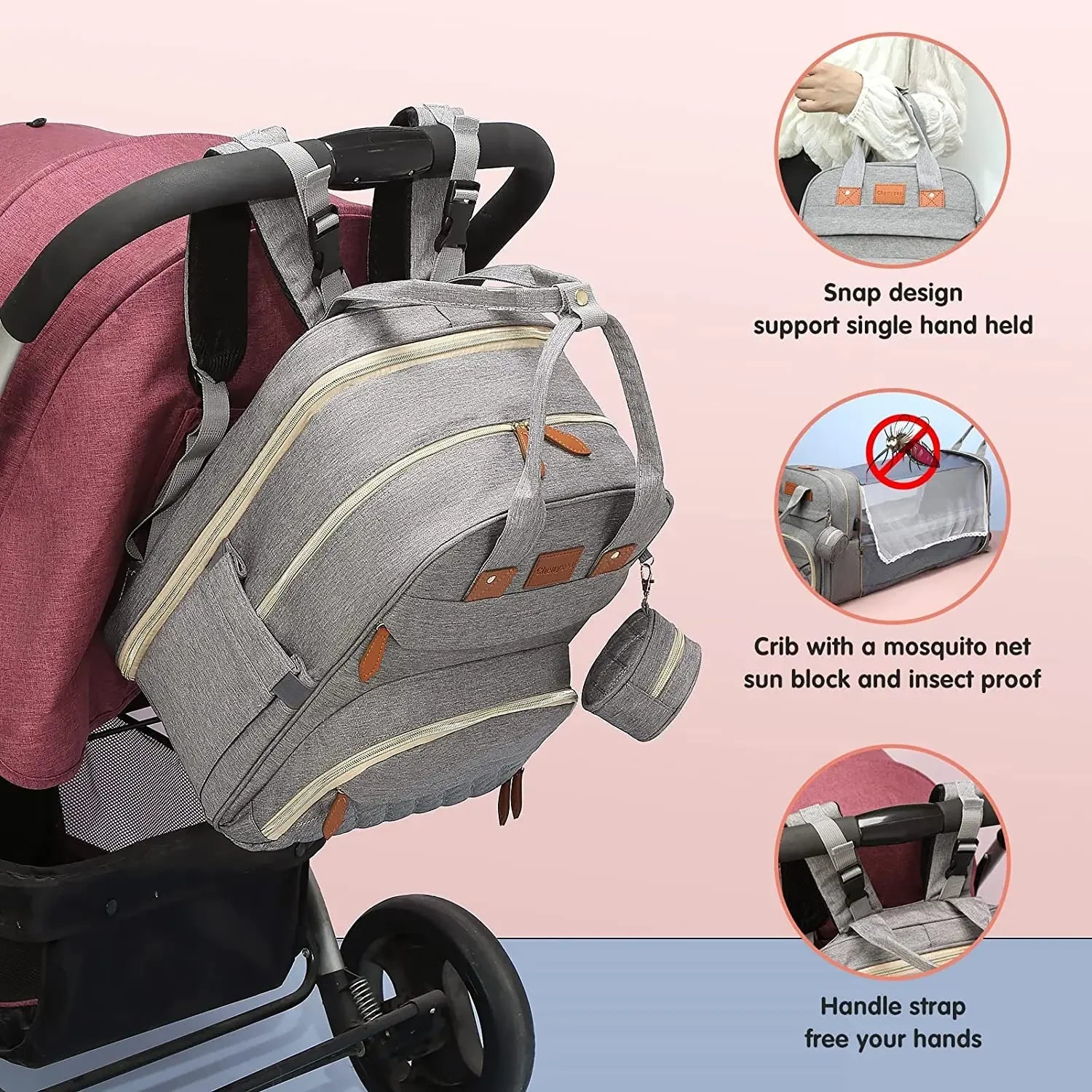
Diaper backpack insulated pockets for mess-free feeding anywhere — 💡 See it in action
Many parents find that investing in a well-designed bag like this diaper bag backpack instantly upgrades their daily routine by keeping bottles protected, organized, and ready whenever baby needs them.
Quick FAQ
How long do insulated pockets keep bottles warm or cold?
Most high-quality insulated pockets maintain temperature for 2 to 4 hours depending on outside conditions and how often they’re opened.
Can I store breast milk safely in insulated pockets?
Yes. When paired with proper cooling packs or pre-chilled bottles, insulated pockets help preserve milk freshness during short outings.
Should bottles be upright inside insulated compartments?
Always. Upright storage prevents leaks and ensures even temperature retention.
With the right setup, diaper backpack insulated pockets transform everyday outings into smooth, stress-free feeding experiences — letting you focus on moments that matter instead of managing messes and meltdowns.
Related Guide: How to Pack a Diaper Bag for Stress-Free Outings





