

Imaginative Play for Children Who Need Structure and Creativity
What is imaginative play for children?
Imaginative play for children helps kids explore ideas, emotions, and routines through pretend worlds with gentle structure. By using familiar roles, clear settings, and creative tools, children gain confidence, flexibility, and focus. These experiences support learning, emotional growth, and problem-solving while still feeling playful and safe.
Imaginative Play for Children Who Need Structure and Creativity
Imaginative play for children isn’t just about fun, it’s a powerful way to blend structure with creativity. When kids follow gentle rules inside pretend worlds, they build focus, confidence, and flexible thinking at the same time. From imaginative play activities for preschoolers to thoughtfully designed miniature dollhouse furniture sets, the benefits of pretend play go far beyond entertainment. What if the right kind of play could actually make routines easier and creativity stronger?
⏱ 8 min read
Which kind of play actually helps children who crave routines but love to imagine? Let’s explore how thoughtful pretend play can meet both needs at once.
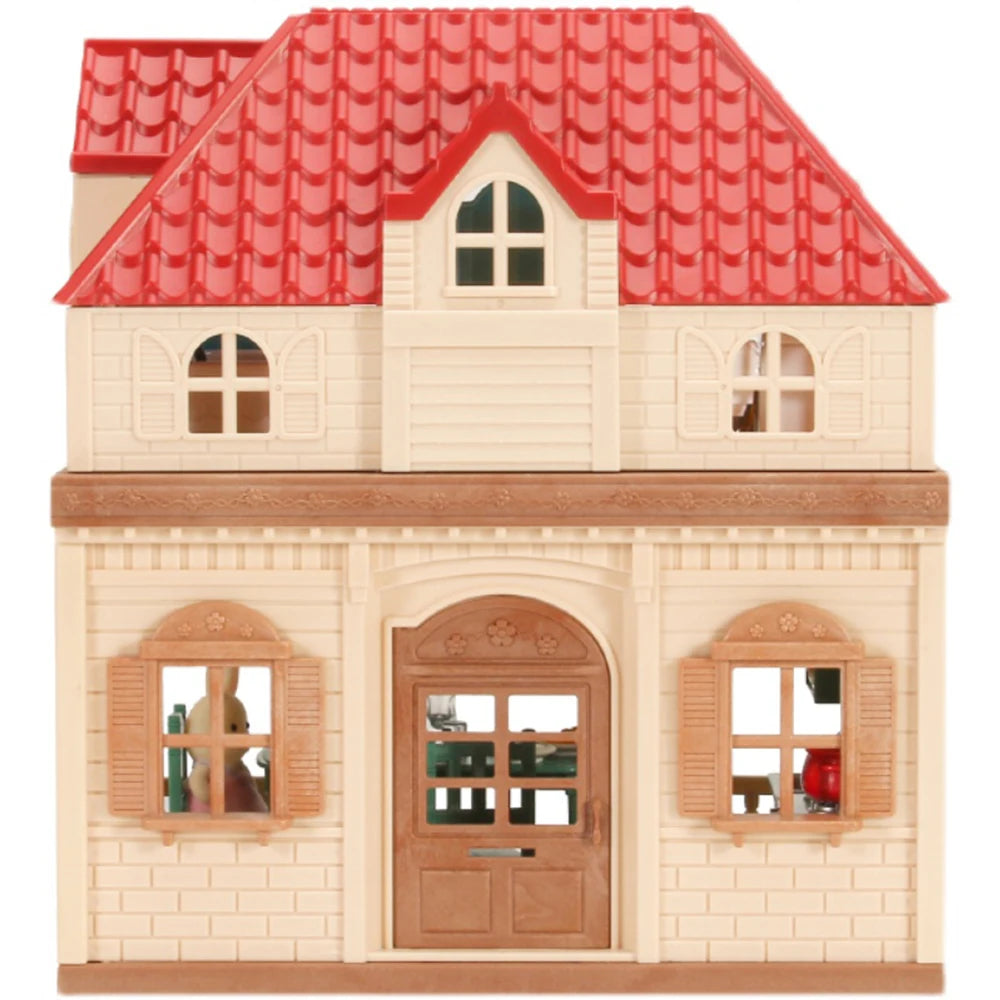
Imaginative play for children begins with familiar scenes that invite creativity 💡 See it in action
Why Structure Helps Creative Play Thrive
Imaginative play for children works best when kids feel safe and grounded. Structure gives them a clear starting point, while creativity lets them explore freely within it. This balance is especially helpful for children who feel overwhelmed by open-ended play or sudden changes.
- Clear roles reduce anxiety and decision fatigue
- Repeating familiar scenarios builds confidence
- Predictable settings support focus and attention
- Creative freedom still lives inside the rules
Parents often notice that children who resist chaotic play open up when pretend worlds feel organized and familiar.
Benefits of Pretend Play for Growing Minds
Imaginative play for children supports emotional growth, language skills, and problem-solving. When kids act out everyday moments, they process feelings and practice decision-making in a low-pressure way.
The benefits of pretend play include:
- Stronger communication and storytelling skills
- Improved emotional regulation
- Greater independence and confidence
- Early understanding of social roles
These moments may look simple, but they quietly support early childhood development.
Imaginative Play Activities for Preschoolers That Feel Comforting
Imaginative play activities for preschoolers work best when they mirror real life. Children love reenacting scenes they recognize, like family routines or quiet adventures.
- Setting up a small “home” scene with figures
- Acting out bedtime or mealtime routines
- Creating simple stories with a beginning and end
- Using gentle prompts instead of instructions
For families exploring early learning tools, curated options inside Baby Growth & Learning often support calm, focused play experiences.
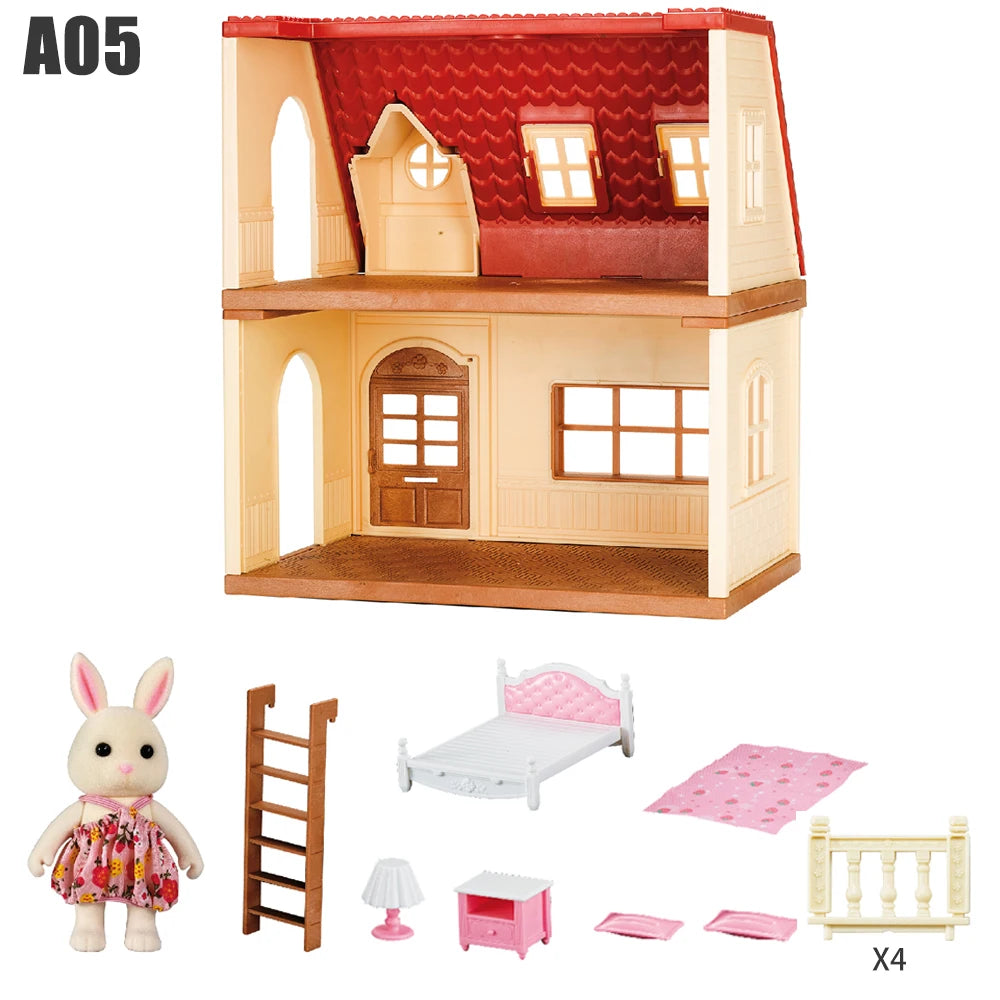
Imaginative play activities for preschoolers encourage storytelling and routine-building 💡 See it in action
How Miniature Dollhouse Furniture Sets Support Learning
Miniature dollhouse furniture sets offer a perfect blend of structure and creativity. Each piece has a purpose, yet children decide how the story unfolds.
These sets help children:
- Understand spatial relationships
- Practice sequencing daily activities
- Feel in control of their environment
- Explore emotions through characters
Thoughtfully designed sets like the Forest Family Dollhouse Furniture Set feel familiar, calming, and endlessly reusable.
Parents often pair imaginative toys with sensory-friendly options from Sensory Toys to create a balanced play space.
Turning Daily Routines Into Playful Learning Moments
Children who need structure often thrive when routines feel playful rather than rigid. Pretend play lets kids rehearse daily activities before they happen.
Examples include:
- Practicing bedtime with dollhouse figures
- Reenacting morning routines calmly
- Exploring emotions through pretend conversations
- Preparing for changes in a safe way
This approach often reduces resistance and builds emotional readiness.
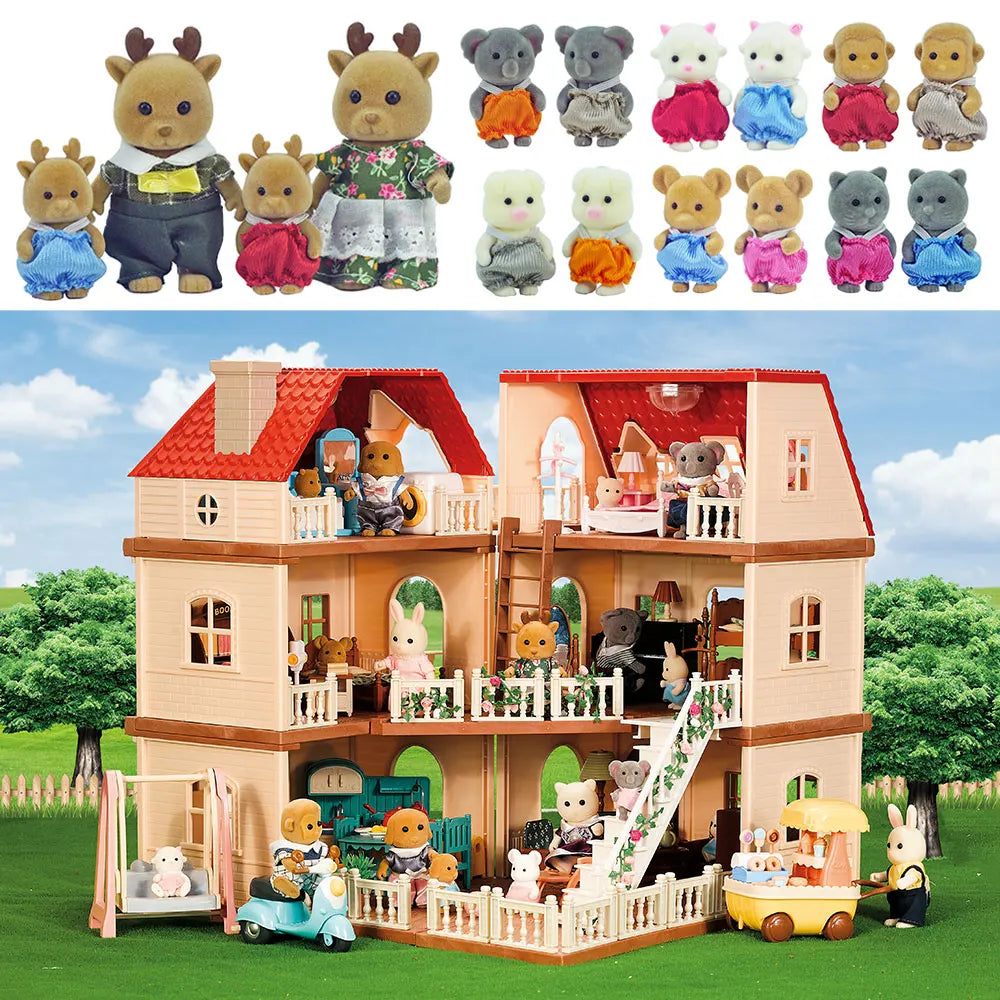
Miniature dollhouse furniture sets help children rehearse real-life routines 💡 See it in action
What Parents Are Saying About Structured Creative Play
Many parents share that imaginative play for children changed how their kids approach routines. One parent noted that bedtime became easier after acting it out through pretend play. Another shared that structured play helped their child express emotions more clearly.
These stories reflect how simple tools can quietly support confidence and comfort.
Frequently Asked Questions
Why is imaginative play important for children who like routines?
Imaginative play for children offers flexibility inside familiar boundaries. This helps routine-loving kids feel safe while still exploring creativity and new ideas.
What age benefits most from imaginative play activities for preschoolers?
Preschool-aged children benefit greatly because they are learning social roles, emotions, and routines through play-based exploration.
How do miniature dollhouse furniture sets help learning?
Miniature dollhouse furniture sets support storytelling, sequencing, and emotional understanding by letting children control familiar environments.





