

Indoor Active Play Toddlers Love Using Balance Bikes
Does balance training for young kids really work?
Balance training for young kids works best when it feels like play, not practice. Simple daily movements at home help strengthen muscles, improve coordination development, and support gross motor development in early childhood. Short, pressure-free activities build confidence, body awareness, and control in ways children enjoy and repeat naturally.
Balance Training for Young Kids at Home Without Pressure
⏱ 6 min read
Balance training for young kids doesn’t have to feel structured or stressful. Many parents worry about falls, clumsiness, or whether their child is “behind.” The good news? Gentle movement woven into everyday play supports coordination development and confidence—without drills, timers, or pressure.
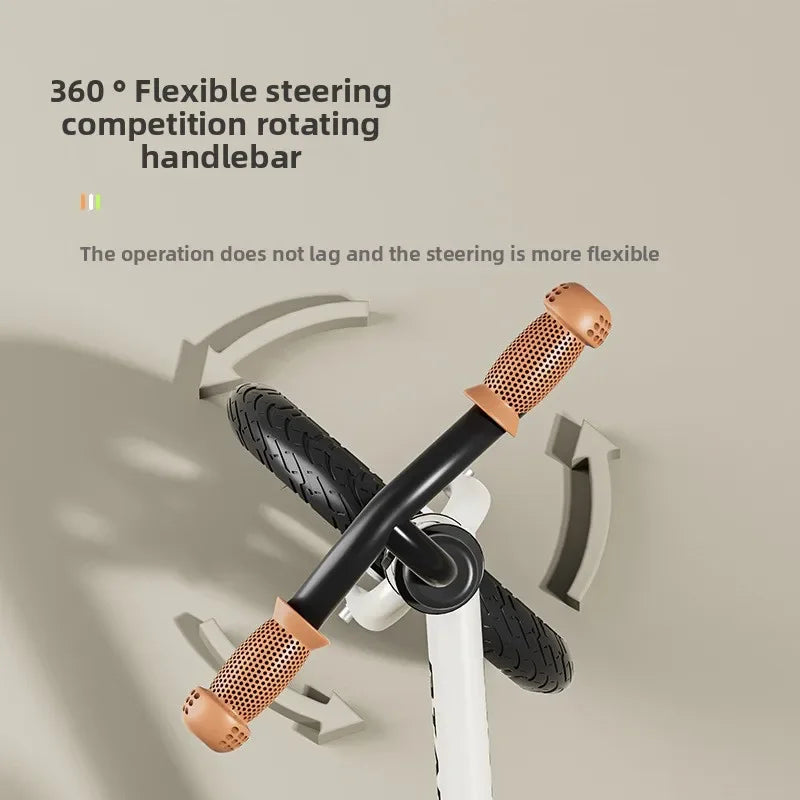
Playful balance training for young kids that supports gross motor development in early childhood 💡 See it in action
Why Balance Matters for Young Kids
Balance is the quiet foundation behind running, climbing, sitting still, and even focusing. When children practice balance in small ways, they strengthen core muscles and build confidence in how their body moves through space.
- Supports gross motor development in early childhood
- Improves coordination development for daily tasks
- Builds body awareness and posture
- Encourages safe exploration and independence
Parents often notice fewer tumbles, smoother movements, and calmer transitions when balance activities become part of daily routines.
How to Start Balance Training at Home (Without Pressure)
Balance training for young kids works best when it blends into playtime. Start small, follow your child’s lead, and keep sessions short.
- Choose a safe, open space with soft flooring.
- Begin with familiar movements your child already enjoys.
- Demonstrate instead of instructing.
- Stop before your child gets tired or frustrated.
Consistency matters more than duration. Even five minutes a day can support coordination development over time.
Easy Daily Activities for Gross Motor Skill Development
These activities for gross motor skill development fit naturally into home life and feel like games—not exercises.
1. One-Foot Stand Game
Ask your child to stand on one foot while brushing teeth or waiting for a snack. Switch feet often.
2. Cushion Stepping Path
Lay couch cushions in a line and invite your child to walk across without touching the floor.
3. Slow Walk Challenge
Walking slowly along a hallway builds control and focus more than running.
4. Push-and-Glide Play
Ride-on toys encourage balance, steering, and coordination development.
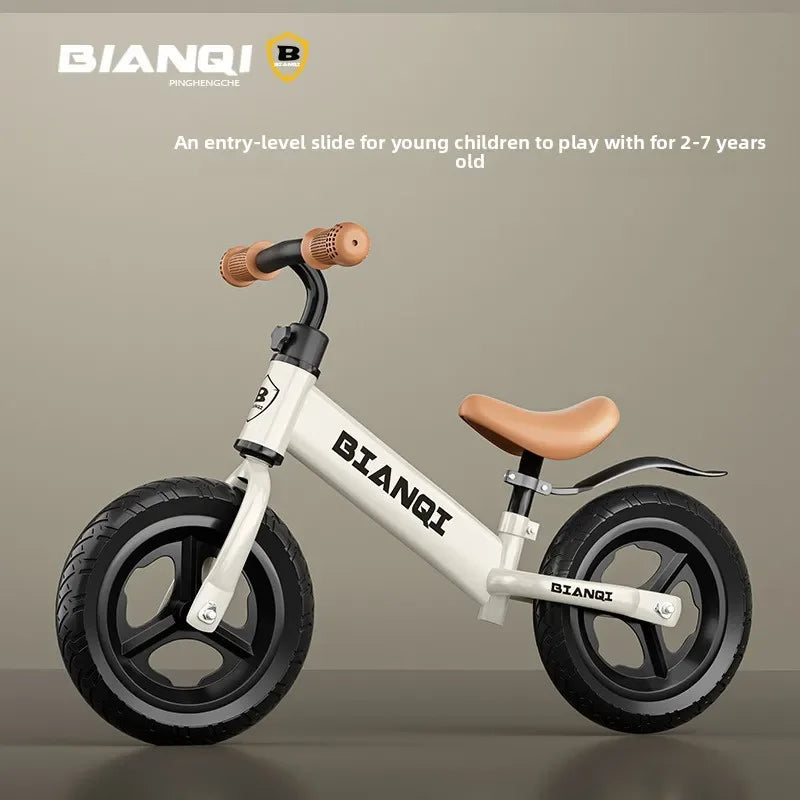
Simple activities for gross motor skill development at home 💡 See it in action
Using Simple Tools to Support Balance
While bodyweight play is powerful, the right tools can make balance training for young kids easier and more engaging.
Products designed for movement allow children to practice naturally while playing. Items from Mobility & Training are especially helpful for building stability without pressure.
For example, a balance bike encourages upright posture, steering control, and confidence as children move at their own pace.
How the Right Product Makes Balance Easier
Balance training for young kids becomes more effective when tools match their size and abilities. A well-designed balance bike supports gross motor development in early childhood by encouraging natural movement patterns, safer exploration, and confidence-building repetition.
- Promotes core strength and balance
- Encourages independent movement
- Reduces fear of falling
- Fits easily into daily play routines
You can explore a kid-friendly option here: Baby Balance Bike Learning Toddler.
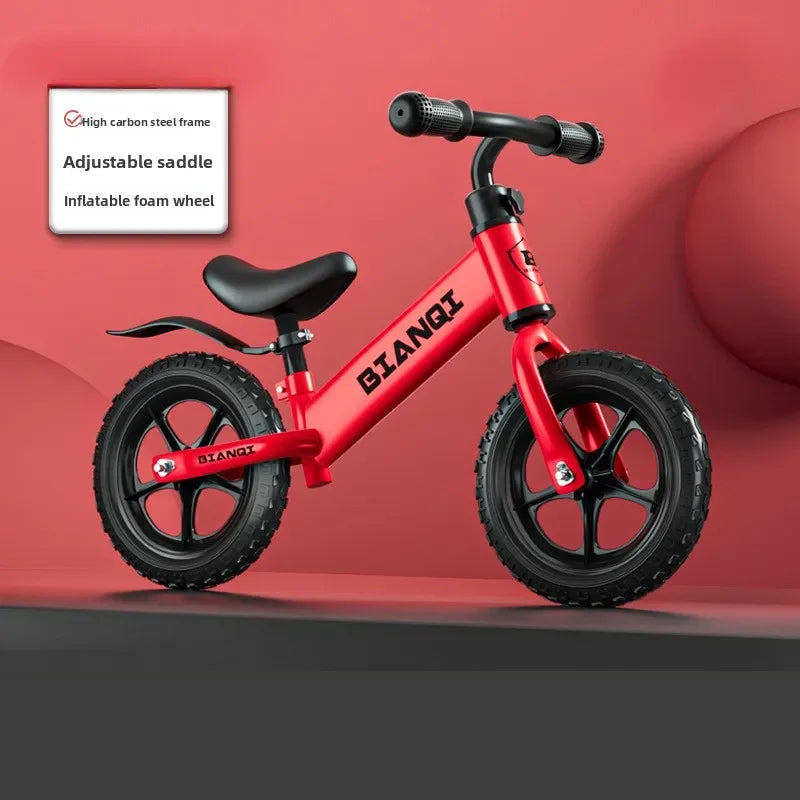
Confidence-building balance training for young kids 💡 See it in action
Common Balance Training Mistakes to Avoid
- Pushing for longer sessions instead of consistency
- Correcting every wobble or misstep
- Comparing your child to others
- Turning play into performance
Balance improves fastest when children feel safe, relaxed, and in control.
Mini FAQ
At what age can balance training start?
Balance-focused play can begin as soon as toddlers start walking. Simple movements support early coordination development naturally.
How often should kids practice balance?
Short daily play sessions work better than long, infrequent ones. Five to ten minutes a day is enough.
Is special equipment required?
No. Bodyweight play works well, but tools from Baby Growth & Learning can enhance engagement and confidence.
What if my child resists activities?
Follow their interests. Turn balance training for young kids into games they already love and revisit later.
Related Guide: How Toddlers Learn Bike Balance: Step-by-Step Guide





