

Indoor Baby Play Space Ideas for Every Home Layout
What are the best indoor baby play space ideas for different home layouts?
Indoor baby play space ideas help parents create a safe, engaging area for play and learning, even in small or shared homes. By using flexible layouts, soft boundaries, and age-appropriate toys, families can create safe space that supports indoor infant activities while fitting real-life routines.
Indoor Baby Play Space Ideas for Every Home Layout
⏱ 7 min read
Indoor baby play space ideas don’t have to mean a separate room or expensive furniture. Many parents worry about safety, clutter, and whether their baby is getting enough stimulation at home. The good news? With thoughtful play area ideas, you can create safe space that works in apartments, open-plan homes, or multi-use rooms—without stress.
Which setup actually fits your home and your baby’s stage right now? Let’s explore practical, parent-tested ideas.
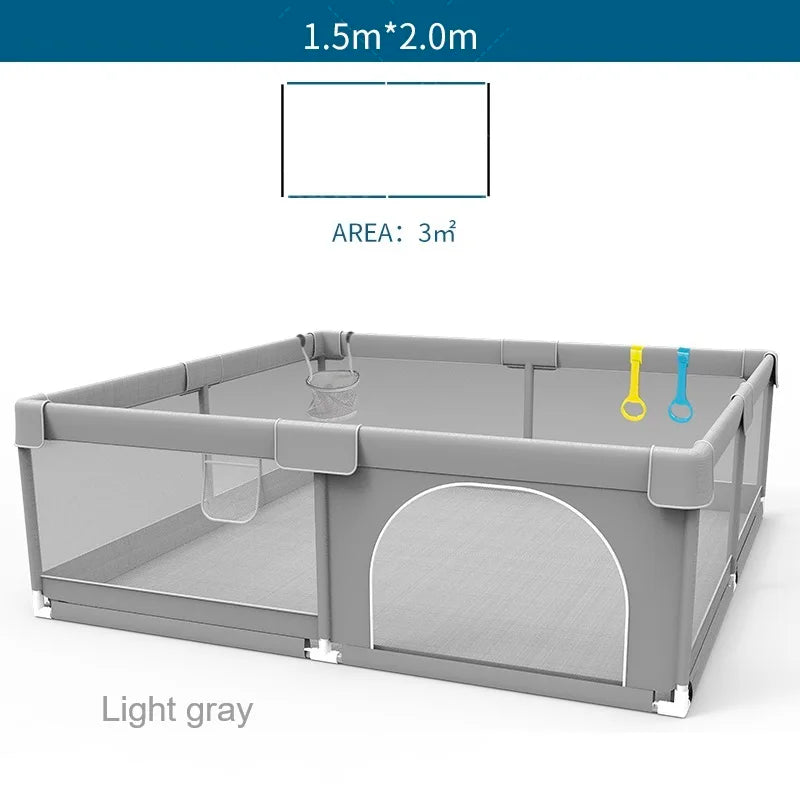
Smart indoor baby play space ideas that adapt to real homes 💡 See it in action
Why a Dedicated Play Space Matters
Indoor baby play space ideas aren’t just about convenience. Babies thrive on predictability. A familiar play zone helps them feel secure, explore independently, and build early motor and cognitive skills through daily indoor infant activities.
- Supports tummy time and crawling practice
- Reduces safety worries for parents
- Keeps toys contained instead of scattered
- Encourages independent play moments
Many families pair play spaces with calming routines from Sleep & Comfort items nearby, helping babies transition smoothly between play and rest.
Play Area Ideas for Small Spaces
Indoor baby play space ideas for apartments or condos focus on flexibility. You don’t need a full room—just a clearly defined zone.
How do you set up a play area in a small living room?
Indoor baby play space ideas work best in small rooms when boundaries are soft and movable. Foam mats, foldable playpens, and corner layouts help create safe space without blocking walkways.
- Choose a corner with natural light
- Use a soft mat as a visual boundary
- Rotate toys weekly to reduce clutter
- Store extras vertically or under furniture
Sensory-rich toys from Sensory Toys are especially helpful in compact areas because they offer more engagement without taking up space.
Creating Zones in Open-Plan Homes
Open-plan layouts are common, but they can feel overwhelming for babies. The goal is to visually and physically define a baby-safe zone.
How can you separate baby play space in an open area?
Indoor baby play space ideas in open homes rely on contrast—different textures, colors, and furniture placement signal where baby play happens and where adult activities continue.
- Low shelving as a soft divider
- Area rugs to mark the play zone
- Playpens that blend with décor
- Clear sightlines for supervision
Parents often combine these layouts with developmental tools from Baby Growth & Learning to keep babies engaged while adults cook or work nearby.
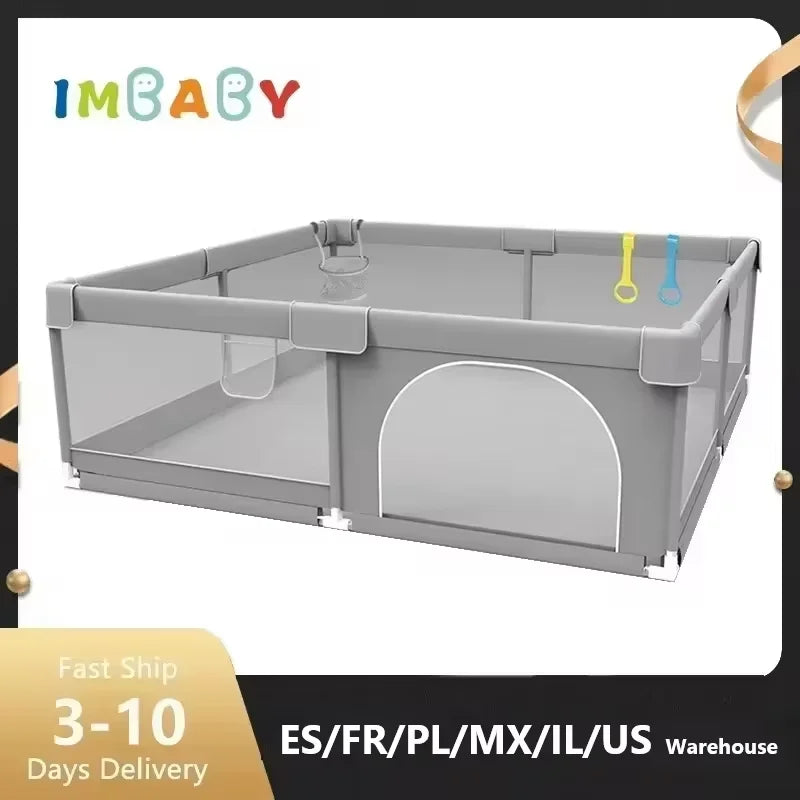
Flexible play area ideas for open-plan living 💡 See it in action
Shared Room Play Space Ideas
When babies share rooms with siblings or parents, indoor baby play space ideas need clear limits and easy reset options.
Can a baby play area work in a shared bedroom?
Yes. Indoor baby play space ideas for shared rooms focus on time-based use and portable setups, allowing the space to shift between play, sleep, and adult needs.
- Foldable mats stored during naps
- Toy baskets labeled by age
- Quiet toys for early mornings
- Soft lighting for calm transitions
Many parents rely on calming routines supported by Massage & Relaxation tools to help babies wind down after active play.
How to Create Safe Space for Babies
Safety is the foundation of all indoor baby play space ideas. A safe environment allows babies to explore freely and parents to relax.
What makes a baby play space truly safe?
To create safe space, remove hazards, cushion hard surfaces, and choose age-appropriate materials. Consistent safety checks matter more than expensive gear.
- Non-slip mats and padded flooring
- Secured furniture and outlets
- Rounded-edge toys only
- Clear floor free of small objects
Helpful safety essentials can be found in Health & Safety, especially for crawling and early walking stages.
Indoor Infant Activities by Age
Indoor baby play space ideas should evolve as your baby grows. Matching activities to developmental stages keeps play meaningful.
0–6 Months: Gentle Exploration
- Tummy time with mirrors
- Soft rattles and textures
- Short, frequent play sessions
6–12 Months: Movement and Curiosity
- Crawling paths with cushions
- Stacking and cause-and-effect toys
- Music and sound play
12+ Months: Independence and Practice
- Push-and-pull toys
- Simple obstacle courses
- Imitation and pretend play
Mobility-focused tools from Mobility & Training support confidence as babies transition to toddlers.
Keeping the Play Area Tidy Without Stress
Mess is one of the biggest pain points for parents. Smart organization keeps indoor baby play space ideas sustainable long-term.
- Limit visible toys to 5–7 items
- Rotate weekly to refresh interest
- Use soft bins within reach
- End play with a simple clean-up routine
Many families store extras alongside daily care items from Baby Care Essentials to keep everything in one place.
Real Parent Experiences
“We live in a one-bedroom apartment, and I thought a play area was impossible,” shares Amanda, mom of an 8-month-old. “Once we set up a small corner with a mat and rotating toys, my baby started playing independently for longer stretches.”
Another parent, James, adds, “Defining a play zone in our open living room reduced accidents and gave us peace of mind. It didn’t change our home—it just made it work better.”
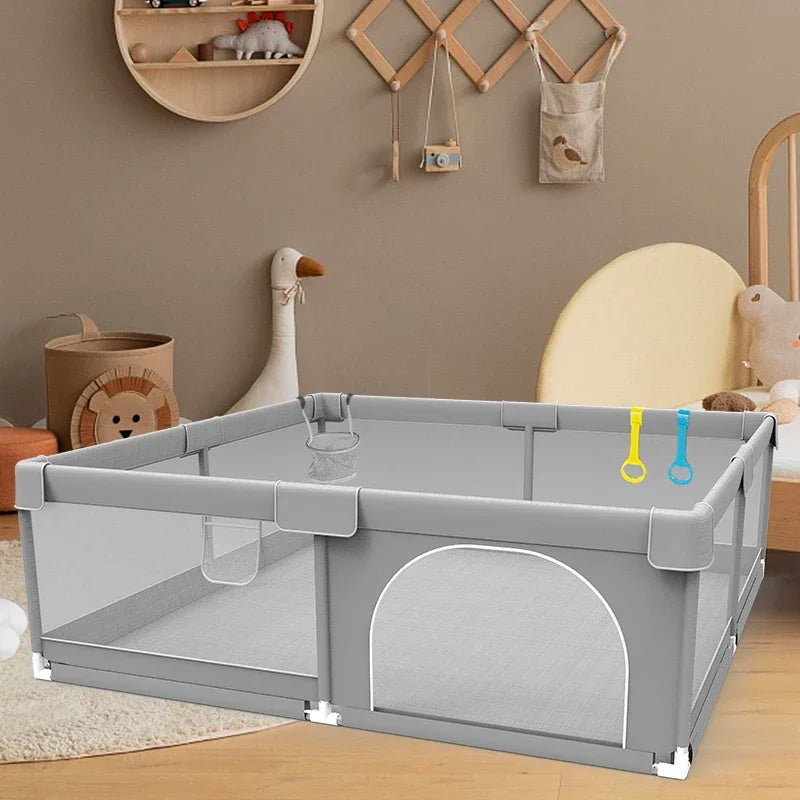
Create safe space with indoor baby play space ideas 💡 See it in action
Frequently Asked Questions
Do babies really need a separate play space?
Indoor baby play space ideas help babies feel secure and focused. Even a small, defined area supports safer exploration and better independent play.
How often should I change toys in the play area?
Rotating toys every 1–2 weeks keeps indoor infant activities fresh and reduces clutter without overwhelming your baby.
What if I don’t have room for a playpen?
Soft mats, low barriers, and visual boundaries are effective play area ideas when space is limited.
Can a play space help with sleep routines?
Yes. A consistent play zone paired with calming cues helps babies separate active play from rest, making transitions smoother.





