

Indoor Play Tents: Top 5 Foldable Styles for Small Homes
What are indoor play tents and are they good for small homes?
Indoor play tents are lightweight, enclosed play spaces designed for use inside the home. Indoor play tents work especially well in apartments and compact rooms because they create a dedicated play zone without permanent furniture. Many small indoor play tents fold flat, store easily, and support imaginative play while keeping clutter contained.
Indoor Play Tents Compared: Which Styles Fit Small Homes
⏱ 7 min read
Indoor play tents are a smart solution for families who want big fun without sacrificing precious floor space. From small indoor play tents designed for apartments to a foldable play tent you can pack away in seconds, the right choice can change how kids play at home. Some tents for indoor play even improve organization and calm time—so which styles actually work best in compact living spaces?
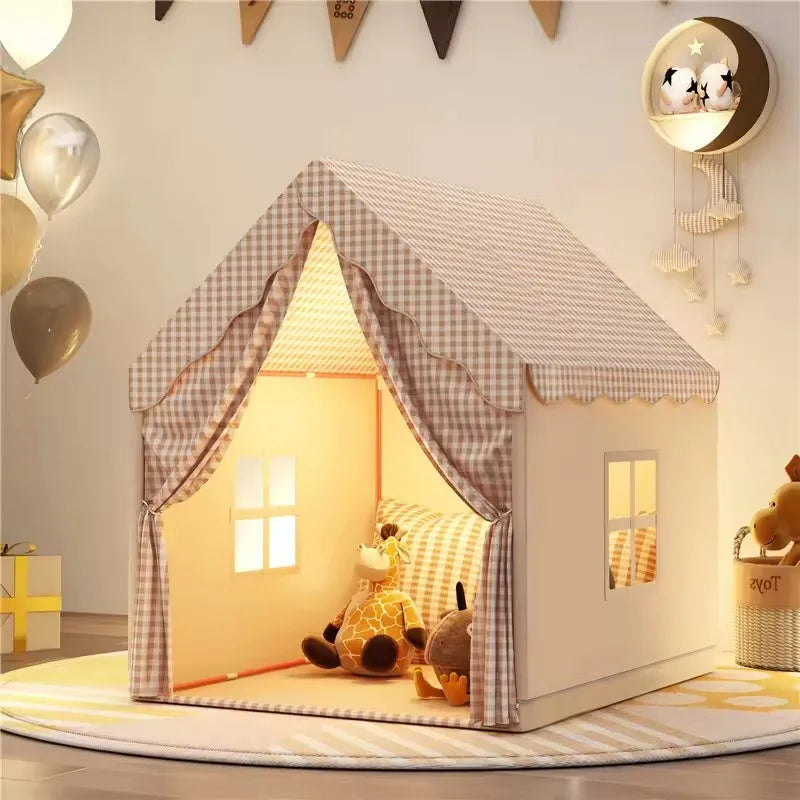
Indoor play tents that fit apartment living 💡 See it in action
Which indoor play tent actually fits your home without taking over the room? Many parents want a play space that feels special for kids but still respects limited square footage. Let’s break down the styles that work best in small homes—and where each one shines.
Why parents choose indoor play tents for small homes
Indoor play tents solve a common frustration: kids need space to imagine, but homes don’t always have spare rooms. In apartments or shared bedrooms, tents for indoor play offer structure without permanence.
- Create a clear play boundary without bulky furniture
- Encourage independent and imaginative play
- Support quiet time, reading, or sensory breaks
- Pack away easily when the day gets busy
Families already focused on learning-through-play often pair tents with open-ended toys from Baby Growth & Learning or calming textures from Sensory Toys to extend play value without adding clutter.
Types of indoor play tents compared
Indoor play tents come in several styles, and each fits small homes differently. Here’s how the most popular options compare.
Pop-up play tents: fastest setup, smallest effort
Pop-up designs are the most common small indoor play tents. They spring open in seconds and fold flat just as quickly, making them ideal for families who rotate play spaces.
- Best for apartments and shared rooms
- Lightweight and easy to store under beds or sofas
- Great for spontaneous play sessions
Foldable play tent: balance between structure and storage
A foldable play tent offers more stability than pop-up styles while still respecting limited space. Panels collapse neatly, making it easy to tuck away after playtime.
- More durable for daily use
- Works well as a reading nook or calm corner
- Ideal for families who want repeat setup without hassle
Pairing a foldable play tent with soft accessories from Sleep & Comfort can turn it into a cozy wind-down zone.
House-style tents: immersive but space-aware
House-shaped tents feel more permanent but still suit small homes when sized carefully. These tents for indoor play often replace bulky playhouses.
- Encourages pretend play and role-play scenarios
- Feels like a “room within a room”
- Best for slightly larger living areas or play corners
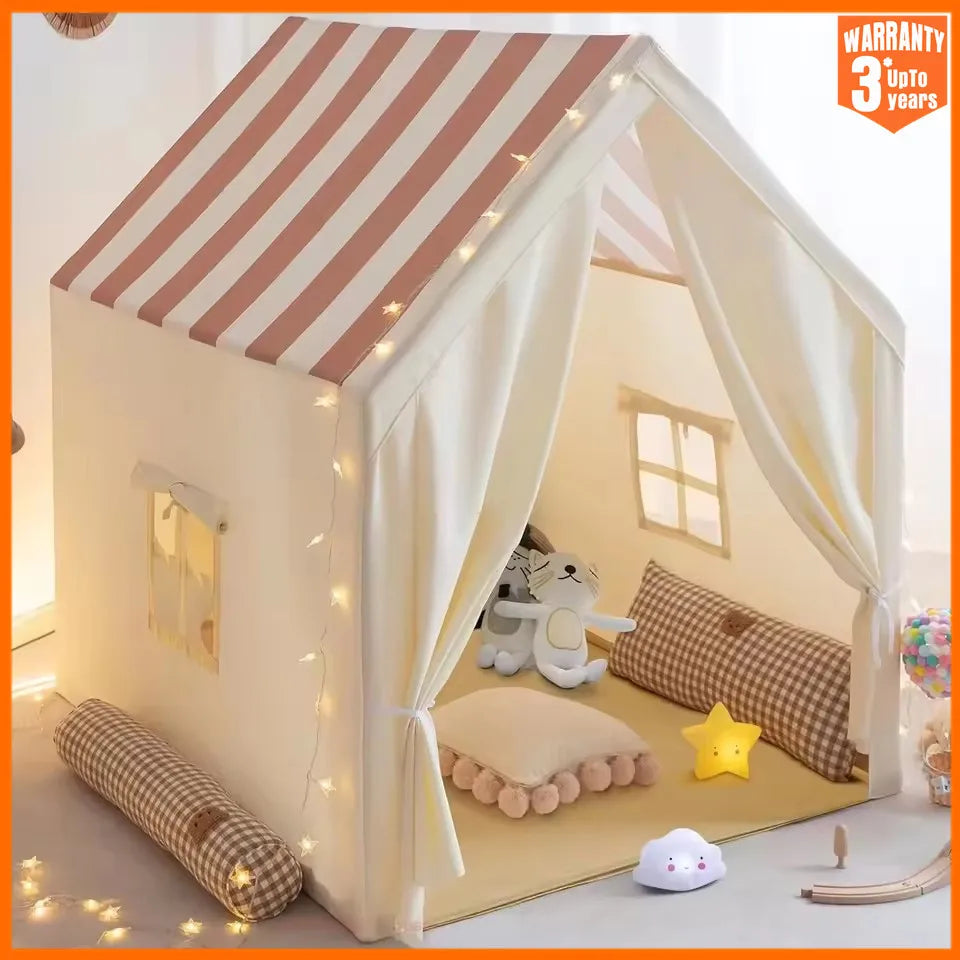
Small indoor play tents in everyday family spaces 💡 See it in action
Quick comparison: which tent style fits your space?
| Style | Space Needed | Storage Ease | Best For |
|---|---|---|---|
| Pop-up tent | Very small | Excellent | Quick play, minimal setup |
| Foldable play tent | Small | Very good | Daily play and calm time |
| House-style tent | Moderate | Good | Imaginative role play |
Families often combine tents with compact toys from Sensory Toys or movement-friendly items from Mobility & Training to keep play dynamic without crowding the room.
How to choose the right indoor play tent for your home
Indoor play tents vary widely, but the right choice depends on how your family actually uses space day to day.
- Measure your available floor area and account for walkways.
- Decide how often you’ll store it away—daily or occasionally.
- Think about play style: quiet reading, pretend play, or active games.
- Match materials to lifestyle, especially for easy cleaning.
If your child uses the tent for calm moments, adding soft lighting or relaxation tools from Massage & Relaxation can support emotional regulation.
Explore a versatile option here: Kids Play Tent
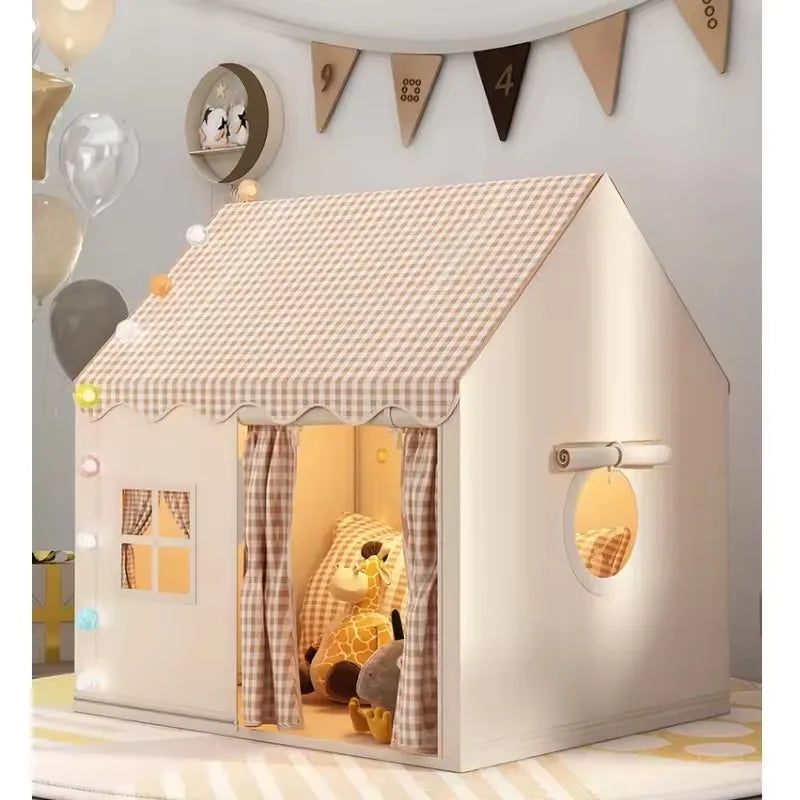
Foldable play tent that stores easily 💡 See it in action
What real parents notice after using indoor play tents
Parents living in apartments often report that indoor play tents change how children interact with space. Instead of spreading toys across the room, kids naturally return items to the tent.
- Less visual clutter in shared living areas
- Improved focus during independent play
- A sense of ownership over their play zone
Several families note that pairing a tent with learning tools from Baby Growth & Learning keeps play purposeful without overwhelming the room.
Ready to see how it fits your space? View the kids play tent
Mini FAQ
Are indoor play tents safe for daily use?
Indoor play tents made with breathable fabric and stable frames are safe for supervised daily play. Choosing the right size and placing it away from heavy furniture improves everyday usability.
Do small indoor play tents really save space?
Yes. Small indoor play tents define a play area without permanent furniture. Many fold flat, making them ideal for apartments and shared rooms.
What age range works best for tents for indoor play?
Most tents for indoor play suit toddlers through early elementary years, especially for imaginative play, reading, and quiet activities.
Related Guide: Best Indoor Outdoor Kids Tent Compared for Safe Year-Round Play





