

Indoor Soccer Practice Drills: Build Skills at Home
Do indoor soccer practice drills really work at home?
Yes, indoor soccer practice drills can improve ball control, coordination, speed, and confidence when practiced consistently. Indoor soccer drills at home are especially useful for developing first touch, quick reactions, and decision-making in limited space. While they do not replace full-field training, home soccer practice drills help players build important skills between outdoor sessions.
Indoor Soccer Practice Drills You Can Do at Home
Indoor soccer practice drills make it possible to improve soccer skills without needing a field, large backyard, or complicated equipment. These indoor soccer drills at home help players develop touch, balance, speed, and confidence using simple movements that fit everyday spaces. Whether you are a beginner learning basic control or a young athlete preparing for matches, consistent practice can turn a small room into an effective training area.
⏱ 8 min read
Indoor training is useful when weather, schedules, or limited outdoor access make regular practice difficult. Parents and coaches often look for safe ways to keep kids active while still building real soccer ability. The right indoor soccer practice drills create structured practice sessions that improve technique while keeping training fun and engaging.
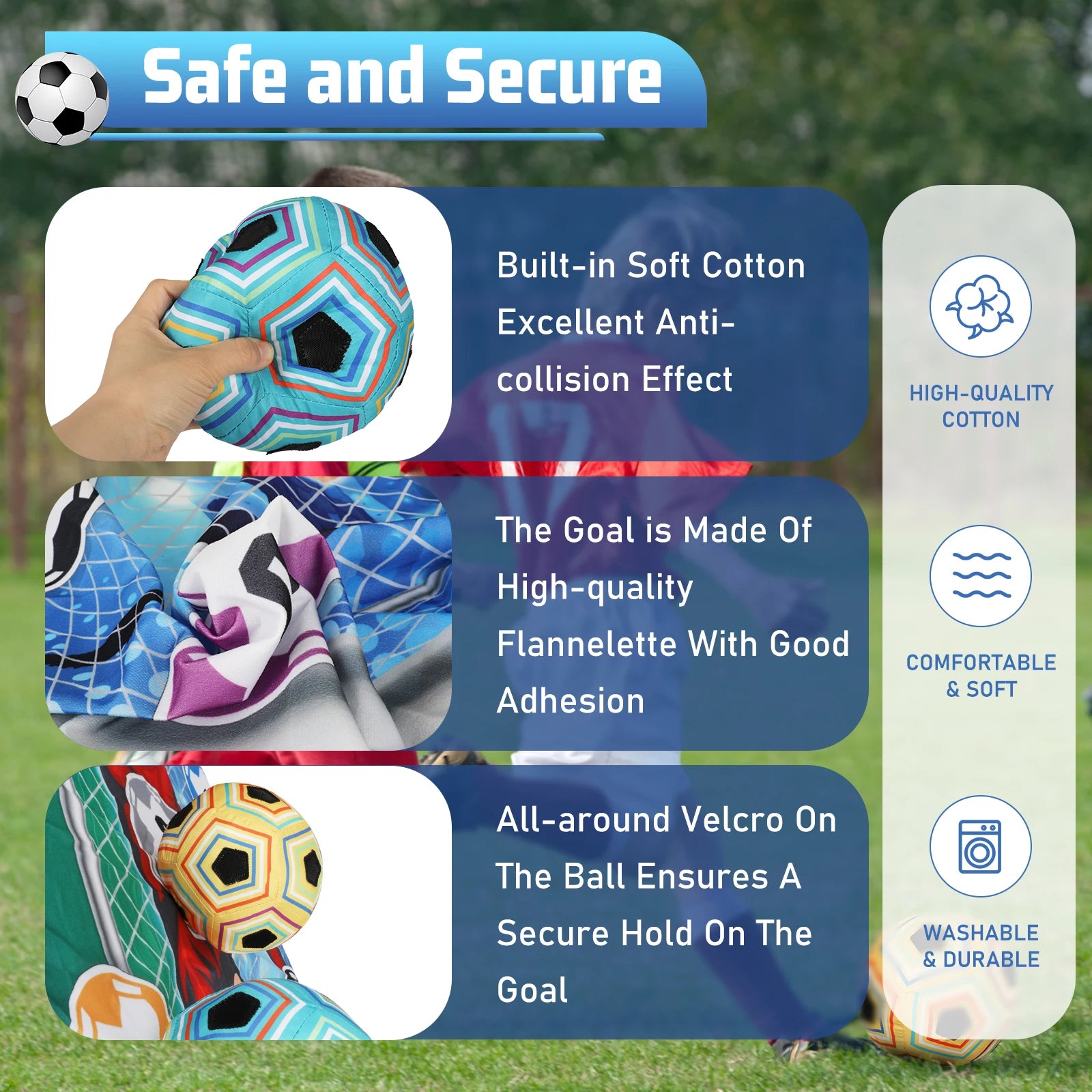
Fun indoor soccer drills that fit real homes See it in action
Do Indoor Soccer Practice Drills Really Work at Home?
Indoor soccer practice drills work because they increase the number of touches players get while forcing faster reactions in smaller spaces. With limited room, players naturally focus on control, accuracy, and quick decisions instead of relying only on speed.
Home soccer practice drills can improve:
- Ball control: Frequent touches help players feel more comfortable with the ball.
- First touch: Repeated receiving drills improve control after passes.
- Coordination: Footwork patterns strengthen balance and movement skills.
- Confidence: Short, consistent sessions create steady improvement.
However, indoor training has limits. Players still need outdoor practice for full-field awareness, long passing, physical challenges, and game situations. The best approach combines indoor soccer drills at home with regular outdoor play.
For most kids, 10–20 minute sessions several times per week are enough to create progress. Consistency matters more than long training sessions.
Many parents pair indoor activities with movement-focused resources from Mobility & Training to support balance and coordination.
How to Set Up a Safe Small-Space Training Area
Small space indoor soccer drills do not require a large training area. A hallway, open living room, basement, or playroom can work if the environment is organized correctly.
Space Requirements
- Clear enough floor space for dribbling and turning
- Remove fragile decorations and obstacles
- Create visible boundaries for practice zones
- Keep enough room for safe movement
Essential Equipment
Simple equipment is enough for effective indoor soccer drills at home:
- Soft soccer ball or low-bounce training ball
- Small cones or household markers
- Timer for challenges and repetitions
- Target areas for passing and shooting practice
Wall Training Tips
A strong wall can become a valuable training partner. Use controlled passes instead of powerful kicks, and focus on receiving the rebound with different parts of the foot.
Indoor Safety Checklist
- Check floors for slippery areas
- Use lightweight equipment
- Supervise younger children
- Keep practice intensity appropriate for the space
Soft sensory markers from Sensory Toys collections can help create kid-friendly practice zones.
Warm-Up Routine Before Every Indoor Session
A short warm-up prepares muscles, improves mobility, and helps players perform better during indoor soccer drills. Even beginner indoor soccer drills should start with controlled movement preparation.
Dynamic Movement
- Light jogging in place for 30 seconds
- High knees and side steps
- Quick direction changes without the ball
Ball Activation
- Slow dribbling around the space
- Gentle inside-foot touches
- Alternating feet to build control
Footwork Preparation
Finish with quick toe taps, small jumps, and balance exercises to prepare for faster movements during training.
Ball Mastery Drills for Better Control
Easy fun soccer drills focused on ball mastery help players improve touch speed, confidence, and control. These simple indoor soccer drills at home are ideal for kids because they can be adjusted for different skill levels.
1. Toe Taps
Place the ball in front of you and alternate tapping the top with each foot.
- Improves rhythm and coordination
- Builds faster foot movement
- Works well as a warm-up or challenge
2. Inside-Outside Touches
Move the ball using the inside and outside of one foot, then switch sides.
- Develops close control
- Improves weak-foot confidence
- Fits small training spaces
3. Foundations
Move the ball quickly between both feet using inside touches.
- Builds touch speed
- Improves balance
- Prepares players for pressure situations
4. Pull Push
Pull the ball backward with the sole, then push it forward with the same foot.
- Improves directional control
- Develops confidence changing speed
5. V Pull
Pull the ball back and move it diagonally to create a V-shaped movement.
- Improves turning ability
- Builds attacking footwork
Passing and First-Touch Drills Using a Wall
Wall-based indoor soccer drills at home allow players to practice passing alone. These home soccer practice drills improve accuracy, reaction speed, and first touch.
Wall Pass Control
Pass the ball gently against a wall and control the return with the inside of the foot.
- Improves receiving technique
- Builds confidence with rebounds
One-Touch Passing
Return the ball immediately after it hits the wall.
- Develops reaction speed
- Encourages quick decisions
Two-Touch Passing
Control the ball first, then make the next pass.
- Improves composure
- Builds match-style control
Receive and Turn
Receive the ball from the wall, turn quickly, and move into a new direction.
- Develops awareness
- Practices game-like movement
Movement and Agility Drills for Small Spaces
Fun indoor soccer drills for agility improve balance, acceleration, and coordination. These soccer drills for small spaces help kids become faster and more controlled during games.
Cone Weave Shuffle
Create a short line using cones or household objects. Dribble through while keeping close control.
Direction Change Drill
Call out directions and have the player quickly change movement while controlling the ball.
Stop-and-Go Control
Dribble slowly, stop the ball on command, then accelerate again.
Lateral Quick Feet
Move side-to-side through a small area to improve defensive movement and balance.
Families often combine active play with calming routines from Massage & Relaxation after high-energy sessions.
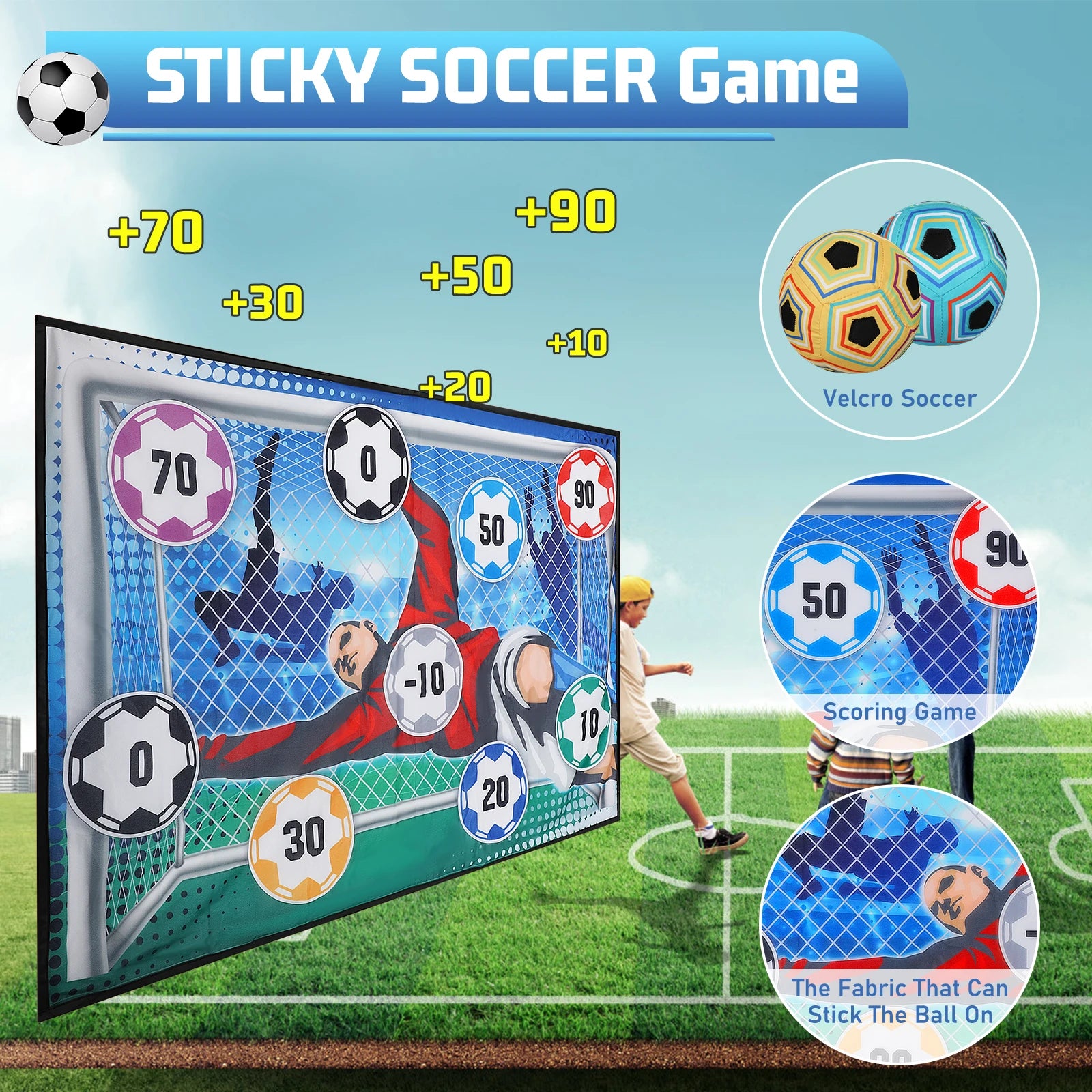
Small space indoor soccer drills for daily practice See it in action
Indoor Shooting and Finishing Drills
Indoor shooting drills should focus on accuracy and technique instead of power. Using controlled movements makes finishing practice safer inside the home.
Target Shooting
Create a target area and practice hitting specific spots with soft passes or gentle shots.
Soft-Ball Finishing
Use a lightweight ball to practice shooting motion without damaging furniture or walls.
Accuracy Challenge
Set a goal for successful shots and track improvement over time.
The Kids Soccer Sticky Goal Toy can create a simple scoring target for indoor practice by adding instant feedback and motivation.
Game-Based Indoor Soccer Drills Kids Love
Turning practice into games helps kids stay motivated. These kids indoor soccer drills encourage repetition while making training feel like play.
Beat Your Score
Count successful touches, passes, or goals and try to improve each session.
Color Call Challenge
Place colored markers around the room and call directions that require quick reactions.
Obstacle Course
Combine dribbling, movement, and finishing challenges into one fun activity.
Family participation can make practice more enjoyable while helping children develop confidence.
Beginner to Advanced Indoor Soccer Practice Plan
Beginner Indoor Soccer Drills
Focus on basic touches, simple dribbling, and short sessions of 10 minutes.
- Toe taps
- Inside touches
- Basic wall passes
Intermediate Training
Increase speed and add decision-making challenges.
- Combination dribbling
- Faster wall passing
- Direction changes
Advanced Training
Challenge players with timed drills and weaker-foot practice.
- One-touch passing
- Fast finishing challenges
- Complex movement patterns
A simple weekly plan:
- 3 days per week: Ball control and passing
- 2 days per week: Agility and movement
- 1 day per week: Fun skill challenges
Safety Tips for Indoor Soccer Practice
Safe indoor soccer drills at home require the right environment, equipment, and practice habits.
Common Mistakes
- Using hard balls indoors
- Practicing near fragile objects
- Making the space too crowded
- Ignoring warm-ups
Protecting Floors
- Use appropriate footwear
- Avoid wet or slippery surfaces
- Use soft equipment when possible
Choosing the Right Ball
Foam or low-bounce balls are usually better for indoor practice because they reduce noise and potential damage.
Families often combine active play with calming routines from Sleep & Comfort to help kids relax afterward.
Indoor Soccer Practice Drills FAQ
What are the best indoor soccer practice drills for beginners?
The best beginner indoor soccer drills include toe taps, inside touches, simple dribbling, and wall passing. These activities build confidence while teaching basic control.
How can I practice soccer in a small room?
You can practice soccer in a small room by focusing on close-control drills, quick footwork, wall passing, and accuracy challenges instead of powerful movements.
What equipment is needed for indoor soccer drills at home?
Most indoor soccer drills at home only require a soft soccer ball, a small open space, and optional markers or targets.
How long should indoor soccer practice last?
Short sessions of 10–20 minutes are effective for most children. Frequent practice usually creates better results than occasional long workouts.
Can kids improve soccer skills by practicing indoors?
Yes. Indoor soccer practice drills improve touch, coordination, confidence, and decision-making. These skills transfer to outdoor games when combined with regular field practice.
How often should I do home soccer practice drills?
Children can benefit from practicing several times per week. A consistent routine with age-appropriate drills supports steady skill development.





