

Infant Activity Gym Comparison: Which Design Grows With Baby
Which infant activity gym design grows with your baby?
An infant activity gym supports early motor skills, sensory exploration, and safe play from newborn to sitting stages. The best infant activity gym adapts as your baby grows, offering adjustable height, removable toys, and durable materials that encourage infant sensory stimulation and early motor development in infants over several months.
Infant Activity Gym Comparison: Which Design Grows With Baby
⏱ 7 min read
Choosing the right infant activity gym can feel overwhelming. Parents worry about safety, developmental value, and whether a play gym will actually last beyond the newborn phase. With so many styles—from fabric mats to wooden infant activity center designs—how do you know which one truly grows with your baby?

Infant activity gym options that encourage infant sensory stimulation 💡 See it in action
Why Design Matters for Infant Activity Gyms
The design of an infant activity gym affects how long your baby can use it. Newborns start with tummy time and visual tracking, but quickly progress to grasping, kicking, and rolling. A well-designed gym adapts to these changes instead of becoming obsolete after a few weeks.
Parents often share frustration about bulky plastic frames or flimsy mats that don’t hold up. Durable construction and thoughtful layout reduce clutter and keep playtime calm and safe. Many families browsing Baby Growth & Learning collections look for designs that blend into their home while supporting learning.
Comparing Infant Activity Gym Designs
Fabric-Based Play Mats
Soft mats with arches are popular for newborns. They’re lightweight and colorful, offering mirrors and plush toys for early engagement.
- Pros: Portable, soft textures, budget-friendly
- Cons: Limited lifespan, less stability as babies grow
Plastic Frame Activity Gyms
These gyms often include lights and sounds. While stimulating, they may overwhelm sensitive babies and lack long-term durability.
- Pros: Interactive features, bright visuals
- Cons: Can overstimulate, less eco friendly
Wooden Infant Activity Center Designs
Minimalist wooden frames focus on natural materials and open-ended play. Many parents exploring Sensory Toys appreciate how these gyms grow with their baby.
- Pros: Durable, adjustable, supports calm sensory play
- Cons: Higher upfront cost
How Activity Gyms Support Early Development
An infant activity gym isn’t just entertainment—it’s a developmental tool. From the first weeks, babies begin building strength and coordination through guided play.
Early Motor Development in Infants
Reaching, kicking, and rolling help strengthen muscles needed for crawling and sitting. Adjustable toys encourage repeated movement without frustration.
Infant Sensory Stimulation
Textures, gentle sounds, and visual contrast support brain development. Natural materials often provide calmer sensory input, which many parents prefer for daily play.
Families focused on safety often browse Health & Safety resources to ensure materials are gentle and free from harsh chemicals.
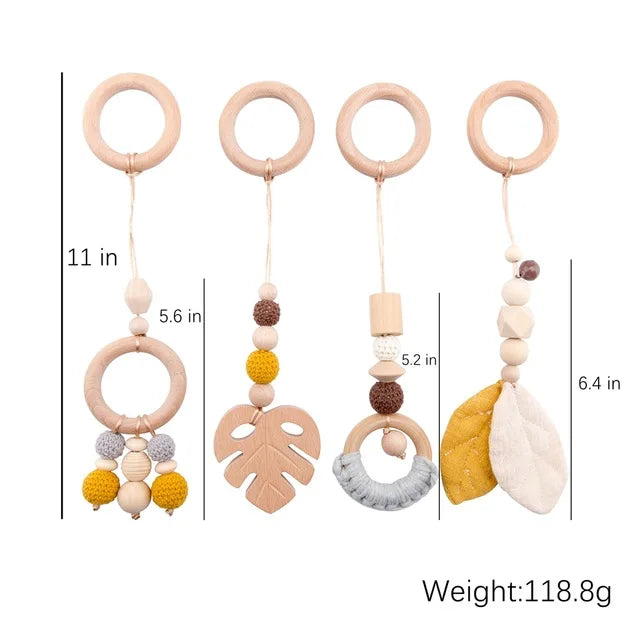
Wooden infant activity center supporting early motor development in infants 💡 See it in action
Side-by-Side Comparison Table
| Design Type | Age Range | Durability | Sensory Value |
|---|---|---|---|
| Fabric Mat | 0–4 months | Low | Moderate |
| Plastic Frame | 0–6 months | Moderate | High |
| Wooden Infant Activity Center | 0–12+ months | High | Balanced |
Many parents report that wooden designs remain useful longer, especially when paired with simple rattles or hanging toys like those found at Baby Growth & Learning.
Which Infant Activity Gym Is Right for Your Family?
If you value portability and short-term use, a fabric mat may suffice. For parents seeking long-term value, a wooden infant activity center offers adaptability and timeless style.
One popular option is the baby wooden rattle play gym, praised by parents for its sturdy frame and calming sensory experience. Reviews often mention smoother play routines and less clutter compared to plastic alternatives.
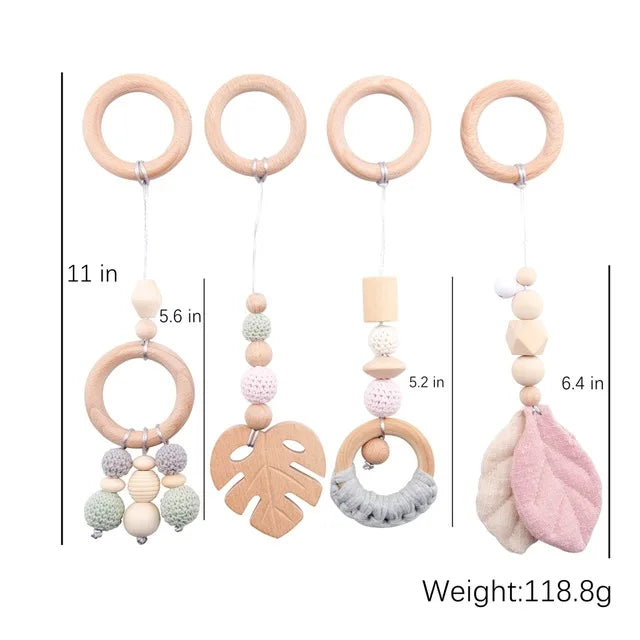
Infant activity gym design that grows with baby 💡 See it in action
Mini FAQ
How long can a baby use an infant activity gym?
Most babies use an infant activity gym from birth through 6–12 months, depending on design. Adjustable wooden frames tend to last longer as babies begin sitting and exploring independently.
Are wooden activity gyms safe for newborns?
Yes, when made from smooth, non-toxic materials and used under supervision. Many parents prefer wooden designs for their stability and gentle sensory stimulation.
What features help an activity gym grow with baby?
Look for adjustable height, removable toys, and durable construction. These features support changing developmental stages and reduce the need for frequent replacements.
Related Guide: Best Newborn Play Gyms Compared for Safe Sensory Play





