

Infant Activity Gym vs Play Mat: Which Helps More?
Does an infant activity gym help babies develop faster?
An infant activity gym supports faster development by combining tummy time, movement, and sensory play in one space. The structured layout encourages babies to lift their head, reach, kick, and track objects, which strengthens muscles and coordination earlier than a flat mat alone, especially during the first 6 months.
Infant Activity Gym vs Play Mat: Which Helps Babies Develop Faster
⏱ 6 min read
Choosing between an infant activity gym and a simple play mat can feel overwhelming, especially when every milestone suddenly feels urgent. If tummy time turns into tears or you’re worried about slow progress, understanding how each option supports early learning play can help you feel confident and calm.
Many parents worry when tummy time feels like a daily struggle. You might be asking yourself: Is my baby getting enough stimulation? or What if there’s been no tummy time at 3 months old? The good news is that the right setup can gently guide babies toward stronger muscles and better confidence without forcing uncomfortable routines.
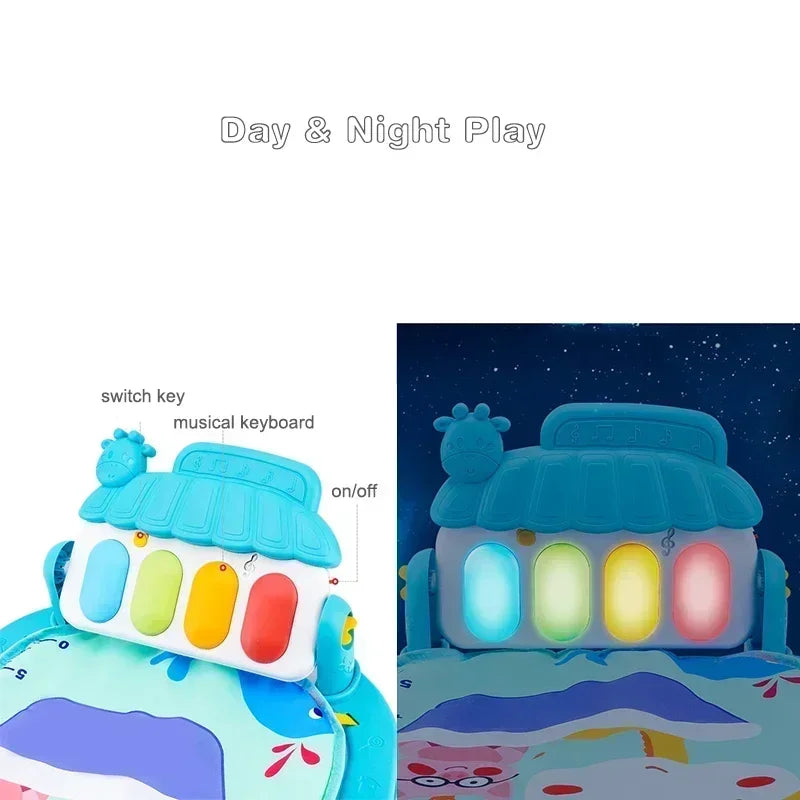
Infant activity gym encouraging sensory stimulation infants and longer tummy time 💡 See it in action
What Is an Infant Activity Gym and Why Parents Choose It
An infant activity gym is a structured play space designed to encourage movement, curiosity, and sensory engagement from birth through toddlerhood. It usually includes arches, hanging toys, mirrors, textures, and sometimes music to support infant activity toys that adapt as babies grow.
Direct answer: An infant activity gym helps babies develop faster by encouraging active movement like kicking, reaching, and lifting the head during play. These repeated actions support muscle strength, coordination, and sensory stimulation infants need during the first year.
- Promotes longer tummy time sessions
- Encourages reaching, grasping, and kicking
- Supports visual and auditory tracking
- Adapts from newborn to sitting play
Many parents browsing Baby Growth & Learning products choose activity gyms because they combine multiple developmental benefits in one safe, contained area.
What Is a Baby Play Mat and When It Works Best
A baby play mat is a soft, cushioned surface placed on the floor to provide a comfortable space for lying, rolling, or supervised tummy time. It’s simple, portable, and often used alongside other toys.
Play mats are especially popular among families who already own separate sensory toys or prefer minimal setups found in Baby Care Essentials.
- Provides comfort and insulation from the floor
- Easy to clean and store
- Works well for short tummy time sessions
- Often paired with separate infant activity toys
Infant Activity Gym vs Play Mat: Clear Side-by-Side Comparison
| Feature | Infant Activity Gym | Play Mat |
|---|---|---|
| Developmental Support | Multi-sensory, full-body engagement | Basic comfort and positioning |
| Tummy Time Motivation | High (toys, mirrors, sounds) | Moderate (depends on added toys) |
| Longevity | 0–36 months adaptable use | Best for early months |
| Parent Convenience | All-in-one setup | Requires extra accessories |
Parents often combine both, using a gym as the main play space and a mat for quick setups or travel.
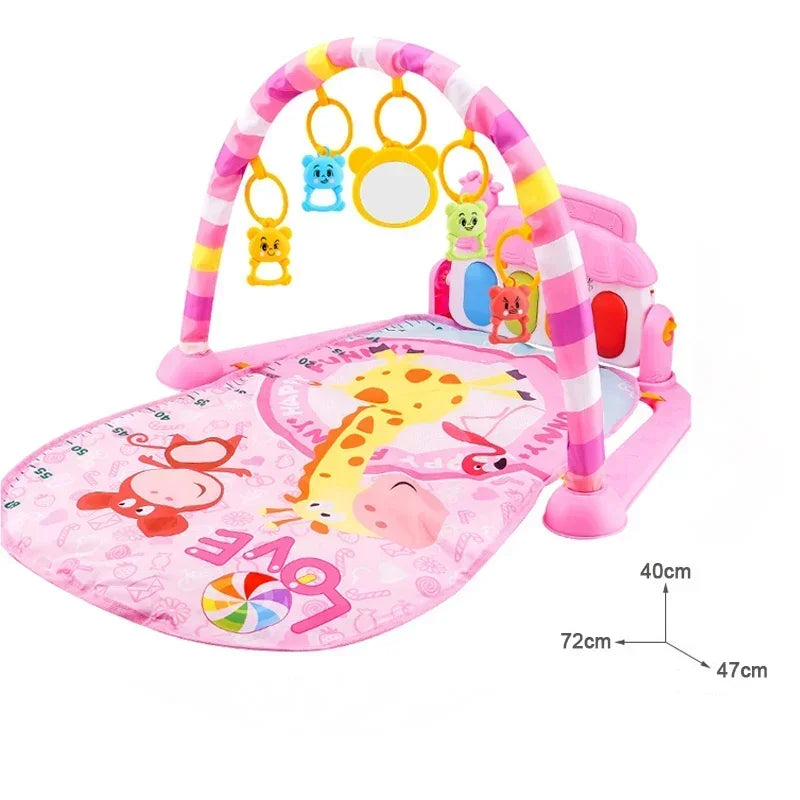
Early learning play made easier with an infant activity gym 💡 See it in action
How Each Option Supports Baby Development
Motor Skills and Strength
Activity gyms naturally encourage babies to lift their head, push up, and reach, helping motor skills newborn development. A flat mat supports these movements but relies more on parent-led interaction.
Sensory Stimulation
With textures, sounds, and visuals, gyms offer built-in sensory stimulation infants crave. Play mats provide a neutral base, often paired with items from Sensory Toys to achieve similar effects.
Emotional Confidence
Babies who enjoy playtime tend to tolerate tummy time longer. A predictable, engaging setup can reduce fussiness and build trust during daily routines.
Which One Is Right for Your Baby and Lifestyle?
- Choose an infant activity gym if tummy time is a struggle or you want guided early learning play.
- Choose a play mat if you prefer simplicity or already rotate multiple infant activity toys.
- Consider both for flexibility across rooms and routines.
Families exploring Baby Care Tips & Advice often find that adapting the environment makes a noticeable difference in daily play success.
Common Parent Concerns About Tummy Time
“There’s been no tummy time at 3 months old.”
It’s not too late. Short, engaging sessions using an infant activity gym can help babies build tolerance gradually.
“My baby gets bored quickly.”
Rotating toys and visual elements keeps interest high and reduces frustration.
“I’m worried about safety.”
Always place play equipment on flat surfaces and supervise, especially when using multi-feature gyms found alongside Health & Safety essentials.
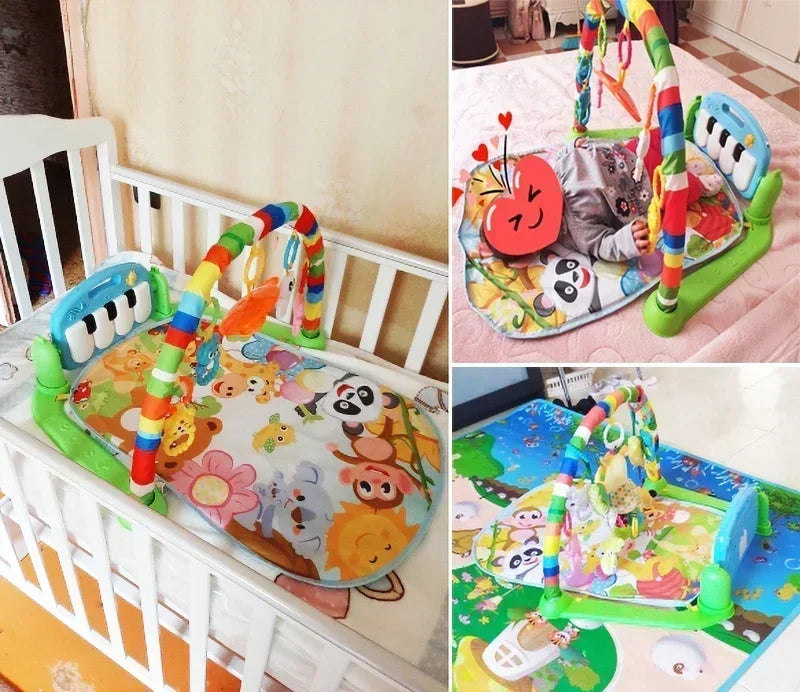
Infant activity gym supporting infant tummy time and sensory play 💡 See it in action
Quick FAQ
Is an infant activity gym better than a play mat?
An infant activity gym offers more built-in stimulation and movement opportunities, while a play mat focuses on comfort. Many parents prefer gyms for faster engagement and mats for flexibility.
How long should babies use an activity gym each day?
Short sessions of 5–10 minutes several times a day are ideal for newborns, gradually increasing as strength and interest grow.
Can I use an activity gym from birth?
Yes. Most gyms are designed for newborn tummy time mat use and adapt as babies begin rolling, sitting, and exploring.
Related Guide: Infant Gym Play Mat Comparison Guide for Smarter Tummy Time





