

Infant Interactive Toys That Build Skills Through Play
What makes a baby remote control toy good for early learning?
A baby remote control toy supports early learning by encouraging cause and effect, imitation, and sensory exploration through safe buttons, lights, and sounds. The best options balance durability, age-appropriate interaction, and screen-free play while helping babies develop motor, cognitive, and early communication skills.
Baby Remote Control Toy Comparison: Learning Features That Matter
⏱ 7 min read
Choosing a baby remote control toy is about more than finding lights and sounds. The best interactive toys encourage babies to explore safely, imitate everyday activities, and build important developmental skills without relying on screens. This guide compares interactive toy types, explains which features matter most by age, and shows how an infant remote control toy fits into a broader learning-focused play routine.
Quick question: Have you ever noticed your baby reaching for the real TV remote before almost any other object? Familiar household items naturally spark curiosity, which is why realistic imitation toys are so engaging.
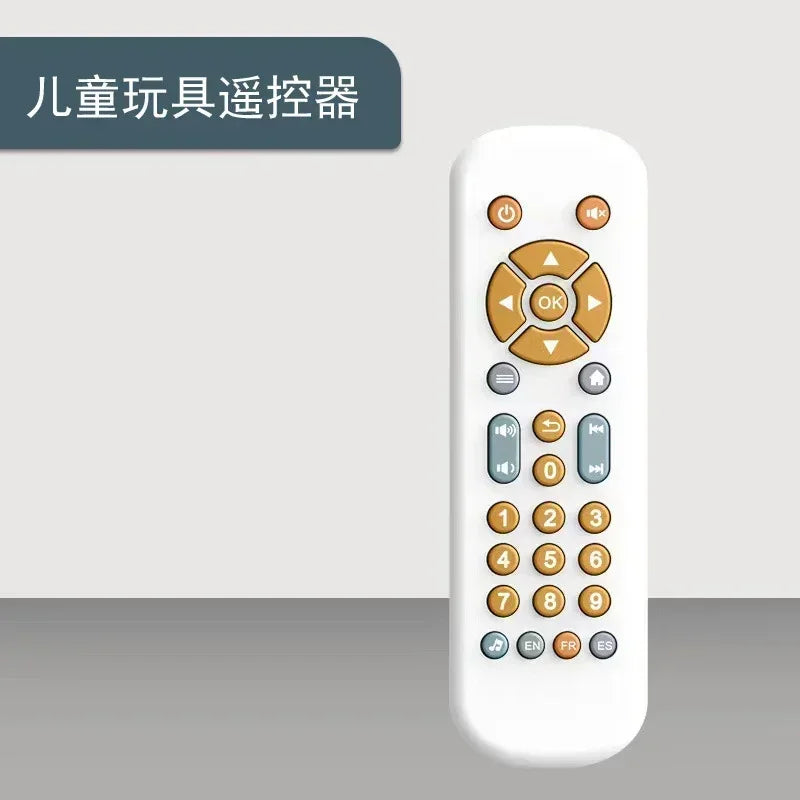
Baby remote control toy designed for imitation activities for infants — See it in action
What are interactive baby toys and why do infants need them?
Interactive baby toys respond when babies touch, shake, press, squeeze, or move them. They can be electronic or non-electronic, but their purpose is the same: encourage babies to discover that their actions create predictable results.
From soft rattles and textured sensory toys to a realistic toy TV remote control, interactive toys help babies practice important developmental skills through repeated exploration.
- Cause and effect: Pressing a button creates a light or sound.
- Sensory stimulation: Different textures, colors, and sounds keep babies engaged.
- Motor development: Reaching, grasping, and pressing strengthen coordination.
- Language development: Caregiver interaction during play introduces new words and sounds.
Choosing age-appropriate interactive toys allows babies to explore safely while matching the skills they are developing at each stage.
Best interactive toys for infants by age
Interactive toys for newborns (0–3 months)
During the first few months, babies benefit most from simple sensory experiences.
- High-contrast visual toys
- Soft rattles
- Crinkle fabrics
- Gentle musical toys
At this stage, toys should focus on visual tracking and early sensory awareness rather than button pressing.
Interactive toys for babies 3–6 months
As babies begin grasping intentionally, they become interested in toys they can activate.
- Easy-grip rattles
- Light-up sensory toys
- Simple musical toys
- Soft activity cubes
Large buttons with gentle sounds introduce basic cause-and-effect learning without overwhelming stimulation.
Interactive toys for babies 6–12 months
Older infants begin copying adults and exploring objects with greater purpose.
- Baby remote control toys
- Push-button learning toys
- Moving toys for infants
- Interactive musical toys
Remote-style toys become especially appealing because babies recognize them from daily family life and enjoy copying familiar actions.
Types of interactive baby toys compared: Which style is best?
Moving and crawling toys
These toys encourage babies to crawl, reach, and follow movement. They help develop gross motor skills but are generally most useful once babies become mobile.
Electronic learning toys
Electronic toys use buttons, lights, speech, or music to reward interaction. The best models provide gentle feedback instead of constant flashing lights or loud sounds.
Musical and sound toys
Simple musical toys expose babies to rhythm, repetition, and listening skills while encouraging repeated button presses.
Sensory and Montessori-inspired interactive toys
These toys often avoid electronics altogether, relying on textures, movement, stacking, and open-ended exploration that grows with a child's abilities.
What features make an interactive baby toy worth buying?
The best interactive toys balance entertainment with developmental value instead of relying on excessive lights or sounds.
Age-appropriate cause and effect
Buttons should respond consistently with gentle lights, sounds, or music so babies learn that their actions produce predictable outcomes.
Safe materials and comfortable design
An infant remote control toy should be lightweight, easy to grip, made from durable non-toxic materials, and designed without sharp edges or loose components.
Balanced sensory stimulation
Babies benefit from moderate sensory feedback. Toys that constantly flash or produce loud noises may shorten attention spans rather than encourage focused exploration.
Open-ended play value
The best toys remain interesting as babies grow. A realistic remote control toy, for example, first teaches button pressing and later encourages pretend play and imitation.
Interactive baby toy comparison table: Features, ages, and benefits
| Toy category | Recommended age | Main skills developed | Interaction style | Safety considerations |
|---|---|---|---|---|
| Baby remote control toy | 6–12 months | Cause and effect, imitation, fine motor skills | Button pressing | Secure battery compartment |
| Sensory toy | 0–12 months | Tactile exploration, visual development | Touch and squeeze | Soft, washable materials |
| Musical toy | 3–12 months | Listening skills, repetition | Press or shake | Moderate sound levels |
| Moving toy | 6–12 months | Crawling, tracking, gross motor skills | Following movement | Stable construction and enclosed mechanisms |
Parents often explore learning-focused options alongside Baby Growth & Learning collections to support broader skill development.
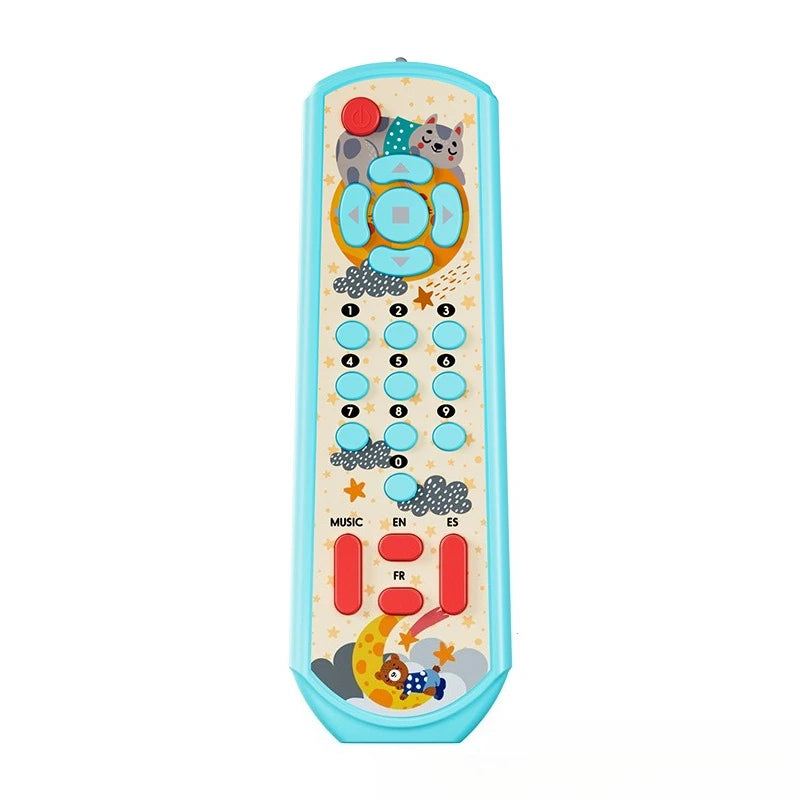
Toy TV remote control buttons teaching cause and effect — See it in action
How interactive toys support baby development
Cognitive and problem-solving skills
Interactive toys help babies discover patterns by connecting actions with predictable outcomes. Repetition builds confidence and early problem-solving abilities.
Fine motor and hand-eye coordination
Pressing buttons, grasping textured surfaces, and reaching for toys strengthen finger control and coordination needed for future self-feeding and writing.
Sensory development
Textures, gentle sounds, and lights stimulate multiple senses without requiring screen exposure.
Early communication and social skills
Interactive toys work best when caregivers participate. Naming colors, counting button presses, or singing together during play encourages language development alongside social interaction.
These benefits complement routines built around Baby Care Essentials that focus on comfort and daily development.
Safety guide: choosing safe interactive toys for infants
Safety should always come before entertainment features.
Materials, size, and choking hazard checks
- Choose certified non-toxic materials.
- Avoid detachable small parts.
- Select toys sized appropriately for infants.
Battery and electronic safety
- Secure battery compartments with screws.
- Check regularly for damage or loose covers.
- Replace worn batteries promptly.
Cleaning and maintenance tips
- Wipe plastic toys regularly with a damp cloth.
- Follow manufacturer cleaning instructions.
- Inspect toys for cracks after drops.
Families often store and rotate toys alongside items from Health & Safety collections to keep playtime organized and safe.
How to choose the best interactive toy for your baby
Choose based on age and milestones
Select toys that match your baby's current abilities rather than advanced skills they have not yet developed.
Choose based on learning goals
- Fine motor practice: Button-based toys.
- Sensory exploration: Textured and musical toys.
- Movement: Crawling or rolling toys.
Choose based on play environment
For indoor play, quieter toys with moderate lights and sounds often encourage longer, calmer engagement than overly stimulating electronic products.
The baby remote control toy remains one of the most practical electronic learning toys because it combines familiar everyday imitation with simple cause-and-effect learning.
This infant remote control toy is particularly suitable for babies around 6–12 months who enjoy copying adults and pressing buttons repeatedly.
Pros
- Comfortable for small hands.
- Encourages independent exploration.
- Supports imitation and fine motor development.
- Balanced lights and sounds without screen exposure.
Limitations
- Best suited once babies can intentionally press buttons.
- Should complement, not replace, caregiver-led play or other sensory toys.
Explore the infant TV remote control toy here
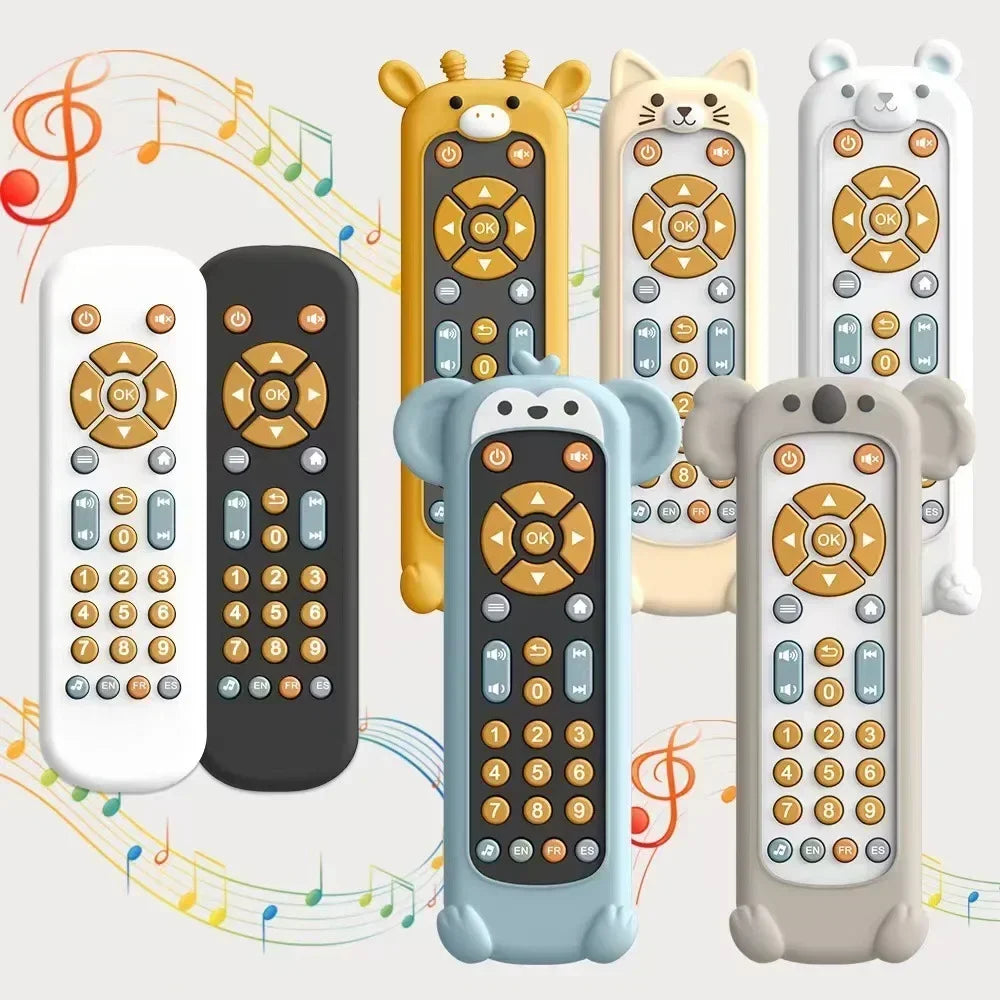
Infant remote control toy for screen-free learning — See it in action
Tips for using interactive toys during baby playtime
- Join your baby during play by describing sounds, colors, and actions.
- Rotate toys every few days to keep them interesting.
- Combine independent exploration with short periods of guided interaction.
- Offer different toy categories throughout the week to support a wide range of developmental experiences.
Many parents also pair remote-style toys with other Sensory Toys for a balanced screen-free play routine.
Frequently asked questions
What are interactive baby toys?
Interactive baby toys respond to a baby's actions through movement, sounds, lights, textures, or other sensory feedback, encouraging exploration and learning.
What age are interactive toys suitable for?
Many interactive toys are designed from birth, although the specific features should match your baby's developmental stage. Button-based toys are generally most appropriate from around 6 months.
Are electronic baby toys good for development?
Electronic toys can support development when they provide simple, age-appropriate interactions and are balanced with caregiver engagement, physical activity, and open-ended play.
Do interactive toys replace parent interaction?
No. Interactive toys are most beneficial when parents or caregivers participate by talking, singing, and responding to their baby's discoveries.
Are moving toys better than stationary baby toys?
Neither is universally better. Moving toys encourage crawling and gross motor skills, while stationary toys often support fine motor development and focused exploration.
How do I clean interactive baby toys?
Most plastic electronic toys can be wiped with a soft damp cloth and mild soap. Avoid immersing battery-operated toys in water, and always follow the manufacturer's cleaning instructions.





