

Infant pool safety concerns and how to prevent them
What are the biggest infant pool safety concerns?
Infant pool safety concerns include slipping, temperature shock, weak neck control, unsafe floats, sun exposure, and constant supervision gaps. Practicing infant pool safety with close contact, proper gear, and water play safety routines helps reduce risk while supporting positive infant swimming tips from the very first splash.
Infant pool safety concerns and how to prevent them
⏱ 6 min read
Infant pool safety concerns often hide in plain sight during adorable splash sessions. A shallow pool, a cute float, or a quick dip can feel harmless—but small oversights add up fast. This guide walks you through practical infant pool safety steps, smarter water play safety habits, and gentle infant swimming tips that protect your baby while keeping pool time joyful.
Infant pool safety concerns start before the first splash — 💡 See it in action
Why infant pool safety concerns matter more than you think
Infant pool safety concerns aren’t just about deep water. Babies lack temperature regulation, balance, and reflexes. Even shallow pools create risks if routines aren’t planned. Early water experiences shape confidence, but unsafe ones can cause fear—or worse. Getting infant pool safety right early builds trust and calm for both parent and baby.
Common infant pool safety risks parents overlook
Infant pool safety concerns often come from small assumptions. Many parents believe floats replace supervision or that warm days prevent chills. In reality, babies are sensitive to environmental changes and rely fully on adults for protection.
- Slippery pool surfaces during entry and exit
- Floats that tip or place babies too upright
- Water that feels warm to adults but cools infants fast
- Sun exposure during extended water play
- Distractions that break constant supervision
Step-by-step infant pool safety prevention
Infant pool safety improves dramatically with simple, repeatable habits. These steps help reduce common risks while supporting relaxed, positive water play safety.
- Check water temperature before entry using touch plus visual cues.
- Hold your baby at all times—no hands-free moments.
- Limit sessions to 10–15 minutes for young infants.
- Dry and warm immediately after pool time.
Keeping towels, shade, and warm clothing nearby removes rushed decisions that often lead to safety gaps.
How the right gear supports safer water play
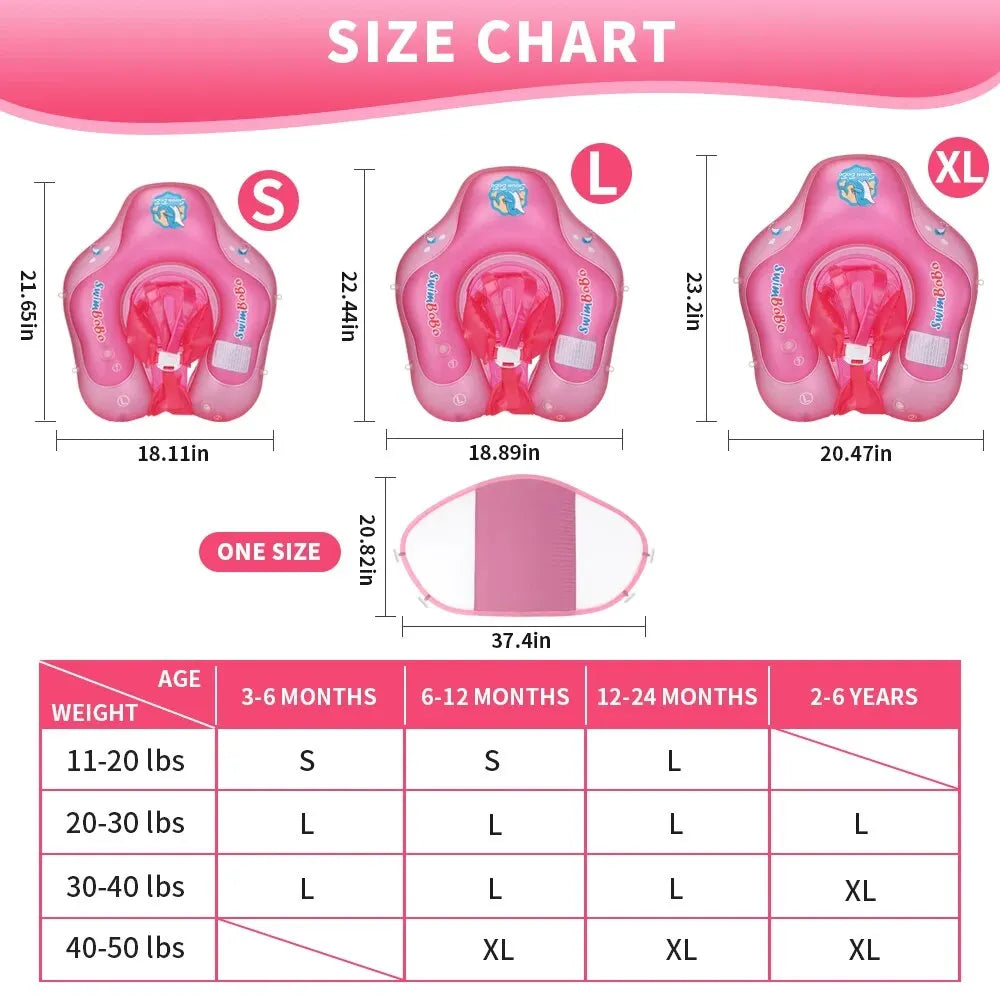
Infant pool safety concerns don’t mean avoiding pools altogether. The right tools help parents stay focused and reduce physical strain. Supportive floats designed for infants can improve positioning when used correctly and under constant supervision.
Parents often pair water sessions with essentials from Health & Safety to maintain hygiene and comfort before and after swimming.
Smarter infant pool safety gear reduces stress — 💡 See it in action
Managing water temperature and exposure safely
Temperature shock is one of the most underestimated infant pool safety concerns. Babies lose heat quickly, even on hot days. Water that feels comfortable to adults may still stress an infant’s system.
Using tools from Temperature Tools helps parents stay consistent without guessing.
- Ideal infant pool water: lukewarm, not cold
- Watch for lip color changes or shivering
- End sessions early if baby becomes quiet or stiff
Supervision rules that actually work
Infant pool safety concerns rise sharply when supervision becomes shared or assumed. One adult must always be fully responsible—no phones, no multitasking. Even brief lapses increase risk.
Many families combine water routines with calming post-swim care using Baby Bath Accessories and cozy items from Sleep & Comfort.
A simple solution for safer, calmer pool sessions
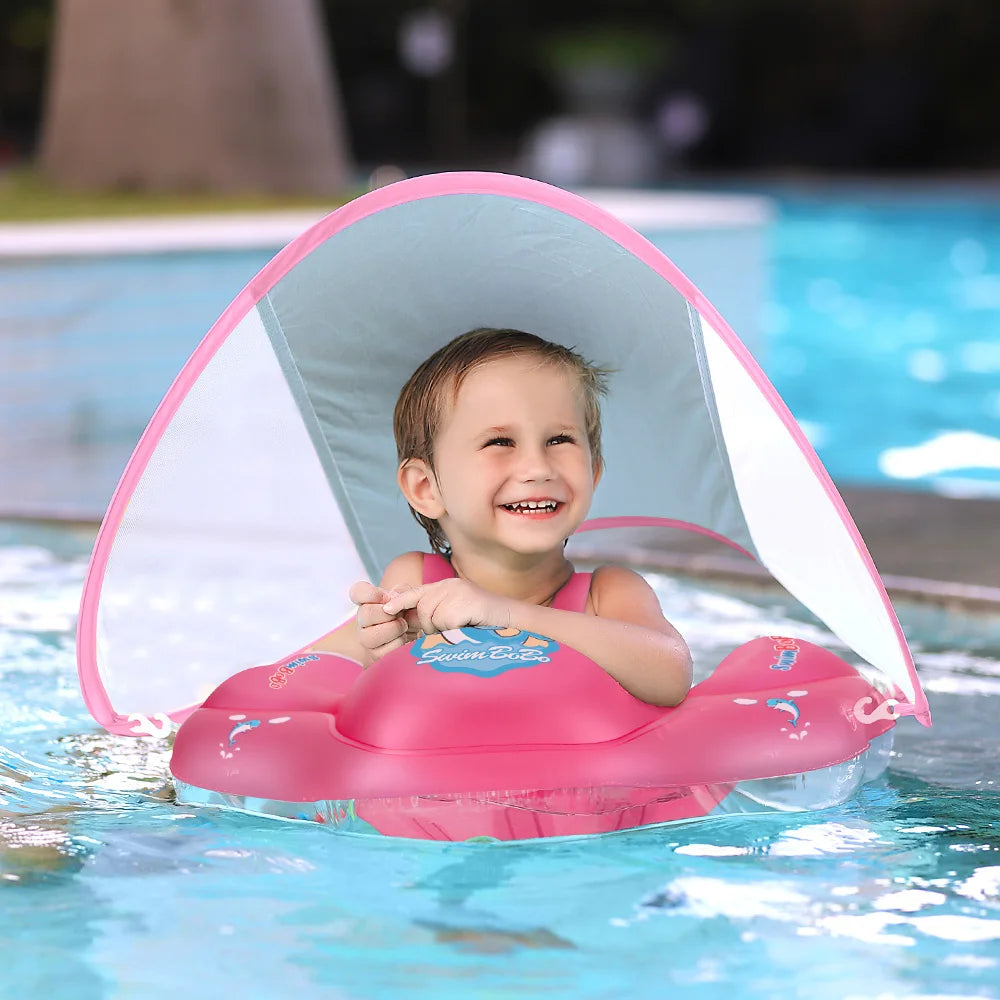
Supportive pool floats designed for infants help maintain proper posture and reduce arm fatigue for parents. When paired with hands-on supervision, they create a calmer water experience that encourages bonding and gentle movement.
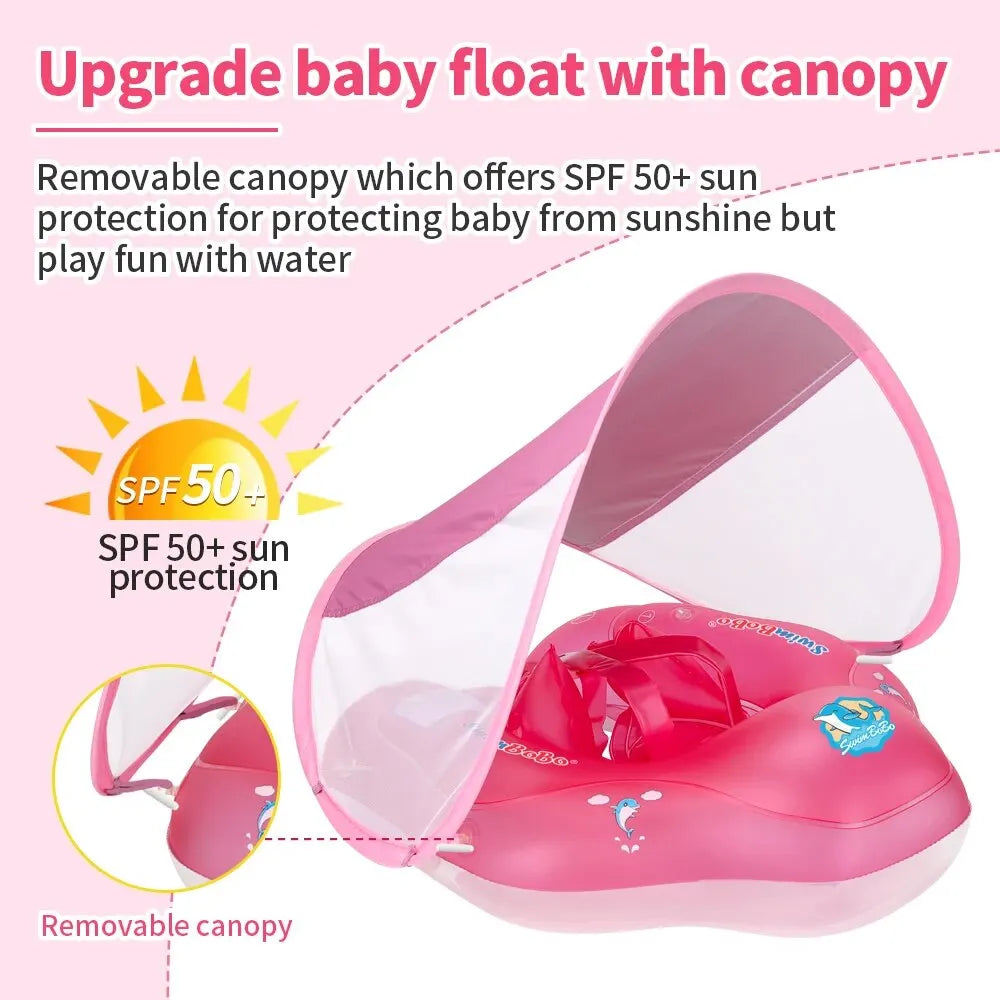
Baby Swimming Float with Canopy offers sun protection and ergonomic support, helping parents manage infant pool safety concerns without overwhelming setups.
A safer way to enjoy water play — 💡 See it in action
Infant pool safety FAQs
How long can infants safely stay in a pool?
Most infants should limit pool time to 10–15 minutes. Short sessions reduce temperature stress and overstimulation while supporting safe water play.
Do infant floats replace adult supervision?
No. Infant pool safety concerns remain even with floats. Adults must maintain hands-on supervision at all times.
What’s the safest time of day for infant pool play?
Early morning or late afternoon reduces sun exposure and overheating, making water play safety easier to manage.
Related Guide: How to protect baby pool sun safely step by step





