

Infant Sensory Development Features That Boost Calm and Focus
How can you calm a crying newborn quickly and safely?
How to soothe a crying newborn starts with meeting basic needs and creating a calm sensory environment. Gentle holding, rhythmic motion, soft infant lullabies songs, and a consistent routine help regulate your baby’s nervous system, reduce gas discomfort, and support how to soothe newborn sleep naturally in the first months.
How to Soothe a Crying Newborn Step by Step
Crying can feel overwhelming, especially in the early weeks when you’re still learning your baby’s cues. If you’re wondering how to soothe a crying newborn without panic or guesswork, you’re not alone. This step-by-step guide walks you through practical, gentle methods that help calm fussiness, ease gas, and support better sleep—while building confidence in your daily routine.
⏱ 7 min read

How to soothe a crying newborn using calm routines, gentle sounds, and consistent comfort 💡 See it in action
Which soothing method works best for your baby? Understanding why your newborn cries is the first step to calmer days and longer nights.
Why Newborns Cry and What They’re Telling You
Crying is a newborn’s primary form of communication. While it may feel constant at times, each cry usually signals a specific need. Learning to decode these signals helps you respond faster and with less stress.
- Hunger: Rhythmic, escalating cries often paired with rooting.
- Sleepiness: Short, fussy cries when overstimulated.
- Gas or discomfort: Pulling legs up, stiff body, red face.
- Need for comfort: Cries that stop when held or rocked.
When an infant is hard to put to sleep, overstimulation and unmet comfort needs are often the cause—not “bad habits.”
Step-by-Step: How to Soothe a Crying Newborn
How to soothe a crying newborn works best when you follow a calm, predictable order. Start with the most basic needs, then move toward sensory soothing. This reduces trial-and-error and helps your baby feel secure.
- Check basic needs: Feeding, diaper, temperature.
- Hold close: Skin-to-skin or chest-to-chest contact.
- Use gentle motion: Rocking, slow walking, or swaying.
- Add calming sound: Soft infant lullabies songs or white noise.
- Reduce stimulation: Dim lights, quiet voices.
Many parents find that combining motion with sound works faster than either alone.
How to Soothe Newborn Sleep Gently
How to soothe newborn sleep isn’t about strict schedules—it’s about consistent cues. Babies thrive on repetition, even in the earliest weeks.
- Play the same gentle lullabies for babies before naps.
- Lower lights and noise 15 minutes before sleep.
- Use the same holding or rocking pattern nightly.
- Put baby down drowsy, not fully asleep.
Over time, these cues teach your baby that sleep is safe and predictable.

How to soothe newborn sleep using gentle lullabies for babies and consistent cues 💡 See it in action
How to Soothe Newborn Gas and Tummy Discomfort
Soothe newborn gas by helping trapped air move through the digestive system. Gas pain is a common reason an infant is hard to put to sleep, especially in the evening.
- Burp slowly during and after feeds.
- Hold baby upright for 20 minutes post-feeding.
- Try gentle bicycle leg movements.
- Use slow rocking paired with calm sound.
Parents often report fewer crying episodes when gas relief is combined with quiet, rhythmic environments.
Why Lullabies and Sound Matter for Calm Babies
Infant lullabies songs are designed with slow tempos and simple melodies that mirror a resting heartbeat. This helps regulate breathing and heart rate, making it easier for babies to relax.
| Sound Type | Benefit |
|---|---|
| Gentle lullabies for babies | Emotional comfort and sleep association |
| Sleeping infant music | Longer, more settled sleep periods |
| Baby sleep sounds | Blocks sudden household noise |
Pairing calming nursery music with visual movement enhances soothing effects.
Many parents choose a musical crib mobile to combine sound, motion, and visual focus in one simple setup.
Tools That Make Soothing Easier for Parents
Having the right support tools reduces exhaustion and guesswork. Items designed for comfort and relaxation help parents respond consistently.
- Sleep & Comfort for calming environments
- Massage & Relaxation to ease tension and gas
- Sensory Toys for gentle visual engagement
- Smart Baby Gadgets that support routines
These tools don’t replace parental comfort—they enhance it.
Common Soothing Mistakes to Avoid
- Switching techniques too quickly
- Overstimulating with bright lights or loud play
- Waiting too long to respond to early cues
- Assuming crying always means hunger
Consistency and calm responses are more effective than rapid changes.
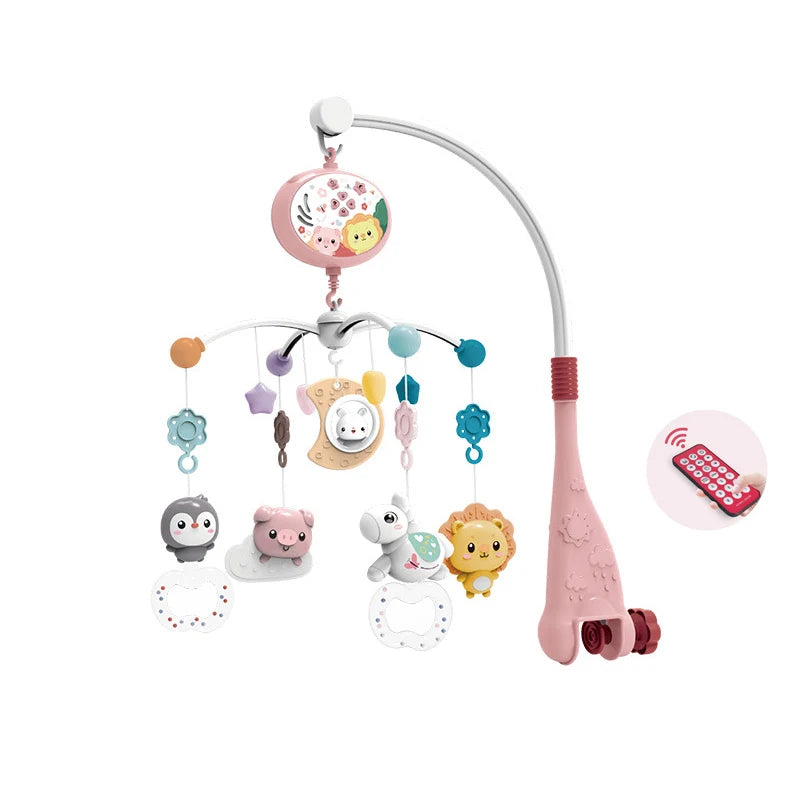
How to soothe a crying newborn with calm sound, motion, and routine 💡 See it in action
Quick Parent FAQs
How long should it take to soothe a crying newborn?
Most babies calm within 5–15 minutes when their primary need is met and soothing techniques are consistent.
Is it okay to use music every time my baby cries?
Yes, gentle and predictable sounds help babies associate music with safety and calm.
What if my infant is hard to put to sleep every night?
Evening fussiness is common. Focus on routine, reduced stimulation, and consistent calming cues.





