

Infant Sensory Development Play Mat Features That Drive Growth
Does an infant sensory development play mat really support early growth?
An infant sensory development play mat supports infant sensory stimulation by engaging touch, sight, and movement at the same time. Purposeful floor play strengthens sensory integration infants rely on for balance and awareness while encouraging early motor development such as rolling, reaching, and core control during the first months.
Infant Sensory Development Play Mat Features That Drive Growth
An infant sensory development play mat can do far more than keep your baby occupied for a few minutes. Thoughtfully designed mats create daily opportunities for infant sensory stimulation, strengthen sensory integration infants need for coordination, and gently guide early motor development through safe, responsive play.
⏱ 7 min read
Many parents worry they are not doing enough during tummy time or feel overwhelmed by shelves of baby gear promising development benefits. Is a play mat really helpful, or just another soft surface? Understanding how specific features work makes it easier to choose with confidence.
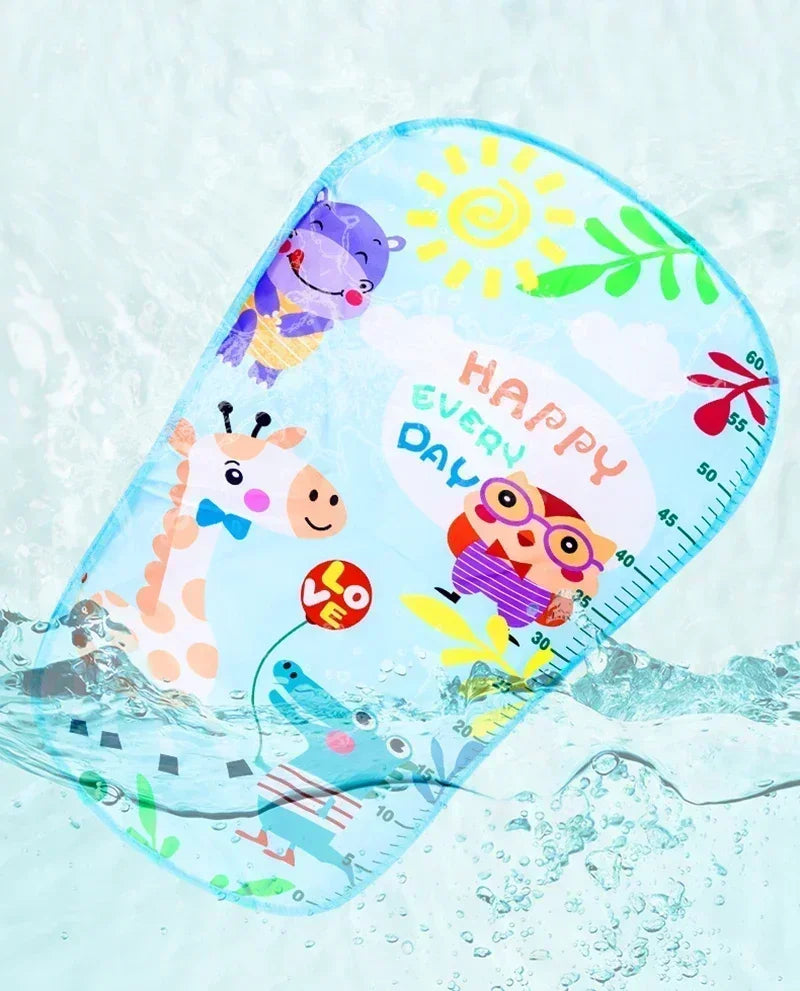
Infant sensory development play mat supporting infant sensory stimulation and early motor development 💡 See it in action
Why Sensory Play Mats Matter in the First Year
An infant sensory development play mat creates a dedicated space where babies can safely explore their bodies and surroundings. The first year is when neural connections form fastest, and repeated sensory-rich experiences help wire pathways for movement, focus, and learning.
Unlike swings or loungers, floor play encourages active participation. Babies push, reach, kick, and roll, building confidence with every small success.
- Encourages longer tummy time without stress
- Supports independent play in short, frequent sessions
- Creates predictable routines babies recognize and enjoy
- Reduces reliance on screens or passive toys
Parents browsing Baby Growth & Learning often look for tools that support development without complicated setups. A well-designed play mat fits naturally into daily life.
How Infant Sensory Stimulation Shapes the Brain
An infant sensory development play mat delivers infant sensory stimulation by combining textures, colors, sounds, and movement in one space. Each element activates different sensory systems that work together during play.
Touch and Texture Awareness
Soft fabric, raised patterns, and varied surfaces help babies learn how different sensations feel. This tactile input improves body awareness and helps infants respond calmly to new sensations later.
Visual Tracking and Focus
High-contrast shapes and gentle colors encourage eye tracking. As babies follow objects with their eyes, they strengthen coordination between vision and movement.
Cause-and-Effect Learning
Crinkles, mirrors, and dangling elements teach babies that their actions create results. This builds curiosity and confidence during play.
Many parents pair play mats with items from Sensory Toys to extend these benefits as babies grow.
Supporting Sensory Integration Infants Need for Balance
Sensory integration infants develop happens when the brain learns to organize input from multiple senses at once. A quality play mat encourages this naturally through movement-based play.
As babies shift weight, roll, or reach across their bodies, they practice coordinating muscles with sensory feedback. Over time, this improves balance and postural control.
- Improves tolerance for movement and position changes
- Supports smoother transitions between play positions
- Builds a foundation for crawling and sitting
- Reduces frustration during new physical challenges
Families often combine floor play with gentle routines from Massage & Relaxation to help babies regulate after active sessions.
Driving Early Motor Development Through Floor Play
Early motor development depends on opportunities to move freely. An infant sensory development play mat offers a safe surface that invites motion rather than restricting it.
Strengthening Core and Neck Muscles
Tummy time on a supportive mat builds strength needed for rolling, sitting, and crawling. Interactive elements motivate babies to lift their heads longer.
Encouraging Reaching and Grasping
Hanging toys and textured patches promote reaching, improving arm strength and hand coordination.
Promoting Rolling and Pivoting
Open space allows babies to experiment with rolling and turning, key milestones in early motor development.
Parents exploring Mobility & Training often start with a play mat as the first step toward confident movement.
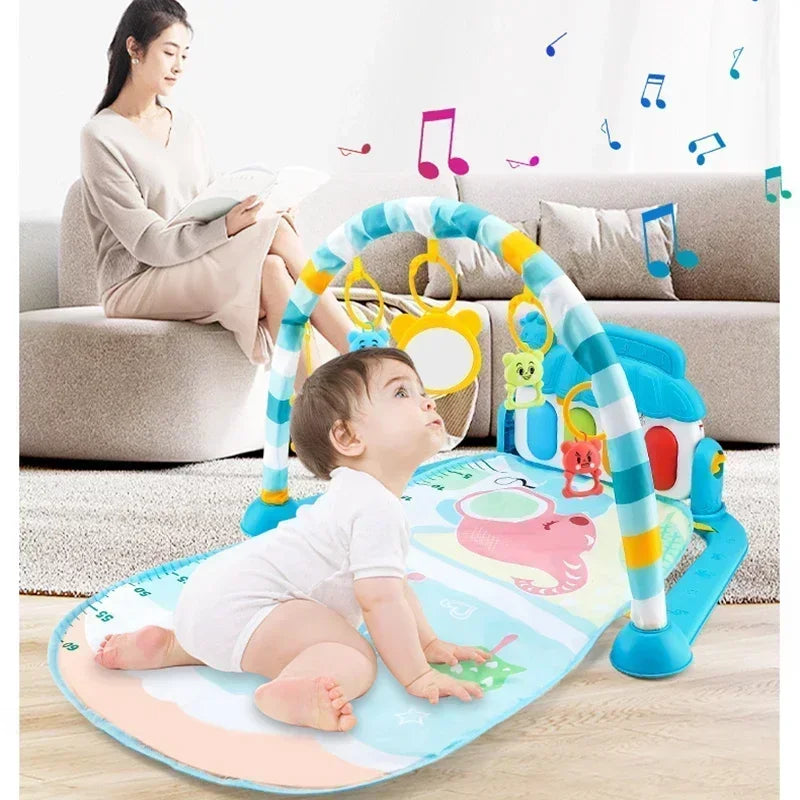
Infant sensory development play mat encouraging sensory integration infants and early motor development 💡 See it in action
Key Features That Separate Effective Mats From Basic Ones
An infant sensory development play mat stands out when every feature serves a developmental purpose rather than decoration alone.
Multi-Zone Textures
Different areas stimulate hands, feet, and torso, encouraging full-body engagement.
Detachable Activity Elements
Removable toys allow play to adapt as babies grow and interests change.
Supportive Padding
Balanced cushioning protects joints while still allowing babies to feel movement and pressure.
Easy-Clean, Non-Toxic Materials
Parents value mats that stay hygienic and safe through daily use.
Many families browsing Baby Care Essentials prioritize mats that combine comfort with durability.
Sensory Play Mat vs. Passive Baby Gear
| Feature | Sensory Play Mat | Passive Gear |
|---|---|---|
| Movement Freedom | Encourages active movement | Limits mobility |
| Sensory Input | Multi-sensory engagement | Minimal stimulation |
| Skill Development | Supports motor and sensory growth | Entertainment-focused |
This comparison helps parents see why floor-based play tools often deliver better long-term outcomes.
What Daily Use Looks Like for Real Families
Parents report using an infant sensory development play mat multiple times a day in short sessions. Morning tummy time, afternoon exploration, and calm evening play all fit naturally.
Many caregivers notice improved head control and longer attention spans within weeks. Babies become more confident exploring their surroundings.
Pairing play mats with calming routines from Sleep & Comfort helps balance stimulation and rest.
Safety, Comfort, and Materials Parents Trust
Safety remains a top concern. High-quality mats use non-toxic fabrics, secure stitching, and stable padding. Breathable materials help regulate temperature during active play.
Parents appreciate designs that fold or store easily without sacrificing support.
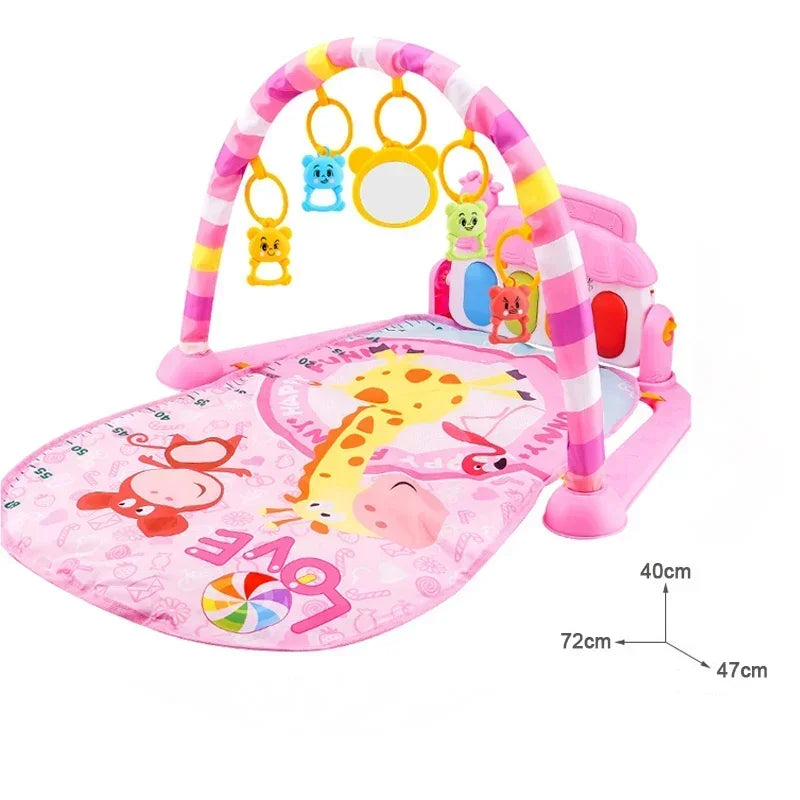
Infant sensory development play mat designed for infant sensory stimulation and comfort 💡 See it in action
Mini FAQ
When can a baby start using an infant sensory development play mat?
Most babies can begin supervised floor play from the newborn stage. Short, frequent sessions support early sensory and motor skills safely.
How long should daily play mat sessions last?
Several short sessions of 5–10 minutes are ideal, gradually increasing as strength and interest grow.
Can a play mat replace tummy time?
A play mat enhances tummy time by making it more engaging, but active positioning by caregivers still matters.
Is one play mat enough as babies grow?
Mats with adjustable features and detachable elements adapt well through multiple developmental stages.





