

Infant Sensory Development Solutions for Different Daily Routines
Does infant sensory development really work?
Infant sensory development supports how babies learn through touch, sound, sight, movement, and routine-based experiences. By using gentle infant sensory stimulation during everyday moments, parents can support newborn senses development naturally. Consistent sensory motor activities for infants help strengthen brain connections, emotional security, and early learning—without overwhelming busy daily schedules.
Infant Sensory Development Solutions for Different Daily Routines
⏱ 7 min read
Infant sensory development thrives when daily routines turn into tiny learning moments. From diaper changes to nap wind-downs, smart infant sensory stimulation supports newborn senses development without adding stress. By pairing simple sounds, textures, and movement, sensory motor activities for infants can fit mornings, outings, and bedtime alike. The surprising part? Small, consistent cues matter more than expensive tools—so which routine could unlock your baby’s next big leap?
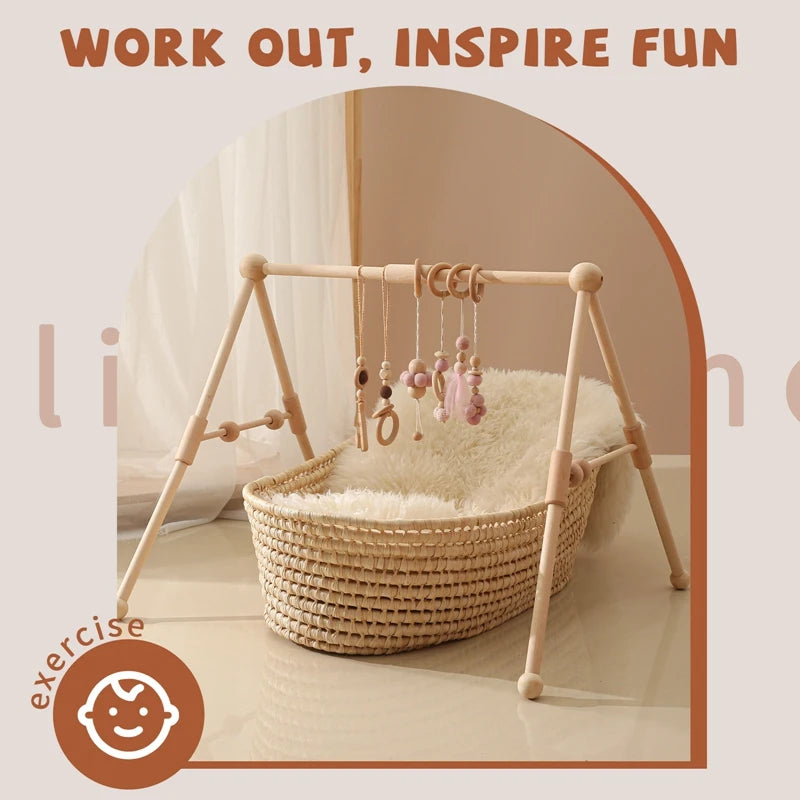
Infant sensory development through everyday routines — 💡 See it in action
Why infant sensory development works best inside daily routines
Infant sensory development grows fastest when learning feels safe and familiar. Babies don’t need constant novelty. Instead, predictable routines paired with gentle sensory cues help newborn senses development feel comforting rather than overwhelming.
Research and pediatric guidance consistently show that repetition builds stronger neural pathways. When a baby hears the same soft voice during dressing or feels a familiar texture at bath time, the brain begins to anticipate, process, and respond.
- Consistency builds emotional security
- Simple cues support memory formation
- Daily repetition reduces overstimulation
- Routine-based learning fits real family life
That’s why many parents explore tools from Baby Growth & Learning and Sensory Toys to support learning without disrupting daily flow.
How morning routines gently wake up newborn senses
Infant sensory stimulation in the morning sets the tone for the entire day. Soft light, gentle movement, and calm sounds help babies transition from sleep to alertness without stress.
- Open curtains slowly to introduce natural light
- Talk through clothing changes using calm narration
- Offer a textured toy for brief hand exploration
- Use slow stretches to support sensory motor activities for infants
Parents often pair morning play with simple tools like wooden rattles or soft gyms, such as the baby wooden rattle play gym, designed to support infant sensory development through sound and movement.
For added support, collections like Baby Care Essentials and Mobility & Training offer gentle solutions that fit morning routines naturally.
Turning diaper changes into sensory learning moments
Diaper changes happen many times a day, making them ideal opportunities for infant sensory stimulation. Even short moments count toward newborn senses development.
Try using consistent phrases, eye contact, and touch cues during each change. Over time, babies recognize patterns and feel more relaxed.
- Describe actions using calm, rhythmic speech
- Let baby briefly touch a soft cloth or safe object
- Pause for eye contact to build social awareness
Many families keep small sensory items nearby from Baby Hygiene Gadgets or Baby Care Tips & Advice to make these moments smoother.
How feeding routines support infant sensory development
Feeding is one of the strongest sensory experiences in early life. Taste, smell, touch, and bonding all intersect here.
Whether nursing or bottle-feeding, consistency supports infant sensory development by helping babies anticipate comfort.
- Maintain similar feeding positions
- Use calm lighting and minimal noise
- Allow baby to explore bottle or breast with hands
- Pause to let baby process sensations
Helpful tools from Feeding & Nursing, Bottle Warmers, and Breastfeeding Aids can reduce stress and keep feeding predictable.
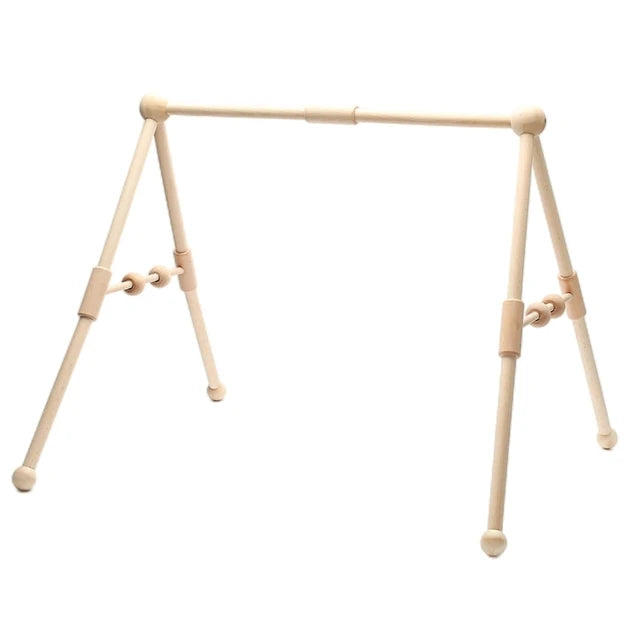
Infant sensory stimulation during daily play — 💡 See it in action
Outdoor moments that enhance newborn senses development
Outdoor time introduces natural textures, sounds, and movements that enrich infant sensory development without toys.
Short walks, balcony air, or sitting near an open window can provide powerful sensory motor activities for infants.
- Listen to birds or distant traffic sounds
- Feel gentle breeze on skin
- Watch moving leaves or clouds
- Experience varied temperatures safely
Parents often combine outdoor time with tools from Monitoring Devices and Temperature Tools for peace of mind.
Evening routines that calm and organize sensory input
Evenings are about helping babies process the day. Infant sensory development benefits when stimulation gradually decreases.
Consistent bedtime rituals help newborn senses development shift toward rest.
- Warm bath with slow movements
- Gentle massage using familiar touch
- Dim lighting and soft voices
- Repetitive lullabies or white noise
Many parents rely on Baby Bath Accessories, Massage & Relaxation, and Sleep & Comfort to keep evenings predictable.
Choosing sensory tools that match your baby’s routine
The best infant sensory stimulation tools feel like a natural extension of daily life. Overly complex products can overwhelm both baby and parent.
| Routine | Helpful Sensory Focus | Example Tools |
|---|---|---|
| Morning play | Sound & movement | Wooden rattles, play gyms |
| Feeding | Touch & bonding | Ergonomic feeding tools |
| Bath time | Temperature & texture | Soft bath accessories |
| Bedtime | Calming repetition | Massage tools, comfort items |
Exploring curated collections like Baby Growth & Learning helps parents match tools to real routines.
What real parents notice after routine-based sensory play
Parents often report subtle but meaningful changes after integrating infant sensory development into daily routines.
- “My baby relaxes faster at bedtime now.”
- “Diaper changes became calmer and quicker.”
- “Morning play feels more focused.”
These experiences highlight how consistency—not complexity—supports newborn senses development.

Sensory motor activities for infants at home — 💡 See it in action
Frequently asked questions
How much sensory stimulation does a baby need each day?
Short, consistent moments throughout the day are enough. Infant sensory development benefits more from repetition during routines than long play sessions.
Can sensory play overstimulate a newborn?
Yes, too much novelty at once can overwhelm. That’s why routine-based infant sensory stimulation works best.
Do I need special toys for newborn senses development?
No. Simple tools, familiar voices, and everyday textures already support healthy sensory motor activities for infants.





