

Infant Sensory Motor Development Features That Drive Real Growth
Does infant sensory motor development really matter?
Infant sensory motor development builds the brain–body connections babies rely on for movement, focus, and learning. Through sensory motor activities for infants—touch, sound, movement, and cause-and-effect play—babies strengthen coordination, confidence, and early problem-solving. The right stimulation supports healthier growth outcomes during the most critical first year.
Infant Sensory Motor Development Features That Drive Real Growth
Infant sensory motor development is more than milestones—it’s about how everyday experiences shape your baby’s brain and body together. From grasping a rattle to kicking with purpose, small sensory motor activities for infants quietly support balance, coordination, and confidence during the most important months of growth.
⏱ 8 min read
Have you ever wondered why some babies seem more curious, coordinated, or engaged during playtime? Or why certain toys calm and focus your baby while others get ignored? These moments often come down to how well infant sensory stimulation supports early motor development in infants.
Which sensory features actually help your baby grow—and which are just noise? Let’s break it down clearly so you can choose with confidence.
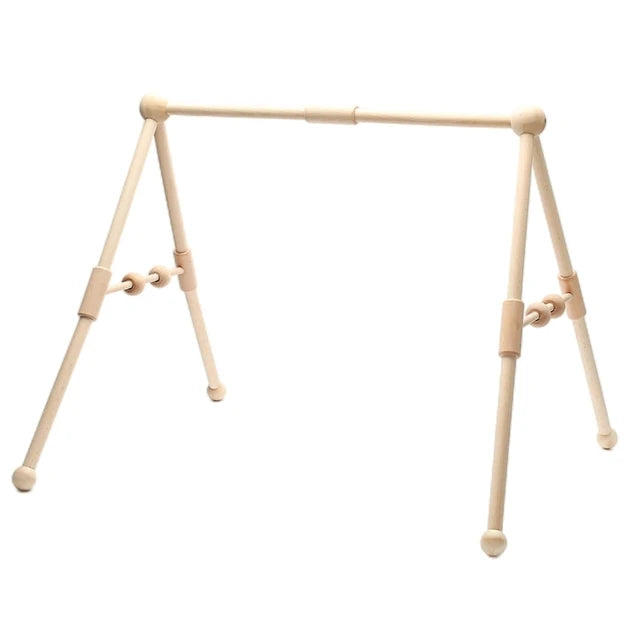
Infant sensory motor development through hands-on play and gentle movement 💡 See it in action
Many parents feel overwhelmed by conflicting advice, cluttered toy shelves, and worries about doing “enough.” The good news? Effective sensory motor activities for infants don’t need to be complicated. The right design features naturally guide your baby toward healthier, happier development.
👉 Discover development-focused play tools that support real growth
What Is Infant Sensory Motor Development?
Infant sensory motor development refers to how babies learn to move their bodies by processing sensory input like touch, sound, sight, and movement. It links muscles, nerves, and the brain, helping infants build control, coordination, and awareness of their environment during early motor development in infants.
From birth to 12 months, babies experience rapid neural growth. Each reach, kick, and grasp strengthens pathways that support sitting, crawling, and later walking. Without consistent infant sensory stimulation, these connections may develop more slowly or unevenly.
Why Sensory Motor Features Matter More Than You Think
Infant sensory motor development depends heavily on how a baby interacts with their environment. Toys and tools with intentional sensory features don’t just entertain—they guide learning through repetition, feedback, and exploration.
Parents often worry about:
- Babies losing interest quickly
- Overstimulating lights or sounds
- Limited space for safe movement
- Unclear developmental benefits
Well-designed sensory motor activities for infants reduce these concerns by offering calm, purposeful engagement that supports both body and brain growth.
👉 Explore thoughtfully designed sensory toys for infants
Key Features That Drive Real Growth
1. Tactile Variety That Encourages Exploration
Textures play a major role in infant sensory stimulation. Smooth wood, soft fabric, and gentle ridges encourage babies to grasp, squeeze, and explore with their hands and feet.
These movements strengthen fine motor skills and improve hand–eye coordination, both essential parts of early motor development in infants.
2. Cause-and-Effect Feedback
When a baby shakes a rattle and hears a soft sound, or bats a hanging toy and sees it move, the brain learns quickly. This feedback loop reinforces curiosity and intentional movement.
Simple cause-and-effect play supports attention span and builds early problem-solving skills.
3. Safe Freedom of Movement
Babies need room to move without restriction. Open-frame play gyms allow kicking, stretching, and rolling—critical actions for core strength and balance.
Pairing these tools with floor-safe environments from Baby Care Essentials helps parents create consistent, stress-free play routines.
4. Calming, Natural Design
Overstimulating colors and electronic noise can overwhelm developing nervous systems. Natural materials and soft tones support focused play and emotional regulation.
This calmer approach aligns better with healthy infant sensory motor development over time.

Sensory motor activities for infants that promote calm focus and movement 💡 See it in action
How Wooden Rattle Play Gyms Support Development
Infant sensory motor development improves when babies interact with tools that combine movement, texture, and sound in a balanced way. Wooden rattle play gyms do exactly this by offering multi-sensory input without overwhelming stimulation.
Unlike battery-powered toys, these gyms encourage babies to move their own bodies to activate feedback. This self-driven action strengthens muscles and reinforces learning.
The Baby Wooden Rattle Play Gym supports:
- Grasping and reaching skills
- Leg strength through kicking
- Visual tracking and focus
- Confidence through independent play
Parents often notice longer engagement periods and calmer play sessions, especially when paired with soft routines from Sleep & Comfort solutions.
👉 Learn how this play gym fits into daily routines
Basic Toys vs Sensory-Focused Designs
| Feature | Basic Toys | Sensory-Focused Designs |
|---|---|---|
| Movement Encouragement | Limited | Active, self-driven |
| Sensory Variety | Single input | Touch, sound, motion |
| Engagement Time | Short | Longer, focused play |
| Developmental Impact | Unclear | Supports early motor development in infants |
This comparison highlights why intentional design matters for infant sensory motor development, especially for parents comparing long-term value.
How to Use Sensory Motor Tools Daily
- Place the play gym on a firm, safe surface.
- Allow short sessions multiple times a day.
- Rotate positions—back, tummy, side play.
- Observe and follow your baby’s cues.
Consistency matters more than duration. Even 10-minute sessions can support strong infant sensory stimulation when repeated daily.
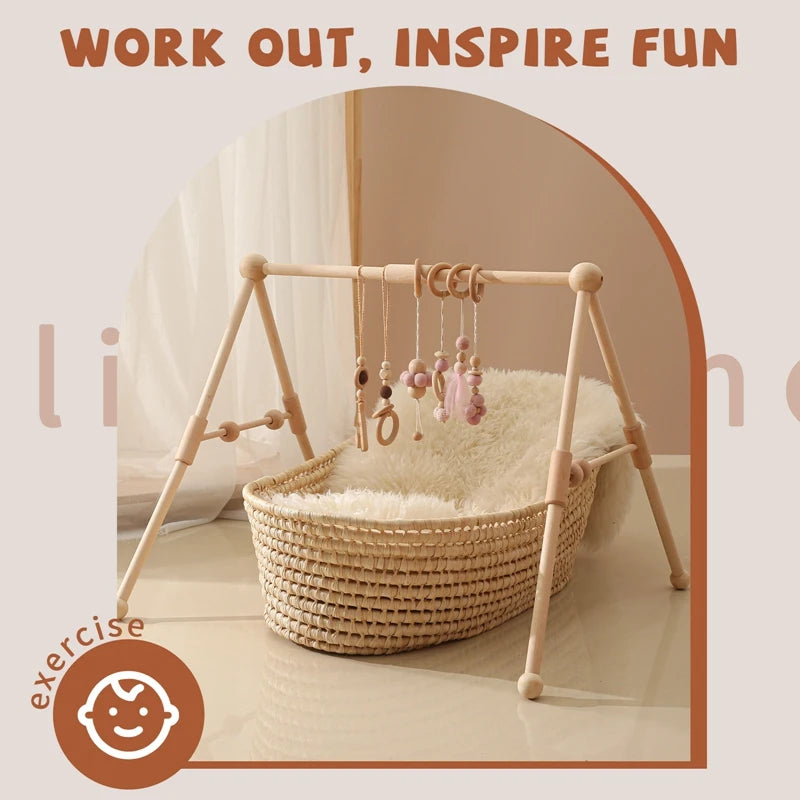
Early motor development in infants supported through daily sensory play 💡 See it in action
Parents often combine these routines with calming practices from Massage & Relaxation to support both physical and emotional growth.
Real Parent Results and Observations
Many parents report noticeable improvements within weeks:
- More purposeful reaching and grasping
- Improved tummy-time tolerance
- Calmer independent play
- Earlier coordination milestones
These outcomes reflect how thoughtful sensory motor activities for infants quietly compound over time.
👉 Get yours now and support healthier development today
Mini FAQ
When should infant sensory motor development activities start?
From birth. Gentle sensory motor activities for infants can begin immediately, adapting as your baby grows stronger and more alert.
How much infant sensory stimulation is enough?
Short, frequent sessions are ideal. Follow your baby’s cues to avoid overstimulation.
Are natural materials better for sensory play?
Yes. Natural textures and calming colors support focused exploration and comfort.
Can one product support multiple stages?
Well-designed play gyms adapt from newborn kicking to later reaching and grasping stages.





