

Infant swim ring with canopy: Pros, cons, top picks
How can parents protect a baby from the sun during pool time?
How to protect baby pool sun starts with shade, protective swimwear, and smart timing. Using uv protection swimwear for infants, limiting midday exposure, and following basic infant pool safety rules helps reduce UV risk while keeping water play safe, comfortable, and fun for babies.
How to Protect Baby Pool Sun Safely Step by Step
⏱ 7 min read
How to protect baby pool sun is one of the biggest worries parents face during summer. Pool days promise joy, splashing, and bonding—but also raise real concerns about UV exposure, overheating, and slippery environments. The good news? With a few intentional steps, you can turn pool time into a safe, happy routine instead of a stressful one.
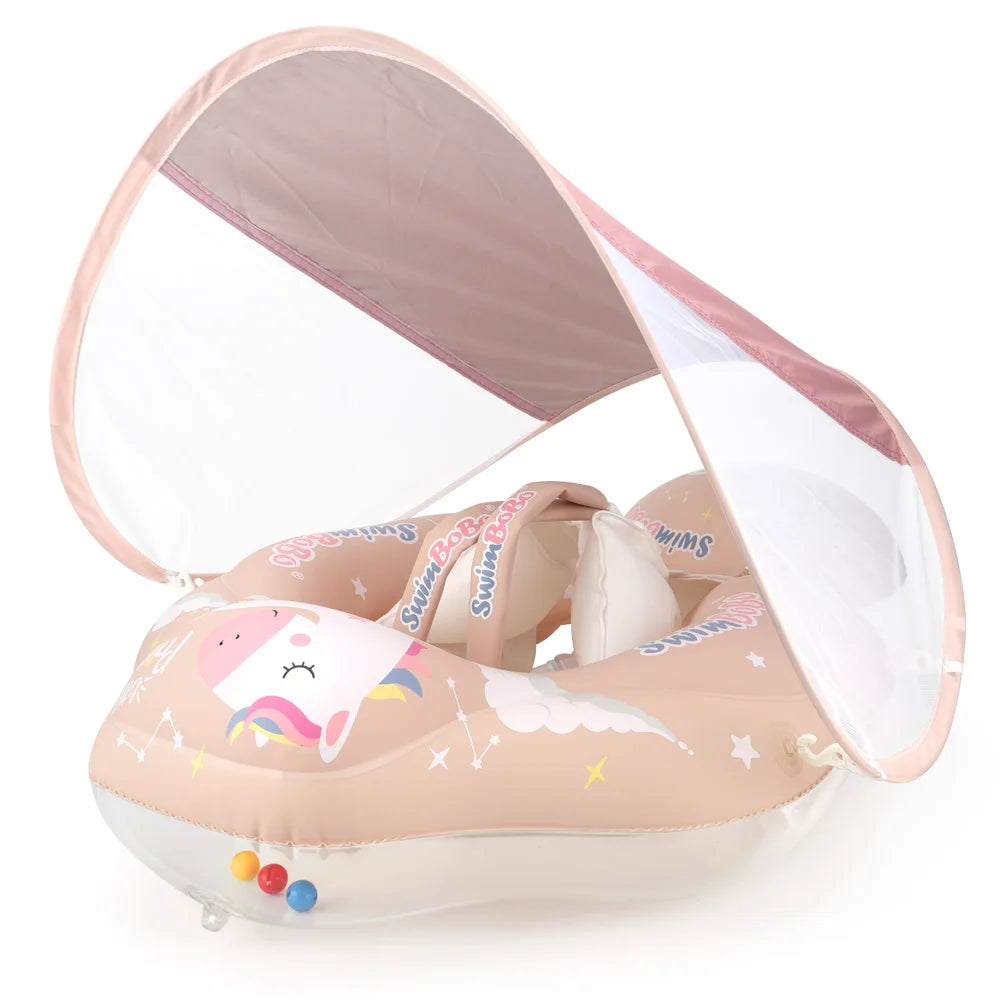
How to protect baby pool sun with shade, smart timing, and water play safety — 💡 See it in action
Why Baby Sun Protection at the Pool Matters
Babies have thinner skin and lower melanin levels than adults. That means UV rays penetrate faster and cause damage more easily. Even short exposure during water play can lead to redness, discomfort, or long-term skin sensitivity.
Pool areas intensify sun exposure because water reflects UV rays upward. Shade alone is helpful, but not enough. A layered approach—clothing, shade, timing, and supervision—creates real protection.
Many parents assume cloudy days or shallow water reduce risk. In reality, up to 80% of UV rays pass through light cloud cover, making consistent protection essential.
How to Protect Baby Pool Sun Step by Step
How to protect baby pool sun works best when parents follow a simple routine: cover, shade, supervise, and limit exposure. Combining uv protection swimwear for infants with structured infant pool safety habits reduces stress and helps babies enjoy water play safely.
- Dress baby in full-coverage swimwear: Long sleeves and UPF-rated fabrics block UV without overheating.
- Use shaded pool accessories: Canopies and umbrellas reduce direct sun exposure.
- Choose safe pool hours: Early morning or late afternoon minimizes UV intensity.
- Limit water sessions: Short, frequent play is safer than long exposure.
- Dry and cool down after swimming: Helps regulate body temperature.
Parents looking for added confidence often pair swimwear with shaded flotation tools designed for infants. These options support both comfort and positioning during supervised water play.
Why UV Protection Swimwear Makes Pool Time Easier
Uv protection swimwear for infants reduces the need for constant reapplication of topical products and provides consistent coverage even during active movement. For parents, this means fewer interruptions and more relaxed bonding moments.
- Blocks a high percentage of harmful UV rays
- Stays effective when wet
- Prevents overheating through breathable fabrics
- Allows free movement during water play
When combined with shaded floatation, such as a baby swimming float with canopy, parents create a controlled environment where babies can splash safely while staying protected.
Explore related essentials inside Baby Care Essentials to build a complete summer setup.
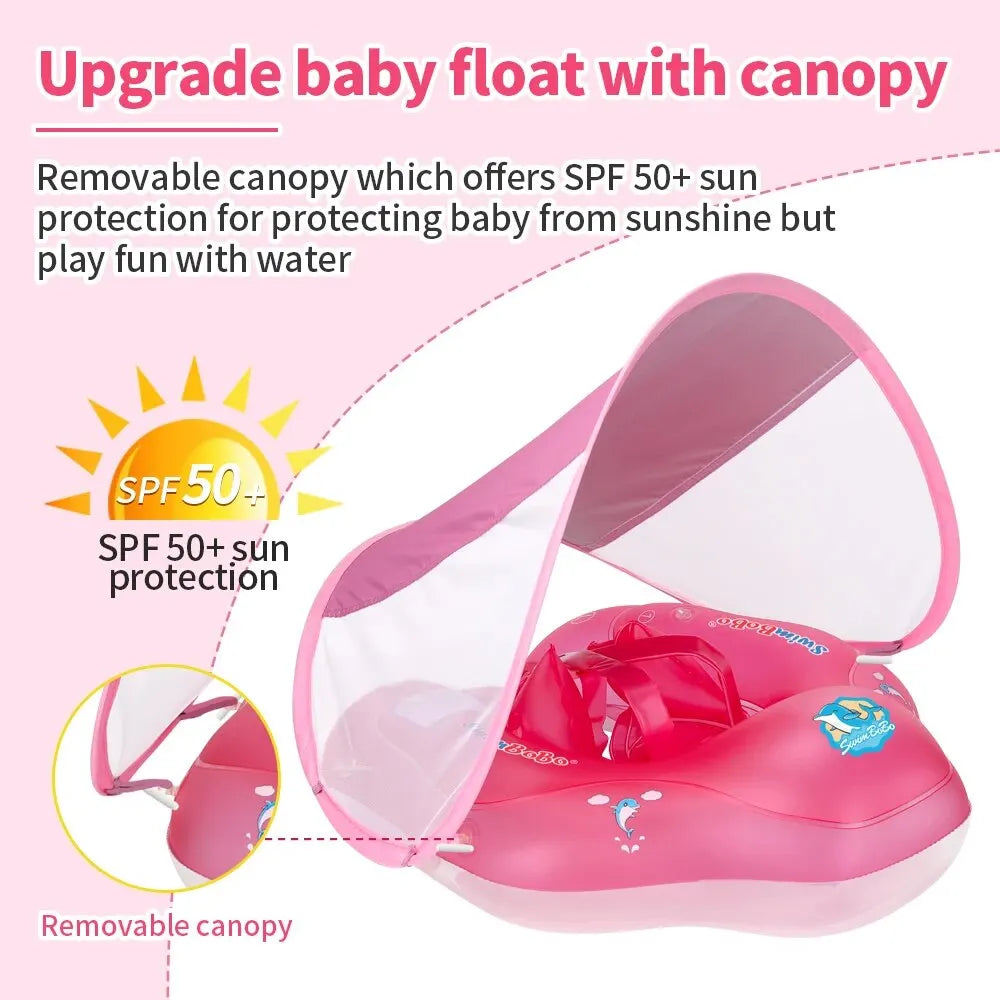
Uv protection swimwear for infants supports infant pool safety — 💡 See it in action
Essential Infant Pool Safety Habits Every Parent Should Know
Infant pool safety goes beyond sun protection. Slippery surfaces, temperature changes, and overstimulation can all affect baby comfort and safety during water play.
- Always maintain arm’s-length supervision
- Check water temperature before entry
- Use non-slip poolside footwear for caregivers
- Dry baby thoroughly after swimming
Parents often underestimate how quickly babies tire in water. Watch for subtle cues like fussiness, yawning, or reduced movement.
For more safety-focused tools, browse Health & Safety collections designed for infant environments.
Water Play Safety Checklist for Stress-Free Pool Days
Water play safety becomes easier when parents follow a consistent checklist before every pool session. This routine reduces last-minute panic and keeps everyone relaxed.
| Check | Why It Matters |
|---|---|
| Shade available | Reduces direct UV exposure |
| Proper swimwear | Ensures consistent sun protection |
| Water temperature tested | Prevents chills or overheating |
| Dry towel ready | Helps regulate body temperature |
Parents who follow a checklist report calmer babies and longer-lasting positive pool experiences.
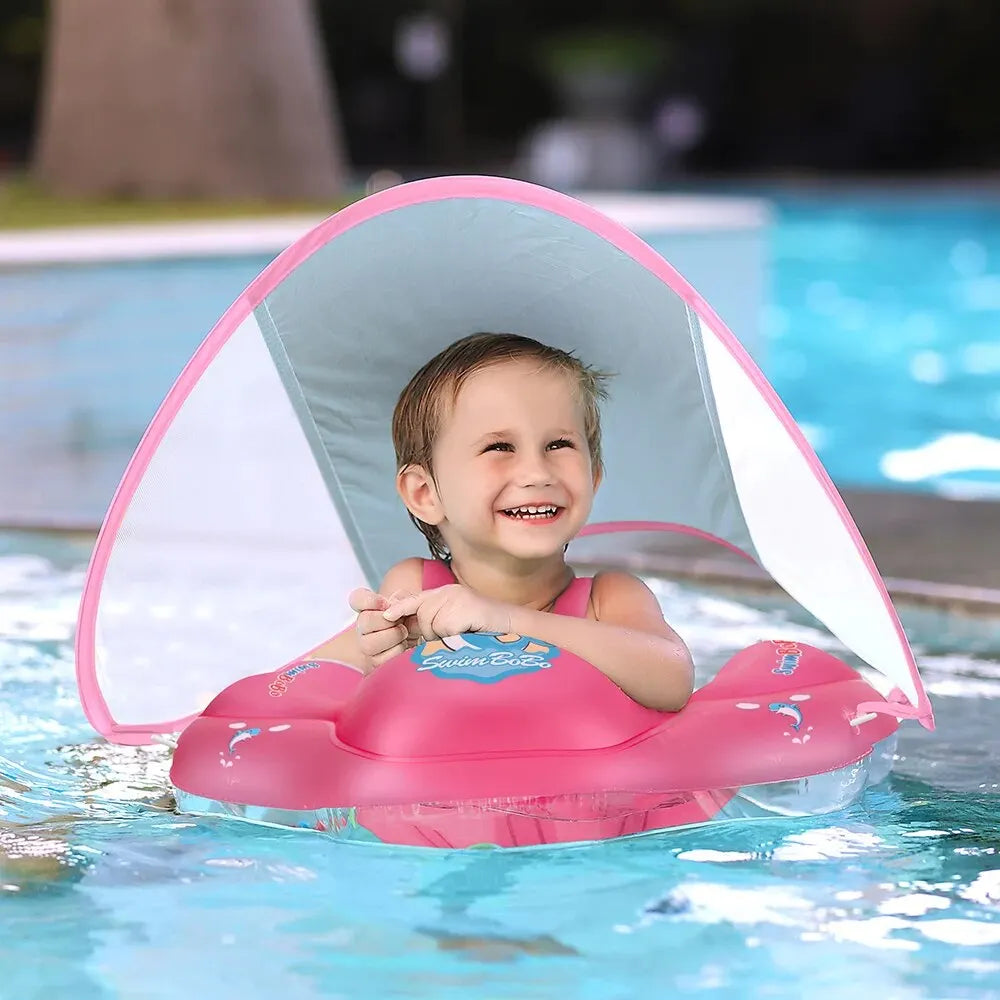
Infant pool safety and water play safety made simple — 💡 See it in action
What Real Parents Say About Safer Pool Time
“I used to worry constantly about sun exposure. Once we added shaded float time and uv swimwear, pool days became something I actually enjoy.” — Amanda, mom of 8-month-old
“Shorter sessions, more shade, and better gear made a huge difference. My baby stays calm and happy longer.” — Jason, first-time dad
Parents consistently report improved confidence when routines are simple and repeatable.
Mini FAQ: How to Protect Baby Pool Sun
How long can a baby safely stay in the pool?
Most infants do best with 10–20 minute sessions, depending on temperature and comfort. Watch baby cues closely.
Is shade enough without protective swimwear?
Shade helps but does not block reflected UV. Uv protection swimwear for infants adds consistent coverage.
What time of day is safest for baby pool play?
Early morning or late afternoon offers lower UV intensity and cooler temperatures.
Can pool water increase sun exposure?
Yes. Water reflects UV rays upward, increasing exposure without proper protection.
Related Guide: Best inflatable baby pool float: Top Picks Compared





