

Infant swimming float comparison: Top options for first pools
What makes a safe baby float for pool use at different ages?
A safe baby float for pool use supports your baby’s body based on age, muscle control, and comfort. The right design keeps infants stable, reduces tipping risk, and encourages gentle infant water play. For younger babies, features like wide bases, soft supports, and sun protection matter most.
Safe baby float for pool use by age and comfort level
Choosing a safe baby float for pool time can feel overwhelming when every month brings new changes in strength, confidence, and comfort. Babies grow fast, and what feels secure at one stage may not work at the next. Understanding how float design matches your baby’s age helps create calmer, happier water moments for both of you.
⏱ 7 min read
Which baby float truly matches your child’s age and comfort level? Many parents worry about stability, sun exposure, or whether their baby will feel relaxed or tense in the water. The right float doesn’t rush development—it supports it.
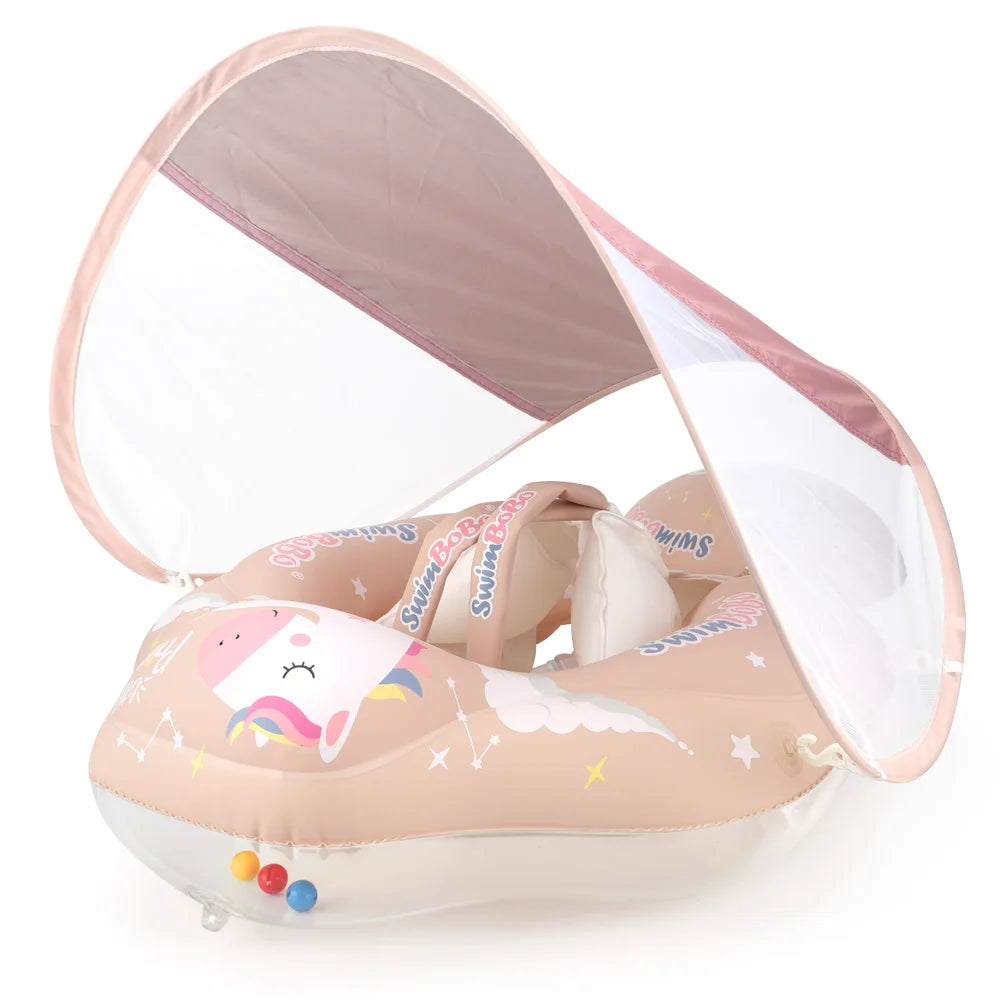
Safe baby float for pool comfort and infant water play 💡 See it in action
Why age matters when choosing a safe baby float for pool
A safe baby float for pool use must match physical development. Babies don’t gain head control, core strength, and balance all at once. A float designed for the wrong stage can feel unstable or overwhelming.
- Newborns need full-body support and gentle positioning
- Older infants benefit from space to kick and explore
- Toddlers need wider bases to prevent tipping as they move more
Parents browsing Baby Care Essentials often notice how age-specific design reduces stress during first pool experiences.
What makes an infant pool float 0–3 months safer?
A safe baby float for pool use during the first three months focuses on stability, soft contact points, and minimal movement. At this stage, babies are still adjusting to gravity, temperature changes, and new sensations.
An ideal infant pool float 0–3 months includes:
- Extra-wide base to prevent rolling
- Non-inflatable chest support for gentle belly protection
- Upright positioning to keep airways clear
- Optional canopy to reduce sun exposure
Parents often pair early pool sessions with items from Health & Safety collections to feel more confident during outdoor water play.
Choosing an inflatable infant pool float as babies grow
A safe baby float for pool use changes as babies gain neck strength and curiosity. Around 4–12 months, infants want to move, kick, and explore their surroundings.
An inflatable infant pool float at this stage should balance freedom with support:
- Longer base for stability during movement
- Leg openings that allow natural kicking
- Soft materials that don’t rub sensitive skin
- Quick inflation for easy setup on family outings
Many families browsing Baby Bath Accessories look for similar comfort features that reduce fussiness during water routines.
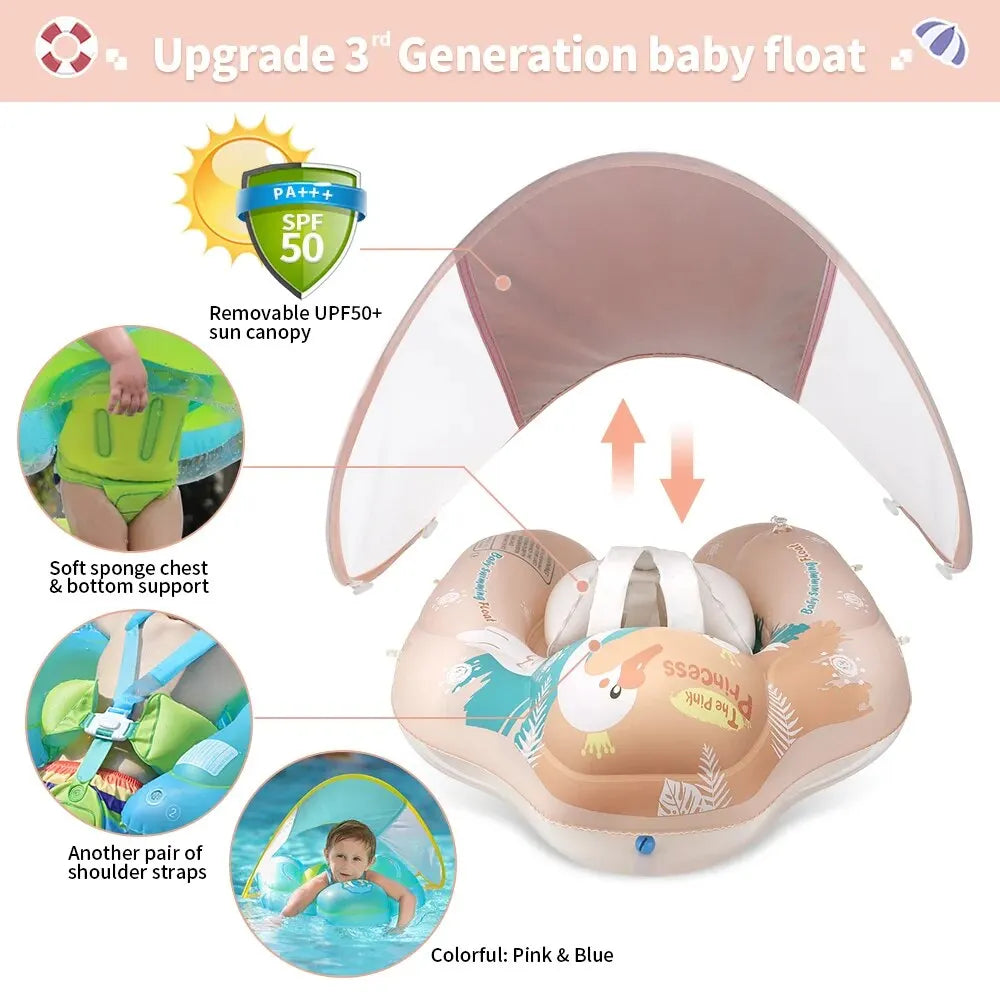
Inflatable infant pool float designed for comfort and infant water play 💡 See it in action
How comfort supports relaxed infant water play
A safe baby float for pool use isn’t just about safety—it’s about emotional comfort. Babies sense tension quickly. When they feel balanced and supported, their bodies relax.
Comfort-driven design helps:
- Reduce startle responses in water
- Encourage gentle leg movement
- Build positive associations with pools
- Give parents peace of mind
Some parents notice that pairing pool time with soothing routines from Sleep & Comfort helps babies transition smoothly after swimming.
Safety features that matter more than parents expect
A safe baby float for pool use relies on multiple design details working together. No single feature does all the work.
| Feature | Why it matters |
|---|---|
| Wide base | Reduces tipping during movement |
| Soft chest support | Prevents pressure on the belly |
| Sun canopy | Protects delicate skin outdoors |
| Secure air chambers | Maintains balance if one area shifts |
Parents focused on overall well-being often explore Baby Care Tips & Advice to learn how small design choices improve safety.
What real parents notice after switching to the right float
Parents who choose a safe baby float for pool use based on age often describe calmer experiences. One mom shared that her baby stopped crying once his float allowed natural kicking. Another parent noticed longer, happier pool sessions with fewer adjustments.
Common feedback includes:
- Babies staying relaxed longer
- Less need for constant repositioning
- Parents feeling more present instead of anxious
Many families combine water play with gentle recovery routines using items from Massage & Relaxation.
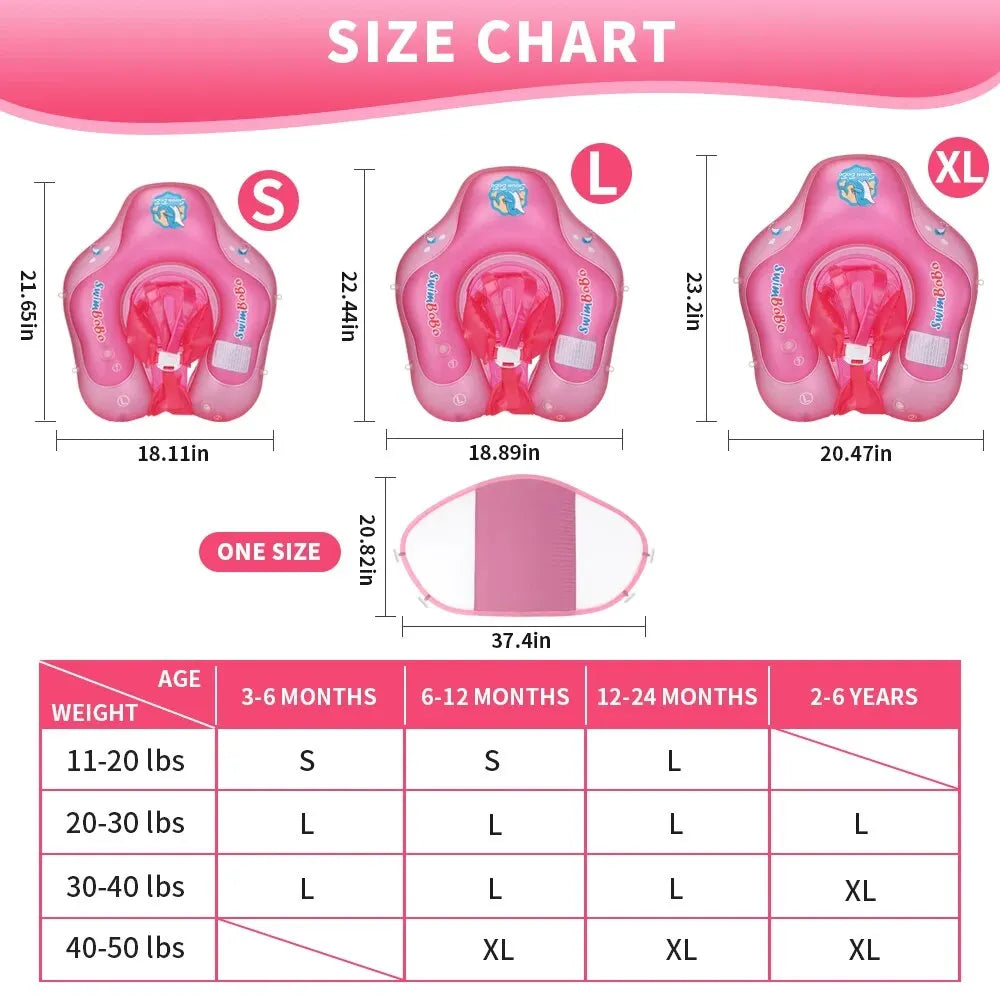
Safe baby float for pool use that adapts to age and comfort 💡 See it in action
Quick questions parents often ask
Can newborns use a pool float?
Yes, if the float is designed for infant pool float 0–3 months use. Look for full-body support, stable bases, and soft contact areas.
Is an inflatable infant pool float safe?
An inflatable infant pool float can be safe when it has multiple air chambers, secure seams, and age-appropriate support features.
How long should infant water play last?
Short sessions of 10–15 minutes are common for younger babies. Comfort and mood are better guides than the clock.
Related Guide: Best inflatable baby pool float: Top Picks Compared





