

Infant Pool Float Under 1 Year: Which Design Feels Safest?
Which inflatable infant pool floats feel safest for babies?
The safest inflatable infant pool floats combine a wide anti-tip base, deep supportive seating, multiple independent air chambers, and age-appropriate sizing. While these features improve stability, no inflatable infant float is a substitute for constant hands-on adult supervision. Choosing the right model depends on your baby's age, weight, and developmental stage, especially when shopping for an infant pool float 0–3 months.
Inflatable Infant Pool Floats Compared: Which Style Feels Safest?
⏱ 8 min read
Inflatable infant pool floats may look alike, but differences in buoyancy, seat depth, head support, and construction can dramatically affect how secure they feel in the water. This guide compares the safest infant pool float styles, explains which designs work best under 1 year, and highlights the features parents should prioritize for supervised pool time.
If you've ever wondered whether one float is actually safer than another, you're asking the right question. Understanding stability, age recommendations, and proper use helps you choose a float that supports enjoyable water introduction while maintaining realistic safety expectations.

Inflatable infant pool floats with wide bases offer calmer buoyancy support. See it in action.
Best Infant Pool Float Under 1 Year: Top Safe Picks Compared
Parents looking for the safest infant pool float under 1 year should focus less on appearance and more on design features. A well-designed float distributes weight evenly, minimizes tipping, and keeps babies comfortably upright during supervised pool sessions.
- Multi-chamber seat-style float – Best overall balance of stability, comfort, and buoyancy.
- Canopy infant float – Adds sun protection while maintaining good balance for outdoor pools.
- Baby boat float – Offers playful styling and generous buoyancy but varies by manufacturer.
- Basic ring float – Lightweight and portable, but generally better suited to older babies with stronger trunk control.
Which Infant Pool Float Under 1 Year Is Safest?
For most families, a seat-style float with multiple air chambers provides the safest balance between comfort and stability. Independent chambers help maintain flotation if one section loses air, while a deep seat reduces forward slipping.
This style is especially suitable for parents seeking a safe pool float for baby during calm, shallow pool sessions. Even so, every inflatable infant pool float has limitations:
- Provides flotation assistance—not drowning protection.
- Requires an adult within arm's reach at all times.
- Works best in calm water rather than waves or strong currents.
- Must match the baby's recommended age and weight.
Comparison Table: Best Infant Pool Floats Under 1 Year
| Style | Typical Age | Weight Guidance | Canopy | Head Support | Stability | Pros | Cons |
|---|---|---|---|---|---|---|---|
| Seat-Style Multi-Chamber | 3–12 months | Varies by manufacturer | Optional | Moderate | Excellent | Very stable, secure seating | Bulkier to pack |
| Canopy Float | 3–12 months | Varies by manufacturer | Yes (many offer UPF fabric) | Moderate | Very Good | Sun protection, balanced design | Slightly heavier |
| Baby Boat Float | 6–12 months | Varies by manufacturer | Sometimes | Limited | Good | Roomy and fun appearance | Quality varies |
| Ring Float | 6+ months | Varies by manufacturer | No | Minimal | Fair | Compact and inexpensive | Less support for younger infants |
How to Choose a Safe Pool Float for Your Baby
Choose the Correct Age and Weight Range
Always follow the manufacturer's recommended age and weight limits. A float designed for older babies may not provide adequate support for younger infants with limited neck and trunk control.
Look for Stable Multi-Chamber Construction
The best infant pool float safety features include multiple independent air chambers, a wide anti-tip base, reinforced seams, and deep seating that keeps your baby centered.
Prioritize Sun Protection and Comfort
If you'll spend time outdoors, consider a canopy float with UPF-rated fabric. Soft leg openings, smooth seams, and supportive backrests also improve comfort during shorter swimming sessions.
Check Safety Certifications
Purchase from reputable manufacturers that clearly label age recommendations, weight capacity, inflation instructions, and applicable product safety standards. Inspect the float before every use for leaks or seam damage.
Pool Float Options by Infant Age
0–3 Months
An infant pool float 0–3 months should only be considered if specifically designed for newborn support. Many pediatric experts recommend delaying pool float use until babies have better head and neck control. If used, sessions should be brief with continuous hands-on supervision.
3–6 Months
Babies developing stronger neck and core muscles often benefit from seat-style floats that provide deep seating and balanced buoyancy. Gentle, calm water is ideal for introducing water experiences.
6–12 Months
Older infants usually tolerate a wider variety of float designs, including canopy and baby boat floats, provided they meet the recommended weight range and remain under close adult supervision.
Essential Infant Pool Float Safety Tips
- Never leave a baby unattended, even for a few seconds.
- Stay within arm's reach throughout pool time.
- Use floats only in calm water.
- Fully inflate every chamber before entering the pool.
- Avoid diving boards, slides, or deep-water play while using inflatable floats.
- Exit the water immediately if the float shows signs of air loss.
For additional preparation before pool visits, many families also browse Baby Care Essentials and post-swim products in Baby Bath Accessories .
Common Types of Infant Pool Floats
Baby Boat Float
Baby boat floats provide generous buoyancy with playful designs. They typically work best for older infants who can sit comfortably with minimal assistance.
Seat-style floats remain one of the most popular choices because deep leg openings and supportive seating help reduce sliding while promoting a more upright position.
Canopy Float
Canopy models combine flotation with shade, making them popular for outdoor pools. While the canopy improves comfort in sunny conditions, sunscreen, protective clothing, and limited sun exposure remain important.
Comfort, Stability, and Portability Compared
The safest baby pool float balances comfort, stability, and practicality. Parents often appreciate wide seat openings that avoid pressure on the legs, while broad bases reduce rocking during gentle movement.
Portable ring floats pack smallest, but larger multi-chamber models generally inspire greater confidence because they distribute buoyancy more evenly. Families who travel frequently may prioritize quick inflation and compact storage, while regular pool users often prefer maximum stability.
Care, Storage, and Maintenance
Proper care helps extend the life of your inflatable infant pool float and supports safe operation.
- Rinse with clean water after every use.
- Allow the float to dry completely before storage.
- Inspect seams, valves, and air chambers regularly.
- Store away from direct sunlight and sharp objects.
- Replace the float if cracks, leaks, or weakened seams develop.
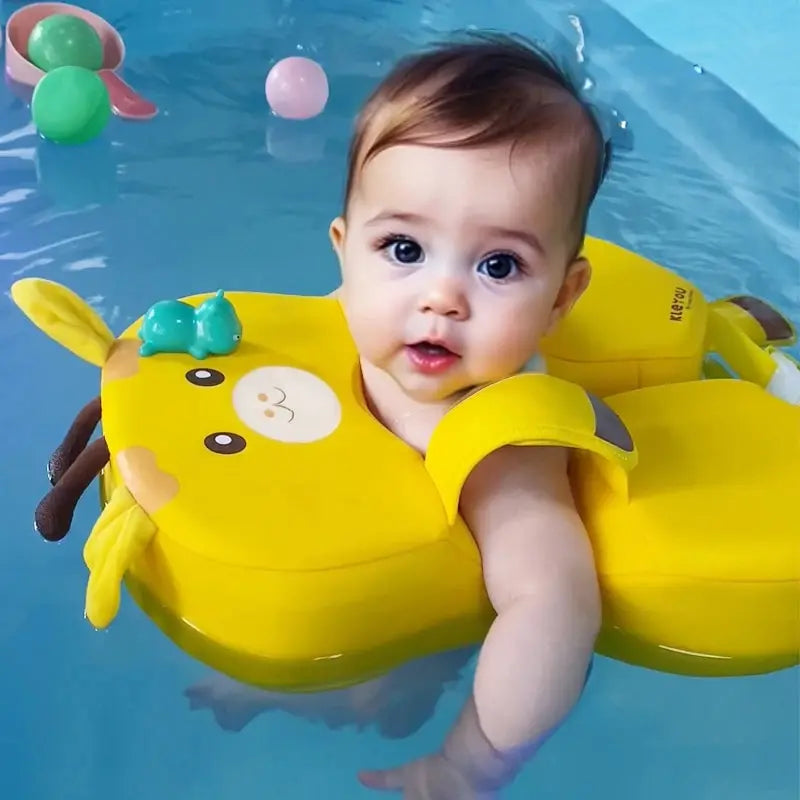
Choosing an infant pool float 0–3 months with balanced buoyancy support. See it in action.
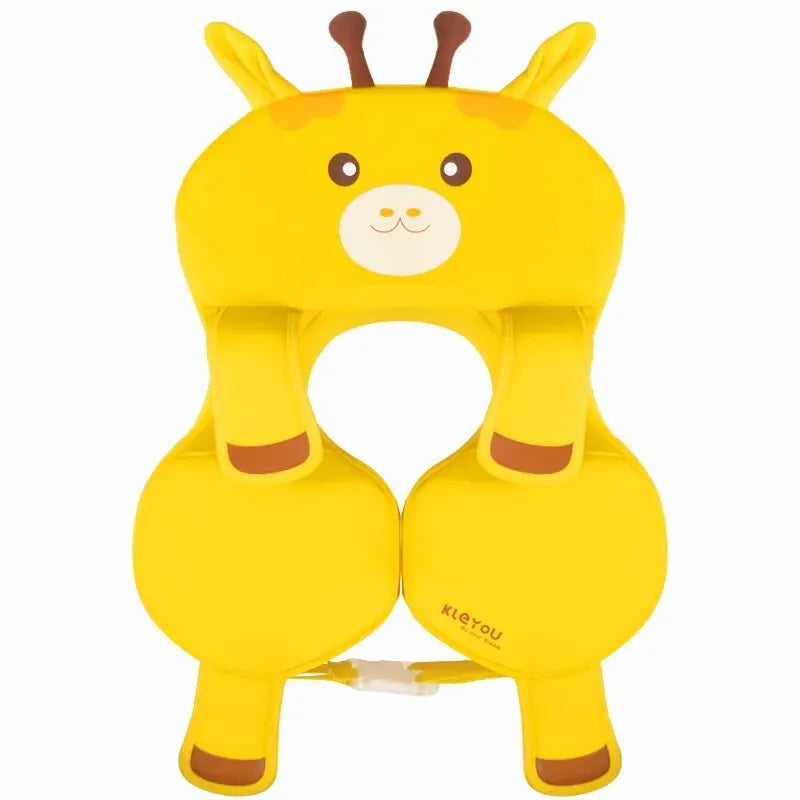
Inflatable infant float designed for calm, closely supervised water play. See it in action.
Frequently Asked Questions
Are there pool floats designed specifically for infants under one year?
Yes. Several manufacturers produce infant pool floats under 1 year with deeper seating, wider bases, and multiple air chambers. Always verify the recommended age and weight before purchasing.
Should babies under 6 months use pool floats?
Some products are designed for younger infants, but babies under 6 months require extra support and continuous adult supervision. Many families wait until babies develop stronger head and neck control.
How do I choose a safe pool float for my baby?
Look for appropriate age and weight recommendations, multi-chamber construction, a wide anti-tip base, deep seating, durable materials, and clear safety instructions.
What safety features matter most?
The best infant pool float safety features include independent air chambers, reinforced seams, supportive seating, stable buoyancy, quality valves, and a properly matched size for your baby.
Can a pool float replace a life jacket?
No. Inflatable pool floats are designed for supervised recreational use only. They are not personal flotation devices and should never replace a properly approved life jacket when one is required.
How long should an infant stay in a pool float?
Keep sessions short, especially during a baby's first water experiences. Watch for signs of fatigue, cold, or discomfort, and take frequent breaks as needed.
Related Guide: Best Non Inflatable Baby Float: Top Picks Compared for Safety





