

Why Do Pool Floats Deflate? Spot the Real Cause Before You Reinflate
What causes a deflated pool float and how do you fix it?
A deflated pool float is usually caused by normal air pressure changes, slow valve leaks, tiny punctures, worn seams, or long-term exposure to heat and sunlight. In many cases, the float isn't actually damaged—it simply needs proper inflation or a valve adjustment. If a leak is present, simple inspection and repair techniques can often restore the float and extend its usable life.
⏱ 7 min read
Deflated Pool Float: How to Inflate, Store, and Reuse Safely
A deflated pool float can instantly turn a relaxing pool day into a frustrating chore—especially when you're juggling kids, sunscreen, towels, and safety concerns. Ever pulled out a float only to find it sagging, warped, or losing air? This guide explains why pool floats deflate, how to diagnose leaks, inflate and store them correctly, and keep durable pool floats usable for many summers.

Deflated pool float fixes and prevention tips in action. See it in action.
Why Do Pool Floats Deflate?
Normal air loss vs. real leaks
Many people wonder why pool floats deflate after only a day or two. A small amount of pressure loss is completely normal because air molecules slowly escape through flexible vinyl over time. This gradual change is different from a true leak, which causes the float to soften much more quickly.
How temperature changes affect air pressure
Temperature has a major impact on inflatable products. A float left in direct sunlight expands as the air inside warms, while the same float placed into cool pool water may feel noticeably softer. This explains why inflatable pool floats lose air even when they have no punctures.
When deflation is a sign of damage
If your float becomes limp within a few hours, repeatedly needs topping off, or won't stay inflated overnight, the problem is more likely caused by a damaged valve, puncture, or weakened seam than by normal pressure changes.
The Most Common Reasons Inflatable Pool Floats Lose Air
Tiny punctures and pinholes
Small punctures caused by rough concrete, pet claws, tree branches, or sharp pool toys are among the most common reasons inflatable pool floats lose air. These holes are often too small to see without careful testing.
Valve leaks and loose caps
Valves that aren't fully sealed or have worn gaskets may leak continuously. Always inspect the valve cap for sand, dirt, or twisted seals before assuming the float itself is damaged.
Seam failure
Seams experience the highest stress during inflation. Overinflation, repeated folding, or years of use can eventually weaken bonded edges, allowing air to escape slowly.
Material permeability over time
Even premium PVC gradually becomes slightly more porous after years of UV exposure. Older floats naturally lose pressure faster than new ones, especially after multiple seasons of use.
UV, heat, and wear damage
Constant sun exposure dries flexible vinyl, making it more brittle. Combined with chlorine, sunscreen residue, and repeated inflation cycles, this gradually reduces overall pool float durability.
How to Tell if Your Pool Float Has a Leak
Visual inspection checklist
- Look for scratches, abrasions, and punctures.
- Inspect seams for separation or peeling.
- Check the valve for debris or cracks.
- Look for stretched or discolored material.
Soap and water test
Mix a small amount of dish soap with water, apply it around suspected areas, and gently squeeze the float. Escaping air creates bubbles that quickly reveal even tiny leaks.
Listening for escaping air
In a quiet room, slowly rotate the inflated float while holding it close to your ear. A faint hissing sound often identifies the leak before it's visible.
Checking valves and seams
Many people replace a perfectly good float when only the valve is leaking. Inspect valves first because they are easier to repair than damaged seams.
How to Stop Pool Floats from Deflating
Inflate to the correct pressure
Inflate until the float feels firm but still has slight flexibility when pressed. Overfilling places unnecessary stress on seams.
Repair punctures properly
Clean and dry the damaged area before applying a vinyl repair patch. Allow sufficient curing time before placing the float back into water.
Maintain valves
Keep valves clean, dry, and fully closed after every use. Replace damaged valve inserts if replacement parts are available.
Avoid overinflation
Leaving a fully inflated float in direct sunlight causes internal pressure to rise dramatically. Slightly underfilling before extended sun exposure helps improve long-term pool float durability.
How to Inflate a Pool Float Correctly
Proper inflation is one of the easiest ways to extend the lifespan of any inflatable pool float.
- Lay the float on a clean, flat surface.
- Use a low-pressure electric pump or manual inflator.
- Inflate each chamber evenly.
- Close every valve securely.
Avoid overfilling
Stop inflating once the float is comfortably firm rather than rock hard. This gives the material room to expand naturally in warm weather.
Check pressure after temperature changes
If the float was inflated indoors before entering cool water, it may feel softer. Likewise, a float inflated in the morning may become tighter in afternoon sun. These changes are normal and don't necessarily indicate damage.
Parents used to managing precise tools like those in Temperature Tools know that small adjustments can make a big difference.
How to Deflate and Store Pool Floats Safely
Proper deflation
- Open every valve completely.
- Press air toward the valve gradually.
- Roll loosely instead of making sharp folds.
- Avoid twisting the material.
Cleaning before storage
Rinse away chlorine, salt, sunscreen, and dirt using clean water. Allow the float to dry completely to prevent mildew and unpleasant odors.
Off-season storage tips
- Store loosely rolled.
- Keep away from extreme heat.
- Protect valves from crushing.
- Use breathable storage bags instead of airtight containers.
Families who already organize essentials from Sleep & Comfort collections will find these storage habits easy to maintain.
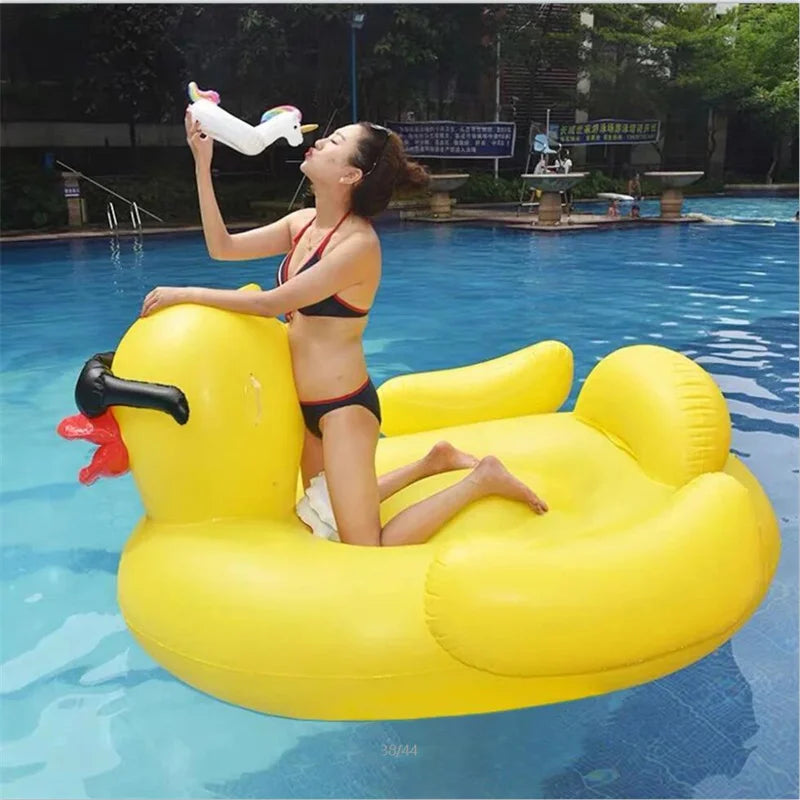
Deflate pool floats carefully and store them properly to extend their lifespan.
Inflatable vs. Foam Pool Floats: Which Lasts Longer?
| Feature | Inflatable Pool Float | Foam Pool Float |
|---|---|---|
| Comfort | Excellent cushioning | Firm support |
| Portability | Excellent | Bulky |
| Maintenance | Requires inflation and inspection | Very low maintenance |
| Risk of leaks | Possible | None |
| Storage | Compact when deflated | Requires more space |
Foam vs. inflatable pool float ultimately depends on your priorities. Inflatable models provide superior comfort and portability, while foam floats eliminate concerns about leaks altogether.
Are Inflatable Water Beds and Pool Mattresses More Likely to Lose Air?
Inflatable water bed vs. pool float
An inflatable water bed for adults is designed for prolonged weight support and typically uses thicker materials than recreational pool floats. However, both rely on airtight chambers and can gradually lose pressure over time.
Inflatable pool mattress considerations
An inflatable pool mattress usually contains larger air chambers for lounging. Because these chambers hold more air, pressure changes caused by temperature are often more noticeable.
Adult pool float loungers
High-quality pool float loungers for adults often feature reinforced PVC, stronger welded seams, and improved valve systems that help maintain inflation for longer periods.
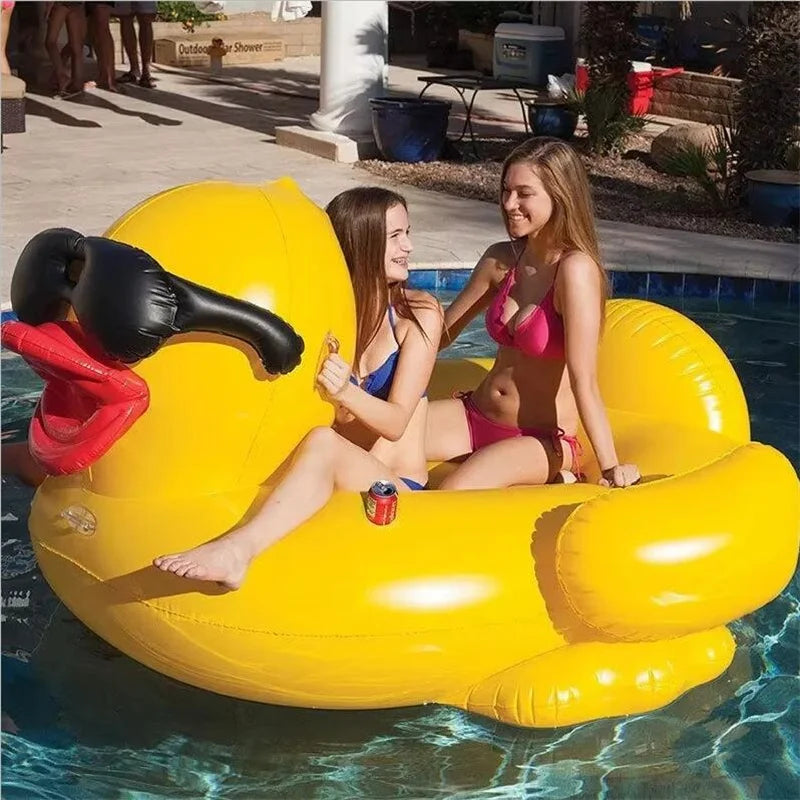
Durable pool floats designed for repeated use throughout the season.
FAQ: Why Do Pool Floats Deflate?
Why do pool floats deflate even without holes?
Normal temperature changes, gradual air permeability, and slight valve leakage can all reduce air pressure without any visible puncture.
Is it normal for inflatable pool floats to lose air in the sun?
Yes. Warm air expands in sunlight and contracts once the float cools, making firmness change throughout the day.
How can I find a slow leak in a pool float?
Use a soap-and-water solution, inspect the seams carefully, and listen for escaping air around the valve.
Can overinflating a pool float cause leaks?
Yes. Excess pressure places additional stress on seams and valves, increasing the likelihood of future leaks.
Are foam pool floats more durable than inflatable ones?
Foam floats cannot puncture, but quality inflatable models offer greater portability, comfort, and easier storage.
How long should a quality pool float stay inflated?
A well-made float with properly sealed valves should remain comfortably inflated through multiple uses, requiring only occasional pressure adjustments due to normal temperature changes.
Related Guide: Best Inflatable Floats for Adults Compared for Real Comfort





