

Interactive Drawing Board Kids Learn With Best Compared
How can messy arts and crafts stay easy to clean?
Messy arts and crafts can stay easy to clean when the setup is planned with washable surfaces, contained messy art supplies, and clear routines. Using simple protection, organized tools, and reusable ideas turns messy arts and crafts into engaging learning tools without stress, saving time while keeping creativity fun and manageable.
⏱ 6 min read
Messy Arts and Crafts Setup That Stays Easy to Clean
Messy arts and crafts don’t have to mean paint on the walls, glitter in every corner, or parents dreading cleanup time. With the right setup, messy art supplies become engaging learning tools that encourage creativity while staying easy to manage. A few thoughtful choices can help kids explore freely without overwhelming your home or your schedule.
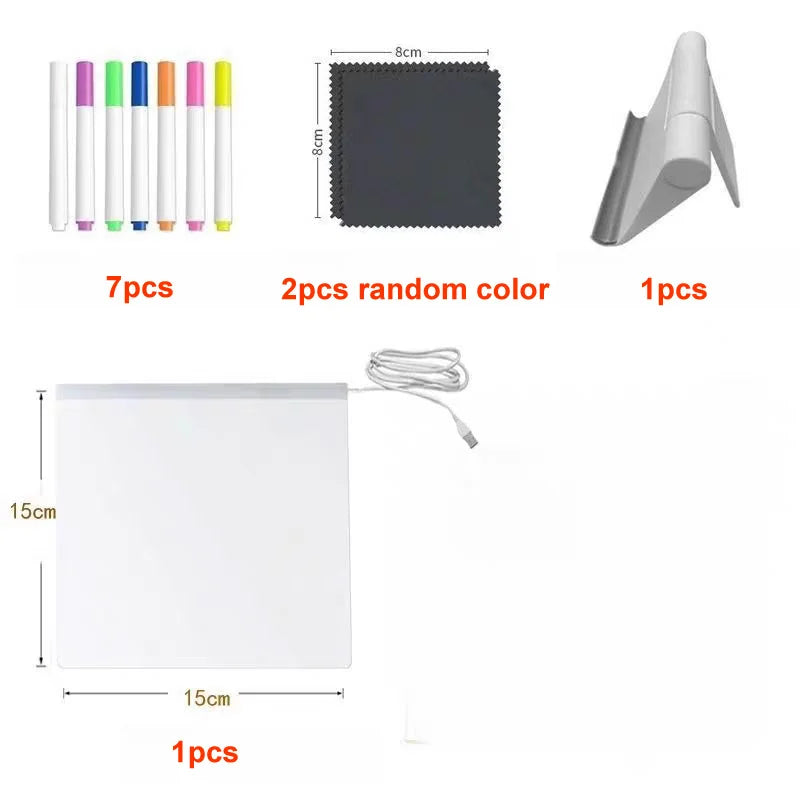
Messy arts and crafts setup with organized messy art supplies 💡 See it in action
Why Messy Arts and Crafts Matter for Kids
Messy arts and crafts support creativity, fine motor skills, and emotional expression. When kids squeeze paint, smear colors, or explore textures, they’re learning through their senses. These moments build confidence and curiosity, especially when adults allow freedom without constant correction.
- Encourages problem-solving and imagination
- Supports hand-eye coordination
- Helps children express feelings safely
- Builds focus through hands-on play
Common Messy Art Problems Parents Face
Many parents love the idea of messy arts and crafts but worry about the aftermath. Paint spills, stubborn stains, and cluttered tables can turn creative time into frustration.
Does messy arts and crafts always mean hours of cleanup? Messy arts and crafts feel overwhelming when there’s no system, but small adjustments can change everything.
How to Create an Easy-to-Clean Messy Arts and Crafts Setup
Messy arts and crafts become manageable when the environment is prepared first. A clear setup helps kids focus on creating instead of worrying about rules.
Messy arts and crafts work best when cleanup is built into the plan. Choosing washable surfaces, clear boundaries, and simple routines keeps the experience positive for everyone involved.
- Protect surfaces: Use wipeable mats, trays, or table covers.
- Define the art zone: One area for creating reduces spread.
- Prep cleanup tools: Keep wipes, towels, and a small bin nearby.
- Limit supplies per session: Fewer items mean less chaos.
Parents often pair art time with tools from Baby Growth & Learning collections to keep creative play structured yet fun.
Choosing Messy Art Supplies That Contain the Chaos
Not all messy art supplies create the same level of cleanup. Selecting the right tools makes a noticeable difference.
| Supply Type | Why It Helps |
|---|---|
| Washable paints | Rinses easily from skin and surfaces |
| Chunky brushes | Less dripping, easier grip for kids |
| Spill-proof containers | Reduces accidental tipping |
| Reusable boards | Wipe clean after every session |
Using contained tools alongside visual aids like the LED Acrylic Message Board helps kids understand steps and cleanup expectations clearly.
Turning Messy Arts into Engaging Learning Tools
Messy arts and crafts are more than playtime. With simple prompts, they become engaging learning tools that support early education.
- Practice colors and shapes during painting
- Use letters or numbers as art outlines
- Encourage storytelling through drawings
- Build routines by labeling steps visually
Parents often combine creative sessions with resources from Sensory Toys to deepen focus and exploration.
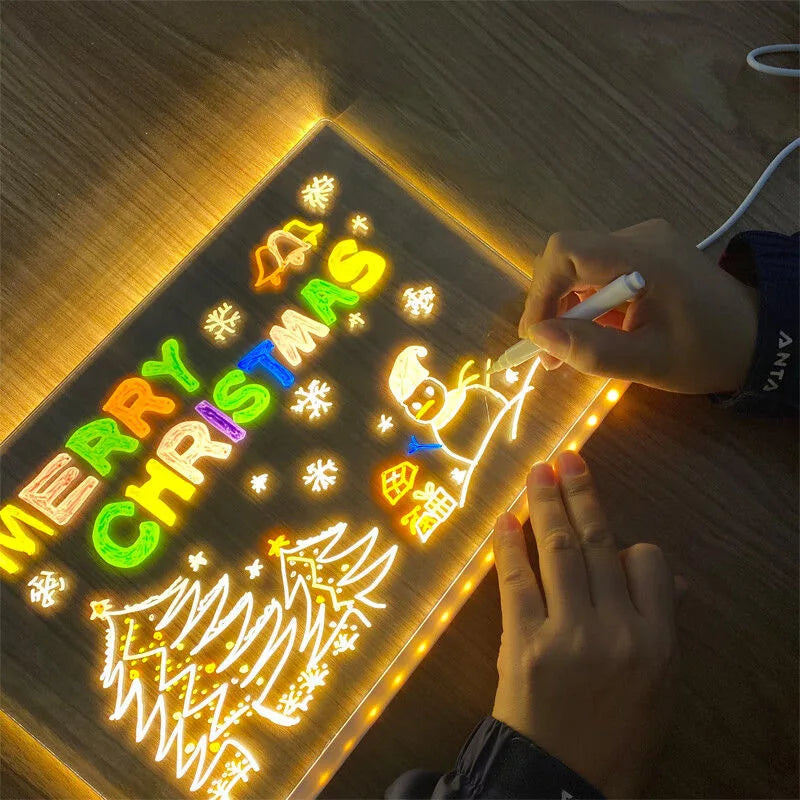
Messy art supplies as engaging learning tools 💡 See it in action
Sustainable Art Ideas That Reduce Waste
Messy arts and crafts don’t need to rely on disposable materials. Sustainable art ideas keep creativity flowing while reducing waste.
- Reuse cardboard boxes and paper rolls
- Use washable, refillable paints
- Create art trays from old containers
- Rotate supplies instead of buying new ones
These sustainable art ideas teach kids responsibility while keeping costs and clutter under control.
A Real-Life Messy Art Routine That Works
Many parents find success with a simple routine. Before starting, set expectations. During art time, stay hands-off. Afterward, involve kids in wiping and sorting.
Families using structured routines often rely on visual reminders from tools like the LED Acrylic Message Board to guide steps without repeating instructions.
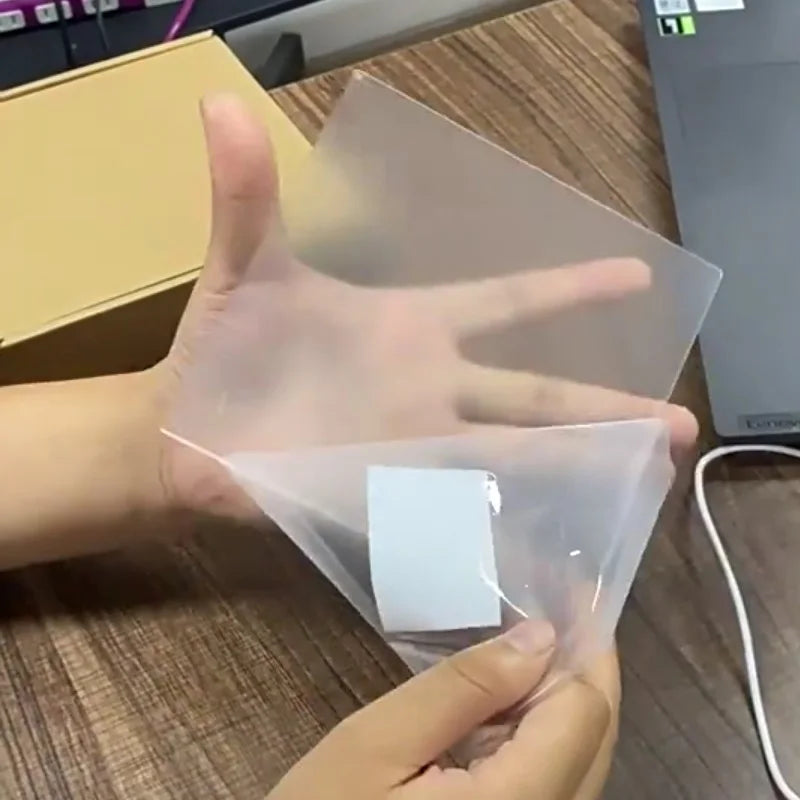
Clean-friendly messy arts and crafts routine 💡 See it in action
Quick Questions Parents Ask
Are messy arts and crafts suitable for toddlers?
Yes. With safe, washable messy art supplies and close supervision, messy arts and crafts help toddlers explore textures and colors while supporting early development.
How often should kids do messy art activities?
Short, regular sessions work best. Even once or twice a week allows children to enjoy creative play without overwhelming parents or schedules.
What’s the easiest way to teach cleanup?
Use clear routines and visual cues. When kids know each step, cleanup becomes part of the activity instead of a battle.
Related Guide: Best Light Up Message Board Compared for Kids





