

Interactive Infant Toys Reviewed by Parents Who Bought Them
Do interactive infant toys really help babies learn?
Interactive infant toys support early learning by encouraging touch, sound recognition, and movement during key developmental months. Designed for safe exploration, these toys combine sensory play, cause-and-effect actions, and age-appropriate challenges that help babies build motor skills, focus, and curiosity while keeping playtime engaging indoors.
Interactive Infant Toys Reviewed by Parents Who Bought Them
⏱ 7 min read
Interactive infant toys can feel overwhelming for parents choosing what truly helps their baby grow. With so many flashing lights and bold claims, how do you know which toys actually support learning, keep babies engaged, and fit safely into everyday routines? Parents across the US share what worked, what didn’t, and which interactive play options earned a permanent place in their homes.
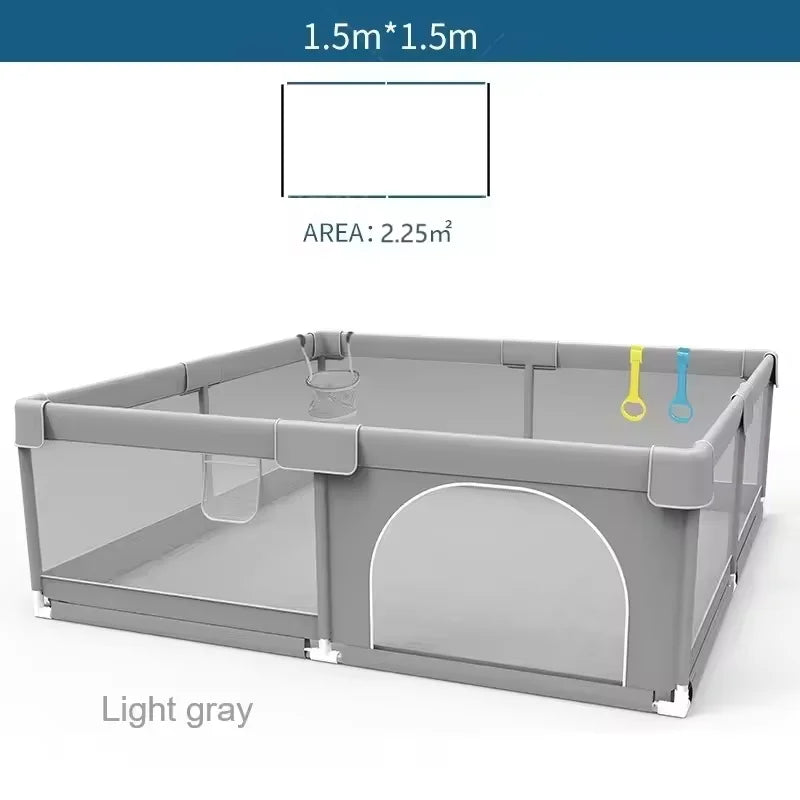
Interactive infant toys and interactive play equipment that keep babies engaged 💡 See it in action
Why Interactive Infant Toys Matter Early
Interactive infant toys are designed to respond to a baby’s actions—pressing, shaking, crawling, or reaching. Parents report these responses help babies understand cause and effect earlier than passive toys.
- Encourages fine and gross motor skills
- Supports early sensory development
- Reduces frustration during solo play
- Keeps babies engaged without overstimulation
Many parents pair these toys with products from Baby Growth & Learning to create a balanced play environment that evolves as babies grow.
What Parents Look For Before Buying
Parents consistently mention three concerns before choosing interactive play equipment: safety, longevity, and developmental value. They want toys that grow with their baby and don’t become clutter after a few weeks.
- Washable, non-toxic materials
- Multiple play modes
- Compact storage for small homes
- Compatibility with indoor infant activities
Real Parent Reviews & Experiences
Parents who bought interactive infant toys often describe noticeable changes within weeks. Babies stayed engaged longer, showed stronger hand coordination, and seemed calmer during independent play.
“We noticed our daughter reaching and exploring more confidently after just two weeks. It became part of our daily routine.” — Amanda, CA
Several families combine toys with a safe play space like a baby playpen to create a consistent learning zone indoors.
How Interactive Toys Compare to Traditional Toys
| Feature | Interactive Infant Toys | Traditional Toys |
|---|---|---|
| Engagement Time | Longer, sustained focus | Shorter play sessions |
| Developmental Feedback | Immediate responses | Limited interaction |
| Adaptability | Multiple play stages | Single-use |
Choosing Activity Centers for 6 Month Olds
Interactive infant toys designed as activity centers for 6 month olds focus on sitting support, reaching, and early standing practice. Parents recommend models with adjustable heights and removable toys.
Many families browse Sensory Toys to complement these centers and keep stimulation balanced.
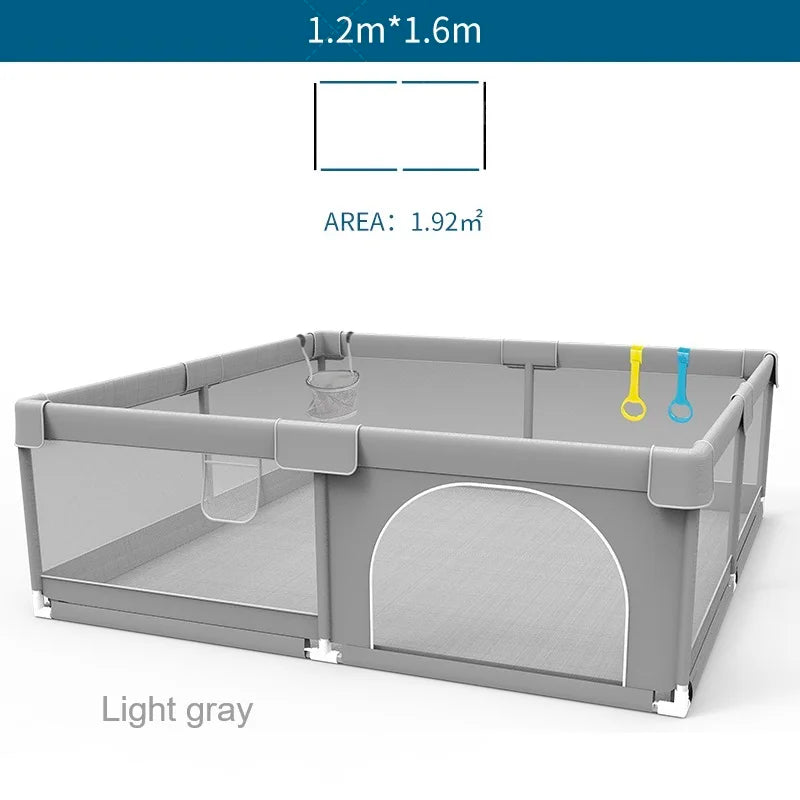
Activity centers for 6 month olds designed for safe exploration 💡 See it in action
Indoor Infant Activities That Actually Work
Indoor infant activities become essential during colder months or small-space living. Parents value toys that encourage movement without requiring constant supervision.
- Music panels with volume control
- Textured surfaces for tactile learning
- Mirrors for self-recognition
- Stackable components for problem-solving
Combining toys with items from Sleep & Comfort helps maintain calm transitions between play and rest.
Safety & Quality Considerations
Parents stress the importance of stability and material quality. Interactive play equipment should remain steady even as babies pull and lean.
- Wide bases to prevent tipping
- Rounded edges
- Certified materials
- Easy-to-clean surfaces
Some parents also check related items in Health & Safety for added peace of mind.
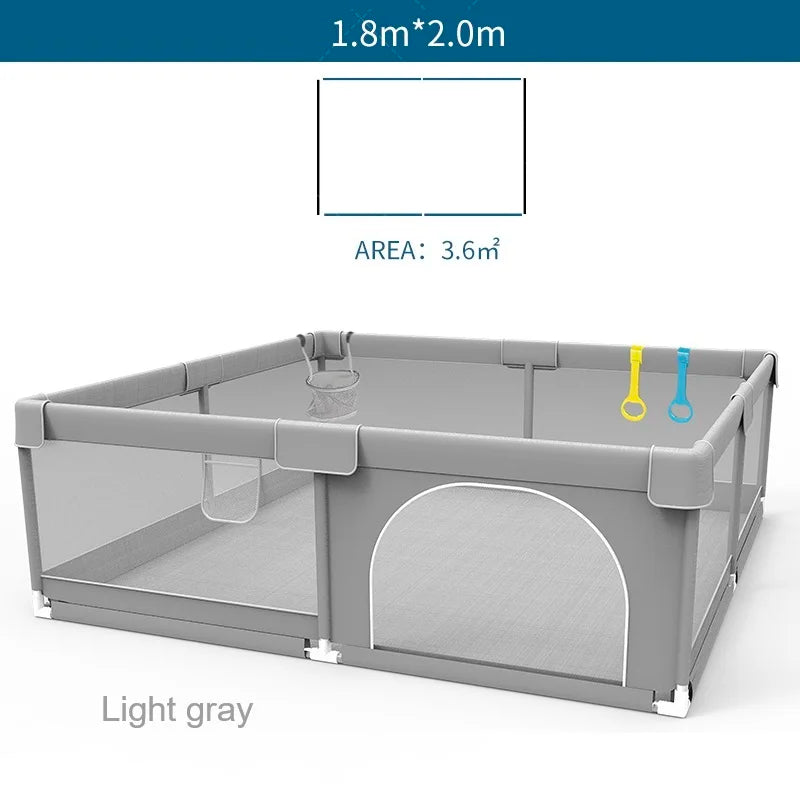
Interactive infant toys that support indoor infant activities 💡 See it in action
Final Verdict: Are Interactive Infant Toys Worth It?
Parents overwhelmingly agree that interactive infant toys provide better engagement and developmental value than traditional toys. When chosen carefully, they reduce boredom, encourage exploration, and support early milestones—making them a worthwhile investment for busy families.
Frequently Asked Questions
Are interactive infant toys safe for daily use?
Yes, when made from certified, non-toxic materials and used as directed. Parents recommend supervising early sessions and checking stability regularly.
Do babies outgrow interactive toys quickly?
Many designs include multiple stages, allowing babies to use them from sitting to standing phases, extending usability.
Can interactive toys replace parent playtime?
No. Parents view them as a supplement that encourages independent play while still valuing shared interaction for bonding.





