

Interactive Toy Buying Guide for Smart Playtime Choices
What is an interactive toy buying guide and how does it help parents choose better toys?
An interactive toy buying guide helps parents compare play features, learning value, durability, and engagement time in one place. Using an interactive toy buying guide makes it easier to spot toys that support role play, early math skills, and social development, so kids enjoy longer, more meaningful play without overwhelm.
Interactive Toy Buying Guide for Smart Playtime Choices
⏱ 7 min read
Choosing the right toy can feel surprisingly stressful. You want something fun, but also meaningful. You want smiles today and skills that last tomorrow. This interactive toy buying guide walks you through how to choose smarter play options, especially pretend play favorites like a cashier toy or grocery store checkout toy, so playtime feels joyful, purposeful, and worth every minute.
Parents often ask the same question: why do some toys hold attention for weeks while others are forgotten in days? The answer usually comes down to interaction, imagination, and how closely the toy connects to a child’s real world.
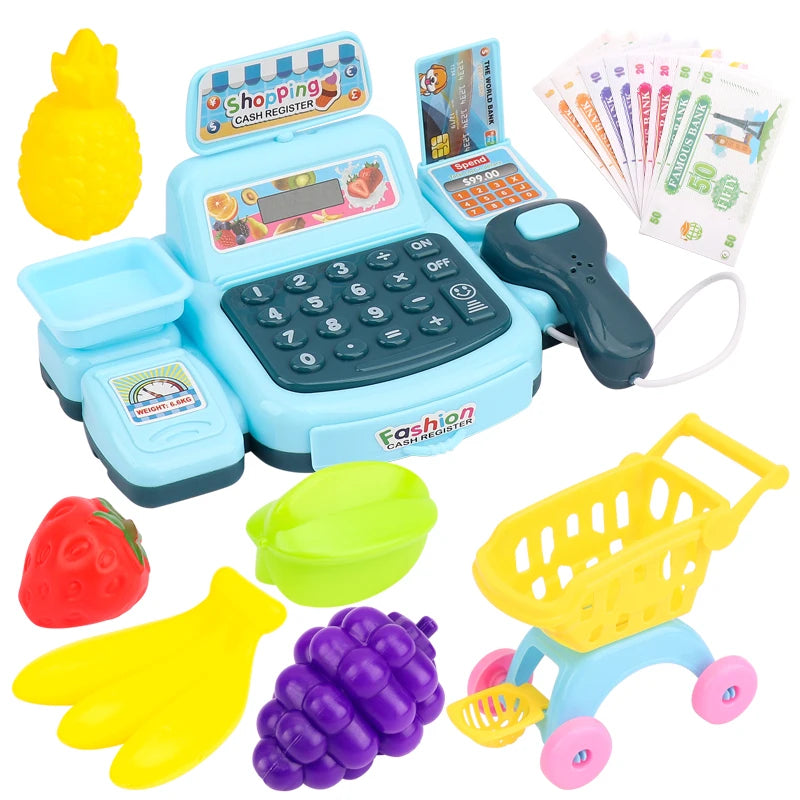
Interactive toy buying guide with cashier toy inspiration 💡 See it in action
Why Interactive Toys Matter More Than Ever
Children learn best when they are actively involved. Interactive toys invite kids to touch, respond, decide, and imagine. Instead of watching lights flash, they become part of the story.
In busy households, parents notice that toys encouraging pretend play often lead to calmer, longer play sessions. Kids create scenarios, talk through problems, and replay daily experiences in a safe, playful way.
Many families exploring Baby Growth & Learning products discover that open-ended toys grow alongside their child, adapting to new skills instead of being outgrown quickly.
What Should You Look for in an Interactive Toy Buying Guide?
An effective interactive toy buying guide focuses on real-life use, not just features on the box. It helps parents see how a toy fits daily routines and developmental stages.
Here are core elements worth checking:
- Hands-on interaction: Buttons, scanners, pretend money, or movable parts.
- Open-ended play: No single “right” way to play.
- Skill building: Counting, communication, turn-taking.
- Durability: Built for repeated use.
- Realistic design: Mirrors everyday experiences.
Why Cashier Toys Spark Longer Role Playing Sessions
A cashier toy turns everyday shopping into a rich learning experience. Kids love copying adults, and a toy checkout setup gives them the perfect stage.
How a Grocery Store Checkout Toy Encourages Imagination
With a grocery store checkout toy, children create stories: running a store, helping customers, solving problems when items don’t scan. Each scenario strengthens creativity and communication.
Building Confidence Through Pretend Responsibility
When kids “run” a store, they feel capable. Parents often notice increased confidence and willingness to speak up during playdates or family games.
Interactive Checkout Toy Comparison at a Glance
| Feature | Basic Toy Checkout | Interactive Grocery Checkout Toy Set |
|---|---|---|
| Role play depth | Limited | High, story-driven |
| Math practice | Minimal | Counting, totals, change |
| Social play | Solo-focused | Encourages group play |
| Engagement time | Short | Longer, repeat play |
Learning Math Through Play Feels Natural
Many parents worry about introducing math too early or making it feel like homework. The beauty of pretend play is that numbers appear naturally.
Scanning items, counting coins, and adding totals help children practice math without pressure. Over time, parents notice quicker number recognition and stronger problem-solving.
Families browsing Sensory Toys often pair them with role playing toys to balance hands-on exploration and imaginative learning.
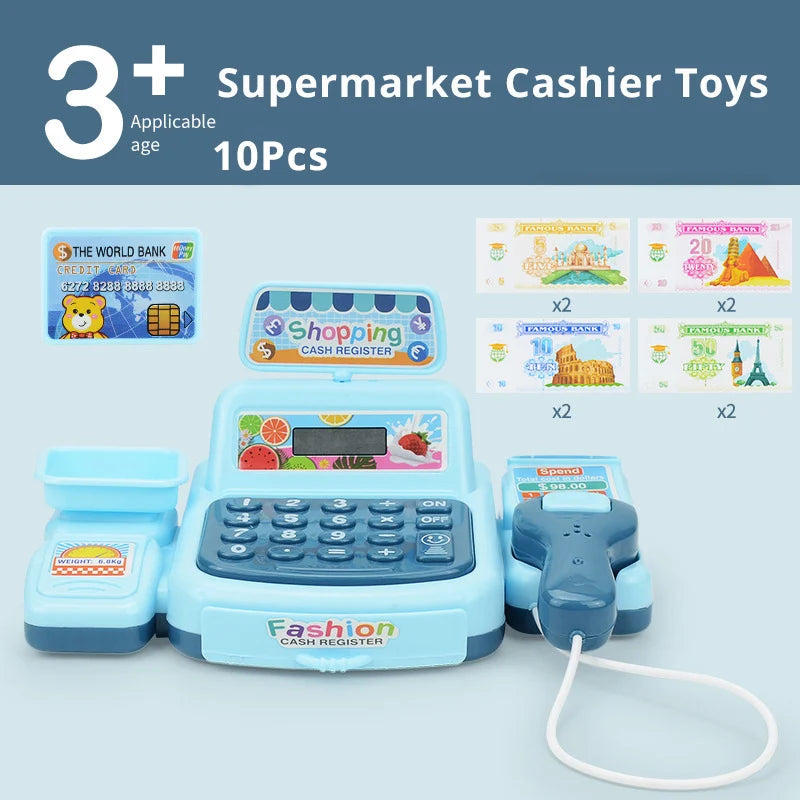
Learning math through play with a toy grocery scanner 💡 See it in action
Toys for Social Development Start With Pretend Play
Social skills grow through practice. Role playing toys give children safe opportunities to take turns, negotiate roles, and express emotions.
A cashier toy often becomes the center of group play. One child is the shopper, another the cashier, and conversations flow naturally.
Parents exploring Baby Care Tips & Advice frequently mention that pretend play reduces screen time and encourages sibling cooperation.
What Real Parents Notice After Weeks of Use
After the novelty fades, truly interactive toys keep earning their place. Parents report:
- Longer independent play sessions
- Improved counting and recognition of numbers
- More confident speech during play
- Less toy clutter from forgotten items
One parent shared that their child began “shopping” for family members and explaining prices, turning playtime into shared laughter.
How to Choose the Right Interactive Toy for Your Home
Every family is different. Use this interactive toy buying guide as a flexible reference, not a strict checklist.
- Consider your child’s age and interests.
- Look for toys that allow growth over time.
- Check space requirements at home.
- Choose realistic features that mirror daily life.
If you’re exploring a complete pretend play setup, the Simulation Cashier Toy offers a balanced mix of realism, durability, and engagement.
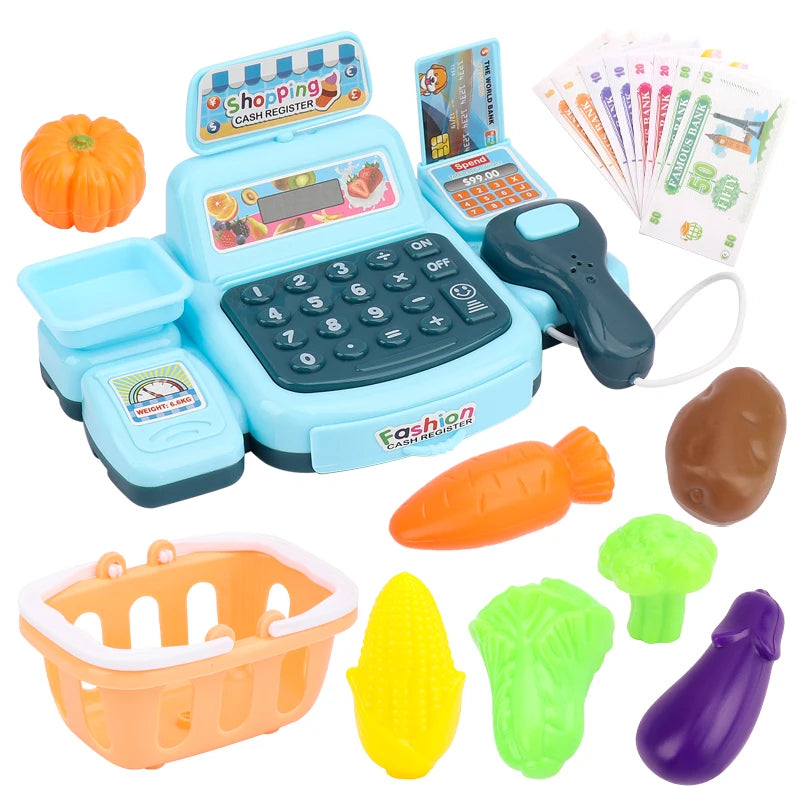
Interactive grocery checkout toy set for social development 💡 See it in action
Frequently Asked Questions
At what age do cashier toys become engaging?
Most children begin enjoying cashier toys around age three, when imagination and role play skills start to flourish. Engagement often increases as math and social skills develop.
Do interactive checkout toys really help with learning?
Yes. By combining pretend play with counting, scanning, and conversation, children practice early math and communication skills in a relaxed, enjoyable way.
How long do kids typically play with these toys?
Parents often report weeks or months of repeated play, especially when toys allow open-ended scenarios and group interaction.





