

Moving toy infant comparison X vs Y best moving toys infants
What are the best interactive toys for 1 year olds for real play value?
Interactive toys for 1 year olds deliver the most real play value when they encourage hands on play, repeat exploration, and safe movement. The best options support early motor skills development, sensory discovery, and curiosity—keeping toddlers engaged longer while naturally growing into interactive toys for 2 year olds.
Interactive Toys for 1 Year Olds Compared for Real Play Value
Interactive toys for 1 year olds can look exciting on the shelf, yet many end up ignored after a few days. Parents want toys that truly support hands on play, spark curiosity, and help little ones build confidence through movement and discovery. This in-depth comparison focuses on what delivers real play value—so you can choose toys that grow with your child and earn their space on the floor.
⏱ 8 min read
Have you ever watched your toddler lose interest in a new toy within minutes? Which interactive toys for 1 year olds actually keep little hands busy and minds engaged?
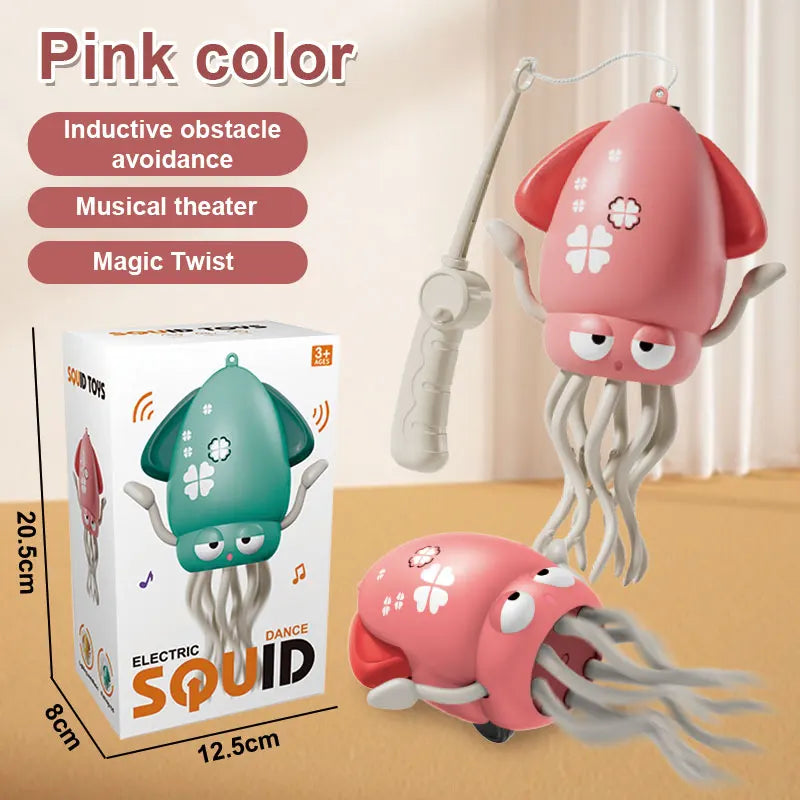
Interactive toys for 1 year olds that encourage hands on play and early exploration 💡 See it in action
Why Real Play Value Matters at Age One
At around 12 months, toddlers are learning through movement, touch, and repetition. Real play value means a toy invites a child back again and again, not just with flashing lights but with opportunities to explore cause and effect.
Parents often feel overwhelmed by options, especially when many toys promise learning benefits. Focusing on hands on play helps cut through the noise and prioritize what truly supports development.
How We Compared Interactive Toys
To evaluate interactive toys for 1 year olds fairly, we focused on everyday use in real homes. Instead of judging by appearance, we looked at how long toddlers stayed engaged and how the toy supported growth.
- Level of hands on interaction
- Support for gross and fine motor skills
- Adaptability for interactive toys for 2 year olds
- Parental feedback on durability and interest over time
Popular Types of Interactive Toys for 1 Year Olds
Movement-Based Interactive Toys
These toys encourage crawling, standing, and dancing. They are especially helpful for building confidence in early walkers.
Sensory and Touch-Driven Toys
Toys with varied textures, sounds, and gentle motion support sensory play and focus. Many parents find these toys helpful during quiet playtime.
Explore more ideas in Sensory Toys for tactile and movement-based options.
Cause-and-Effect Learning Toys
Buttons, levers, and motion-response features teach toddlers that their actions have results, reinforcing curiosity and problem-solving.
Side-by-Side Comparison of Real Play Value
| Toy Type | Hands On Play | Motor Skills Support | Grows With Child | Parent Feedback |
|---|---|---|---|---|
| Movement-Based Toys | High | Gross motor focus | Yes | Very engaging |
| Sensory Toys | Medium–High | Fine motor support | Moderate | Calming, consistent |
| Cause-and-Effect Toys | Medium | Mixed skills | Yes | Short bursts of play |
Does the Dancing Octopus Toy Deliver Real Play Value?
Interactive toys for 1 year olds like the Dancing Octopus Toy stand out by combining movement, music, and visual engagement. This type of toy encourages toddlers to crawl, reach, and dance, supporting both hands on play and motor skills development while remaining engaging as children grow.
The Dancing Octopus Toy is designed to move unpredictably, drawing toddlers across the floor. Parents report longer engagement compared to static toys.
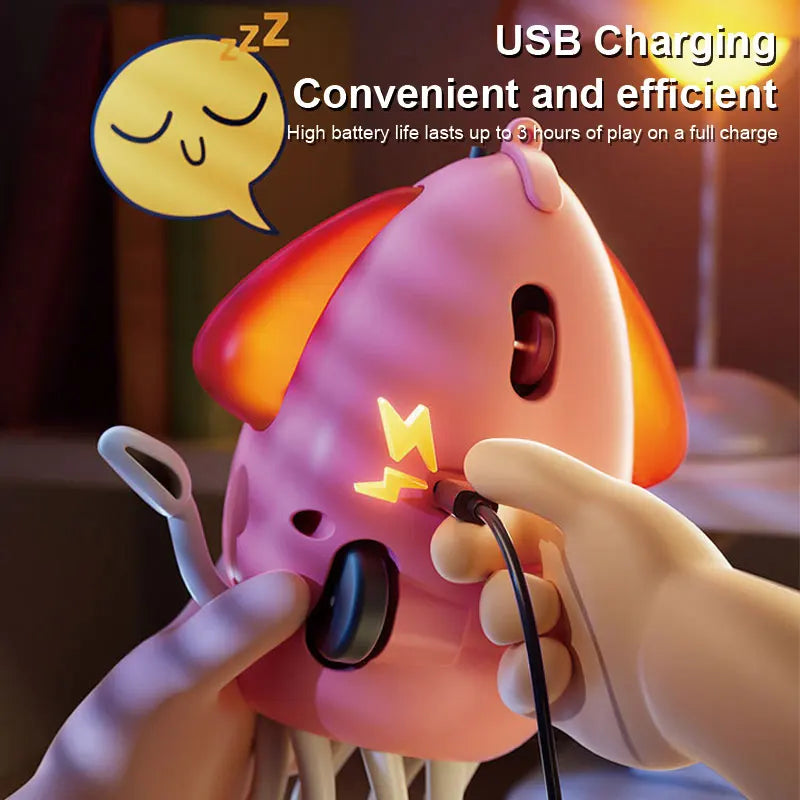
Motor skills development toys that turn movement into joyful hands on play 💡 See it in action
Pros
- Encourages crawling and early walking
- Engaging motion keeps attention longer
- Supports gross motor development
Cons
- Requires floor space
- Best used during supervised play
Many families pair this toy with options from Baby Growth & Learning to create balanced play routines.
How These Toys Support Motor Skills Development
Motor skills development toys help toddlers practice balance, coordination, and control. Movement-based interactive toys encourage children to repeat actions, strengthening muscles naturally through play.
- Crawling toward moving toys improves coordination
- Reaching and grabbing enhances fine motor skills
- Standing and stepping builds confidence
- Repetition supports muscle memory
Do Interactive Toys for 1 Year Olds Work for 2 Year Olds?
Many interactive toys for 1 year olds continue to engage children as they approach age two. Toys that allow open-ended play, movement, and imagination often transition well into interactive toys for 2 year olds.
Parents note that toys with simple rules and physical interaction age better than overly structured options.
Safety and Comfort Considerations
Safety is a top concern when choosing toys for young toddlers. Look for smooth edges, stable designs, and materials that are easy to clean.
Families often explore trusted collections like Health & Safety when building safe play environments.
How to Choose the Right Interactive Toy
- Observe how your child prefers to play—movement or touch
- Choose toys that allow repeat exploration
- Prioritize hands on play over passive features
- Consider how the toy may grow with your child
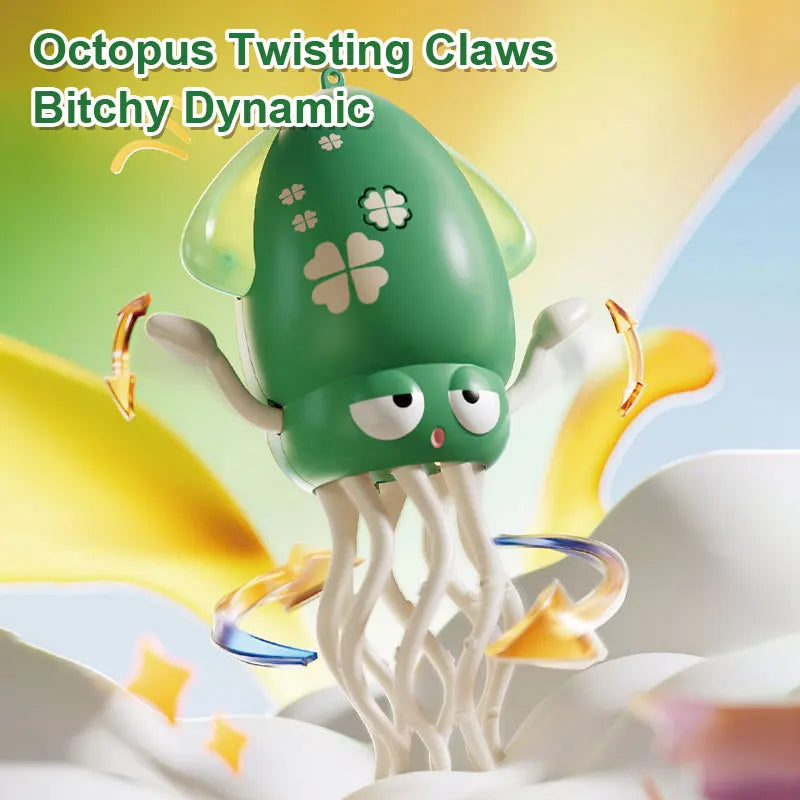
Interactive toys for 2 year olds that began as favorites at age one 💡 See it in action
For families balancing playtime and rest, combining active toys with calming options from Sleep & Comfort can support smoother daily routines.
Frequently Asked Questions
Are interactive toys for 1 year olds safe for daily use?
Yes, when designed for toddlers, these toys are made for regular play. Always supervise use and check that materials are durable and age-appropriate.
How many interactive toys does a 1 year old need?
A small rotation of well-chosen toys often provides more engagement than many options at once. Quality and play value matter more than quantity.
What makes a toy truly hands on?
Toys that respond directly to a child’s actions—through movement, sound, or texture—encourage active participation rather than passive watching.





