

Jumping Rope Games: How to Teach Kids Safely
Are jumping rope games safe and effective for kids?
Jumping rope games help kids build balance, timing, and confidence when taught with simple safety rules and age-appropriate steps. From solo play to jump rope games double dutch, these activities strengthen motor coordination skills while keeping play structured, active, and fun with minimal equipment.
Jumping Rope Games: How to Teach Kids Safely
⏱ 6 min read
Jumping rope games are one of the easiest ways to get kids moving, laughing, and learning at the same time. But many parents worry about tripping, rope burns, or kids losing interest too quickly. The good news? With the right setup, rules, and teaching style, rope play becomes a safe, confidence-building routine kids actually ask for again.
Explore ideas that keep kids moving with confidence.
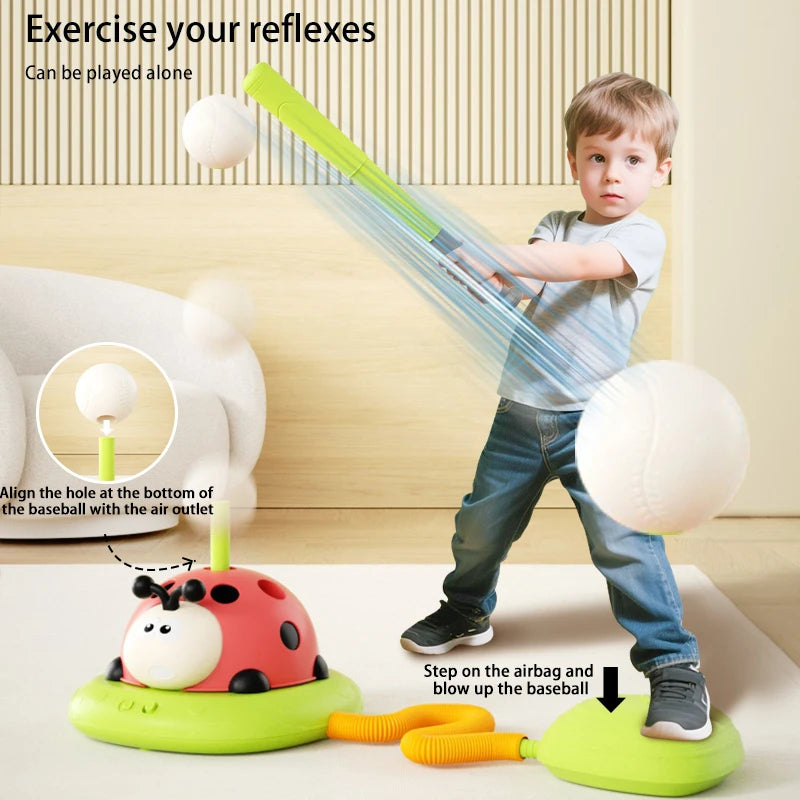
Jumping rope games for kids build rhythm and confidence — 💡 See it in action
Why Jumping Rope Games Work So Well for Kids
Jumping rope games combine movement, rhythm, and focus in a way few activities do. Kids learn to watch, listen, and move together, which supports coordination and body awareness.
- Strengthens balance and posture
- Improves timing and rhythm
- Builds endurance without feeling like exercise
- Encourages social play and turn-taking
Many families also pair rope play with other movement activities found in Mobility & Training to create a well-rounded active routine.
How to Set Up Jumping Rope Games Safely
Jumping rope games are safest when the environment and rules are clear from the start.
- Choose a flat, non-slip surface like grass, rubber mats, or smooth pavement.
- Use soft, lightweight ropes sized to the child’s height.
- Start with slow swings before full jumps.
- Set clear spacing rules so ropes don’t collide.
Parents focused on injury prevention often explore helpful gear from Health & Safety to support active play.
Easy Solo Jumping Rope Games for Beginners
Solo play is the best place to start. It helps kids master timing without pressure.
- Jump & Pause: Jump once, stop, reset, repeat.
- Count the Jumps: Kids count aloud to stay focused.
- Shadow Jumping: Practice jumping without swinging the rope first.
- Color Call: Jump when a parent calls a color or number.
These simple games are ideal for younger children developing early motor coordination skills.
Player Rope Game Ideas for Small Groups
A player rope game introduces teamwork while keeping things manageable.
- One child jumps while another turns the rope slowly.
- Rotate roles every 30–60 seconds.
- Use verbal cues like “ready, jump” to reduce mistakes.
Group play also supports social confidence, similar to cooperative toys found in Sensory Toys.
Learn how simple design details make active games easier.
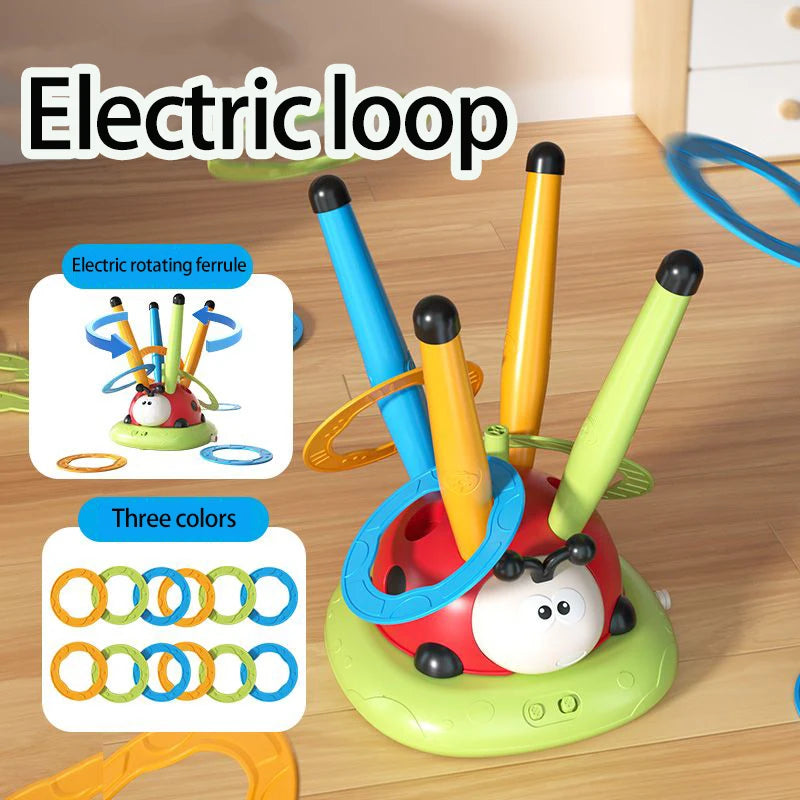
Player rope game practice builds teamwork and timing — 💡 See it in action
Jump Rope Games Double Dutch Made Simple
Jump rope games double dutch may look advanced, but they can be taught safely by breaking them into steps.
- Practice swinging two ropes without jumping.
- Let kids step in and out without leaving the ground.
- Add a single jump before full sequences.
- Keep rounds short to prevent fatigue.
Many parents are surprised how quickly kids adapt when the pace stays playful instead of competitive.
Teaching Tips That Keep Kids Engaged
The biggest mistake adults make is pushing too fast. Kids stay engaged when success comes early.
- Praise effort, not jump counts
- Use music or clapping for rhythm
- Stop before kids get tired
- Let kids invent their own rules
Short, positive sessions build long-term interest far better than long drills.
Why the Right Rope Makes Learning Easier
Not all ropes are kid-friendly. Soft handles, smooth rotation, and flexible materials reduce frustration and minor injuries.
The Ladybug Jump Rope Game Toy is designed for small hands, making it easier for beginners to control swing speed and rhythm during jumping rope games.
- Lightweight for younger arms
- Gentle materials to reduce sting
- Bright design that keeps kids interested
Parents often combine active toys like this with supportive routines found in Baby Growth & Learning.
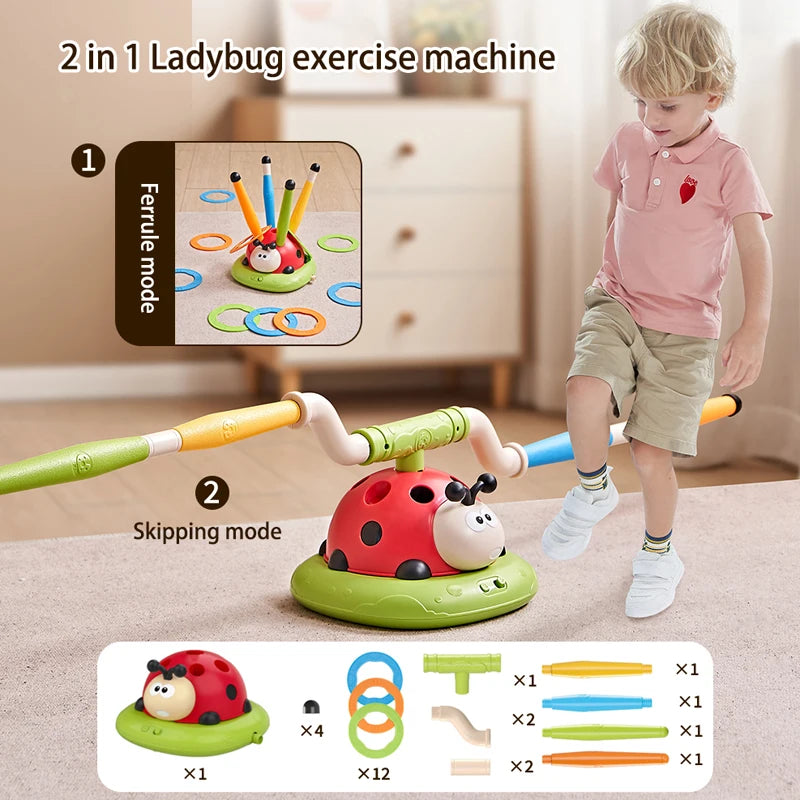
A kid-friendly rope makes jumping rope games safer and more fun — 💡 See it in action
Try a kid-friendly rope that supports confidence from the first jump.
Mini FAQ
At what age can kids start jumping rope games?
Many children can begin simple jumping rope games around age 4–5, starting with slow swings and practice jumps. Progress depends more on coordination than age.
How long should a jumping rope session last?
Short sessions of 5–10 minutes work best for younger kids. Ending early keeps the activity fun and prevents fatigue or frustration.
Are jump rope games double dutch safe for beginners?
Yes, when taught step by step with slow swings and clear spacing. Breaking movements into parts helps kids learn safely.
What skills do jumping rope games improve most?
They support balance, rhythm, endurance, and motor coordination skills, while also encouraging focus and social interaction.
Related Guide: How to Rope Jump: Step-by-Step Guide for Beginners





