

Keeping Baby Entertained Safely: A Simple Daily Play Guide
Is keeping baby entertained safely possible without screens?
Keeping baby entertained safely is possible by using familiar, screen-free objects that encourage imitation and gentle interaction. An infant TV remote toy offers sensory based learning through buttons, sounds, and routines babies recognize, supporting focus, pretend play, and early social skills without overstimulation or safety risks.
Keeping Baby Entertained Safely: A Simple Daily Play Guide
⏱ 7 min read — Keeping baby entertained safely can feel overwhelming when you want learning, joy, and calm without screens or clutter. This guide shows how one simple, familiar toy can turn everyday moments into safe, confidence-building play that supports imitation, attention, and early development.
Are you constantly rotating toys, worrying about safety, and wondering if your baby is actually learning? Many parents share the same concern: how to keep babies engaged throughout the day without screens, noise overload, or unsafe gadgets. The good news is that babies don’t need complicated setups. They need safe infant toys that mirror real life in a gentle, age-appropriate way.
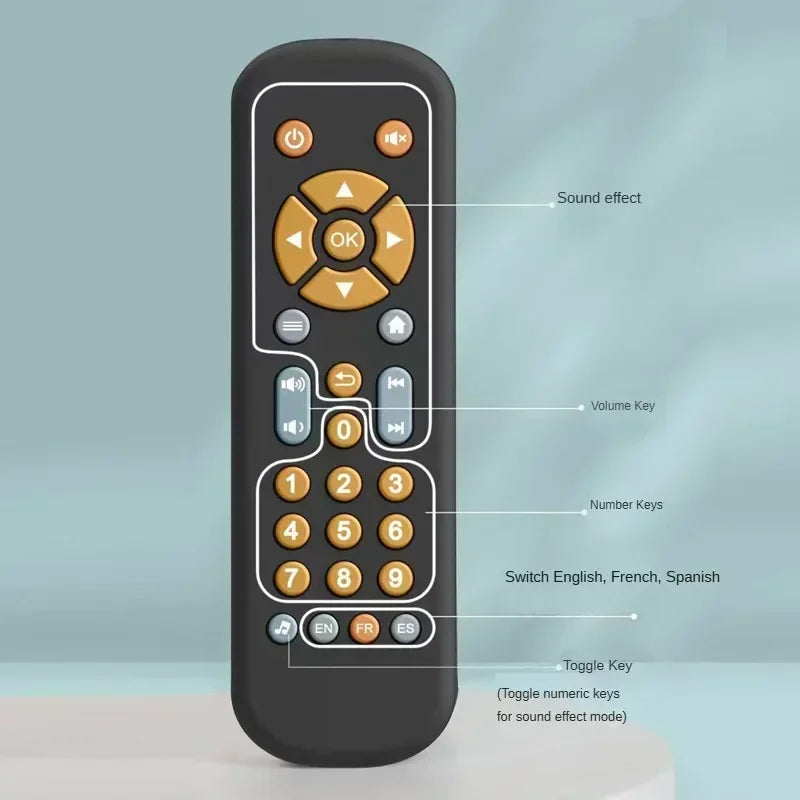
Keeping baby entertained safely with familiar, screen-free pretend play 💡 See it in action
Why Safety Comes First in Baby Play
Keeping baby entertained safely starts with understanding how babies explore the world. At around six months, everything goes to the mouth, hands move quickly, and attention spans are short. Unsafe materials, sharp edges, or overstimulating sounds can quickly turn playtime into stress.
That’s why many parents now focus on simple, durable toys made for daily handling. Collections like Health & Safety and Baby Growth & Learning emphasize designs that support curiosity without risk.
- Rounded edges and soft materials protect gums and hands
- Gentle sounds prevent sensory overload
- Familiar shapes build confidence and recognition
- Screen-free play supports attention and bonding
How an Infant TV Remote Toy Supports Learning
Keeping baby entertained safely becomes easier when toys reflect what babies already see adults using. An infant TV remote toy feels familiar, inviting babies to explore without grabbing real electronics.
By pressing buttons and hearing soft sounds, babies practice cause-and-effect thinking while staying engaged longer. This type of toy fits naturally into sensory based learning and is ideal as an interactive toy for 6 month old babies.
Key benefits parents notice
- Longer independent play without frustration
- Improved hand-eye coordination
- Early imitation of daily routines
- Reduced interest in unsafe household items
Paired with other options from Sensory Toys, a toy TV remote control becomes part of a balanced, safe play environment.
A Simple Daily Play Routine (Step-by-Step)
Keeping baby entertained safely doesn’t require hours of planning. Follow this gentle routine that fits into real family life.
- Morning calm play: After feeding, offer the infant TV remote toy while baby is relaxed.
- Model interaction: Press buttons slowly and name actions to support imitation.
- Independent exploration: Let baby explore textures and sounds at their own pace.
- Short, frequent sessions: 5–10 minutes at a time prevents overstimulation.
This routine pairs well with items from Baby Care Essentials to keep the day predictable and calm.
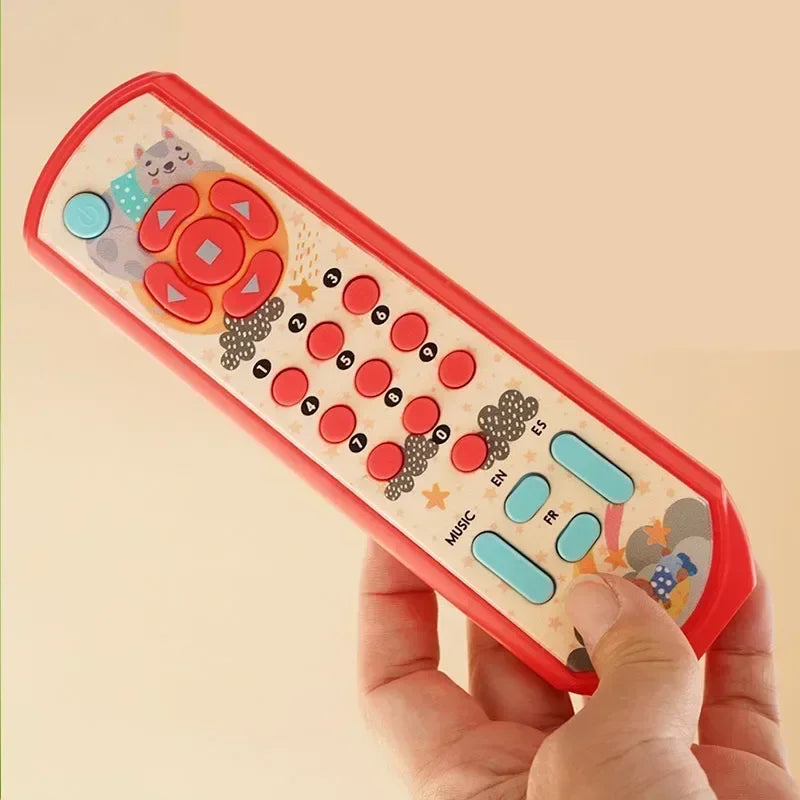
Interactive toys for 6 month old babies encourage safe, focused exploration 💡 See it in action
Building Imitation Skills Through Pretend Play
Imitation is one of the earliest learning tools babies use. Keeping baby entertained safely means giving them chances to copy everyday actions without risk.
Pretend play with a toy TV remote control allows babies to mimic parents, building early social understanding. Over time, this supports communication cues, turn-taking, and attention.
- Pressing buttons after watching a parent
- Responding to familiar sounds
- Recognizing routines like “on” and “off”
These small moments add up, especially when combined with supportive tools from Baby Growth & Learning Tips.
Encouraging Sensory Based Learning at Home
Sensory based learning doesn’t need bright screens or loud music. Keeping baby entertained safely often means reducing stimulation while increasing meaning.
An infant TV remote toy offers:
- Tactile feedback from buttons
- Auditory cues with gentle volume
- Visual recognition without flashing lights
- Emotional security through familiarity
Many parents pair this with calming items from Sleep & Comfort to support smoother transitions throughout the day.
Safe Play Options Compared
| Option | Safety Level | Learning Support |
|---|---|---|
| Infant TV Remote Toy | High | Imitation, focus, pretend play |
| Real Remote Control | Low | Risky, not designed for babies |
| Screen-Based Apps | Moderate | Overstimulating for infants |
For families prioritizing keeping baby entertained safely, screen-free toys clearly stand out.
What Parents Notice After Daily Use
Parents often report that after introducing an infant TV remote toy, babies spend less time reaching for unsafe items and more time focused on their own play.
Many notice:
- Calmer transitions between activities
- More independent play moments
- Stronger parent-baby interaction
This aligns with broader routines supported by Baby Care Tips & Advice.
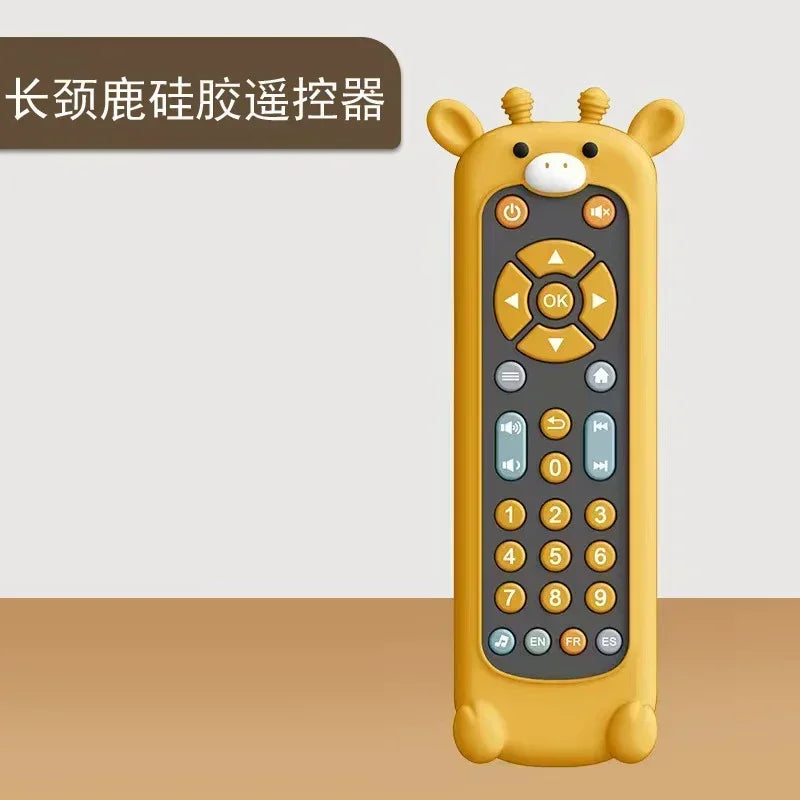
Safe infant toys that fit naturally into daily routines 💡 See it in action
Parents looking for a simple solution often choose the infant TV remote control toy as a daily go-to for safe engagement.
Quick FAQs for Busy Parents
Is an infant TV remote toy safe for daily use?
Yes. When designed for babies, it uses soft materials, rounded edges, and gentle sounds to support keeping baby entertained safely throughout the day.
At what age can babies use a toy TV remote control?
Most babies can begin exploring around six months, making it an ideal interactive toy for 6 month old infants learning imitation skills.
Does pretend play really help infant development?
Pretend play supports imitation, attention, and early social cues, forming a strong foundation for later learning without screens.





