

Kids Active Play Sports Toy for Every Energy Level
What is the best kids active play sports toy for different energy levels?
Kids active play sports toy options help children burn energy safely while building coordination and confidence. The right choice supports balance, cardio health, and creativity through whole body movements. Matching intensity to age and activity level ensures fun engagement, better focus, and family bonding during indoor or outdoor play.
Kids Active Play Sports Toy for Every Energy Level
⏱ 8 min read — Finding ways to keep children active without overwhelming schedules or screens can feel exhausting. Parents want movement that builds confidence, protects safety, and sparks laughter. This guide explores how the right kids active play sports toy meets energy needs, supports growth, and transforms everyday routines into playful learning moments.
Ever notice how restless afternoons can shift moods across the whole house? Choosing movement-based activities changes that dynamic quickly. Instead of chaos or boredom, structured play gives children a healthy outlet for curiosity and strength.
Which option helps your child channel excitement productively? Read on to discover practical ideas that blend fun, development, and connection.
👉 Curious about playful movement tools? Explore options in Sensory Toys to spark exploration and creativity.
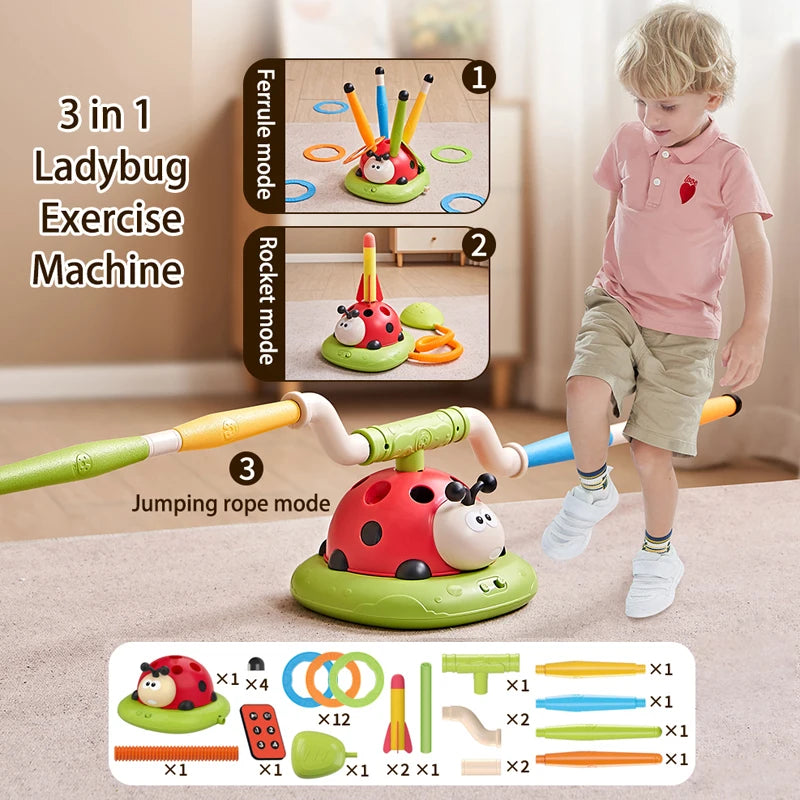
kids active play sports toy inspiration using active play toys and whole body movements 💡 See it in action
How the Right Toy Matches Energy Levels and Builds Confidence
Kids active play sports toy solutions offer structured movement that keeps children engaged while supporting development. They encourage coordination, stamina, and balance through active play toys and whole body movements, helping parents tailor experiences based on excitement levels, environment, and age.
Energy varies daily. One day calls for quiet stretching; another needs high-speed play. Matching tools to mood prevents frustration and keeps play safe.
Why energy-matching matters
- Reduces overstimulation or boredom
- Supports emotional regulation
- Encourages consistent movement habits
- Improves sleep readiness
Families often combine play tools with guidance found in Baby Growth & Learning resources, ensuring activities align with developmental milestones.
Choosing Activities for Low, Medium, and High Energy Moments
Low energy — gentle exploration
Quiet movement doesn’t mean inactivity. Balance games or slow coordination play support flexibility and mindfulness.
- Stretch-focused active play ideas
- Rhythm-based coordination
- Simple tossing or rolling
- Guided sensory movement sessions
These moments pair well with calming routines such as resources from Massage & Relaxation to transition between activity and rest.
Medium energy — skill building
Moderate intensity sessions are ideal for learning new techniques. Jumping patterns or light competition encourage persistence.
- Coordination drills
- Timed challenges
- Partner-based movement games
- Indoor obstacle routes
Families exploring structured skill growth often browse Mobility & Training to extend development opportunities.
High energy — full engagement
Sometimes children simply need a release. Fast, repetitive play encourages endurance and joy.
- Rhythmic jumping activities
- Outdoor races
- Competitive movement games
- Family fitness challenges
Monitoring hydration and temperature remains important. Helpful tools appear in Health & Safety collections for supportive preparation.
Comparing Active Play Options for Home Use
| Play Type | Best For | Benefits | Considerations |
|---|---|---|---|
| Jump-based motion | High excitement levels | Cardio health, coordination | Requires safe space |
| Balance play | Calm exploration | Focus, stability | Lower intensity engagement |
| Partner movement | Family interaction | Communication skills | Needs supervision |
| Creative obstacle setups | Mixed energy days | Problem solving | Preparation time |
Many parents pair these ideas with curated guidance from Baby Care Tips & Advice for planning balanced routines.
👉 Want guidance choosing gear step by step? Discover helpful selections in Baby Growth & Learning Tips.
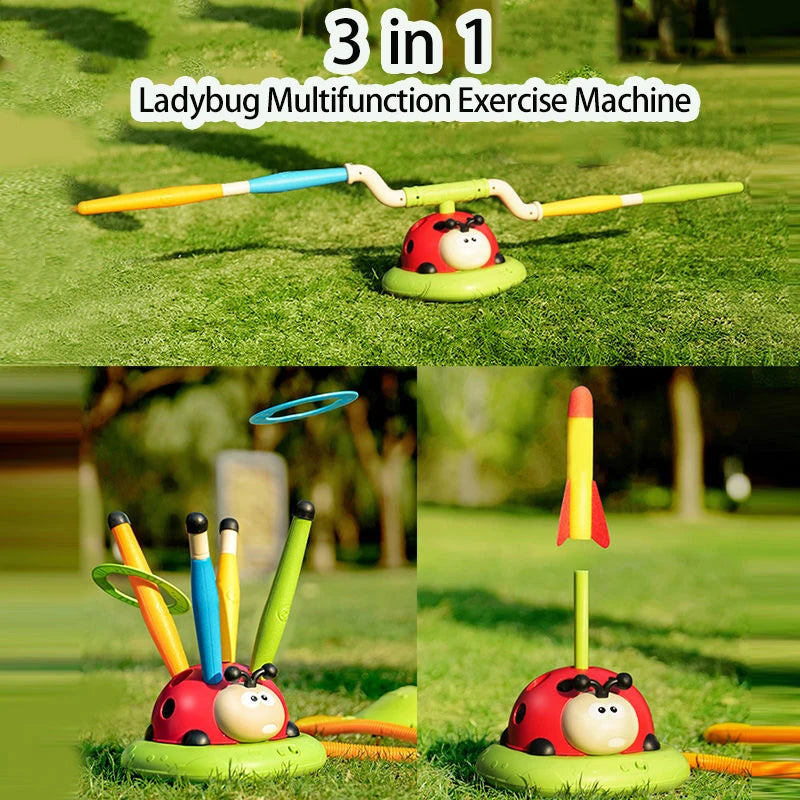
active play toys encouraging whole body movements and active play ideas 💡 See it in action
How to Choose the Ideal Option for Your Child
- Observe natural activity patterns during free play
- Identify safe indoor or outdoor space availability
- Select tools encouraging whole body movements
- Balance challenge with comfort level
- Review durability and ease of storage
A popular choice for adaptable engagement is the Ladybug Jump Rope Game Toy, often praised for blending coordination training with playful storytelling themes.
Matching benefits to needs
- Confidence building for shy movers
- Focus development for easily distracted learners
- Stamina growth for energetic personalities
- Bonding experiences for families
Complementing movement with supportive care tools from Sleep & Comfort helps maintain healthy daily cycles.
Real Parent Stories and Experiences
Parents frequently report noticeable mood improvements when movement becomes routine. One caregiver shared that structured jumping games reduced afternoon irritability and boosted concentration during homework sessions.
Another described using the Ladybug Jump Rope Game Toy outdoors, noting increased sibling cooperation and laughter.
Common themes in feedback
- Children request play sessions voluntarily
- Screen time naturally declines
- Even short sessions improve bedtime transitions
- Family members participate together
Such outcomes align with wellness insights from Beauty & Wellness, emphasizing holistic routines benefiting both children and caregivers.
How Active Play Supports Safety and Development
Movement experiences nurture spatial awareness, reducing accidental bumps and falls. Repetition strengthens reaction timing and balance.
Key developmental advantages
- Motor skill refinement
- Posture support
- Emotional resilience
- Social cooperation
Parents often pair activity with monitoring from Monitoring Devices and environmental adjustments using Temperature Tools.
Integrating Movement into Busy Routines
Busy schedules make consistency challenging. Integrating playful motion into existing habits simplifies adoption.
- Morning warm-up sessions
- After-school play bursts
- Weekend family challenges
- Outdoor park activities
Keeping a flexible option like the Ladybug Jump Rope Game Toy accessible encourages spontaneous engagement.
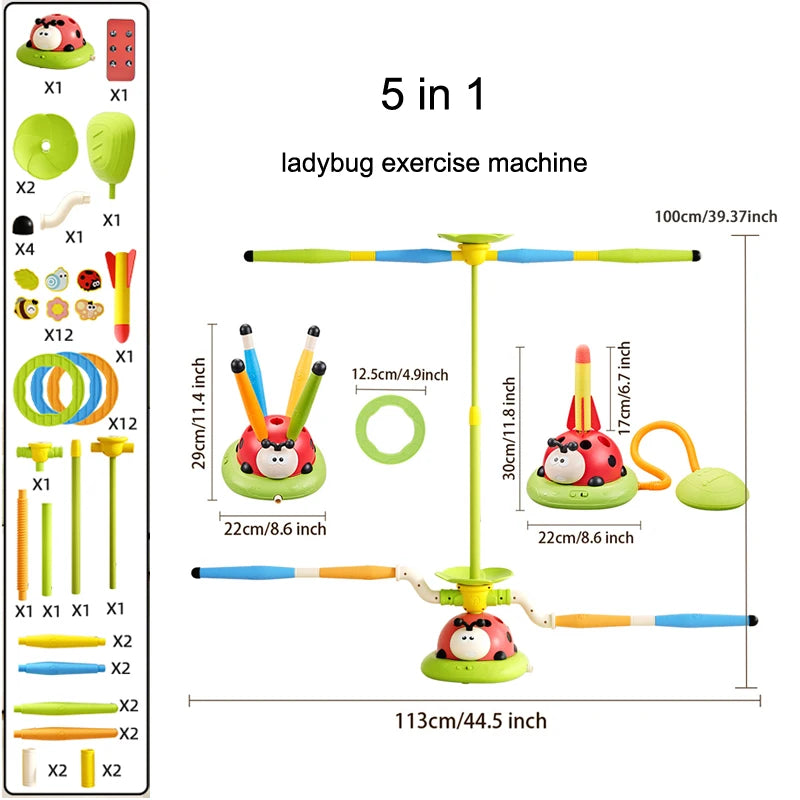
kids active play sports toy motivating active play toys and whole body movements 💡 See it in action
Why Parents Are Choosing This Play Approach
Families increasingly prioritize activities that blend enjoyment and development. Flexible tools allow adaptation to space, weather, and mood.
- Encourages independence
- Supports physical wellness
- Strengthens family interaction
- Provides structured fun
👉 Ready to bring movement home? Try the Ladybug Jump Rope Game Toy — limited availability.
Mini FAQ
What age benefits most from active sports toys?
Most children from toddler years onward gain coordination and balance advantages. Matching intensity and supervision level ensures positive experiences.
Can indoor play provide enough movement?
Yes. Structured indoor routines with safe spacing deliver effective physical engagement and skill growth comparable to outdoor sessions.
How often should children engage in active play?
Short daily sessions work well. Consistency matters more than duration, supporting mood, health, and learning outcomes.
Do these toys encourage family bonding?
Absolutely. Shared movement creates laughter, cooperation, and memorable connection moments across all ages.





