

Kids Bored With Drawing Boards What Works Better
Why are kids bored with drawing boards?
Kids bored with drawing boards often lose interest because traditional boards lack movement, feedback, and variety. Flat surfaces don’t respond to a child’s actions, making play feel repetitive. Engaging learning tools that glow, react, or change help sustain attention, encourage creativity, and turn drawing into an active, rewarding experience.
Kids Bored With Drawing Boards: What Works Better
⏱ 6 min read
Kids bored with drawing boards is a frustration many parents share. You buy art supplies hoping for quiet, creative time—only to see excitement fade after a few minutes. The issue isn’t your child’s imagination. It’s that kids today crave interaction, cause-and-effect, and sensory feedback that traditional drawing boards simply don’t provide.
Wondering what actually keeps kids focused longer? Keep reading to see why small changes in play tools can make a big difference.
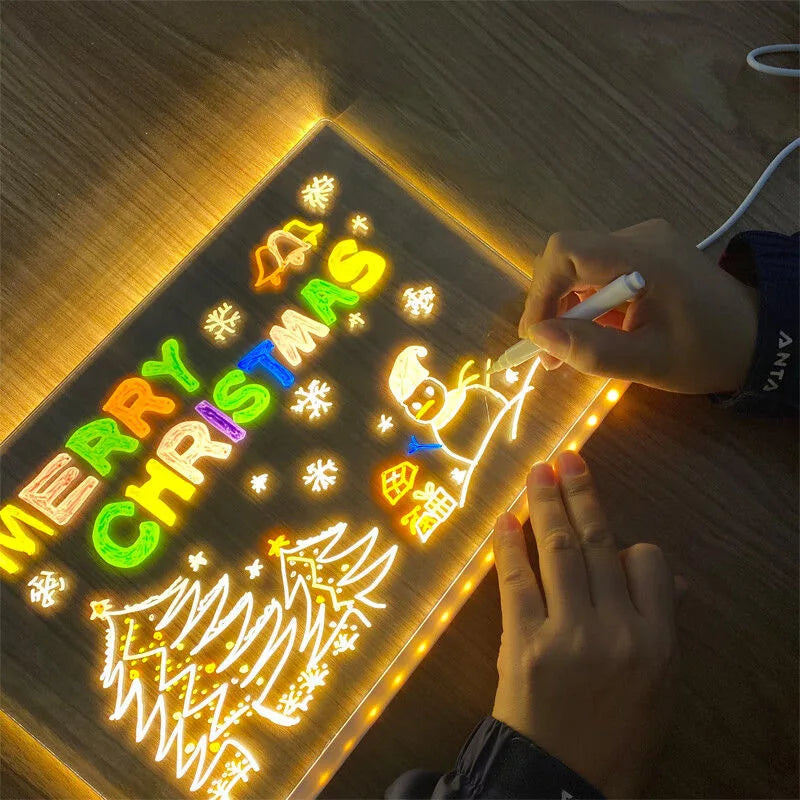
Interactive drawing ideas help kids bored with drawing boards rediscover creative play 💡 See it in action
Why Traditional Drawing Boards Lose Appeal So Fast
Kids bored with drawing boards isn’t about short attention spans—it’s about unmet expectations. Children are wired to explore, experiment, and see immediate results from their actions. When a tool doesn’t respond, they disengage.
- No visual feedback beyond static lines
- Limited colors and effects
- Same experience every time
- No sense of progress or discovery
Compared to modern toys that light up or react, a basic board feels flat. This is especially true for kids already exposed to interactive books, sensory toys, and digital learning environments.
Parents browsing Baby Growth & Learning collections often notice that products with movement, light, or sound hold attention far longer than passive tools.
What Kids Actually Need to Stay Engaged
Engaging learning tools work because they match how kids learn best—through feedback and exploration. When a child sees their drawing glow or change, it reinforces curiosity and confidence.
Key engagement drivers
- Cause-and-effect responses
- Multi-sensory stimulation
- Opportunities for open-ended play
- Visual variety that evolves
Interactive drawing ideas turn art into an experience, not just an activity. This is why sensory-rich options from Sensory Toys collections often outperform traditional art tools.
Better Alternatives to Standard Drawing Boards
When kids bored with drawing boards, parents often assume their child “doesn’t like art.” In reality, switching the medium can reignite interest.
| Option | Why It Works Better |
|---|---|
| Glow-based drawing surfaces | Instant visual reward keeps kids drawing longer |
| Interactive message boards | Encourages writing, symbols, and storytelling |
| Sensory play tools | Adds texture and movement to creativity |
Many families combine creative tools with items from Smart Baby Gadgets to support learning through play without overwhelming kids.
How a Light Up Drawing Board Changes Play
Kids bored with drawing boards often re-engage when light becomes part of the experience. A light up drawing board transforms simple sketches into glowing visuals that feel magical and new every time.
Unlike paper or dry-erase boards, illuminated surfaces respond immediately, helping kids understand cause and effect while encouraging longer focus.
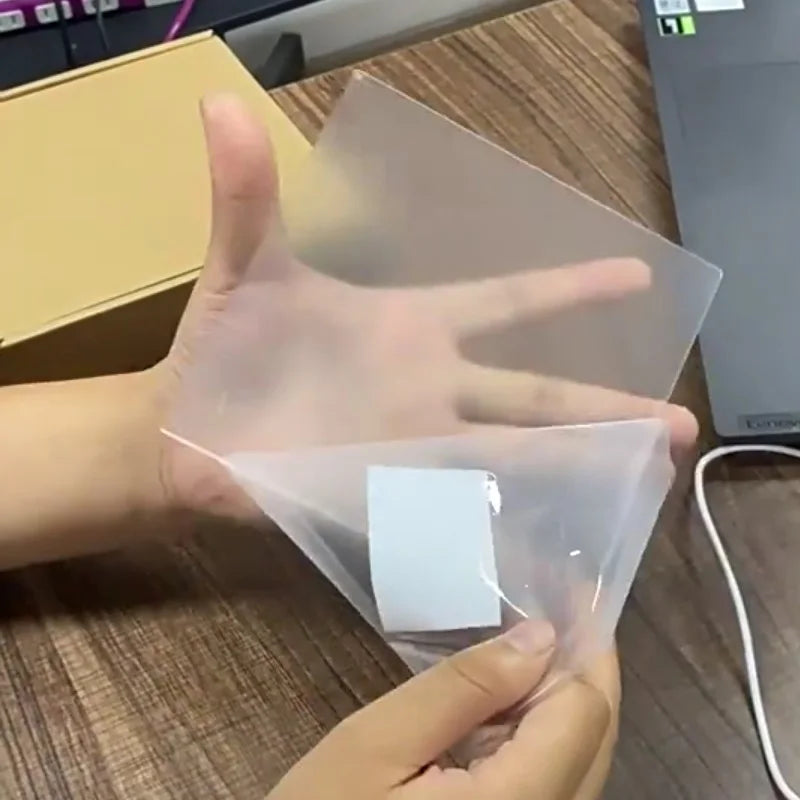
A light up drawing board keeps kids engaged with evolving visuals 💡 See it in action
Parents often pair these tools with products from Baby Growth & Learning Tips to build consistent creative routines.
One popular option is the LED Acrylic Message Board, which allows kids to draw, trace letters, or leave glowing notes—adding purpose to play.
Real Parent Experiences
“My daughter used to walk away from her drawing board in minutes. With a glowing board, she sits and creates stories for half an hour,” says a parent of a 5-year-old.
Another parent shared that interactive drawing helped reduce screen time because the visual feedback felt just as exciting.
Families focused on calmer routines often combine creative tools with items from Sleep & Comfort to support winding down without screens.
How to Choose the Right Engaging Learning Tool
Not every interactive option fits every child. Choosing wisely helps avoid clutter and frustration.
- Match the tool to your child’s age and fine motor skills
- Look for simple controls and safe materials
- Choose tools that allow open-ended creativity
- Consider portability for travel or quiet time
Parents exploring Baby Care Essentials often prioritize safety and ease of cleaning alongside engagement.
Using one versatile tool—like a light up drawing board—can replace multiple underused items and simplify play spaces.
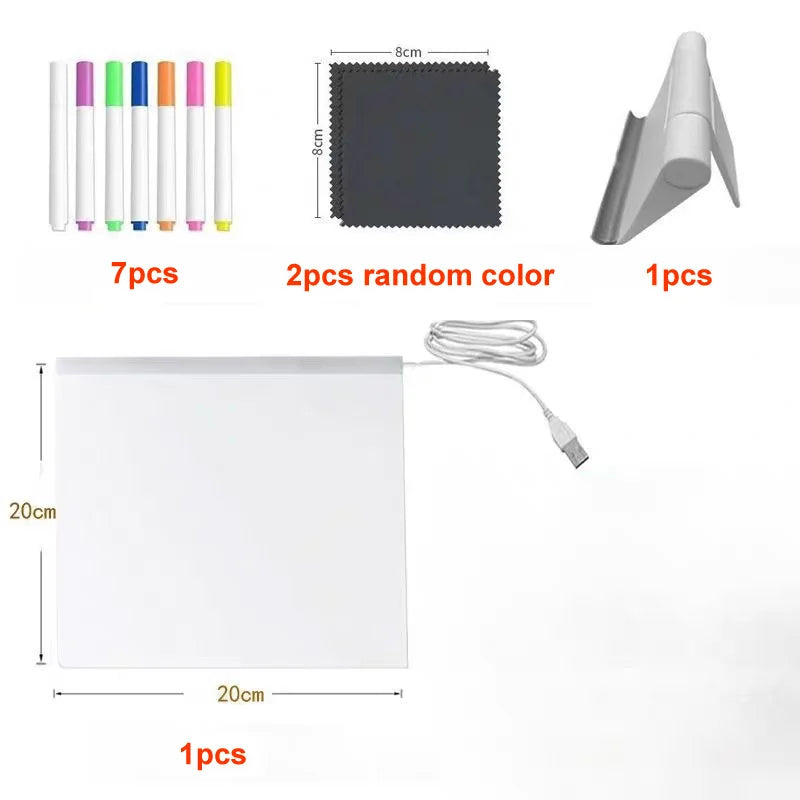
Engaging learning tools solve kids bored with drawing boards 💡 See it in action
Quick FAQ
Why do kids get bored with drawing boards?
Kids bored with drawing boards usually lose interest because traditional boards don’t respond or change. Without visual or sensory feedback, the activity feels repetitive and uninspiring.
Are interactive drawing tools better for learning?
Yes. Engaging learning tools encourage longer focus, experimentation, and confidence by providing immediate feedback and variety during play.
What age benefits most from light up drawing boards?
Preschool and early elementary kids benefit most, as glowing visuals support creativity, letter practice, and imaginative play without screens.
Related Guide: Creative Kids Learning Toys for Different Learning Styles





