

Swim Cap Headache: Why It Happens and How to Prevent It
Swim Cap Headache: Why Swim Caps Hurt and How to Prevent Discomfort While Swimming
⏱ 9 min read
A
swim cap headache
can turn an enjoyable swim into an uncomfortable experience. If you've ever wondered
why do swim caps hurt
, the cause is often excessive pressure, poor fit, or hair tension rather than swimming itself. This guide explains why headaches happen, how to stop them, how to choose a comfortable swim cap, and when symptoms may require medical attention.
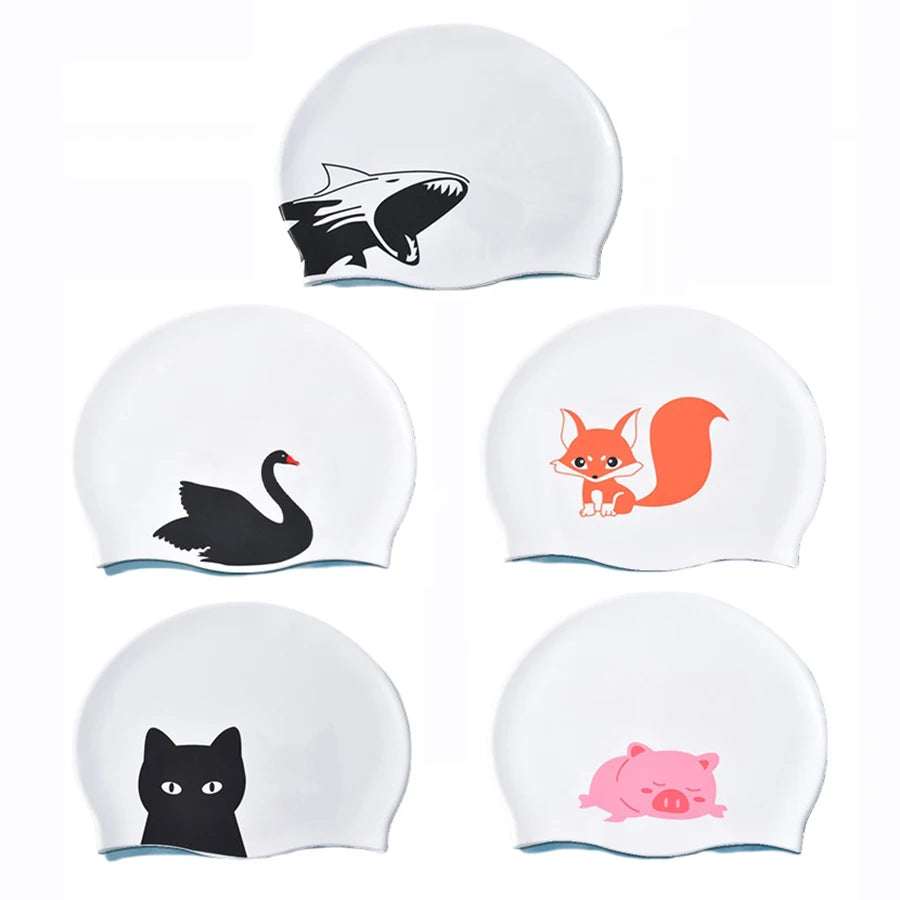
A properly fitted swim cap distributes pressure more evenly for improved comfort.
What Causes a Swim Cap Headache?
A swim cap headache usually develops because the cap compresses sensitive tissues around the scalp, temples, forehead, or behind the ears. Similar to tight hats or protective helmets, prolonged pressure can trigger what's known as an external compression headache.
External Compression Headaches
External compression headaches occur when constant pressure is applied to the scalp for an extended period. Symptoms often improve within minutes to an hour after removing the cap. Tight-fitting swim caps, goggles, and even elastic hair ties may contribute to this type of discomfort.
Tension Headaches vs Migraine Triggers
Not every headache after swimming has the same cause. A tension headache generally produces a dull, band-like ache around the head, while migraines may involve throbbing pain, nausea, sensitivity to light, or visual disturbances. For people prone to migraines, tight equipment may act as one trigger among several rather than the sole cause.
When the Headache May Be Unrelated to the Swim Cap
Dehydration, skipped meals, neck muscle strain, intense exercise, cold water exposure, or inadequate recovery can all contribute to headaches after swimming. Before replacing your equipment, consider these factors if symptoms occur regularly.
How Swim Caps Create Pressure on the Scalp
Scalp Nerves and Pressure Distribution
The scalp contains numerous small nerves that respond to sustained compression. When a swim cap stretches unevenly, pressure becomes concentrated at the temples, hairline, or base of the skull instead of being distributed across the entire head.
How Tight Caps Compress Sensitive Areas
A cap that is too small or overstretched pulls hardest along its edges. This concentrated tension often explains why swimmers feel discomfort around the ears and forehead even though the top of the cap feels comfortable.
Why Hair and Hairstyles Increase Tension
Large buns, thick ponytails, bulky braids, or tightly secured hair create additional pressure beneath the cap. The cap must stretch farther to accommodate the hairstyle, increasing tension and making a swim cap headache more likely during longer sessions.
How to Stop a Swim Cap Headache
Check Cap Size First
If your cap feels difficult to put on or leaves deep marks after removal, it may simply be too small. Choosing the correct size often solves discomfort immediately.
Adjust Hairstyle Before Swimming
Low buns, flat braids, or neatly gathered hair generally create less pressure than high buns. Spreading hair more evenly under the cap reduces localized tension.
Limit Continuous Wear
If possible, remove your cap during extended breaks between swim sets. Even brief relief from constant pressure can reduce the chance of developing a headache.
Reduce Pressure Without Sacrificing Fit
A comfortable swim cap should stay securely in place without squeezing excessively. Silicone caps with balanced elasticity often provide a better balance between sealing out water and maintaining comfort for longer swims.
Common Fit Mistakes That Cause Discomfort
Cap Too Small
Many swimmers purchase caps based only on age instead of head size or hair volume. Adults with thick or long hair often benefit from larger-cap designs.
Cap Positioned Too Low
Pulling the cap too far over the forehead or ears increases pressure on sensitive tissues. Positioning the front edge slightly above the eyebrows often improves comfort while maintaining a secure fit.
Overstretching Older Caps
Repeated stretching weakens materials over time, causing uneven elasticity. Older caps may create pressure points even if they previously fit well. Replacing worn equipment can restore comfort.
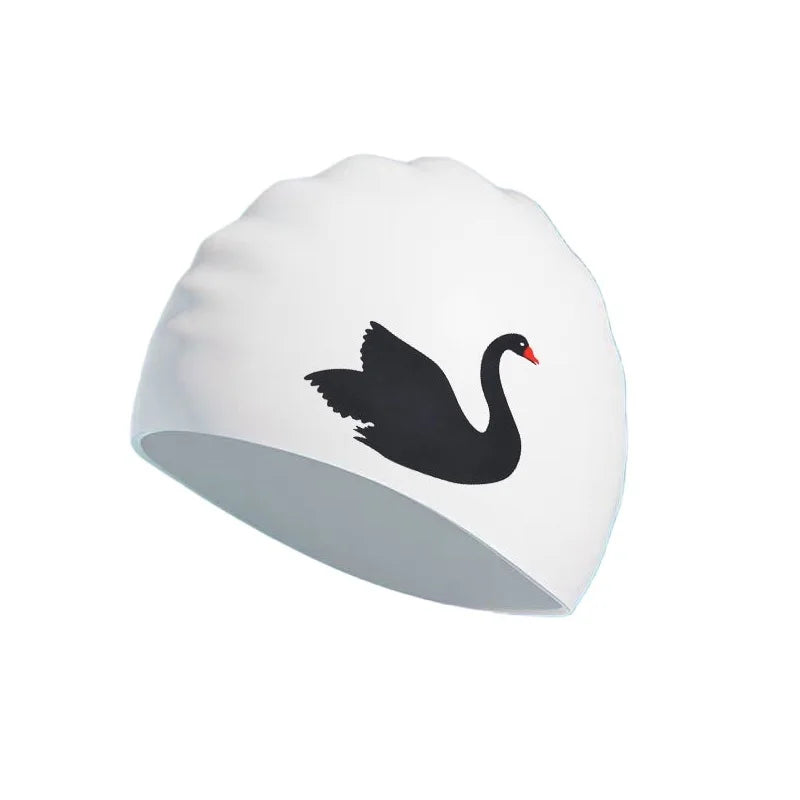
Proper positioning and even tension help reduce unnecessary scalp pressure.
Choosing the Right Swim Cap for Comfort
Silicone vs Latex vs Lycra
| Material | Comfort | Hair Protection | Durability |
|---|---|---|---|
| Silicone | Excellent for most adults | Low friction | High |
| Latex | Tighter fit | Moderate | Moderate |
| Lycra | Very comfortable | Excellent | Lower water resistance |
Sizing Guide
Choose a cap that accommodates both your head size and hair volume. Swimmers with long, curly, or thick hair may need larger-cap options designed specifically for additional space.
Features for Sensitive Scalps
- Soft silicone construction
- Even stretch across the cap
- Smooth interior that won't pull hair
- Comfortable edge design around ears and temples
- Enough room for natural hair placement
Hair Protection and Wet Hair Swimming Concerns
No swim cap keeps hair completely dry, but a properly fitted cap helps reduce chlorine exposure while minimizing friction against the hair shaft.
How Hairstyles Affect Pressure
Compact hairstyles distribute pressure more evenly than bulky buns. Positioning hair lower on the head also reduces tension around the crown.
Reducing Hair Pulling
If you're looking for a swim cap that won't pull hair, choose smooth silicone rather than rougher materials. Wetting hair slightly before putting on the cap may also reduce snagging during removal.
Managing Wet Hair Swimming
- Rinse hair before entering the pool.
- Wear a properly fitted cap.
- Rinse again immediately after swimming.
- Use conditioner to restore moisture if swimming frequently.
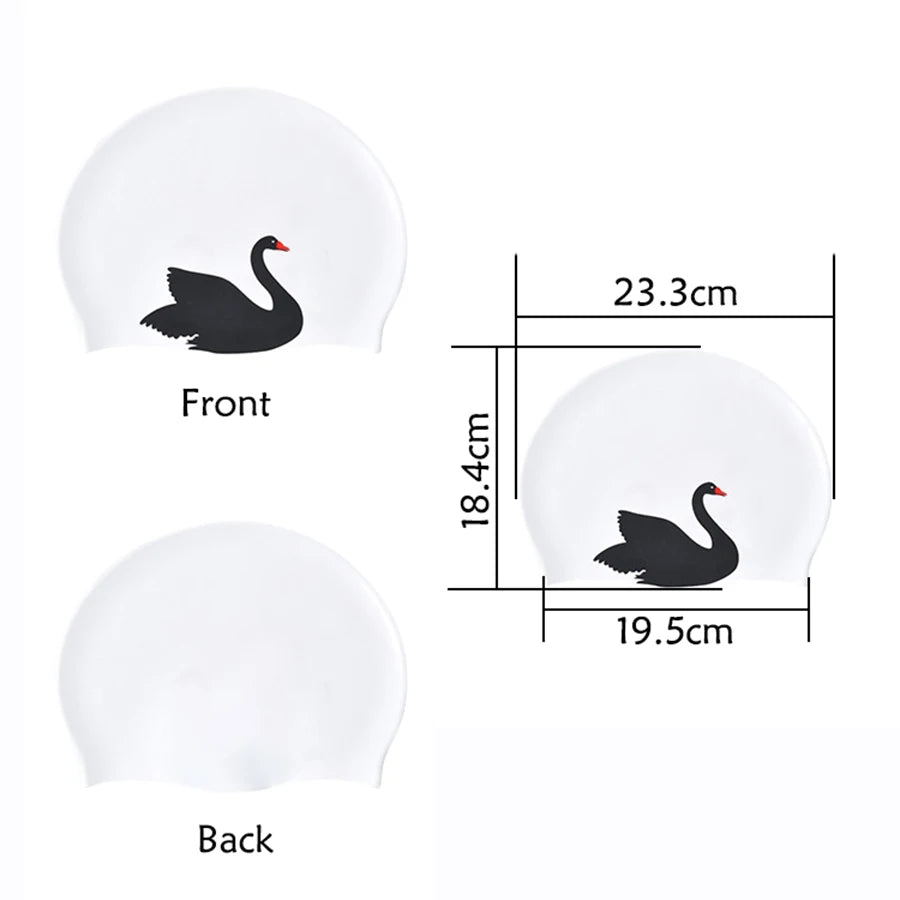
Choosing a hair-friendly swim cap helps reduce pulling and improves long-session comfort.
Swim Cap Comfort Tips for Children
Why Kids Hate Swim Caps
Children often dislike swim caps because they're difficult to put on, pull hair unexpectedly, or simply feel unfamiliar. Anxiety about the cap itself may make discomfort feel worse.
Making Caps Easier to Wear
- Choose the correct size instead of sizing down.
- Practice putting the cap on at home.
- Avoid overly tight hairstyles.
- Allow children to choose a color or design they enjoy.
- Remove the cap promptly after swimming.
When a Swim Cap Headache Needs Medical Attention
Red-Flag Symptoms
Seek medical evaluation promptly if a headache is severe, sudden, accompanied by weakness, confusion, vision changes, difficulty speaking, persistent vomiting, or loss of consciousness.
Persistent Headaches After Swimming
If headaches continue long after removing your swim cap or occur after every swim despite improving fit and hydration, consult a healthcare professional. Persistent symptoms may indicate migraines, cervical muscle issues, or another underlying condition requiring evaluation.
Frequently Asked Questions
Why do swim caps hurt my head?
Most swim cap headaches result from excessive pressure around the scalp, temples, or ears caused by a cap that's too tight, worn incorrectly, or combined with bulky hairstyles.
How do I stop a swim cap headache?
Check your cap size, adjust your hairstyle, avoid wearing the cap longer than necessary, stay hydrated, and choose a comfortable swim cap made from soft silicone if discomfort continues.
Can a swim cap trigger a migraine?
For people who are prone to migraines, prolonged pressure may contribute as one trigger. However, migraines usually involve additional symptoms beyond simple scalp discomfort.
What is the most comfortable swim cap material?
Silicone is generally considered the most comfortable option for regular swimmers because it balances durability, flexibility, and reduced hair pulling.
How tight should a swim cap be?
A swim cap should stay securely in place without causing pain, deep pressure marks, or numbness around the temples or ears.
Can a swim cap damage my hair?
A properly fitted silicone cap typically reduces friction compared with poorly fitting alternatives. Hair damage is more likely when caps snag hair during removal or when hairstyles create excessive tension.
Why do kids hate swim caps?
Children often dislike the tight sensation, hair pulling, or unfamiliar feeling. Choosing the correct size and practicing beforehand usually improves acceptance.
When should I replace my swim cap?
Replace your swim cap if it develops tears, loses elasticity, slips frequently, or creates new pressure points that weren't present when it was new.
Related Guide: Comfortable Silicone Swim Cap Adults With Sensitive Scalps





