

Best Soccer Toys for 1 Year Old Toddlers That Build Skills
What Is the Best Kids Indoor Soccer Goal Toy for Safe Home Practice?
A kids indoor soccer goal toy gives toddlers a safe way to practice kicking, improve coordination, and build gross motor skills without needing a backyard. The best options feature soft materials, stable construction, and quick setup so children can enjoy active indoor play while parents have peace of mind. For most families, lightweight goals designed for toddlers offer the best balance of safety, durability, and developmental value.
Kids Indoor Soccer Goal Toy: Top Picks Compared
The right indoor soccer goal can turn everyday play into an opportunity for skill building. Whether you're introducing soccer to a curious 18-month-old or encouraging an active preschooler to practice accuracy, a well-designed indoor goal promotes movement, balance, coordination, and confidence while helping children stay active during rainy days or cold weather. Choosing a model with toddler-friendly materials and reliable stability makes home practice both fun and safe.
⏱ 7 min read
If your toddler enjoys kicking every ball they see, an indoor soccer goal provides a simple way to channel that energy into purposeful play. Instead of random kicks around the house, children can practice aiming, develop early soccer skills, and enjoy active games that support healthy physical development.
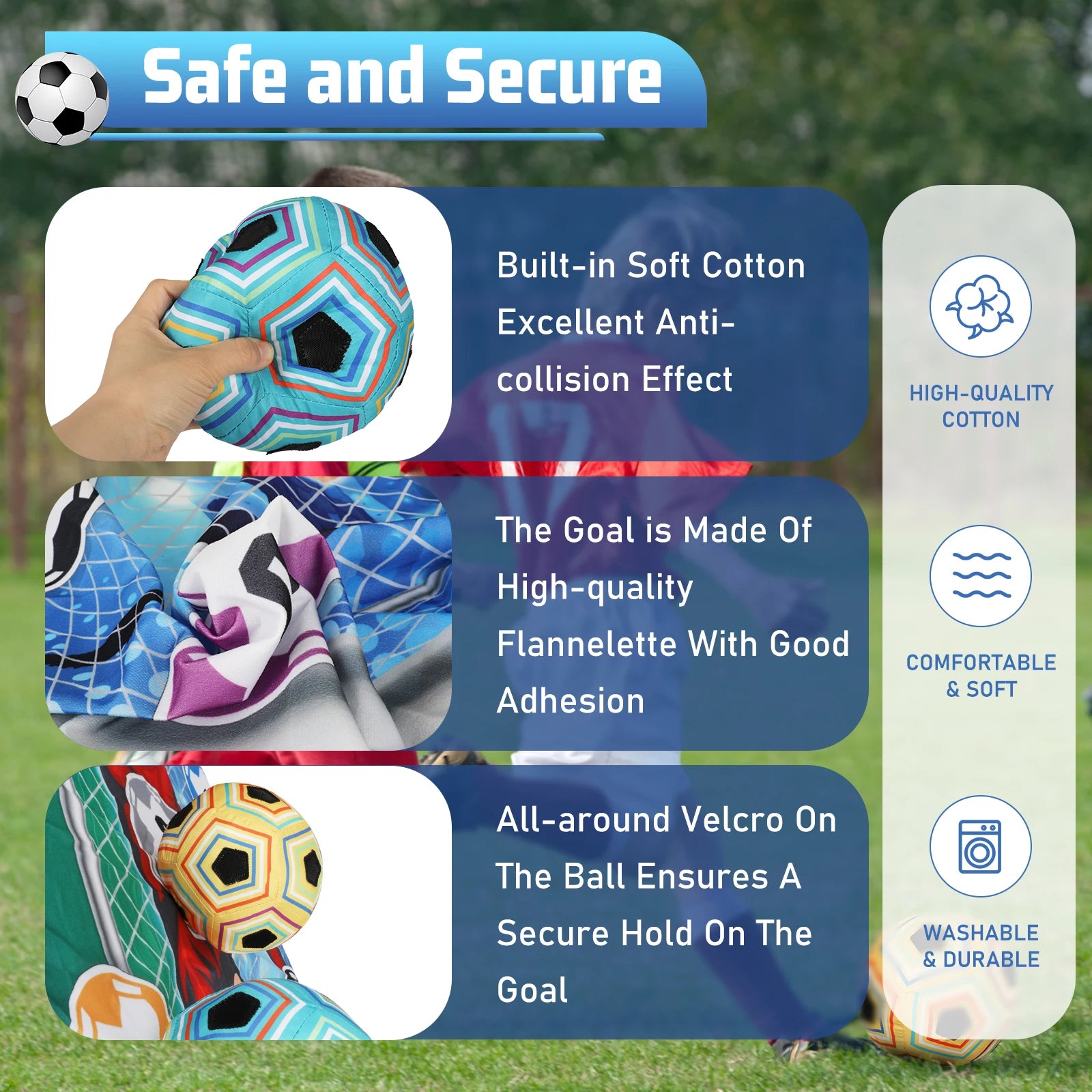
Soft and safe kids indoor soccer goal toy for fun indoor soccer drills. See it in action.
Why Parents Choose Indoor Soccer Goal Toys
A kids indoor soccer goal toy is designed to help toddlers and young children practice basic soccer movements in a safe home environment. Compared with traditional metal goal frames, toddler-focused indoor goals prioritize soft materials, lightweight construction, and easy setup, making them suitable for living rooms, playrooms, and other indoor spaces.
Parents often choose indoor soccer goals because they help children:
- Stay physically active when outdoor play isn't possible.
- Develop balance, coordination, and gross motor skills through repeated kicking practice.
- Build confidence by reaching simple, age-appropriate goals.
- Enjoy independent or family play with equipment designed for younger children.
- Reduce the risk of bumps and damage associated with heavier sports equipment.
Indoor sports toys pair well with developmental play tools found in Sensory Toys, helping toddlers strengthen focus, coordination, and motor learning through active play.
Side-by-Side Comparison of Indoor Soccer Goal Options
| Option | Best For | Safety | Skill Focus | Recommended Age |
|---|---|---|---|---|
| Kids Soccer Sticky Goal Toy | Indoor home practice | ⭐⭐⭐⭐⭐ | Accuracy, coordination, confidence | 18 months–4 years |
| Pop-up fabric goal | Portable play | ⭐⭐⭐⭐☆ | General kicking practice | 2–5 years |
| Plastic frame goal | Larger play spaces | ⭐⭐⭐☆☆ | Structured soccer practice | 3–6 years |
For toddlers and younger preschoolers, soft indoor goals generally provide the best combination of safety and developmental value. Lightweight models are easier to set up, store, and use every day, while harder plastic goals may be better suited to older children with more advanced coordination.
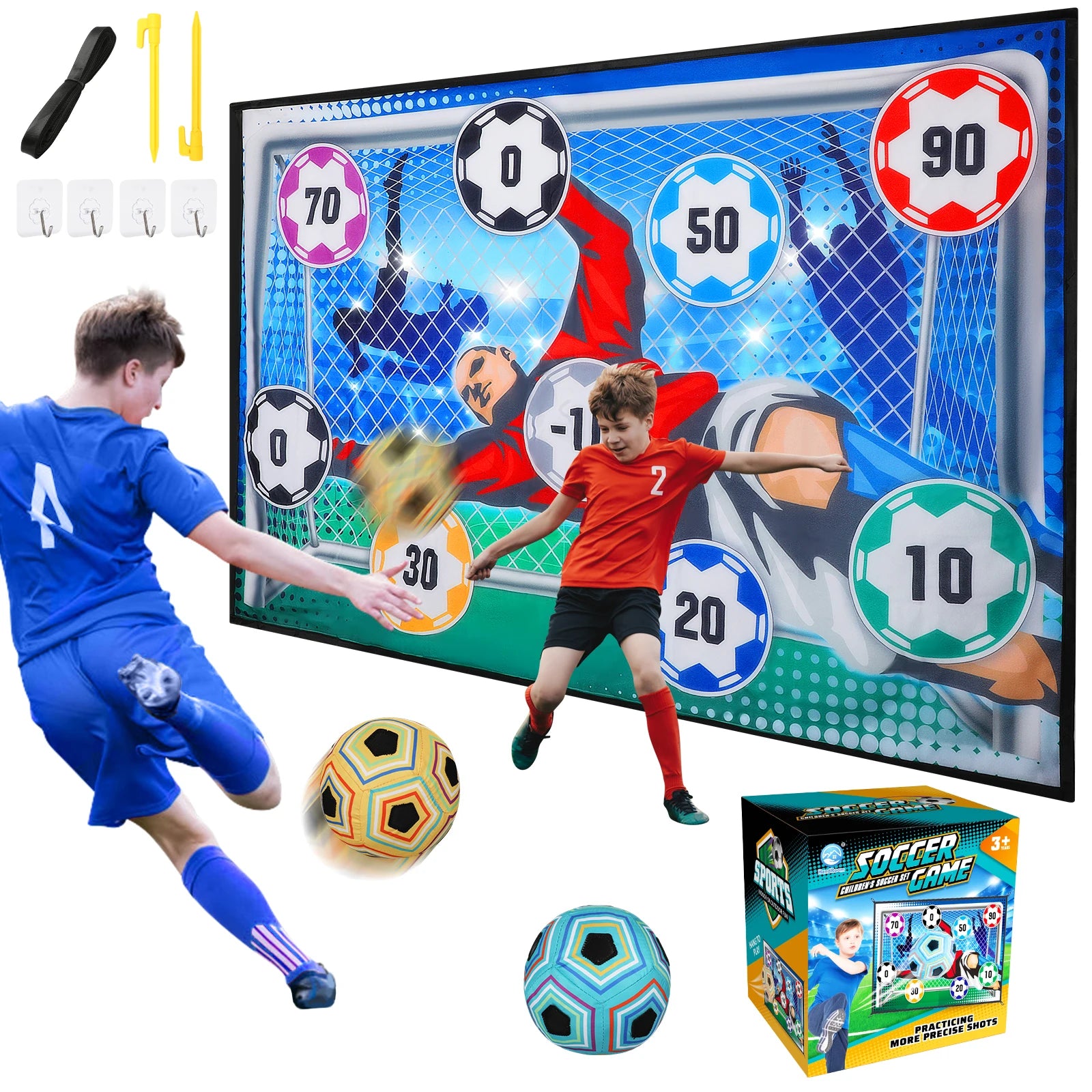
Indoor soccer goal helping toddlers practice coordination and kicking skills. See it in action.
How Indoor Soccer Improves Toddler Development
Regular indoor soccer play supports several important developmental milestones for toddlers. Short, supervised play sessions encourage whole-body movement while helping young children build confidence through achievable challenges. For children between 18 months and 4 years old, age-appropriate soccer toys can strengthen both physical and social skills without requiring a large outdoor space.
Improves Coordination and Motor Skills
Each kick encourages toddlers to coordinate their eyes, legs, and core muscles. Reaching the ball, maintaining balance, and aiming toward the goal improve body awareness while strengthening gross motor development. Repetitive movement also helps children develop better control and coordination as they grow.
Encourages Healthy Energy Release
Active indoor play provides a productive outlet for energy, especially during bad weather or when outdoor play is limited. Structured movement can help reduce restlessness while making it easier for toddlers to transition to quieter activities later in the day.
Boosts Social and Emotional Development
Simple soccer games teach toddlers to take turns, celebrate success, and keep trying after missed shots. Whether playing independently or with parents and siblings, children develop confidence, patience, and positive associations with physical activity.
Parents often combine active toys with developmental resources from Baby Growth & Learning to encourage balanced physical, cognitive, and social development.
How to Choose the Right Indoor Soccer Goal for Your Child
- Choose Soft, Child-Friendly Materials – Fabric, foam, and padded components reduce the chance of injury while helping protect walls and furniture during active play.
- Look for Reliable Stability – Goals with secure suction cups or stable bases are less likely to shift when toddlers kick repeatedly.
- Keep Setup Simple – A lightweight goal that's easy to install and store is more likely to be used consistently as part of everyday play.
- Match the Goal to Your Child's Age – Smaller targets help younger toddlers experience success while gradually improving kicking accuracy and confidence.
- Consider Long-Term Play Value – Goals that support target games, parent-child activities, and progressively challenging practice can remain engaging as children develop new skills.
Safety-focused parents often explore supportive resources from Health & Safety to create secure indoor play environments.
Simple Soccer Activities That Keep Toddlers Engaged
Rather than formal drills, toddlers benefit most from short, playful activities that match their attention span while encouraging movement and coordination.
- Aim for the Target – Encourage children to kick toward different areas of the goal to practice control and accuracy.
- Roll and Kick – Roll the ball gently toward your toddler before encouraging them to kick it back into the goal.
- Count the Goals – Count successful kicks aloud to reinforce number recognition while celebrating progress.
- Take Turns – Alternate turns with parents or siblings to build patience, communication, and cooperative play.
Pairing active games with developmental resources from Sensory Toys can create a well-rounded play routine that supports both movement and learning.
Why the Kids Soccer Sticky Goal Toy Stands Out for Indoor Play
The Kids Soccer Sticky Goal Toy is well suited to families looking for a compact indoor practice solution. Its soft construction and suction-mounted design help create a stable target without introducing heavy frames that may be less suitable for toddlers. The lightweight design also makes it easy to move between rooms or store after playtime.
| Strengths | Things to Consider |
|---|---|
| ✅ Soft materials designed for young children | ❌ Performs best on smooth, clean mounting surfaces |
| ✅ Quick installation and easy removal | ❌ Target size is most appropriate for toddlers and younger preschoolers |
| ✅ Encourages regular indoor kicking practice and coordination | ❌ Designed primarily for indoor use |
Families looking for a simple way to encourage active indoor play often appreciate that the Kids Soccer Sticky Goal Toy combines easy setup with toddler-friendly materials, making it practical for short daily practice sessions.
“My 2-year-old started practicing kicks daily. It keeps him active indoors and gives him confidence every time he scores.” – Verified Parent Review
Safety Tips for Indoor Soccer Play
Choosing the right indoor soccer goal is only part of creating a safe play environment. Following a few simple precautions helps toddlers enjoy active play while reducing the risk of falls, bumps, and choking hazards.
Soft Balls
- Use lightweight foam or soft fabric soccer balls designed for toddlers.
- Avoid full-size or heavily inflated balls that may be difficult for young children to control.
- Inspect balls regularly for damage or loose pieces before each play session.
Adult Supervision
- Stay nearby while toddlers play, especially children under 3 years old.
- Encourage safe kicking rather than climbing, hanging, or rough play with the goal.
- Keep sessions short and enjoyable to match your child's attention span.
Safe Play Surfaces
- Choose an open area with enough room for movement.
- Move furniture with sharp corners or fragile decorations away from the play space.
- Use rugs or non-slip mats if playing on smooth flooring to reduce slipping.
Goal Stability
- Check that the indoor soccer goal is securely mounted or properly stabilized before each use.
- Follow the manufacturer's setup instructions to maintain reliable performance.
- Reposition or reinstall the goal if it becomes loose during play.
Parents looking to create balanced daily routines often combine active play with comfort-focused solutions from Sleep & Comfort to support healthy activity and rest.
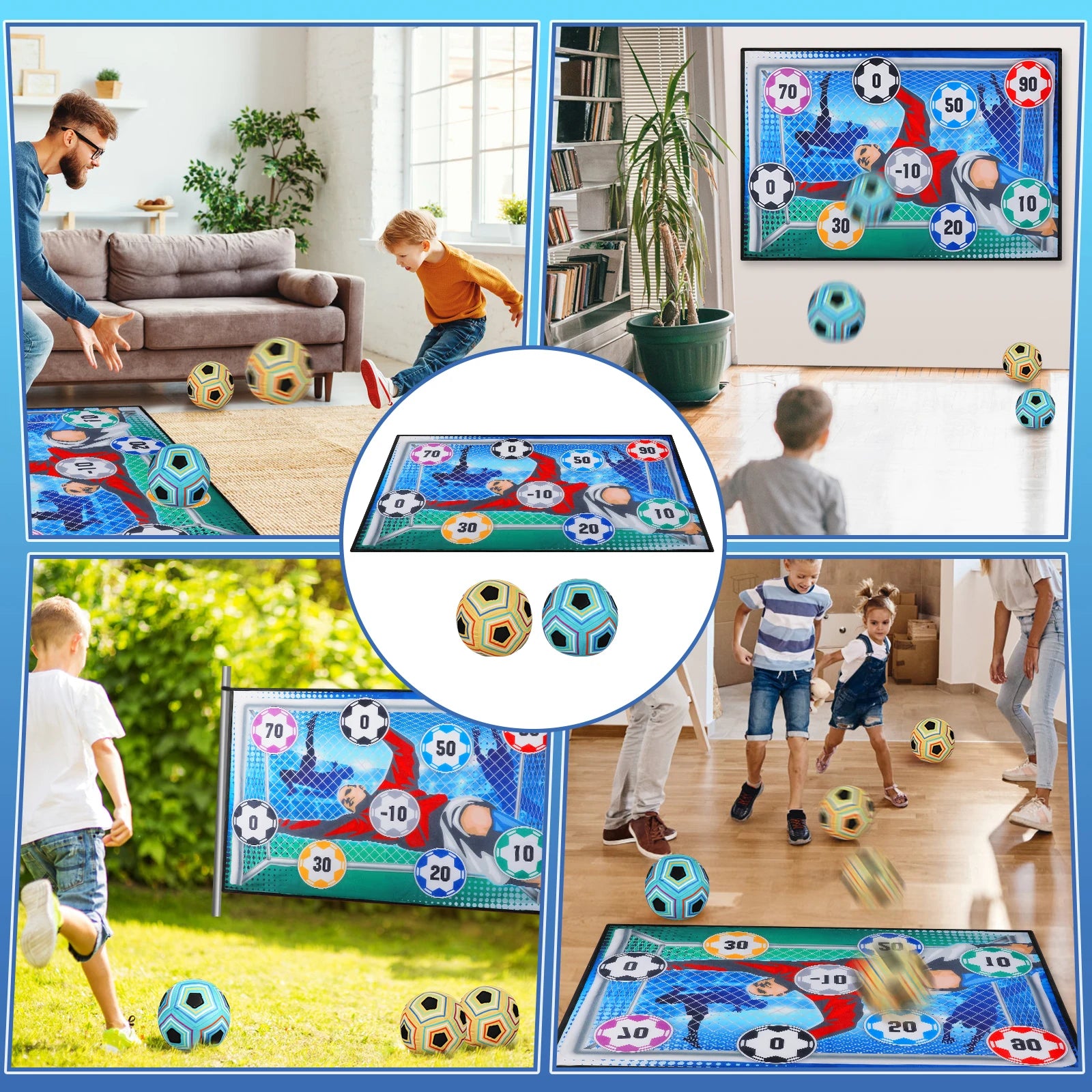
Best soccer goals for indoor toddler training and safe indoor soccer play. See it in action.
Frequently Asked Questions
What are the best soccer toys for 1-year-old toddlers for skill building?
For toddlers around 12 to 24 months, look for soft soccer toys that encourage simple kicking, balance, and coordination. Lightweight indoor soccer goals paired with soft balls provide age-appropriate challenges without introducing hard equipment.
What is the safest indoor soccer toy for toddlers?
The safest options use soft materials, rounded edges, and stable mounting systems. An indoor soccer goal designed specifically for toddlers helps reduce injury risks while supporting active play inside the home.
Can a 1-year-old use an indoor soccer goal?
Many children begin enjoying simple kicking games between 18 and 24 months. If introducing an indoor soccer goal earlier, choose a toddler-specific model, use a soft ball, and provide close adult supervision throughout play.
What soccer ball size is best for a toddler?
Small, lightweight foam or soft fabric soccer balls are generally the easiest for toddlers to kick, carry, and control. Oversized or heavier balls can make learning more difficult and may increase the risk of accidental bumps.
How do soccer toys improve balance and coordination?
Kicking, stopping, and chasing a ball encourage toddlers to coordinate their movements while strengthening leg muscles, balance, and body awareness. Repeated practice also builds confidence as children improve their control.
Are inflatable or foam soccer balls better for toddlers?
Foam balls are often the better choice for indoor play because they are lightweight and gentle on furniture. Soft inflatable balls designed for toddlers can also work well if they are not overinflated.
What should I look for when buying toddler soccer toys?
Prioritize soft materials, age-appropriate sizing, secure goal stability, durable construction, and quick setup. Products designed specifically for toddlers generally provide a safer and more enjoyable learning experience than scaled-down versions of adult equipment.
Which soccer toy works best in small apartments?
Compact indoor soccer goals with suction-mounted or lightweight designs are ideal for apartments because they require minimal floor space, are easy to store, and allow children to practice safely indoors.
Related Guide: Best Soccer Goal for Toddlers: 2026 Comparison Guide





