

Children's Insoles for Flat Feet Parents Can Trust
Do children's insoles for flat feet really help with comfort and balance?
Children's insoles for flat feet can improve comfort, balance, and daily stamina when they provide gentle arch support, shock absorption, and breathable cushioning. They are most helpful for children who experience foot pain, fatigue, or instability during everyday activities rather than children with painless, flexible flat feet.
It's also important to understand the difference between flexible and rigid flat feet. Flexible flat feet are common in young children and often improve naturally as the arch develops. Rigid flat feet are less common, may cause persistent pain or limited movement, and should be evaluated by a healthcare professional. For symptomatic children, properly fitted insoles for kids with flat feet can reduce strain, improve comfort during walking and sports, and support healthy movement without permanently changing foot structure.
Kids Insoles for Flat Feet: 7 Options Compared for Comfort
Choosing kids insoles for flat feet can feel overwhelming, especially when every option promises comfort and support. Parents want relief from foot pain, fewer complaints after school, and confidence that growing feet are protected during play, sports, and daily routines. This guide compares seven popular insole types, explains when children actually need support, and helps you choose the best option based on age, activity level, and shoe type.
⏱ 7 min read
Wondering which insole actually fits your child's daily routine and activity level? The following guide explains what matters most so you can make a confident decision.
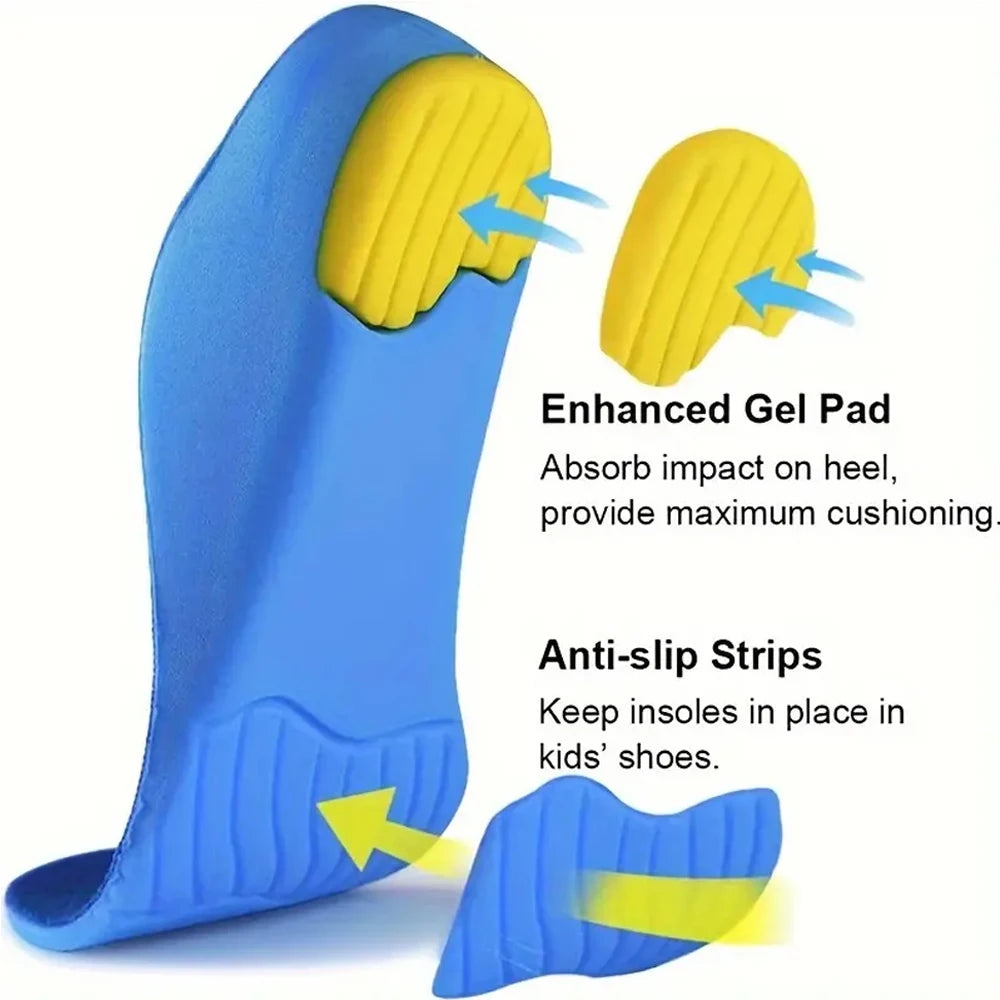
Breathable kids insoles for flat feet designed for comfort and daily play. See them in action.
When Do Flat Feet in Children Need Insoles?
Normal arch development by age
Many babies and toddlers appear to have flat feet because a natural fat pad covers the arch. As children grow, the arch gradually becomes more visible. Flexible flat feet without pain are usually considered part of normal development and may not require treatment.
Signs your child may benefit
Children's insoles for flat feet may be worth considering if your child:
- Complains of foot, heel, ankle, or leg pain after activity.
- Gets tired much sooner than peers during walking or sports.
- Shows uneven shoe wear or excessive inward rolling of the feet.
- Avoids running, playground activities, or sports because of discomfort.
- Feels better when wearing supportive athletic shoes.
When to see a podiatrist
Professional evaluation is recommended if your child has persistent pain, one-sided flat feet, rigid feet with limited motion, swelling, frequent falls, or symptoms that continue despite supportive footwear. Insoles can improve comfort, but they should not replace assessment when significant pain or walking problems are present.
How We Chose the Best Children's Insoles for Flat Feet
Rather than focusing on marketing claims, we compared common insole types using practical criteria parents care about most.
- Arch support: Gentle support that encourages natural foot alignment without excessive rigidity.
- Comfort and materials: Breathable, cushioned designs suitable for growing feet.
- Durability: Materials that maintain support during everyday walking and sports.
- Value: A balance between performance, lifespan, and price.
- Fit: Compatibility with school shoes, sneakers, and everyday footwear.
Families focused on overall safety and comfort often explore solutions alongside other wellness tools from Health & Safety collections to support active routines.
7 Best Children's Insoles for Flat Feet Compared
| Insole Type | Best For | Pros | Cons |
|---|---|---|---|
| Orthotic Arch Support | Best overall for school shoes and daily wear | Excellent stability, improved alignment, long-lasting support | May feel firm during the first few days |
| Shock Absorbing Foam | Best for sports and active children | Soft cushioning, reduces impact while running | Less structural support than orthotic styles |
| Breathable Mesh Insoles | Best for toddlers and warm climates | Cool, lightweight, moisture control | Moderate cushioning only |
| Gel Cushion Insoles | Best budget option for occasional heel discomfort | Comfortable heel cushioning | Can feel bulky in smaller shoes |
| Sport-Specific Insoles | Best premium option for competitive sports | Targeted support and improved stability | Not suitable for every shoe style |
| Trim-to-Fit Insoles | Best customizable fit for growing feet | Easy to size across multiple shoe brands | Requires careful trimming |
| Hybrid Support Insoles | Best for all-day comfort | Excellent balance of support and cushioning | Usually cost more than basic foam inserts |
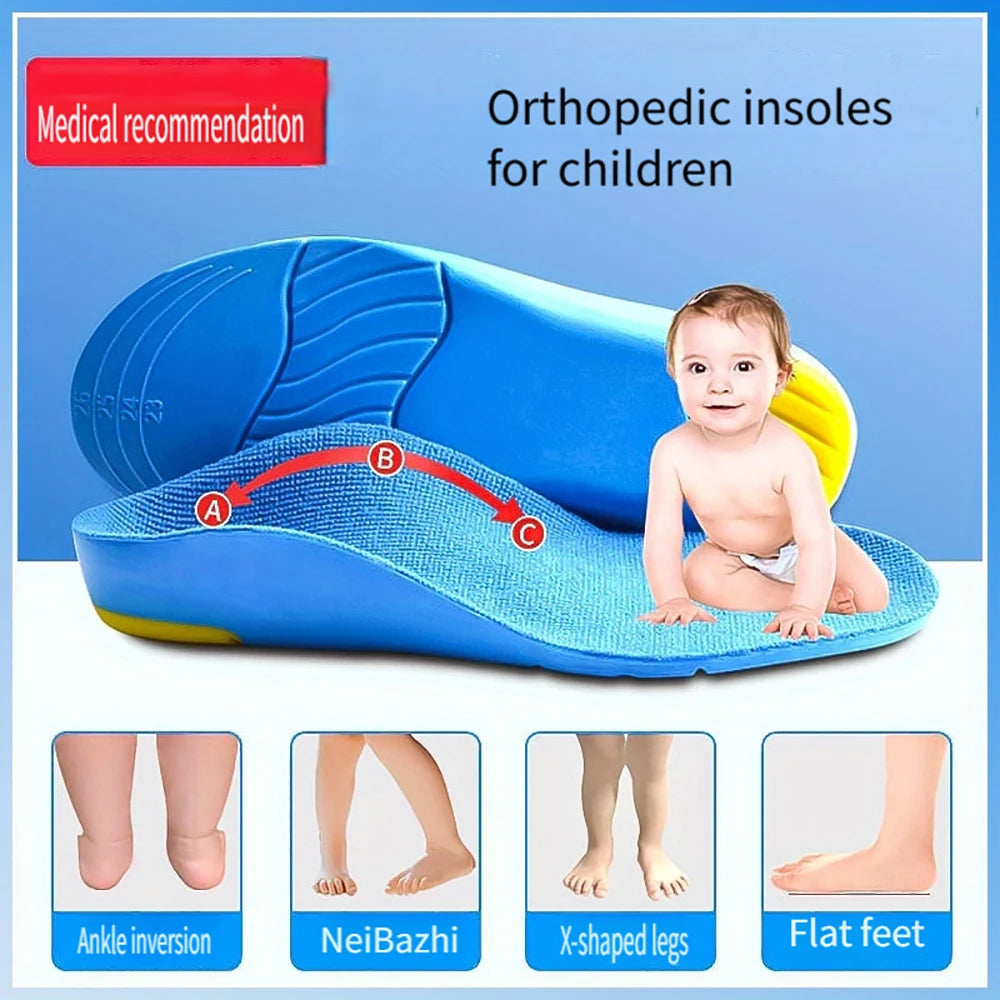
Youth arch support insoles with shock-absorbing construction for active kids. See them in action.
Comparison Table: Which Insole Is Right for Your Child?
| Support Type | Recommended Age | Works Best In | Ideal Activity |
|---|---|---|---|
| Orthotic arch support | School-age children | School shoes and sneakers | Daily walking |
| Foam cushioning | All ages | Sports shoes | Running and playground activities |
| Breathable mesh | Toddlers to older children | Casual everyday shoes | Long daily wear |
| Gel cushioning | Older children | Athletic shoes | Heel comfort |
| Hybrid support | Most children | Most sneaker styles | School plus sports |
How to Choose the Right Children's Insoles for Flat Feet
Measure foot size correctly
Always measure both feet while your child is standing. Choose the size based on the larger foot and avoid overcrowding the shoe after the insert is placed inside.
Match support to activity
A child who spends most of the day at school has different needs than one who trains several times each week. More active children generally benefit from better shock absorption, while everyday wear often favors balanced support and comfort.
Choose flexible vs firm support
Flexible support works well for mild symptoms and everyday comfort. Firmer orthotic-style insoles may be more suitable when a child experiences persistent fatigue or requires additional stability. The goal is improved comfort, not forcing the arch into a new shape.
Parents often pair supportive footwear with movement-friendly tools from Mobility & Training to encourage healthy activity and balance.
How to Fit, Break In, and Replace Kids' Insoles
Proper fitting helps children adapt comfortably and extends the life of the insoles.
- Begin with 1–2 hours of wear on the first day, increasing gradually over one week.
- Check that the heel sits securely without slipping inside the shoe.
- Clean insoles according to the manufacturer's instructions and allow them to air dry.
- Inspect them regularly for flattened cushioning, cracking, or worn arch support.
- Replace insoles whenever your child's shoe size changes or the inserts no longer provide adequate support, typically every 6–12 months depending on growth and activity.
After long days, simple recovery habits like stretching or gentle foot massage can help. Some families find relaxation tools from Massage & Relaxation useful for winding down.
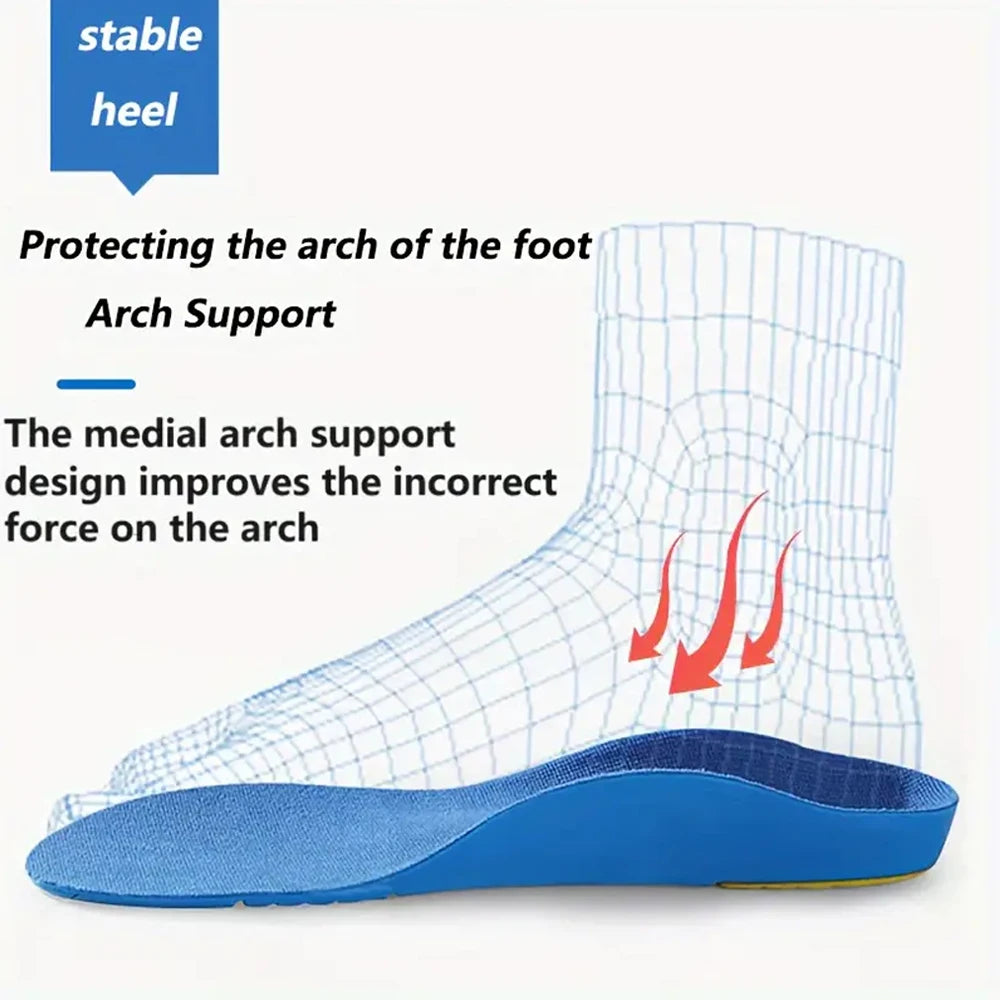
Breathable insoles supporting children's comfort during everyday routines. See them in action.
Parent FAQs
Do shock absorbing insoles work for kids?
Yes. Shock absorbing kids insoles help reduce impact from running and jumping, making them a good choice for active children. They generally provide the best results when paired with gentle arch support rather than cushioning alone.
How long should kids wear insoles each day?
Start with a few hours each day and gradually increase wear time over a week. Once comfortable, many children wear insoles throughout school and during sports or other active periods.
When should insoles be replaced?
Replace insoles when they become compressed, lose their shape, show visible wear, or no longer fit because your child's feet have grown.
Are children's insoles for flat feet safe for growing feet?
Yes. Properly fitted insoles are designed to support comfort and alignment while allowing natural growth. They should not interfere with normal foot development.
What age can toddlers start wearing insoles for flat feet?
Toddlers generally only need insoles if recommended because of pain, unusual walking patterns, or another clinical concern. Many young children with painless flexible flat feet do not require treatment.
Can insoles correct flat feet permanently?
No. Insoles improve comfort, reduce fatigue, and support healthy movement, but they do not permanently change foot anatomy.
Should kids wear insoles in every pair of shoes?
If insoles noticeably improve comfort, using them in the shoes your child wears most often provides the greatest benefit. Ensure each pair has enough room to accommodate the inserts.
What's the difference between orthotics and regular insoles for kids?
Regular insoles primarily provide cushioning and comfort, while orthotic-style insoles offer additional structural support to improve stability and help manage symptoms associated with flat feet.
How do I know if my child's insoles fit correctly?
The heel should stay securely in place, toes should have enough room to move, and your child should not experience rubbing, pressure points, or increased discomfort after the adjustment period.
Related Guide: Best Orthotic Insoles for Kids: Top Picks Compared





