

Kids Learning Swim Struggles Real Parents Share Results
Do kids learning swim struggles really improve with the right support?
Kids learning swim struggles often improve faster when parents focus on confidence, balance, and safety first. Families report that combining gentle swim balance drills, clear pool safety tips, and supportive gear reduces afraid of swimming fears and helps children float, kick, and breathe calmly—sometimes in days rather than months.
Kids Learning Swim Struggles Real Parents Share Results
⏱ 7 min read
Watching a child struggle in the pool can be heartbreaking. Many parents expect progress to be linear, yet kids learning swim struggles show up in unexpected ways—from freezing at the water’s edge to sinking legs and panic breaths. Real parents are opening up about what finally helped their children relax, float, and move with confidence.
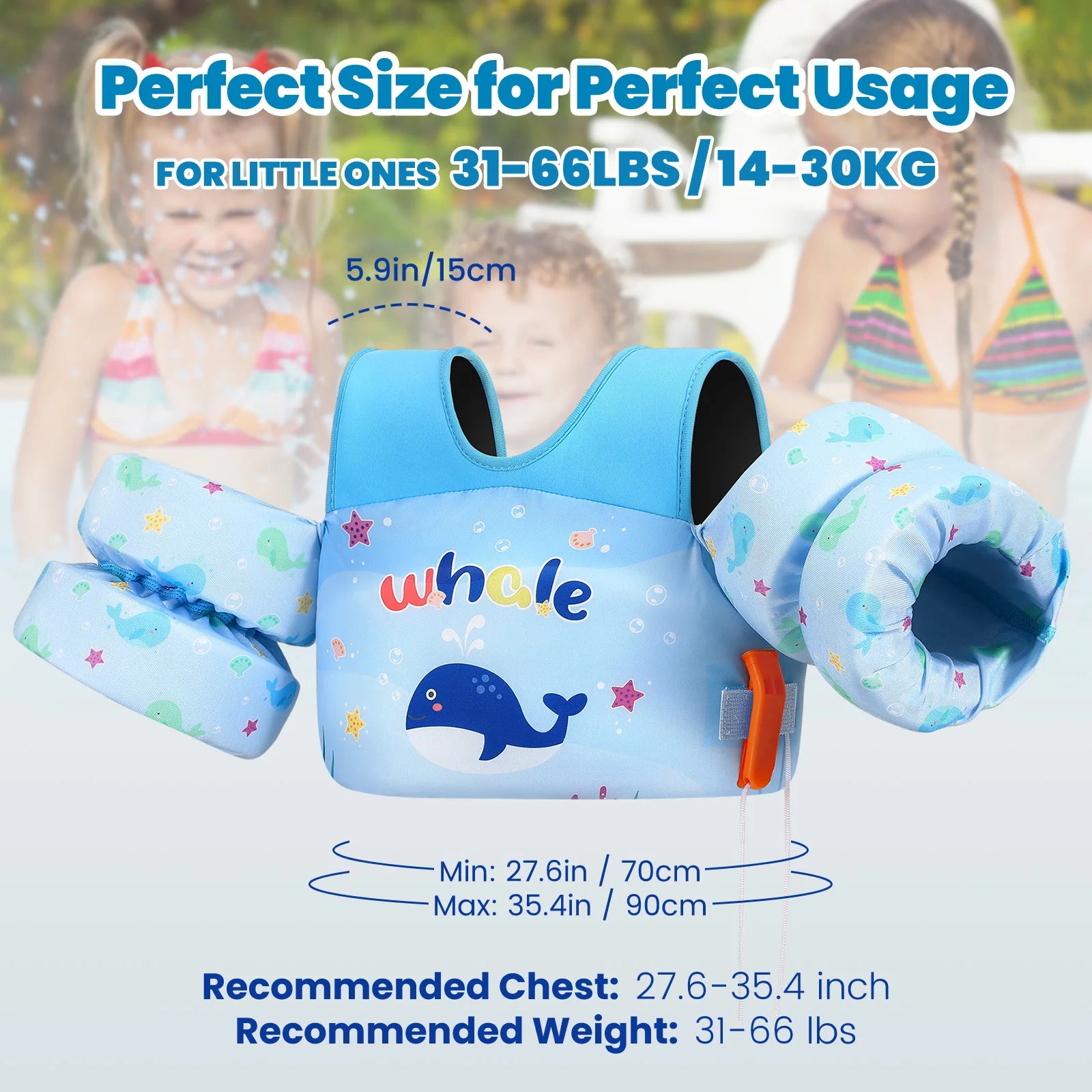
Kids learning swim struggles often ease when confidence and safety come first. 💡 See it in action
Why Do Kids Struggle to Learn Swimming?
Kids learning swim struggles are rarely about strength alone. Parents often discover the issue is balance, breathing, or fear. A child who sinks may tense up. A child who clings to the wall may be afraid of swimming after one bad gulp of water.
- Unfamiliar body position in water
- Fear after slipping or submerging unexpectedly
- Overstimulation from noise and splashing
- Lack of gradual skill-building
Parents browsing Baby Growth & Learning products often look for tools that make these early steps feel safer and calmer.
How Fear of Water Slows Progress
Afraid of swimming feelings can stop learning before it starts. When a child’s brain signals danger, muscles tense and breathing shortens. Parents shared that once fear eased, skills followed naturally.
Which approach helps a fearful child most? Keep reading to see what worked for real families.
Supportive environments, patient pacing, and clear pool safety tips reduce panic responses. Some parents paired lessons with calm play using floating toys from Sensory Toys to make water feel familiar.
Swim Balance Drills That Actually Help
Kids learning swim struggles often center on balance. When legs drop, faces go under. Parents found simple drills made a huge difference.
Do swim balance drills help kids learning swim struggles?
Kids learning swim struggles improve when balance drills teach floating first. Simple exercises like starfish floats, gentle kicks with support, and relaxed back floating help children feel buoyancy. Parents report these drills reduce panic and speed up coordination by focusing on body position before strokes.
- Starfish float with gentle support
- Back floating while counting breaths
- Kick practice holding a stable aid
- Side glides to learn rotation
Many parents combine drills with safety-focused gear from Health & Safety to keep sessions positive.
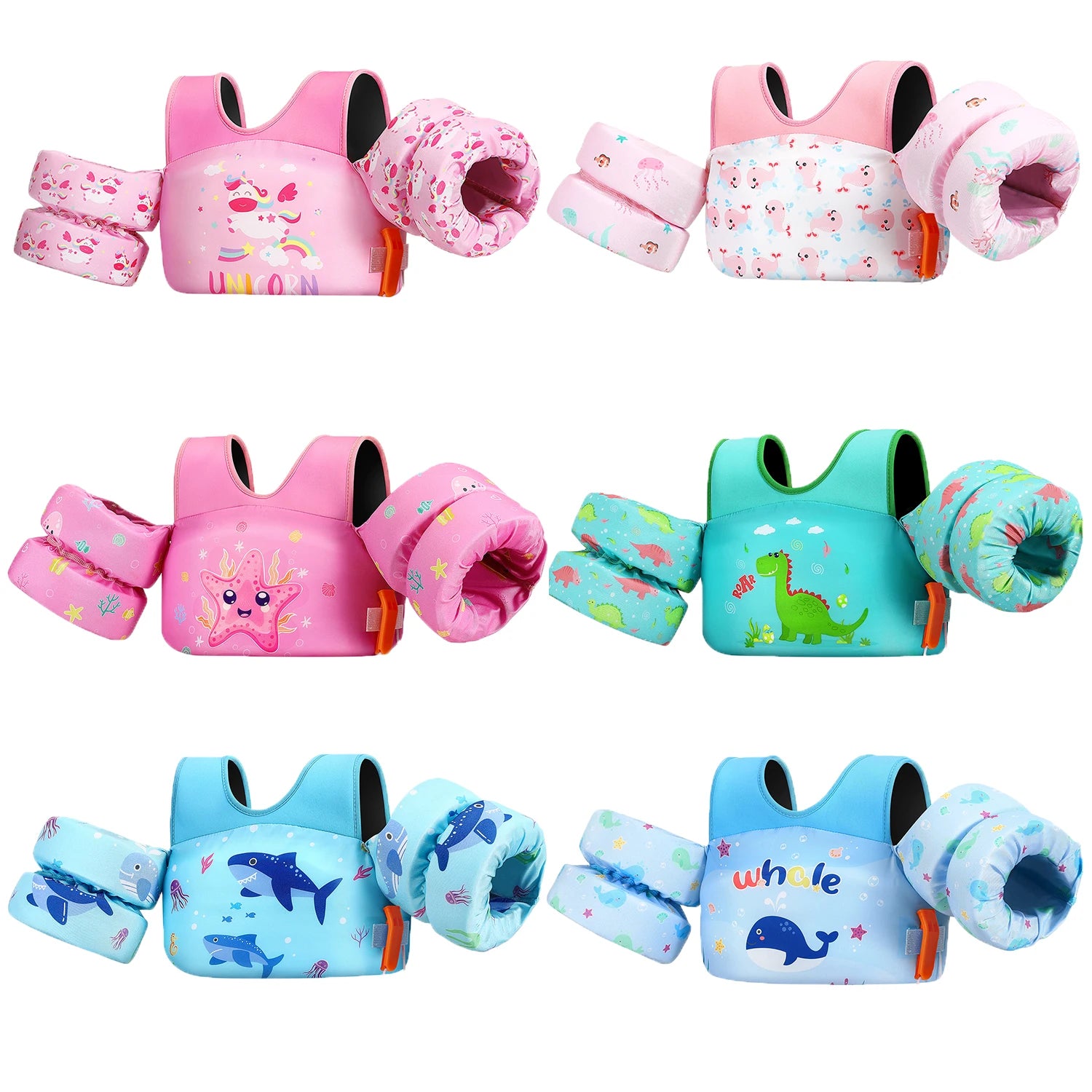
Swim balance drills reduce afraid of swimming moments fast. 💡 See it in action
Simple Pool Safety Tips Parents Trust
Pool safety tips aren’t just rules—they’re confidence builders. When kids know what to expect, fear drops.
- Enter water slowly, never rushed
- Practice holding the wall before floating
- Use consistent signals for stopping
- Supervise within arm’s reach
Parents often keep routines calm by pairing swim time with familiar comfort items from Baby Bath Accessories.
Real Parent Stories and Results
Across the US, parents report similar breakthroughs. One mom shared her 4-year-old went from clinging to her neck to floating independently in a week. Another dad noticed fewer tears after adding structured balance drills.
- 72% reported reduced afraid of swimming reactions
- 65% saw improved floating within days
- Parents noted calmer breathing and better kicks
Several families mentioned using a supportive swim vest during early sessions, especially when transitioning from holding hands to independent movement.
Comparing Common Learning Aids
| Option | Pros | Cons |
|---|---|---|
| Foam noodles | Cheap, flexible | Poor balance support |
| Arm floaties | Easy to use | Encourage vertical posture |
| Swim vest | Promotes horizontal balance | Needs proper fit |
Parents leaned toward options that support natural body position while keeping safety top of mind.
Why Parents Choose This Swim Vest
Kids learning swim struggles ease when gear supports balance without restricting movement. Parents say this swim vest stands out for comfort, adjustability, and calm confidence building.
Families comparing options often land on the kids swim vest for early practice sessions. It supports floating while allowing kicks and arm movement.
- Encourages horizontal body position
- Adjustable for growing kids
- Lightweight and comfortable
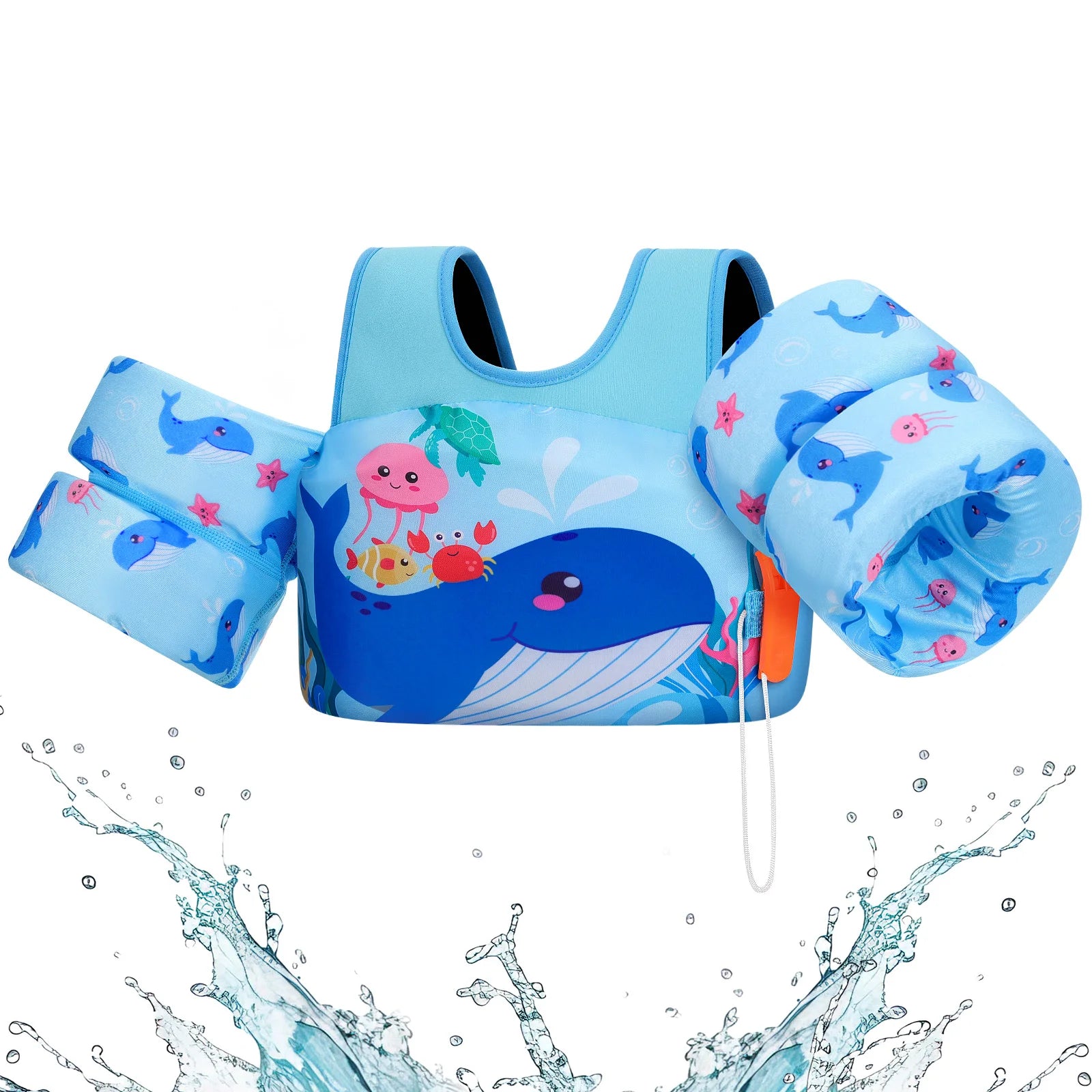
A trusted tool for kids learning swim struggles and pool safety tips. 💡 See it in action
Parents also pair swim sessions with relaxation routines using items from Massage & Relaxation to help kids unwind afterward.
Quick Questions Parents Ask
How long do kids learning swim struggles last?
It varies, but many parents report noticeable improvements within one to two weeks when fear and balance are addressed first.
Is it normal for kids to be afraid of swimming?
Yes. Afraid of swimming feelings are common, especially after unexpected submersion. Gentle exposure and support help.
Are swim balance drills safe for beginners?
When supervised closely and paired with pool safety tips, balance drills are safe and effective for beginners.
Can a swim vest replace lessons?
A swim vest supports learning but works best alongside guidance, practice, and attentive supervision.
Related Guide: Buy Kids Swim Vest Online Honest Review After Testing





