

Kids Pretend Play Dollhouse Compared: What Keeps Children Engaged
What makes a kids pretend play dollhouse keep children engaged?
A kids pretend play dollhouse keeps children engaged by supporting open-ended storytelling, realistic role play, and flexible layouts. When paired with miniature dollhouse furniture sets, it encourages imaginative play activities for preschoolers while reinforcing social skills, focus, and the long-term benefits of pretend play.
Kids Pretend Play Dollhouse Compared: What Keeps Children Engaged
⏱ 6 min read
Kids pretend play dollhouse experiences aren’t just about tiny rooms and figures—they’re about attention span, creativity, and how long a toy truly stays interesting. Many parents notice that some toys are exciting for a week, then forgotten. So what actually makes a dollhouse hold attention day after day, and which features matter most as kids grow?
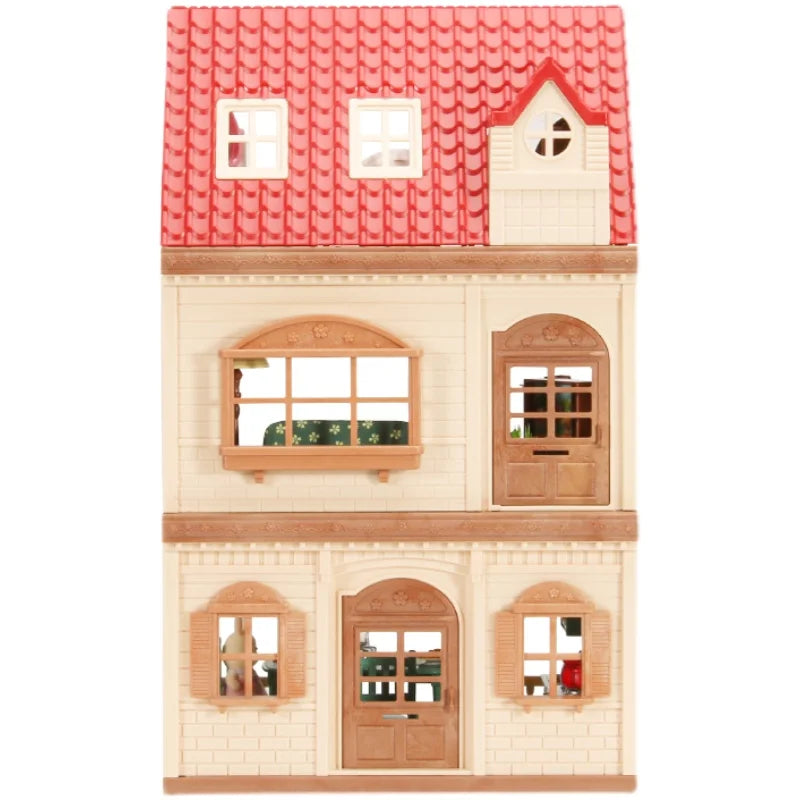
A kids pretend play dollhouse that encourages imaginative play activities for preschoolers 💡 See it in action
Why Pretend Play Matters for Growing Minds
Research-backed child development insights consistently show the benefits of pretend play extend far beyond fun. When children invent stories, assign roles, and solve small “life” problems through play, they’re practicing skills they’ll use for years.
- Language growth through dialogue and storytelling
- Emotional understanding by acting out feelings
- Problem-solving via everyday scenarios
- Longer attention spans through self-directed play
Parents browsing Baby Growth & Learning collections often look for toys that grow with their child. A well-designed dollhouse does exactly that.
What Features Keep a Kids Pretend Play Dollhouse Interesting?
A kids pretend play dollhouse stays engaging when it offers flexibility, realism, and room for imagination. Children return to play when they can rearrange spaces, invent new stories, and adapt the setup as their skills develop. The most engaging designs balance structure with freedom.
Open Layouts Encourage Creativity
Dollhouses with removable walls or multi-level open sides let kids see the whole story at once. This makes it easier to connect scenes and sustain longer play sessions.
Durable Materials Support Daily Play
Sturdy builds handle frequent movement, sibling sharing, and enthusiastic storytelling without constant adult intervention.
Expandable Designs Grow With Kids
Sets that allow new rooms or furniture pieces keep the experience fresh, reducing the need to replace toys frequently.
Side-by-Side Comparison: What Actually Holds Attention?
| Feature | Basic Dollhouse | Interactive Dollhouse | Expandable Dollhouse |
|---|---|---|---|
| Layout flexibility | Limited | Moderate | High |
| Story variety | Repeats quickly | Varied | Nearly endless |
| Furniture interaction | Minimal | Functional | Highly detailed |
| Long-term engagement | Short-term | Medium-term | Long-term |
This comparison explains why many parents gravitate toward expandable models paired with miniature dollhouse furniture sets.
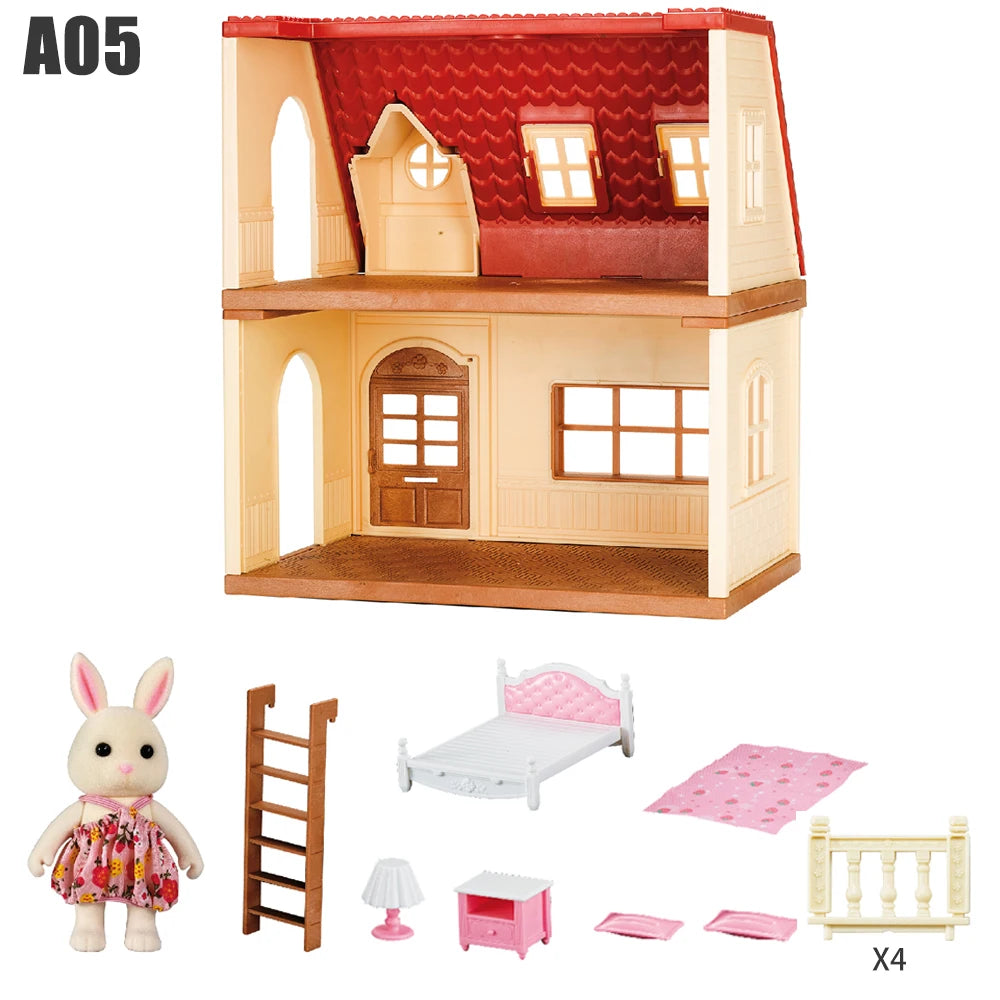
Miniature dollhouse furniture sets bring pretend play to life 💡 See it in action
How Miniature Dollhouse Furniture Sets Shape Play
Furniture isn’t just decoration—it defines how stories unfold. Beds invite bedtime routines, tables create family meals, and tiny accessories spark detailed narratives.
- Encourages sequencing (wake up, eat, play, sleep)
- Supports fine motor development
- Adds realism that sustains interest
- Helps children model real-world routines
Parents exploring Sensory Toys often find dollhouse furniture surprisingly effective at keeping kids focused and calm during independent play.
One popular option is the Forest Family Dollhouse Furniture Set, which blends realistic details with child-friendly durability, making it easy to refresh an existing dollhouse without overwhelming clutter.
Which Kids Pretend Play Dollhouse Fits Your Child Best?
A kids pretend play dollhouse stands out when it matches a child’s age, interests, and play style. Preschoolers often enjoy simple layouts with recognizable routines, while older children prefer complex scenes they can redesign repeatedly.
Best for Preschoolers
- Simple room layouts
- Sturdy furniture pieces
- Clear everyday themes
Best for Growing Storytellers
- Expandable structures
- Detailed miniature dollhouse furniture sets
- Open-ended accessories
Many families pair dollhouse play with quiet-time routines found in Sleep & Comfort collections to create calmer afternoons.
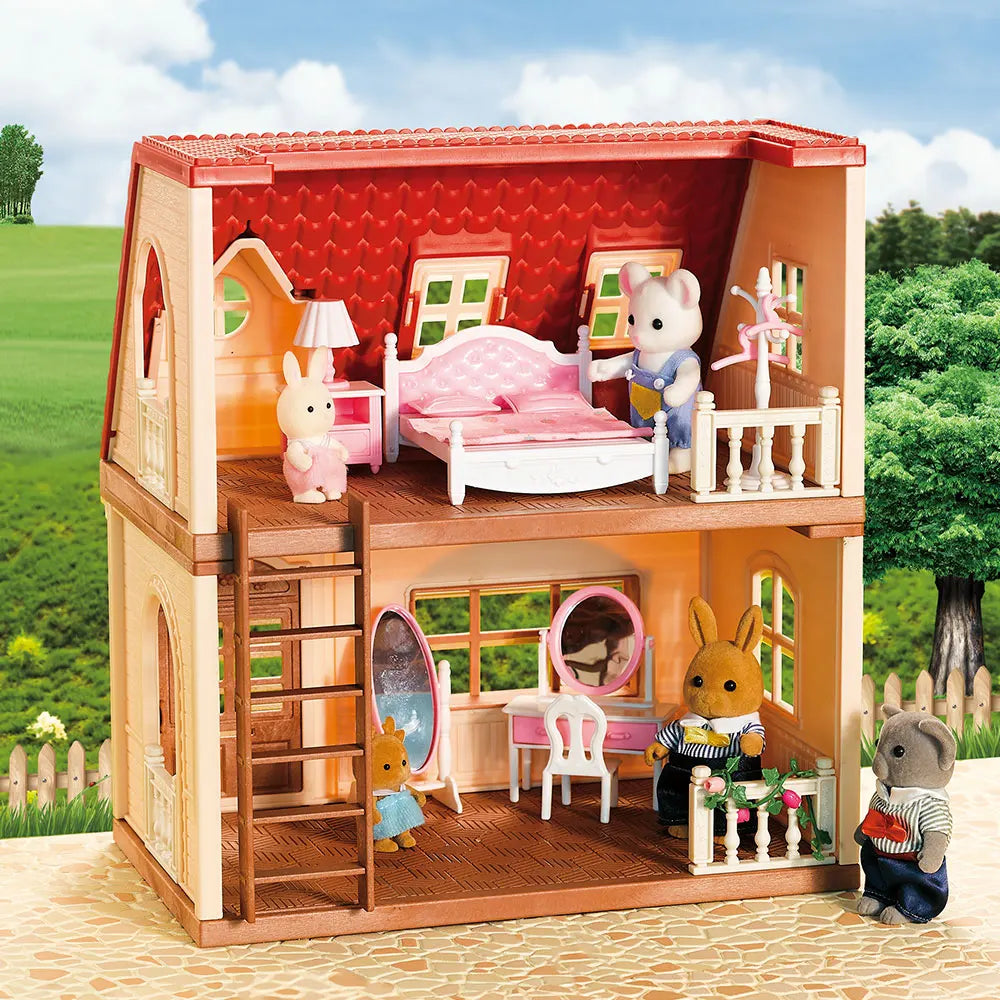
A kids pretend play dollhouse that highlights the benefits of pretend play 💡 See it in action
Quick FAQs Parents Ask
At what age does a kids pretend play dollhouse become engaging?
Most children begin meaningful dollhouse play around ages 3–4, when imaginative play activities for preschoolers naturally expand into storytelling and role-based scenarios.
Do dollhouses really support learning?
Yes. The benefits of pretend play include language development, emotional understanding, and problem-solving through self-guided exploration.
Is furniture necessary for long-term interest?
Miniature dollhouse furniture sets significantly increase engagement by giving children tools to build routines, scenes, and evolving stories.
Related Guide: Dollhouse Furniture Sets Compared: Best Picks by Play Style





