

Kids Swim Goggles Hurt? Fix the Fit Before You Replace Them
Why do kids swim goggles hurt?
Kids swim goggles hurt most often because of incorrect fit, excessive strap tension, stiff eye seals, or the wrong frame size—not because of normal water pressure. When goggles are too tight or sit incorrectly, they create uncomfortable suction, leave deep marks, and may cause children to avoid swimming. Choosing properly fitted youth goggles and adjusting them correctly can make swim sessions comfortable and enjoyable.
Kids Swim Goggles Hurt? Adjust Them the Right Way
⏱ 6 min read
Kids swim goggles hurt more often than parents expect, especially during early swimming lessons. Pressure around the eyes, red marks, leaks, or constant adjusting usually point to a fitting issue rather than a swimming problem. The right fit, soft materials, and simple adjustments can help swim goggles for youth feel secure without causing pain.
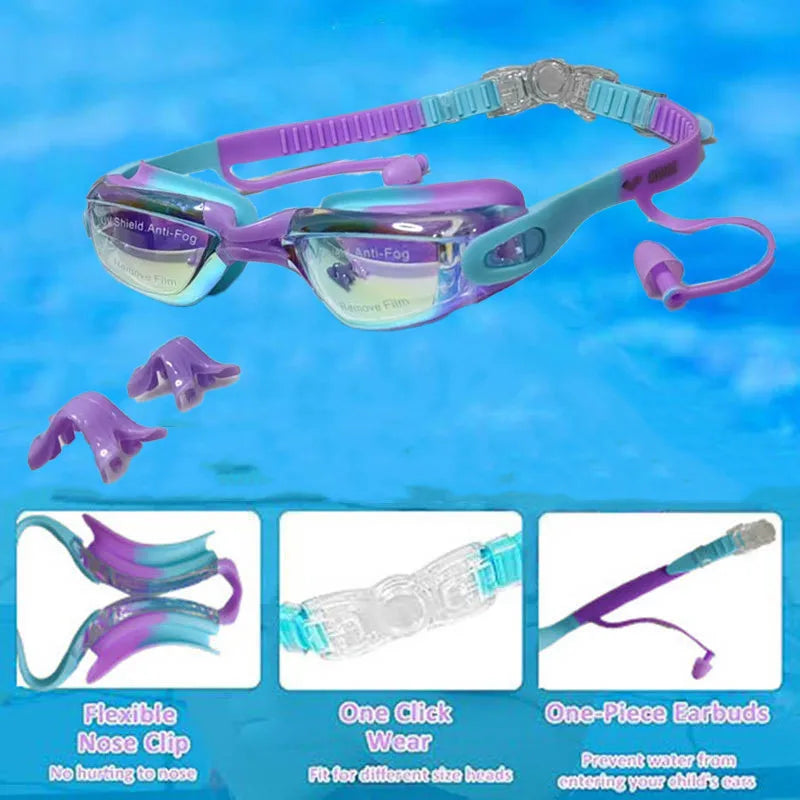
Kids swim goggles hurt less when fit is right — See it in action
Wondering if your child’s goggles are causing discomfort without you realizing it? Red rings around the eyes, frequent adjustments, complaints about pressure, or refusing to put their face underwater are common signs of poor fit. Let’s fix that.
Quick Troubleshooting: Why Kids Swim Goggles Hurt
When kids swim goggles hurt, replacing them immediately is not always necessary. Many discomfort issues can be solved with a few adjustments. Use this quick checklist to identify the likely cause.
| Symptom | Possible Cause | Quick Fix |
|---|---|---|
| Deep red marks around eyes | Straps are too tight or seals are pressing too hard | Loosen the strap and check the gasket position |
| Goggles leak but feel tight | Eye cups are misaligned | Reposition the goggles instead of tightening more |
| Pain near the nose | Nose bridge does not match face width | Adjust the bridge or choose another size |
| Child keeps pulling goggles away | Wrong frame size or uncomfortable seal | Test a better-fitting youth model |
Pressure from a proper seal should feel gentle. Pain, pinching, headaches, or lasting redness usually indicate the goggles are too tight or the wrong size.
Why Kids Swim Goggles Hurt in the First Place
How swim goggles create a watertight seal
Swim goggles work by creating a light seal around the eyes that blocks water from entering. The seal should come from the soft gasket touching the skin evenly—not from pulling the strap extremely tight.
When goggles depend on excessive pressure instead of a proper fit, they can create discomfort around sensitive areas like the eye sockets and nose bridge.
Common causes of discomfort
Kids’ faces are still developing, so goggles that do not match their facial shape may create uneven pressure. Common causes include:
- Over-tightened straps pulling goggles into the eye area
- Hard or worn eye seals that no longer flex properly
- Incorrect nose bridge width
- Adult-sized goggles used on smaller faces
- Hair trapped under the gasket or strap
- Goggles positioned too low or too close to the eyelashes
Normal marks vs signs of poor fit
Light temporary marks after swimming can be normal because goggles create a seal against the skin. However, kids swim goggles leave marks that are deep, painful, or still visible long after swimming may indicate a fitting problem.
Parents should check for discomfort if children complain about eye pressure, headaches, or soreness after wearing goggles.
The Fastest Fix When Goggles Hurt
Simple adjustments to try first
Before buying new goggles, try these quick fixes to prevent swim goggles from hurting:
- Loosen the strap slightly so it holds the goggles without squeezing
- Move the strap higher on the back of the head
- Center the eye cups evenly over both eyes
- Remove hair trapped under the seal
- Check whether the nose bridge sits comfortably
Many parents tighten straps to stop leaks, but leaks are usually caused by poor positioning rather than a loose strap.
Quick seal test: Place goggles on your child’s eyes without using the strap. If they gently suction for a second or two and stay briefly, the seal is likely correct. If they immediately fall off or create painful suction, the fit may not be right.
Want safer, easier swim routines? Explore child-friendly essentials in Health & Safety.
How to Adjust Kids Swim Goggles Correctly
Step-by-step fitting that prevents pain
- Place the eye cups directly over the eyes without pressing into the sockets.
- Position the strap around the widest part of the back of the head.
- Adjust the nose bridge until both lenses sit evenly.
- Tighten the strap only enough to maintain a seal while moving.
- Ask your child if the goggles feel comfortable before entering the water.
Seal test without overtightening
A good fit should stay secure when your child turns their head or swims but should not create a squeezing sensation. The strap supports the goggles—the gasket creates the seal.
How tight should kids swim goggles be?
Kids swim goggles should be snug but not painful. They should stay in place during swimming without leaving deep marks, causing pressure, or making your child want to remove them.
Learn how parents simplify water routines with gear from Baby Bath Accessories.
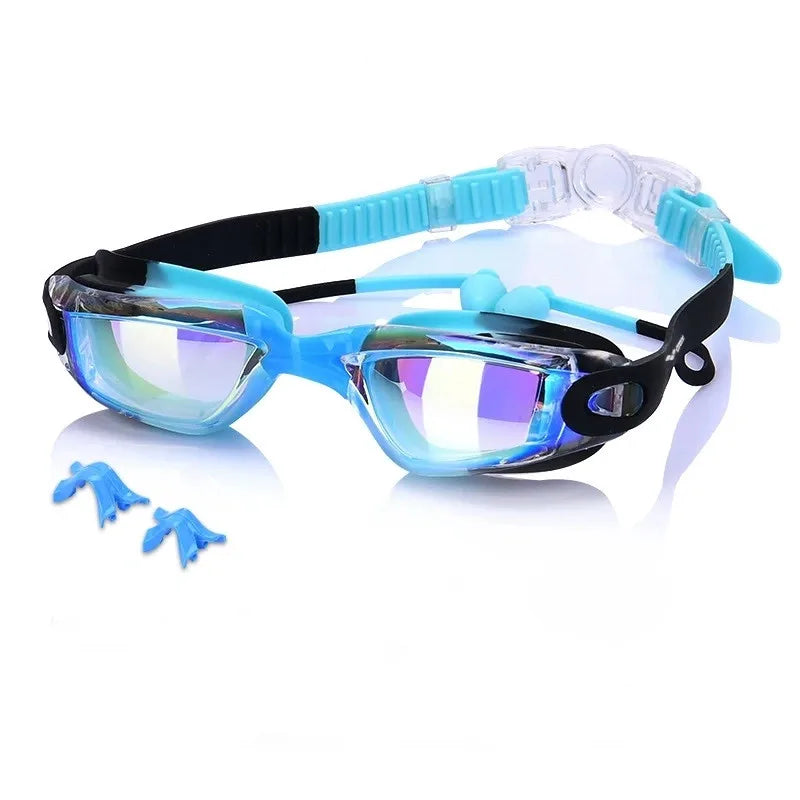
Comfortable swim goggles for youth make learning easier — See it in action
Kids Swim Goggles Fit Guide by Age
Toddlers
Toddlers usually need smaller frames designed for narrow faces. Comfort is more important than a perfect watertight seal during short beginner sessions. Soft materials and simple adjustments help prevent frustration.
Preschoolers
Preschool children often need flexible youth swim goggles that can adjust as their face grows. A comfortable fit encourages them to practice putting their face underwater.
School-age children
Older children may use a wider range of goggles, but the frame should still match their face shape. The best fitting kids swim goggles should stay secure during longer swimming sessions without causing pressure.
Consider sizing up when goggles leave painful marks, feel cramped around the eyes, or require excessive strap tightening to prevent leaks.
Common Goggle Fit Mistakes Parents Make
Even helpful adjustments can create problems when the basics of fit are overlooked.
| ❌ Mistake | ✅ Better Approach |
|---|---|
| Pulling straps extremely tight | Use proper seal and positioning instead of pressure |
| Ignoring nose bridge fit | Select a size that matches facial width |
| Using worn-out goggles | Replace damaged or hardened seals |
| Choosing the wrong frame size | Use youth sizing designed for smaller faces |
How to Choose Comfortable Swim Goggles for Kids
The most comfortable swim goggles for kids combine soft materials, flexible construction, and a secure fit. Comfort matters because children are more likely to enjoy swimming when equipment does not distract them.
Gasket materials
Soft silicone gaskets are commonly preferred because they create a flexible seal that adapts to facial movement. Hard plastic edges may feel uncomfortable, especially during longer sessions.
Frame and nose bridge design
- Adjustable nose bridges for growing faces
- Flexible frames that reduce pressure points
- Wide straps that distribute tension evenly
- Lightweight designs that stay balanced
Sensitive skin considerations
Children with sensitive skin may benefit from softer materials and shorter wear periods while testing new goggles. If irritation continues, discontinue use and consider discussing recurring skin reactions with a healthcare professional.
Prescription swim goggles may also be useful for children who need vision correction while swimming.
Reduce daily stress with kid-friendly gear from Baby Care Essentials.
Best Swim Goggles for Beginners: What Matters Most
The best swim goggles for beginners focus on comfort and confidence rather than advanced performance features. A child learning to swim needs goggles that feel natural and stay secure.
- Easy adjustment systems
- Soft seals that reduce pressure
- Reliable leak resistance
- Comfort during longer practice sessions
- Clear lenses that help children see underwater
Fit matters more than price. Even expensive goggles can hurt if the size or shape does not match your child’s face.
Ready to make swim time easier? Try kids swimming goggles designed for comfort and confidence.
Best swim goggles for beginners reduce pressure — See it in action
When to Replace Goggles or See a Doctor
Adjustments can solve many comfort problems, but some situations require replacing goggles or seeking professional advice.
Replace kids swim goggles when:
- The silicone seal becomes hard, cracked, or damaged
- Goggles continue leaking after proper adjustment
- The frame no longer fits your child’s face
- Straps become stretched or difficult to adjust
Consider medical advice if your child experiences persistent eye pain, swelling, unusual redness, vision changes, or discomfort that continues after removing the goggles.
Mini FAQ: Fast Answers for Busy Parents
Why do kids swim goggles hurt even when the straps are loose?
Loose straps do not always solve the problem. The eye cups, gasket shape, nose bridge, or frame size may not match your child’s face.
How tight should kids swim goggles be?
They should be snug enough to create a seal but never painful. Deep marks, headaches, or pressure mean the fit needs adjustment.
Why do kids swim goggles leave marks?
Temporary light marks can be normal, but deep or painful marks usually mean the goggles are too tight or the seal is pressing unevenly.
How can I prevent swim goggles from hurting?
Choose the correct size, adjust the strap properly, position the eye cups evenly, and replace worn-out seals.
When should I replace my child's swim goggles?
Replace them when seals become damaged, the goggles leak repeatedly, or your child outgrows the frame.
Can the wrong size cause headaches or eye pain?
Yes. Goggles that create excessive pressure around the eyes or temples may contribute to discomfort and should be resized or adjusted.
Make every swim session happier. Explore comfortable options with kids swimming goggles designed for young swimmers.
Related Guide: :contentReference[oaicite:0]{index=0}





