

Kids Swing With Adjustable Ropes Compared for Growing Kids
Which swings from trees are safest for kids and families?
Swings from trees are safest when they use wide straps instead of thin rope, pair with supportive seats, and are installed on healthy branches at least 8 inches thick. Compared to basic rope swing installation, modern systems reduce bark damage, improve weight distribution, and lower the risk of slipping or branch stress.
Swings From Trees Compared: Straps, Seats, and Safety
⏱ 6 min read
Swings from trees feel timeless—simple fun, fresh air, and laughter drifting through the yard. But once kids are involved, parents quickly realize not all swings to hang from trees are created equal. The wrong setup can lead to sore hands, damaged branches, or constant safety worries. So how do you choose a setup that balances joy, durability, and peace of mind?
Explore thoughtful ideas in Health & Safety.
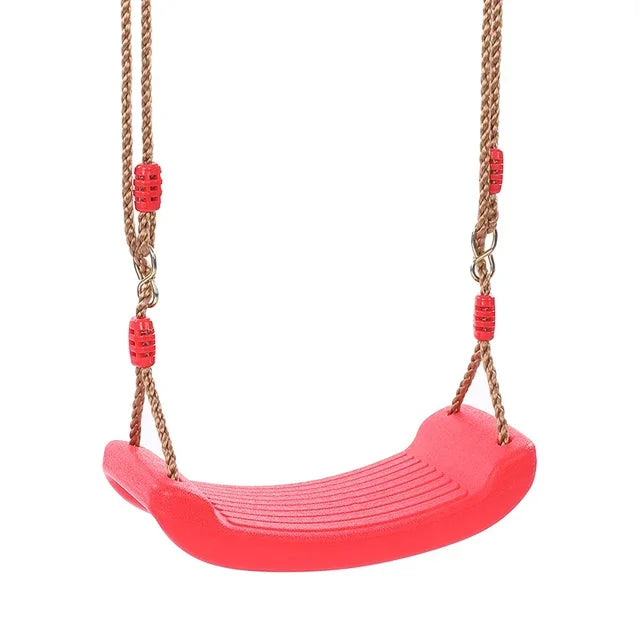
Swings from trees using secure straps can protect bark and improve comfort 💡 See it in action
Why Your Tree Swing Choice Matters More Than You Think
Parents often focus on the seat and forget the hanging system. Yet most injuries and tree damage come from poor attachment choices. Thin rope digs into bark, knots loosen over time, and uneven weight strains branches. Choosing the right combination keeps kids safer and your tree healthier for years.
Think of it like baby gear indoors: stability, comfort, and growth flexibility matter just as much outside. That same mindset guides families browsing Baby Growth & Learning—tools should support development without creating new risks.
Swings From Trees: Straps vs Rope vs Seats
Swings from trees generally fall into three categories. Each has strengths and trade-offs depending on age, weight, and how often the swing is used.
| Option | Pros | Cons | Best For |
|---|---|---|---|
| Heavy duty tree swing straps | Even weight spread, bark protection, quick setup | Higher upfront cost | Families, shared use, long-term safety |
| Basic rope swings | Low cost, classic feel | Bark damage, knot slippage, hand discomfort | Short-term or decorative use |
| Tree swing seats | More comfort, better posture support | Needs quality hanging system | Younger kids or longer play sessions |
Why Heavy Duty Tree Swing Straps Are Gaining Trust
Heavy duty tree swing straps wrap flat around the branch, reducing pressure points. Many parents report fewer worries about sudden drops or shifting knots. For households already prioritizing safety—from stair gates to monitors found in Monitoring Devices—straps feel like a natural extension of that care.
The Reality of Traditional Rope Swing Installation
Rope swing installation looks simple, but it’s where most mistakes happen. Knots loosen when wet, rope fibers degrade in sun, and thin lines cut into bark. Over time, this can weaken both the swing and the tree—something many families only notice after close calls.
Tree Health and Safety Basics Parents Should Know
Before hanging any swing, check the branch. It should be healthy, horizontal, and at least 8 inches thick. Avoid deadwood or branches with visible cracks. Height matters too—aim for enough clearance that feet don’t drag, but falls stay manageable.
- Choose mature, hardwood trees
- Avoid branches directly over hard surfaces
- Inspect straps or rope every season
- Limit one swing per branch
This mirrors indoor safety habits many parents already follow with items from Health & Safety—regular checks prevent avoidable accidents.
Browse practical tips in Health & Safety.
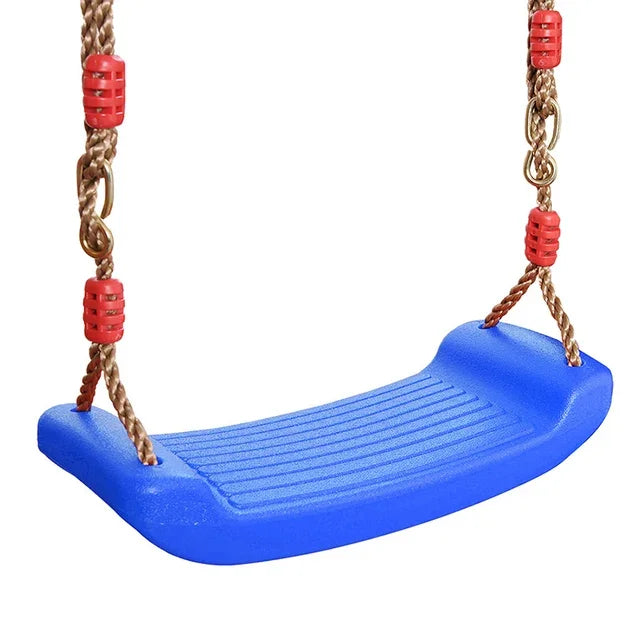
Swings to hang from trees work best when weight is evenly distributed 💡 See it in action
Rope Swing Installation: Common Mistakes to Avoid
Many parents underestimate how much installation affects safety. Even the best seat fails if tied poorly.
- Using thin rope that bites into bark
- Tying knots without load testing
- Ignoring weather exposure
- Skipping regular rechecks
Strap-based systems simplify this process, much like choosing intuitive baby tools from Baby Care Essentials simplifies daily routines.
Which Option Fits Your Family Best?
If multiple kids share the swing, straps paired with a sturdy seat offer the best balance of comfort and safety. For occasional backyard nostalgia, rope may suffice—but expect more maintenance. Families focused on long-term outdoor play often combine durable straps with adaptable seats as children grow.
Many parents mention feeling more relaxed once they upgrade, similar to switching to smarter comfort solutions found in Sleep & Comfort. Less adjusting, fewer worries, more time watching kids enjoy themselves.
Check out a reliable option here: Get yours now — limited stock!
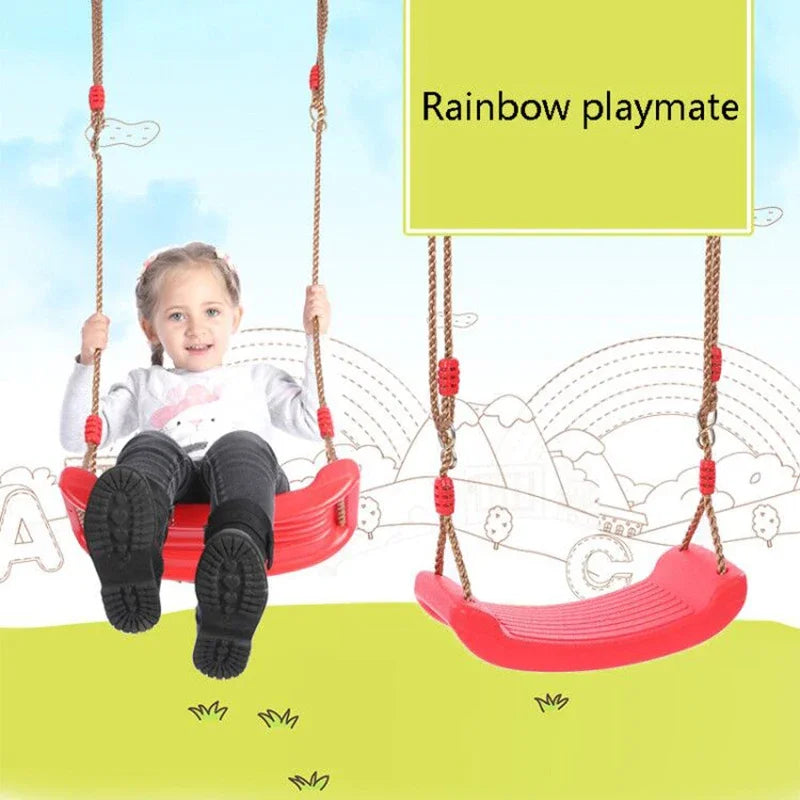
Heavy duty tree swing straps paired with secure seats extend playtime 💡 See it in action
Mini FAQ: Swings From Trees
Are swings from trees safe for toddlers?
Yes, when paired with age-appropriate seats and secure straps. Always supervise young children and keep swing height low.
Do straps damage trees less than rope?
Flat straps distribute weight evenly and reduce bark wear compared to thin rope, helping preserve tree health.
How often should I check my tree swing setup?
Inspect monthly during heavy use and after storms. Look for fraying, loosening, or branch changes.
Related Guide: Indoor Outdoor Kids Swing Compared: Which Fits Your Home?





