

Kids Tent Safety Standards: What Parents Must Check
Do kids tent safety standards really protect children during indoor play?
Kids tent safety standards establish minimum requirements for material safety, structural integrity, ventilation, flammability, labeling, and age-appropriate design. Standards help reduce risks such as tip-overs, sharp edges, fabric failures, and exposure to harmful substances, making indoor play safer when products are used as intended.
However, compliance is only one part of kids play tent safety. Even a well-designed tent should be assembled correctly, placed on a stable surface, inspected regularly for wear, and used under appropriate adult supervision. Safety standards reduce risk—they cannot eliminate it entirely.
Kids Tent Safety Standards Compared: Which Brands Pass
⏱ 7 min read
Kids tent safety standards matter far more than colorful designs or playful themes. Whether your child uses an indoor play tent for reading, imaginative play, or a quiet retreat, understanding how safety testing works helps you choose a child-safe play tent built for everyday use.
Many parents assume every kids tent sold online has undergone the same level of testing. In reality, manufacturing quality, material selection, and compliance documentation can vary considerably. Knowing what recognized standards evaluate makes it easier to separate genuinely safe products from those that simply advertise attractive features.
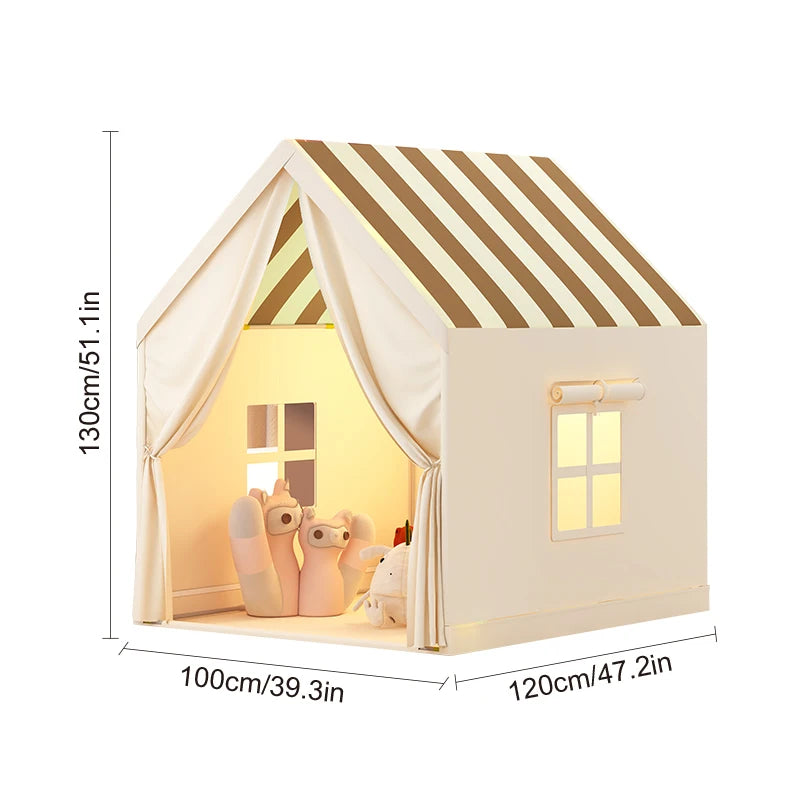
Kids tent safety standards applied to indoor play tents — See it in action
Why Kids Tent Safety Standards Matter for Everyday Play
Children rarely stay still inside a play tent. They crawl through openings, lean against the walls, push on the frame, and sometimes invite siblings or friends inside. A child-safe play tent should withstand this normal activity without collapsing, tipping, or exposing sharp components.
Good kids play tent safety depends on several factors working together:
- Stable construction that resists tipping during active play.
- Rounded connectors and enclosed frame components that reduce pinch hazards.
- Breathable mesh windows that improve airflow and visibility.
- Non-toxic materials suitable for frequent contact with children's skin.
- Clear age recommendations that match the tent's intended users.
Parents focused on overall home safety often already shop from Health & Safety collections for peace of mind. Applying the same careful approach to indoor play tents helps reduce preventable accidents.
Even the safest indoor play tents should be placed away from heaters, fireplaces, electrical cords, and furniture with sharp corners. Adult supervision remains especially important for toddlers and younger children.
What Do Kids Tent Safety Standards Actually Cover?
Kids tent safety standards evaluate far more than appearance. They assess whether a tent can be used safely during normal indoor play by examining materials, construction, labeling, and potential hazards.
ASTM, CPSIA, EN71 and other major standards
Depending on where a product is sold, manufacturers may design kids tents to comply with recognized safety frameworks such as ASTM toy safety requirements, CPSIA regulations in the United States, or EN71 standards in Europe. While specific testing requirements differ, these frameworks generally focus on reducing foreseeable injury risks for children.
Flammability, ventilation and structural stability
Testing commonly evaluates how fabrics behave around heat sources, whether ventilation openings provide adequate airflow, and whether the frame maintains stability during repeated pushing, leaning, and normal indoor use. These requirements help improve kids play tent safety without affecting everyday play.
Material safety and non-toxic requirements
A safe kids tent should use fabrics and dyes intended for children's products while limiting potentially harmful substances. Parents shopping for a non-toxic kids tent should also look for manufacturers that clearly explain their material choices and testing practices.
Safety labels are more than legal requirements—they provide important guidance about recommended age ranges, assembly instructions, supervision, and choking hazards. Any detachable accessories or decorative components should remain securely attached during normal use.
How do kids tent safety standards reduce tip-over risk?
Kids tent safety standards require indoor play tents to remain stable during common activities such as entering, crawling, leaning, and pushing from different directions. A durable play tent reduces tip-over risk through reinforced poles, balanced weight distribution, secure fabric tension, and connectors designed to stay locked during repeated use.
How to Evaluate a Safe Kids Tent Before You Buy
Rather than focusing only on colors or accessories, compare products using objective safety features that contribute to long-term durability and everyday use.
Certification labels to look for
Choose manufacturers that clearly identify applicable safety testing, provide age recommendations, and supply complete assembly instructions. Transparent product information often indicates stronger quality control.
Ventilation and visibility
Large mesh windows improve airflow while allowing caregivers to easily monitor children inside the tent. Good visibility also helps children feel comfortable during independent play.
Frame stability and anchoring
Look for reinforced poles, durable connectors, and fabric that remains properly tensioned after repeated assembly. The frame should remain stable without excessive flexing or wobbling.
Fabric durability and seams
Double-stitched seams, reinforced corners, and abrasion-resistant fabrics help extend the useful life of indoor play tents while reducing the likelihood of tearing during active play.
Recommended option: Kids Play Tent designed with reinforced structure, breathable panels, and materials aligned with modern kids tent safety standards.
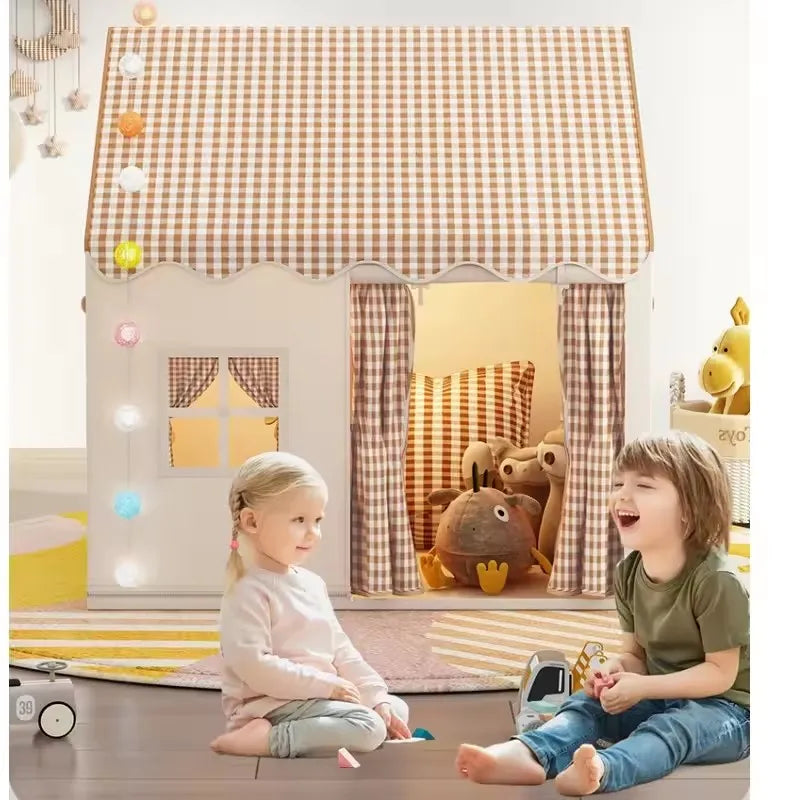
Durable play tent designs built for safer everyday indoor play
Materials, Maintenance and Ongoing Safety
Even a well-made non-toxic kids tent benefits from routine maintenance. Regular inspections help identify worn stitching, damaged poles, or loose connectors before they become safety concerns.
Cleaning without damaging safety features
Follow the manufacturer's cleaning recommendations whenever possible. Mild soap and water are often sufficient for routine cleaning, while harsh chemicals or bleach may weaken fabrics or protective coatings over time.
Routine inspection checklist
- Check poles for bending or cracks.
- Inspect connectors for looseness or damage.
- Look for torn seams or fraying fabric.
- Verify that mesh panels remain securely attached.
- Ensure all fasteners remain properly secured.
Families already cautious with items from Sensory Toys collections often apply the same careful inspection to children's play equipment, especially for younger toddlers.
Product recalls and replacement timing
Periodically check for manufacturer recalls and discontinue use if structural damage cannot be safely repaired. If a tent develops broken connectors, significant tears, or unstable framing, replacement is generally safer than continued use.
Indoor Play Tent Safety Checklist for Parents
Before each play session, use this quick checklist to support safer everyday use:
- Place the tent on a flat indoor surface.
- Keep it away from heaters, candles, fireplaces, and electrical appliances.
- Inspect poles, seams, and connectors for signs of wear.
- Ensure ventilation openings remain unobstructed.
- Avoid exceeding the recommended age or occupancy limits.
- Supervise toddlers during active play.
- Store the tent dry and clean to prevent material deterioration.
Parents browsing Sleep & Comfort products often appreciate indoor play tents that can also serve as calm reading or quiet spaces while maintaining strong safety features.
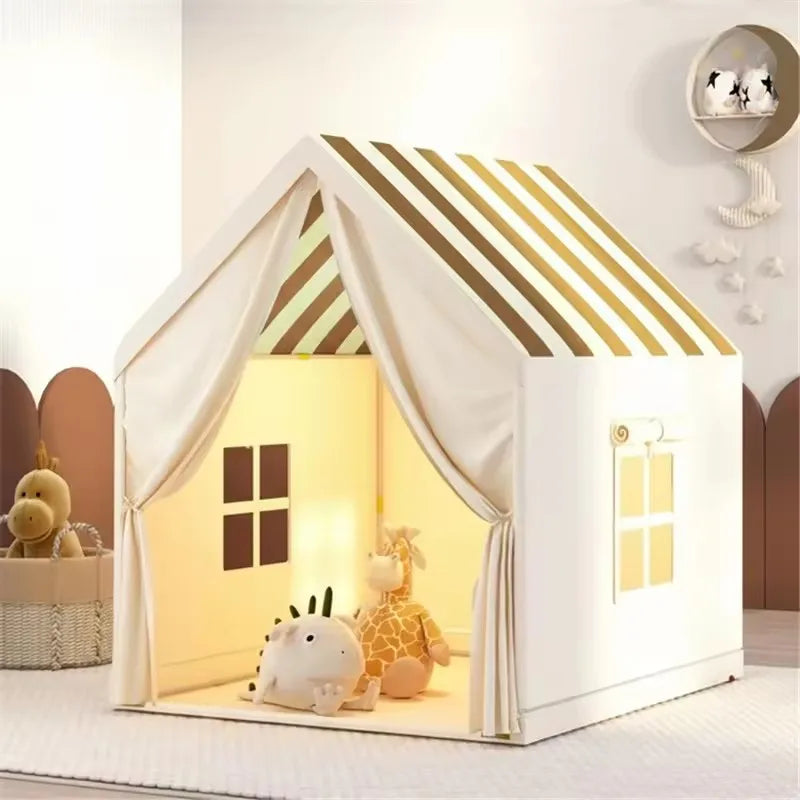
Indoor play tents designed with stability, ventilation, and child safety in mind
Frequently Asked Questions
What certifications should a safe kids tent have?
Look for products that indicate compliance with recognized toy safety regulations applicable to their market, along with clear age recommendations, safety warnings, and manufacturer information.
What materials should a safe kids tent use?
Safe kids tent materials typically include durable fabrics, child-appropriate dyes, reinforced stitching, rounded connectors, breathable mesh panels, and components designed to withstand repeated indoor use.
Are pop up play tents safe for toddlers?
Some are, but quality varies. Choose products with stable construction, adequate ventilation, clear age guidance, and materials that meet recognized kids tent safety standards.
How can I tell if a kids tent is non-toxic?
Review the manufacturer's material information, product documentation, and safety disclosures. Reputable brands generally explain the fabrics and testing used for children's products.
How often should I inspect an indoor play tent?
A quick visual inspection before use and a more thorough check every few weeks can help identify loose connectors, worn seams, damaged poles, or other issues that affect safety.
Do indoor play tents need flame-resistant fabric?
Yes. Flame resistance is an important consideration because it helps reduce fire-related hazards in indoor environments, although tents should always be kept away from heat sources.
What makes a durable play tent safer?
A durable play tent combines reinforced frames, quality stitching, breathable materials, secure connectors, and stable construction that withstands repeated everyday play.
What should I do if a kids play tent is recalled?
Stop using the product immediately and follow the manufacturer's recall instructions regarding repair, replacement, or refund. Never continue using a recalled tent if it presents a safety hazard.
Related Guide: Safe Pop Up Play Tent Review Why Parents Trust It





