

Kids Toys Lacking Realism: Toy Cooking Set vs Wooden Kitchen
Why do kids toys lacking realism fail to keep children engaged?
Kids toys lacking realism often rely on bright colors and simple actions, which limits learning depth and shortens playtime. When toys don’t mimic real-world tools or routines, children struggle to connect play with everyday life. A realistic toy cooking set, especially a wooden toy kitchen and accessories, supports longer focus, richer language, and practical pretend play skills.
Kids Toys Lacking Realism vs Kitchens That Feel Like the Real Thing
⏱ 7 min read
Kids toys lacking realism often look adorable on the shelf, yet many parents notice the same pattern at home: excitement fades fast, pieces are ignored, and play ends sooner than expected. Meanwhile, a thoughtfully designed toy cooking set can quietly become the most-used item in the room. Why does realism matter so much in pretend play—and what changes when a wooden toy kitchen and accessories feel like the real thing?
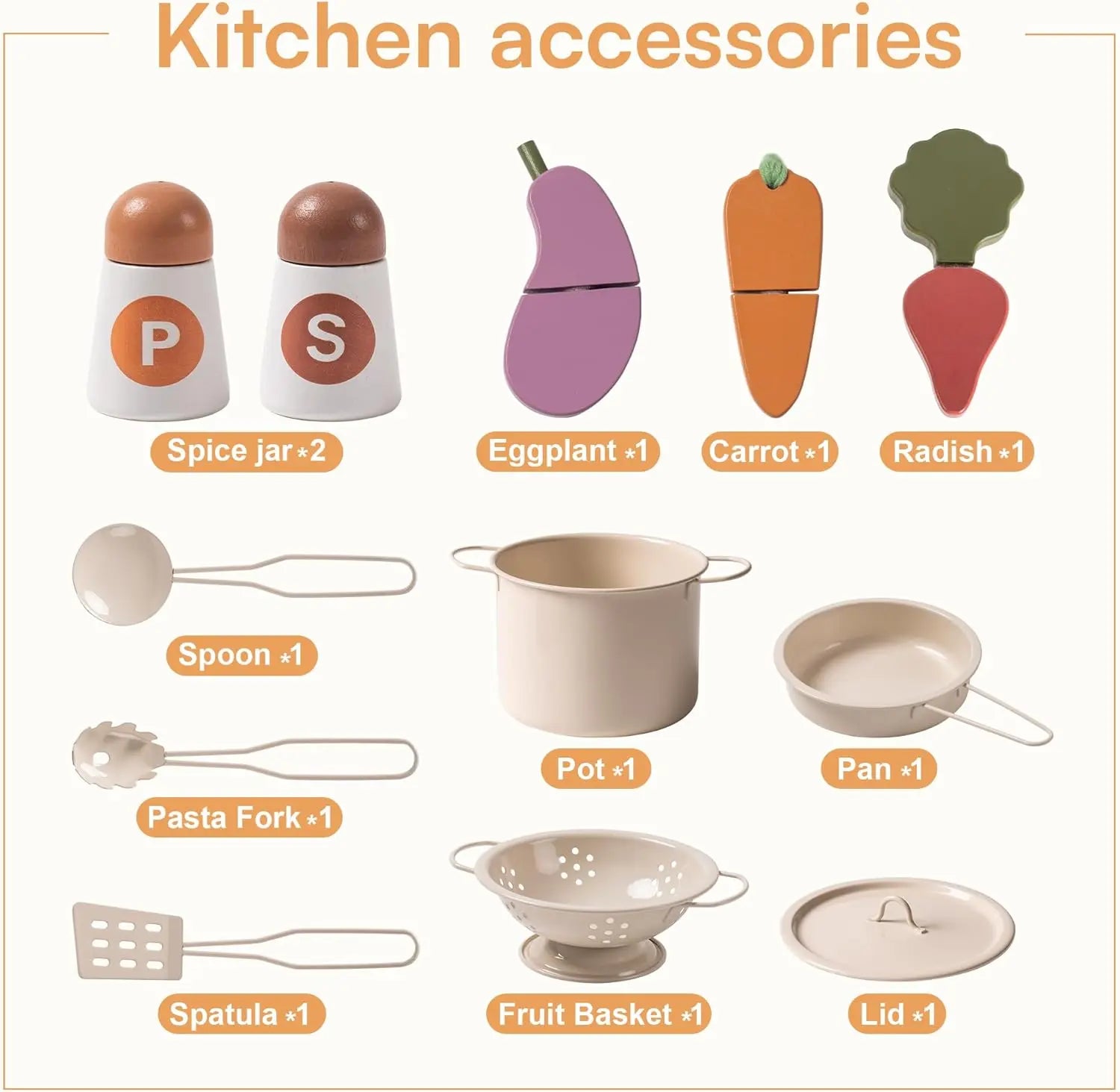
Kids toys lacking realism vs a toy cooking set that invites hands-on pretend play 💡 See it in action
Why Realism Matters in Pretend Play
Children learn by copying what they see every day. When toys resemble real objects, kids naturally practice routines they observe at home. Turning a knob, opening a door, or arranging utensils gives meaning to play and helps children feel capable and independent.
Realistic toys also support emotional development. A child “cooking dinner” for a parent is not just playing—it’s expressing care, sequencing actions, and using language tied to real experiences.
The Hidden Problems With Kids Toys Lacking Realism
Kids toys lacking realism often simplify actions too much, removing cause-and-effect learning. Buttons may do nothing meaningful, parts may not interact, and children quickly run out of ideas.
Without realistic feedback, play becomes repetitive. Parents may notice toys piling up unused, creating clutter without delivering lasting value.
What Makes a Play Kitchen Feel Real?
Kids toys lacking realism contrast sharply with a well-built toy cooking set. A realistic kitchen includes details that mirror real-life use while remaining safe and age-appropriate.
- Clickable knobs that turn with resistance
- Doors that open and close smoothly
- Textured wooden surfaces instead of plastic decals
- Accessories sized for small hands but modeled after real tools
A wooden toy kitchen and accessories provide sensory feedback—weight, sound, and texture—that help children stay engaged longer.
Skills Children Build Through Realistic Kitchen Play
A realistic toy cooking set does more than entertain. It quietly supports multiple areas of development during everyday play.
- Language skills: Naming foods, actions, and sequences
- Fine motor control: Turning knobs, placing utensils, opening doors
- Social-emotional growth: Role-play, sharing, and empathy
- Independence: Completing tasks from start to finish
These skills align closely with early learning goals found in Sensory Toys and hands-on learning tools.

A wooden toy kitchen and accessories that mirror real routines 💡 See it in action
Quick Comparison: Unrealistic Toys vs Realistic Kitchens
| Feature | Kids Toys Lacking Realism | Realistic Toy Cooking Set |
|---|---|---|
| Engagement time | Short, repetitive play | Long, imaginative sessions |
| Skill development | Limited | Language, motor, social skills |
| Material feel | Light plastic | Solid wood textures |
| Connection to real life | Weak | Strong everyday relevance |
How to Choose the Right Toy Cooking Set
When comparing options, focus on durability, realistic functions, and open-ended accessories. Avoid overly themed sets that limit imagination.
- Check for sturdy construction and smooth edges
- Look for simple, realistic colors
- Choose accessories that encourage sequencing
- Ensure size fits your child’s age and space
Parents often pair a kitchen set with practical learning tools from Feeding Tools to reinforce everyday routines.
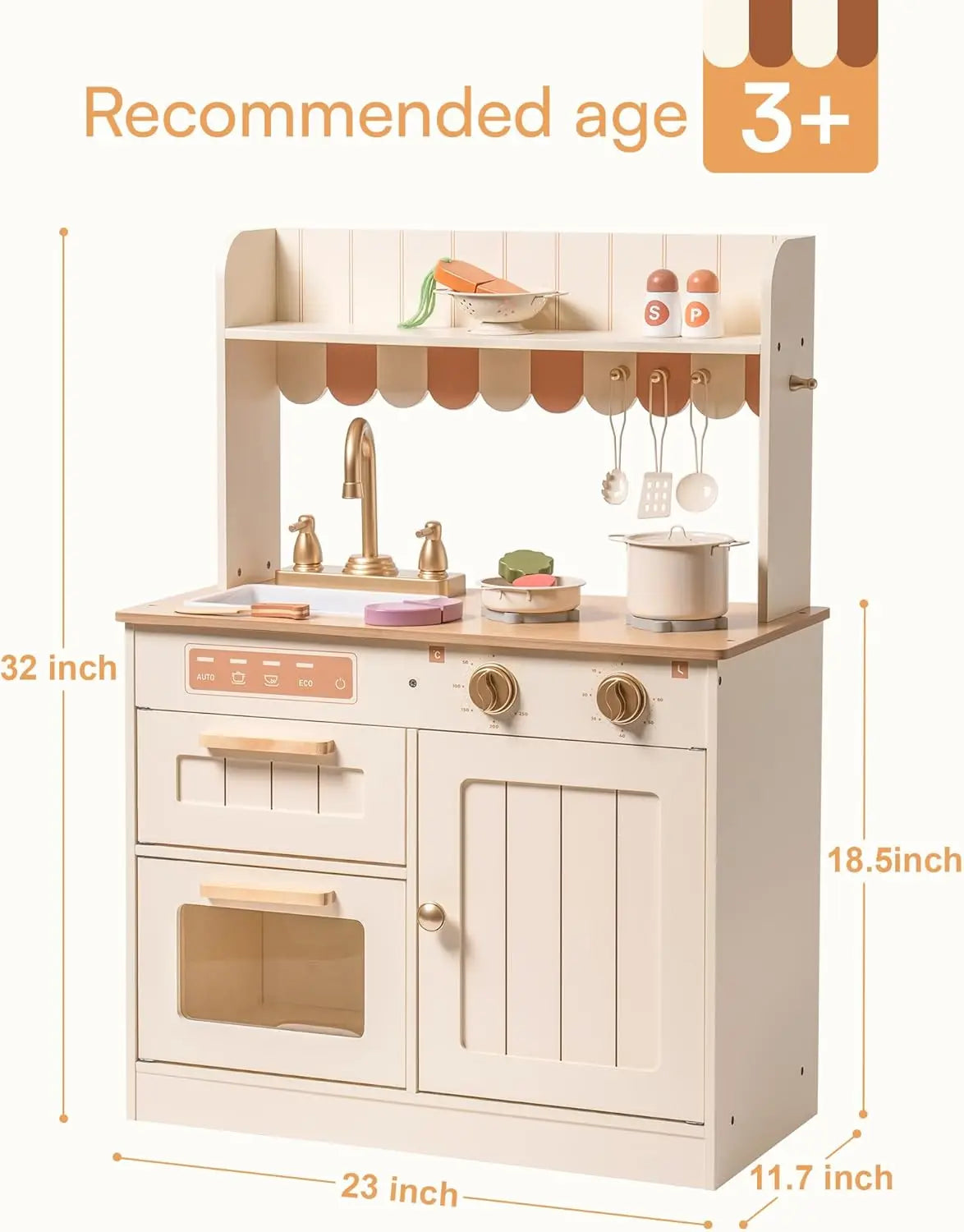
From kids toys lacking realism to immersive pretend play 💡 See it in action
Mini FAQ
Do realistic toy kitchens really improve pretend play?
Yes. Realistic features encourage children to copy real routines, which extends playtime and supports language, motor, and social development.
Is a wooden toy kitchen better than plastic?
Wooden kitchens often provide better durability, sensory feedback, and a closer resemblance to real household tools.
What age is best for a toy cooking set?
Most children benefit from realistic kitchen play between ages 2 and 6, with open-ended designs supporting longer use.
Related Guide: Premium Wooden Play Kitchen Features That Justify the Price





