

Latex Swim Cap Durability Compared to Silicone: Lifespan
Best Silicone Swim Cap Kids: Comfort and Fit Compared
⏱ 6 min read
Finding the best silicone swim cap kids can use comfortably starts with understanding materials, durability, and fit. Silicone, latex, polyester, and Lycra caps each have different advantages for swimmers. This guide compares silicone vs latex swim cap options, explains which material lasts longer, and shows how to choose a cap that provides comfort, reliable water resistance, and better value over time.
Quick answer: For most swimmers who want long-lasting performance and comfort, silicone swim caps are usually the better choice. They resist chlorine damage, stretch smoothly, and are less likely to pull hair compared with latex options.
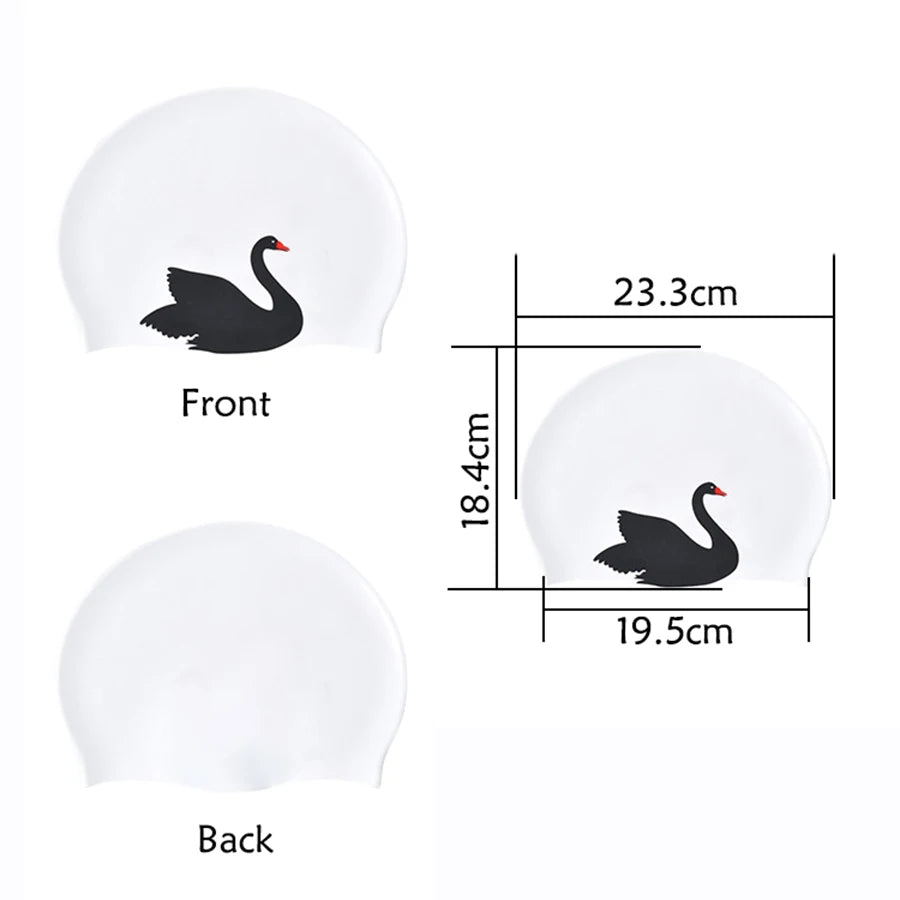
A comfortable silicone swim cap helps swimmers focus on technique instead of adjusting their gear
Latex vs Silicone Swim Cap: What's the Difference?
The difference between latex and silicone swim caps comes down to material properties, elasticity, thickness, and intended use. Both materials create a protective barrier between hair and pool water, but they feel different and perform differently over time.
| Feature | Silicone Swim Cap | Latex Swim Cap |
|---|---|---|
| Material Feel | Softer, thicker, and smoother against hair | Thin, lightweight, and more elastic |
| Elasticity | Stretches gradually and maintains shape | Very stretchy but can lose elasticity faster |
| Thickness | Usually thicker for better durability | Usually thinner for a close fit |
| Typical Use | Daily swimming, lessons, training, recreational use | Short-term use, budget-friendly swimming |
When comparing swimming cap latex vs silicone, silicone is often preferred by swimmers who prioritize comfort and long-term use, while latex remains popular for those looking for a lower-cost option.
Latex Swim Cap Durability Compared to Silicone: Quick Comparison
When it comes to latex swim cap durability compared to silicone , silicone generally has the advantage because it handles repeated stretching, chlorine exposure, and regular use better.
| Durability Factor | Silicone Cap | Latex Cap |
|---|---|---|
| Chlorine Resistance | Excellent resistance with proper care | More vulnerable to chemical breakdown |
| Stretch Recovery | Maintains shape after repeated use | Can become loose or brittle over time |
| Tear Resistance | Thicker material reduces tearing risk | Thin material can tear more easily |
| Expected Value | Higher upfront cost but longer lifespan | Lower price but often replaced sooner |
Best choice summary: A silicone swim cap is usually the better investment for swimmers who practice frequently, while latex can work well for occasional pool visits.
Which Material Lasts Longer?
A silicone swim cap is more durable than latex because silicone is designed to maintain flexibility while resisting common swimming-related damage. However, lifespan depends on usage habits, pool conditions, and care.
Chlorine Resistance
Chlorine can weaken swimming gear over time. Silicone swim caps are generally more chlorine resistant than latex, making them suitable for frequent swimmers who spend multiple hours in treated pools each week.
Stretching and Tear Resistance
Latex caps stretch easily but their thin material may develop cracks, stickiness, or tears after repeated stretching. Silicone caps are thicker and better at handling daily putting-on and removing without losing their original shape.
Expected Lifespan
How long silicone swim caps last depends on maintenance, but a quality silicone cap can often provide months or longer of regular swimming use. Latex caps may require replacement sooner when exposed to frequent chlorine and improper storage.
What Affects Swim Cap Durability?
Several factors influence latex swim cap durability compared to silicone , including:
- Pool chemicals: Chlorine and other treatments can gradually weaken materials.
- Storage: Leaving caps damp, folded tightly, or exposed to sunlight can shorten lifespan.
- Frequency of use: Daily swimmers naturally put more stress on caps than occasional users.
- Hair and fit: Sharp pulling, incorrect sizing, and rough handling can damage the material.
Choosing the correct size and following basic care steps can significantly extend the life of any swim cap.
Comfort, Hair Protection, and Performance
Many swimmers ask, “Do silicone swim caps pull hair?” The answer is that properly fitted silicone caps usually pull less than latex caps because the smoother interior creates less friction against hair.
- Hair pulling: Silicone is gentler when removed slowly and correctly.
- Fit: Silicone provides a secure seal without requiring excessive tightness.
- Water resistance: Thicker silicone helps reduce water entering the cap.
- Ease of putting on: Silicone stretches smoothly, making it easier for many beginners.
For swimmers comparing silicone or latex swim cap options, silicone is often the preferred choice for comfort-focused training and regular pool use.
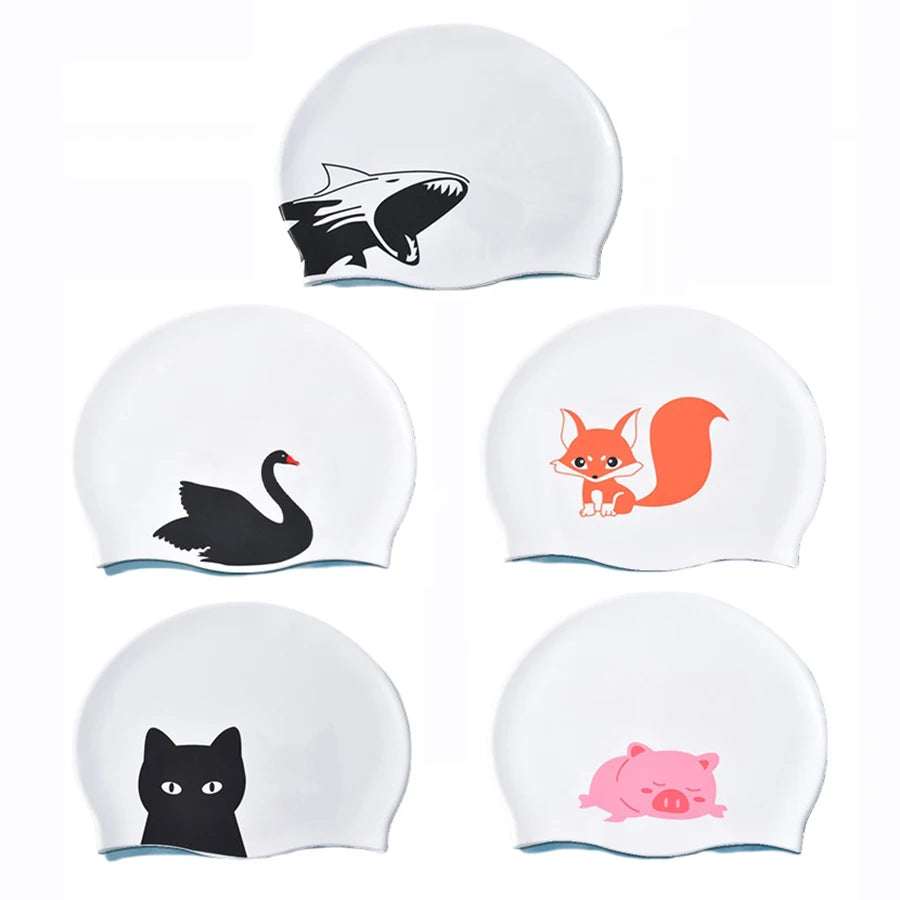
Soft silicone construction provides a smoother fit for swimming practice
Which Swim Cap Is Best for Different Swimmers?
The answer to “Should I get a latex or silicone swim cap?” depends on swimming frequency, comfort needs, and performance goals.
Beginners
Beginners often benefit from silicone because it feels more comfortable and reduces distractions caused by tight, uncomfortable gear.
Competitive Swimmers
Competitive swimmers may choose silicone for training because it provides a secure fit, lower drag, and better durability during frequent sessions.
Daily Swimmers
For people swimming several times per week, silicone usually provides better long-term value because it withstands repeated use.
Long Hair
Swimmers with longer hair often prefer silicone because the smoother material reduces pulling and provides better coverage.
A reliable option for regular swimmers is a silicone swimming cap , especially when paired with proper swimming gear care and safety habits from Health & Safety .
Silicone vs Latex vs Polyester vs Lycra
| Material | Durability | Comfort | Best Application |
|---|---|---|---|
| Silicone | High | Excellent | Training, frequent swimming, long-term use |
| Latex | Medium | Good but tighter | Budget-friendly occasional swimming |
| Polyester | Medium | Very comfortable | Casual swimming and beginners |
| Lycra | Lower | Very soft | Recreational swimming and comfort |
A fabric swim cap vs silicone comparison shows that fabric options are usually more comfortable but provide less water resistance. Lycra vs silicone swim cap choices depend on whether comfort or protection is the higher priority.
How to Make Your Swim Cap Last Longer
Proper maintenance helps maximize the lifespan of your swim cap and protects your investment.
- Rinse after swimming: Remove chlorine and pool chemicals with fresh water.
- Dry completely: Allow the cap to air dry before storing.
- Avoid sharp objects: Rings and fingernails can puncture silicone and latex.
- Store properly: Keep the cap flat or loosely folded in a cool location.
- Replace when needed: Cracks, thinning areas, or reduced elasticity indicate it is time for a new cap.
For a complete swimming setup, parents can also explore guides about swim cap sizing, swimming goggles, and other pool essentials.
Quick FAQs
Is latex or silicone swim cap better for daily swimming?
Silicone is usually better for daily swimming because it is more durable, more chlorine resistant, and more comfortable during repeated use.
Why are silicone swim caps more durable than latex?
Silicone swim caps are thicker and better resist stretching, chlorine exposure, and repeated use compared with thinner latex materials.
How long does a silicone swim cap typically last?
A silicone swim cap can last months or longer with proper care. Lifespan depends on swimming frequency, storage, and exposure to pool chemicals.
Does chlorine damage latex swim caps faster?
Yes. Chlorine can gradually weaken latex, especially when the cap is used frequently and not rinsed after swimming.
Do silicone swim caps pull hair more than latex?
No. Silicone caps are generally smoother and often pull less hair when removed carefully.
Should beginners choose latex or silicone swim caps?
Beginners usually prefer silicone because the softer feel and easier fit help create a more comfortable swimming experience.
Are latex swim caps cheaper because they wear out faster?
Latex caps are often cheaper because the material is thinner and may need replacement sooner with frequent use.





