

Learn to Swim Safely Step by Step for Young Kids
Can kids learn to swim safely step by step?
Kids can learn to swim safely by following calm, age-appropriate steps that build confidence before skills. The process starts with water comfort, constant supervision, and simple routines. Using clear water safety tips for parents, consistent pool safety tips, and a supportive swim vest for youth helps reduce risk while accelerating progress.
Learn to Swim Safely Step by Step for Young Kids
⏱ 7 min read
Learn to swim safely starts with small, confidence-building moments that replace fear with trust. Many parents worry about accidents, unclear progress, or choosing the right gear. This guide walks you through simple routines, water safety tips for parents, and practical pool safety tips so your child gains skills calmly—one win at a time.
Which approach fits your child best? Calm exposure or fast drills? Keep reading to see what works for most families.
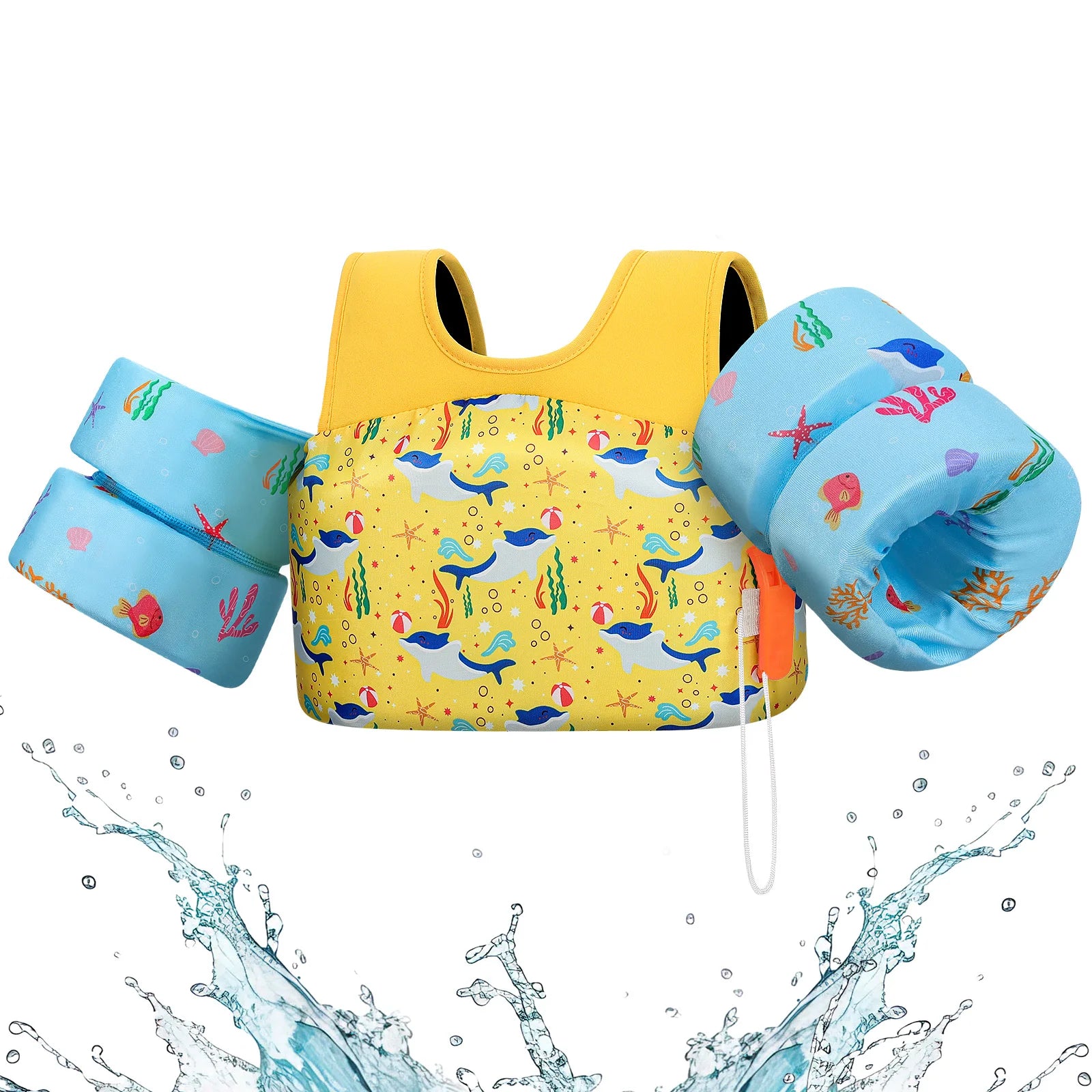
Learn to swim safely with calm routines and water safety tips for parents 💡 See it in action
Why Safety-First Swimming Builds Confidence Faster
Learn to swim safely works because kids relax when they feel protected. Tension slows learning. Calm supervision, predictable routines, and the right support tools let children focus on movement instead of fear.
- Reduces panic reactions in unfamiliar water
- Builds trust between child and caregiver
- Encourages natural floating and breathing
- Creates positive early memories
Parents who prioritize safety often see faster progress than those who rush strokes.
A Step-by-Step Process to Learn to Swim Safely
Learn to swim safely begins with comfort, not technique. Each stage prepares the body and mind for the next skill.
- Water Familiarity: Sitting, splashing, and pouring water on arms.
- Breath Control: Blowing bubbles, short face dips.
- Floating Support: Assisted back and front floats.
- Gentle Kicks: Holding the wall or a parent.
- Independent Movement: Short glides with supervision.
Each step may take days or weeks. Progress is personal.
Water Safety Tips for Parents at Every Stage
Water safety tips for parents matter before, during, and after lessons. Consistency keeps kids protected.
- Stay within arm’s reach at all times
- Set clear pool rules before entering
- Limit distractions like phones
- Use visible safety gear
Many families pair lessons with trusted items from Health & Safety to create safer routines.
Pool Safety Tips That Prevent Common Accidents
Pool safety tips reduce slips, surprises, and overconfidence.
| Do | Avoid |
|---|---|
| Use non-slip footwear | Running near the pool |
| Check water depth | Unsupervised play |
| Keep gates locked | Assuming flotation replaces supervision |
Simple habits prevent most incidents.
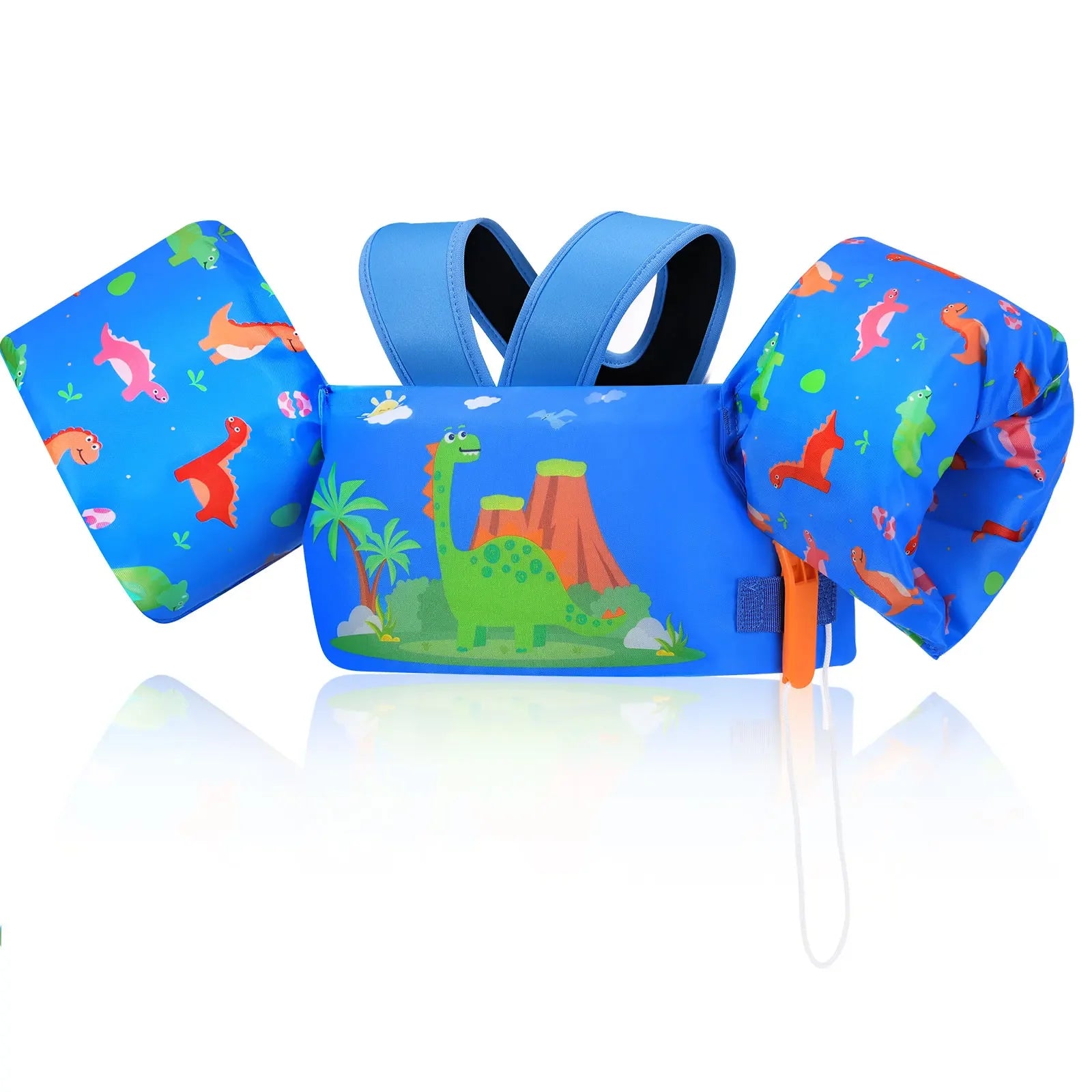
Pool safety tips and learn to swim safely routines 💡 See it in action
How a Swim Vest for Youth Supports Early Skills
A swim vest for youth offers balanced buoyancy without restricting movement. It supports posture while letting kids practice kicks and arm motions.
Parents often choose a kids swim vest to bridge the gap between holding and independence.
- Encourages upright body position
- Reduces fatigue
- Boosts confidence in deeper water
Pairing lessons with gear from Baby Growth & Learning helps children progress comfortably.
Daily Practice Routines That Stick
Short, happy sessions work best. Ten minutes of focused play beats long drills.
- Review pool rules
- Warm-up splashing
- Practice one new skill
- End with a favorite water game
Consistency builds muscle memory and trust.
What Parents Notice After Two Weeks
Families report calmer entries, longer floating, and fewer tears. One parent shared, “My child now asks to practice instead of resisting.” Another noted improved posture and breath control.
Many combine lessons with supportive products from Mobility & Training to keep progress steady.
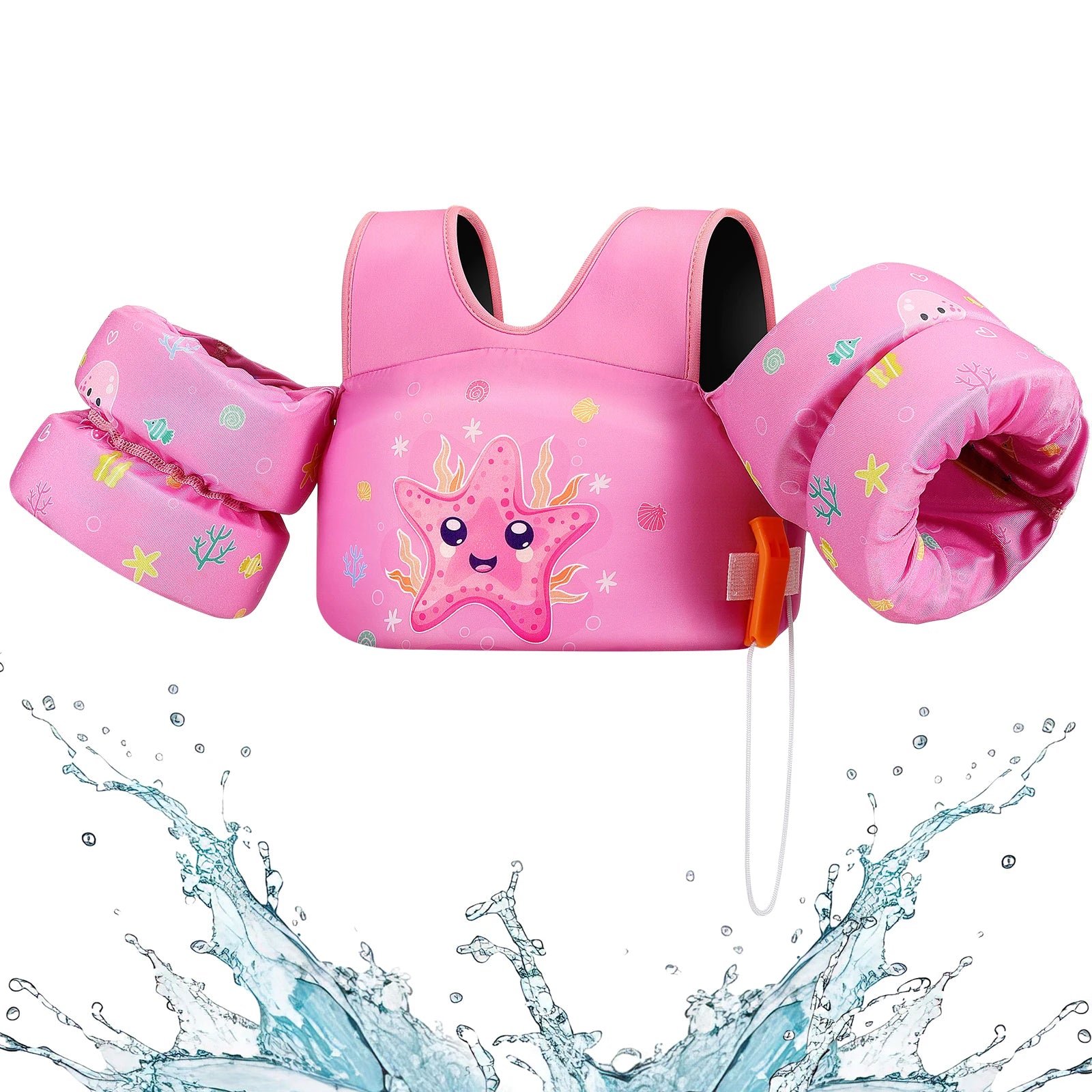
Build confidence to learn to swim safely with a swim vest for youth 💡 See it in action
Quick Questions Parents Ask
At what age should kids start?
Many children start water familiarity as toddlers, focusing on comfort rather than strokes.
How long until progress shows?
Most families notice confidence changes within two weeks of consistent practice.
Is a swim vest a replacement for supervision?
No. A swim vest for youth supports learning but never replaces active supervision.





