

Learning Educational Toys Review What Parents Love Most
Do kids supermarket toy checkout sets really help kids learn?
Kids supermarket toy checkout sets help children build early math, patience, and social skills through realistic pretend play. With a kids supermarket toy checkout, children practice counting money, scanning items, and taking turns, making pretend grocery shopping both fun and educational while encouraging longer, screen-free play.
Kids Supermarket Toy Checkout Honest Parent Experiences
⏱ 7 min read
Kids supermarket toy checkout sets often seem like simple toys, but many parents discover they quietly shape how children learn through play. From counting change to role-playing customer service, a toy checkout can turn everyday pretend grocery shopping into meaningful life lessons that stick.
Have you ever noticed how kids love copying what they see at the store? Standing in line, watching items scan, waiting their turn—these small moments spark big curiosity. Parents often wonder if a grocery store checkout toy is just another bulky toy or something that actually supports growth.
Explore Baby Growth & Learning
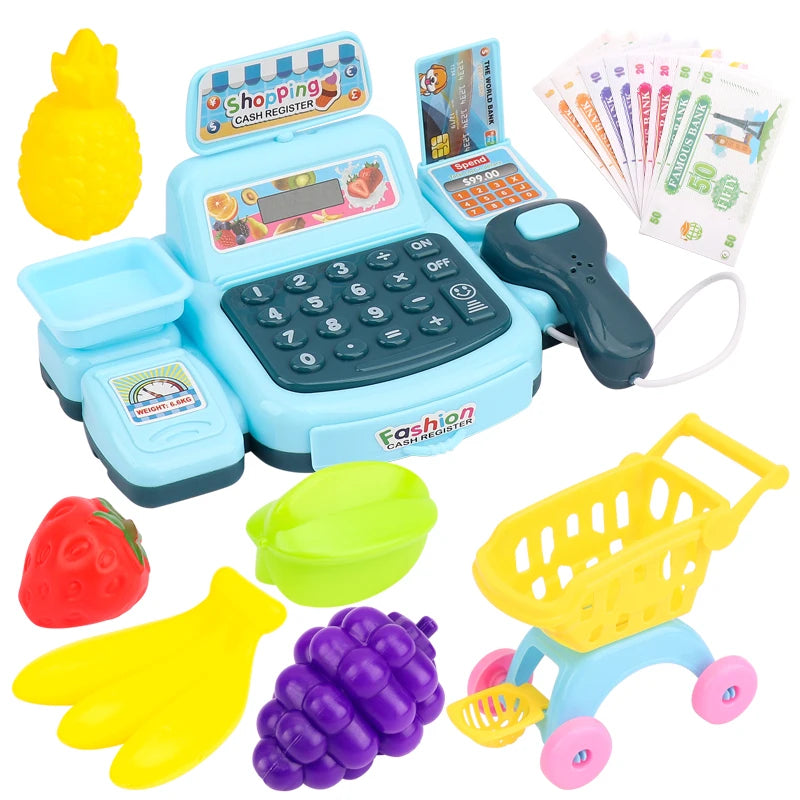
Kids supermarket toy checkout brings pretend grocery shopping to life 💡 See it in action
Why Parents Love Kids Supermarket Toy Checkout Sets
Parents consistently say the biggest surprise is how long kids stay engaged. A kids supermarket toy checkout often replaces short bursts of play with extended roleplay sessions that feel purposeful.
- Encourages independent play while parents cook or work nearby
- Supports sibling cooperation and turn-taking
- Makes learning numbers feel natural, not forced
- Reduces reliance on screens during downtime
Many families mention that once the toy checkout is set up, kids return to it daily, creating new store stories and routines.
What Children Learn During Pretend Grocery Shopping
Kids supermarket toy checkout play supports early development by blending imagination with real-world routines. Children learn through repetition and role-switching, acting as cashier one moment and shopper the next.
Key learning benefits parents notice
- Basic math skills through counting coins and items
- Patience while waiting in line or scanning items
- Language development through roleplay conversations
- Confidence when making decisions independently
Parents often pair pretend play with other educational toys from Sensory Toys to support well-rounded learning experiences.
Browse Baby Growth & Learning
Real Parent Reviews and Home Experiences
Families across the U.S. share similar stories about how a grocery store checkout toy fits into daily routines. One parent shared that her child began “charging” stuffed animals for snacks, practicing counting without prompting.
Another parent noted that siblings who usually argue learned to take turns naturally when using the toy checkout together. These real-life moments build trust in the toy’s long-term value.
| What Parents Expected | What They Experienced |
|---|---|
| Short-term novelty | Daily repeat play |
| Messy setup | Organized roleplay routines |
| Limited learning | Improved counting and social skills |
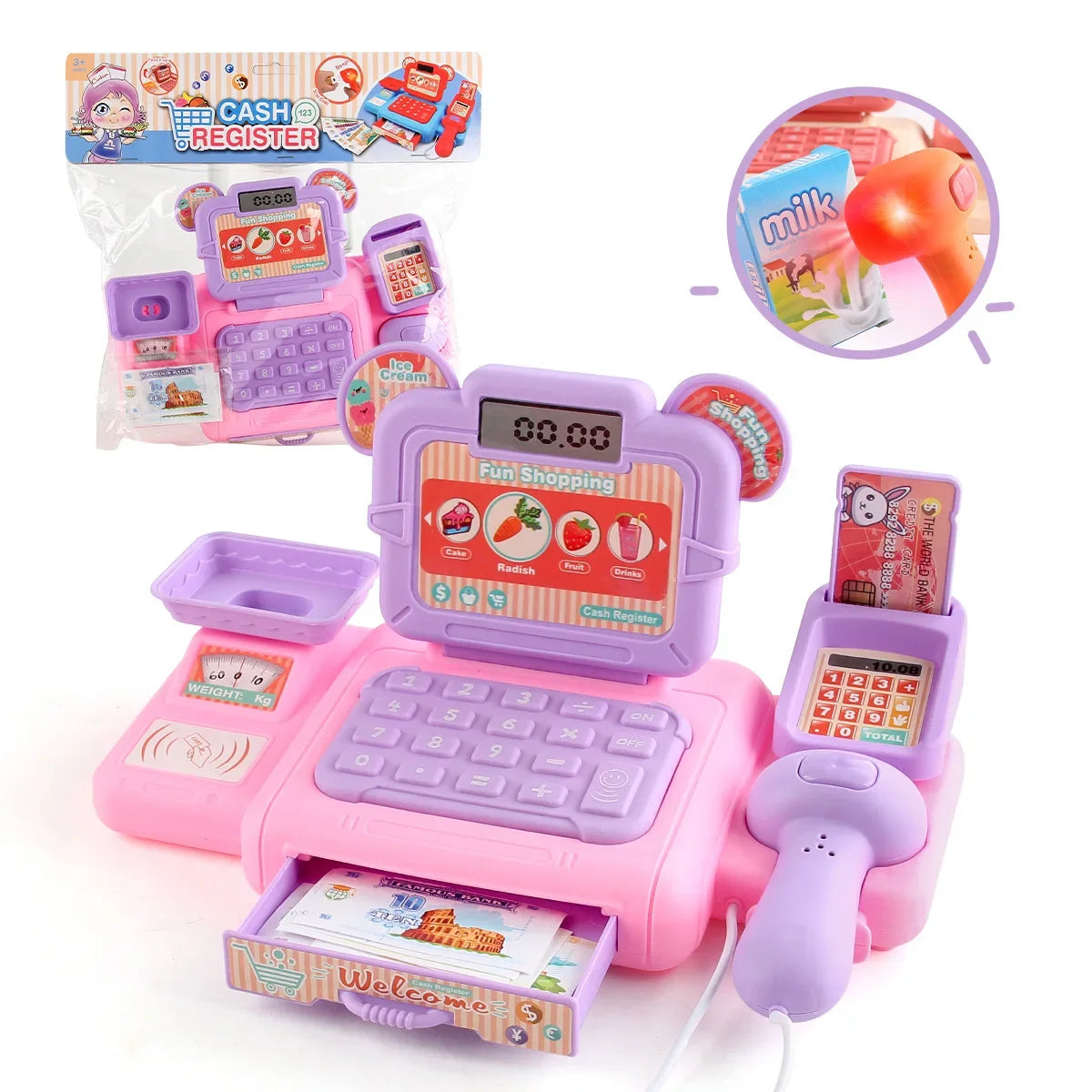
Toy checkout roleplay builds confidence 💡 Try pretend grocery shopping today
How This Toy Checkout Compares to Other Pretend Play Toys
Compared to basic pretend kitchens or play cash registers, a kids supermarket toy checkout offers structured interaction that mirrors real-life experiences.
- More realistic routines than simple pretend toys
- Supports longer play sessions with clear roles
- Encourages cooperative play instead of solo repetition
Parents looking to create a complete pretend play area often combine it with items from Mobility & Training to keep kids moving while learning.
Who This Grocery Store Checkout Toy Is Best For
This kids supermarket toy checkout is ideal for toddlers and preschoolers who enjoy copying adult routines. It works especially well for families seeking toys that grow with the child over time.
It’s also a thoughtful gift for birthdays or holidays, offering both fun and developmental value without overwhelming parents with complicated setups.
Get yours now — limited stock!
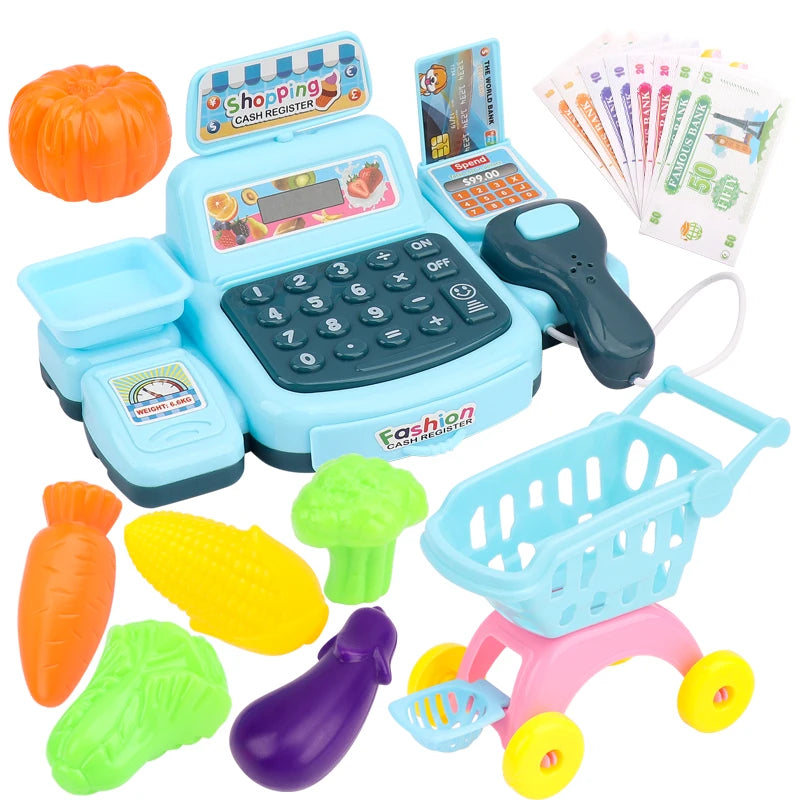
Kids supermarket toy checkout for everyday learning 💡 See it in action
Frequently Asked Questions
Is a kids supermarket toy checkout suitable for toddlers?
Yes, many parents find it works well for toddlers with supervision. Larger buttons, pretend money, and roleplay features support early learning while keeping play safe and engaging.
Does a toy checkout really help with counting skills?
Parents report noticeable improvement as children naturally count items and coins during play, making math feel fun and stress-free.
How does this compare to digital learning toys?
Unlike screen-based toys, pretend grocery shopping encourages hands-on interaction, imagination, and social development without overstimulation.





