

Learning Toys for 7 Year Olds: In-Depth Brand Review
Do learning toys for 7 year olds really work?
Learning toys for 7 year olds work best when they combine fun with skill-building challenges that match a child’s curiosity and independence. The right toys improve focus, problem-solving, creativity, and confidence by turning playtime into meaningful learning experiences kids actually enjoy using every day.
Learning Toys for 7 Year Olds: In-Depth Brand Review
⏱ 7 min read
Learning toys for 7 year olds can do more than keep kids busy—they shape how children think, solve problems, and express creativity. Many parents worry about choosing toys that are educational without being boring, engaging without being overwhelming, and durable enough to justify the cost. This guide breaks down what truly works, which brands stand out, and how to choose toys that make learning stick.
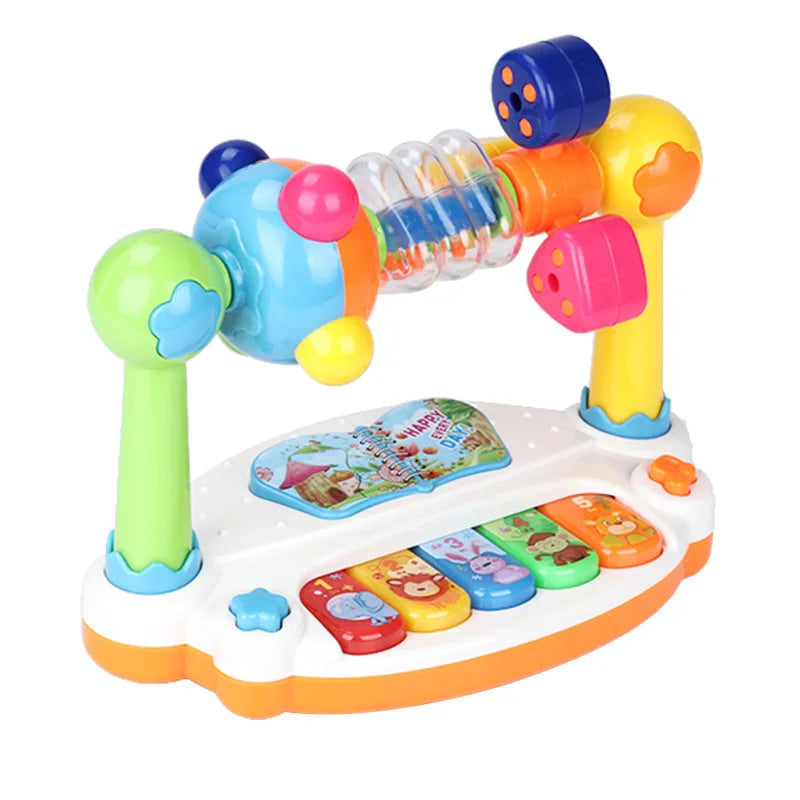
Learning toys for 7 year olds that combine play and real skill-building 💡 See it in action
Which learning toy actually helps your child focus longer and learn faster? Read on.
What Makes Learning Toys Effective at Age 7?
At age seven, children move beyond simple exploration and start mastering logic, creativity, and independence. The most effective learning toys for 7 year olds meet them at this stage by offering challenge without frustration.
- Encourages independent problem-solving
- Builds confidence through achievable challenges
- Supports creativity and emotional expression
- Holds attention longer than screen-based entertainment
Many early learning toys designed for younger kids surprisingly outperform newer toys because they focus on core skills rather than flashy features. Collections like Baby Growth & Learning highlight toys that grow with your child instead of being quickly outgrown.
Brand Review: Which Learning Toys Deliver Real Results?
Learning toys for 7 year olds stand out when they balance engagement, durability, and educational depth. Brands that focus on skill progression—not just entertainment—consistently earn parent trust.
Parents often notice improvements in attention span, patience, and confidence within weeks of consistent play. Toys that integrate logic puzzles, music, or open-ended creativity outperform rigid, single-purpose options.
Top Strengths Parents Notice
- Less resistance to learning activities
- Improved focus during homework
- More creative free play
- Reduced screen time battles
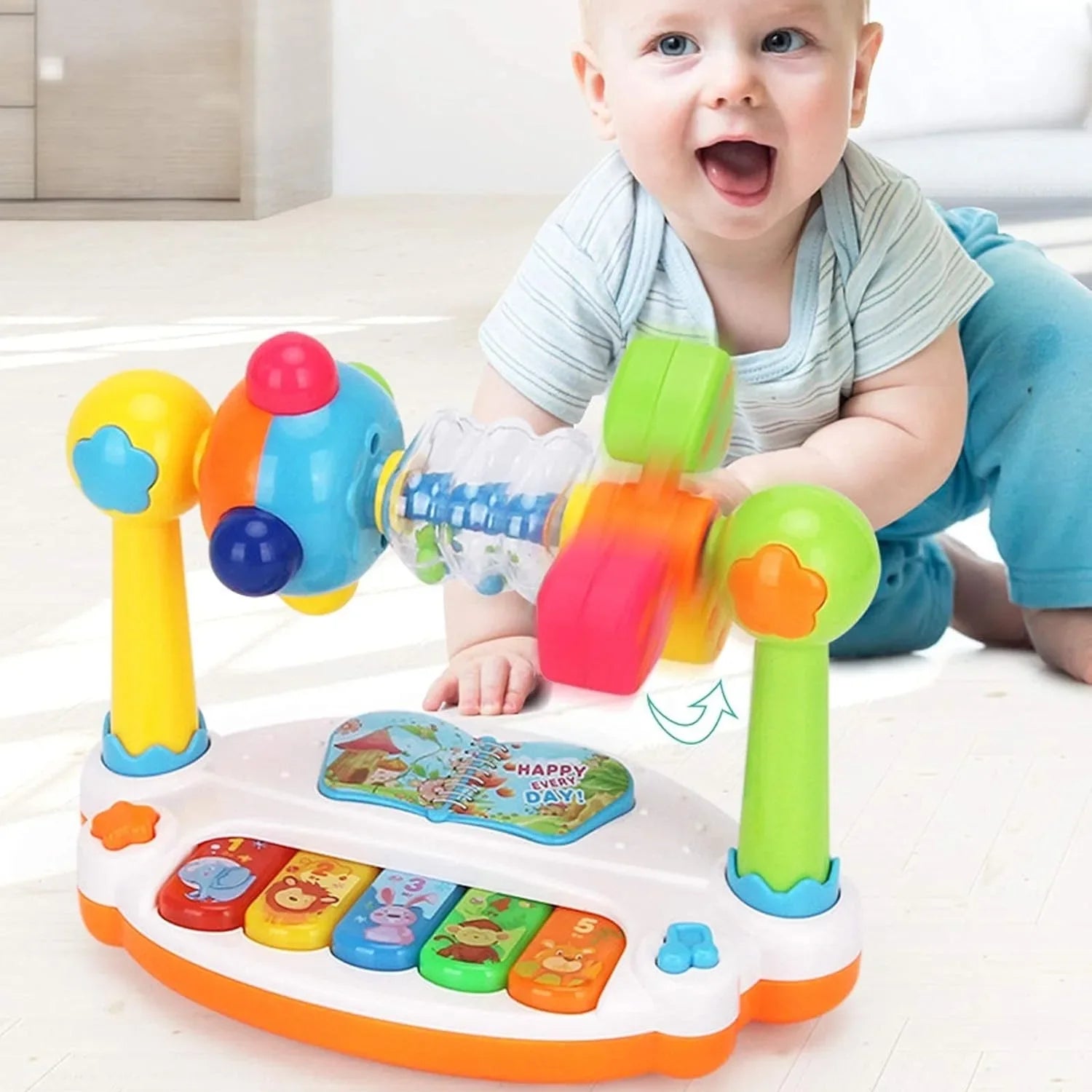
Early learning toys that adapt as skills grow 💡 See it in action
Why Hands On Music Activities Still Matter
Hands on music activities remain powerful even at age seven. Music strengthens memory, coordination, emotional regulation, and creative thinking—skills essential for academic and social success.
Simple instruments and interactive music toys often outperform complex digital gadgets because kids control the pace, explore freely, and express emotions through sound.
Parents who introduce music-based learning toys report:
- Improved listening and concentration
- Better emotional expression
- Increased confidence performing or sharing ideas
- Stronger fine motor coordination
Pairing music toys with items from Sensory Toys creates a richer learning environment that supports multiple developmental areas.
Learning Toy Brand Comparison
| Feature | Skill-Focused Brands | Entertainment-Only Toys |
|---|---|---|
| Learning Depth | Builds logic, creativity, confidence | Short-term amusement |
| Longevity | Grows with the child | Outgrown quickly |
| Parent Satisfaction | High | Mixed |
Real Parent Experiences & Results
Parents consistently share that the best learning toys for 7 year olds reduce daily struggles around homework and boredom. One parent noted their child voluntarily choosing music and puzzle play over tablets after just two weeks.
Another family shared how early learning toys originally bought for younger siblings still challenged their seven-year-old, proving quality design matters more than age labels.
Many families combine learning toys with supportive routines using products from Health & Safety to create calm, focused play spaces.
How to Choose the Right Learning Toy for Your Child
- Observe how your child naturally plays
- Choose toys that encourage exploration
- Prioritize durability and safety
- Look for open-ended play options
For music-based learning, the Baby Piano Toy Keyboard stands out for combining hands on music activities with creativity and skill-building that remains engaging beyond early childhood.
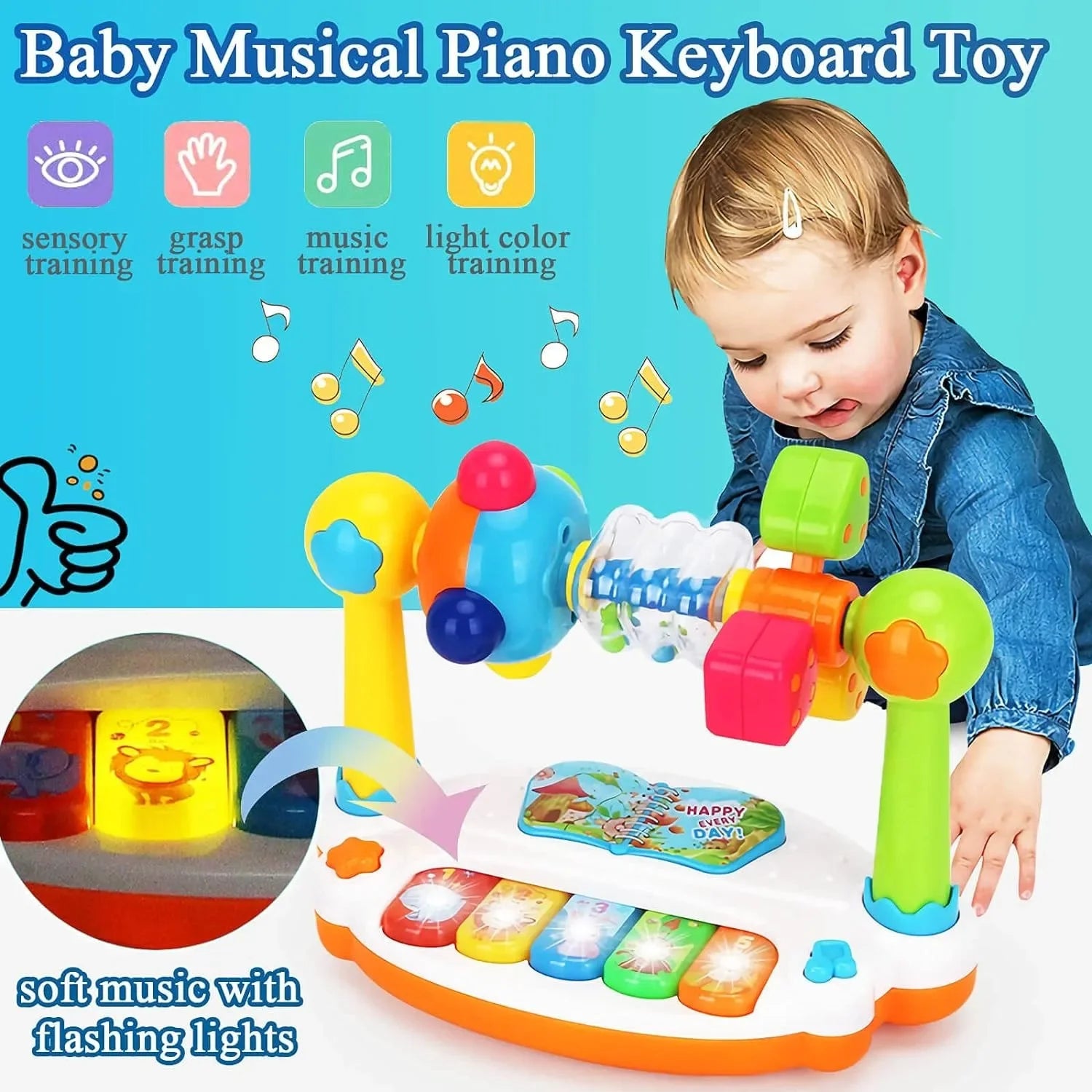
Learning toys for 7 year olds that grow with your child 💡 See it in action
Frequently Asked Questions
Are learning toys for 7 year olds better than screen-based apps?
Hands-on toys encourage deeper focus, creativity, and real-world problem-solving compared to passive screen use.
Can early learning toys still help older kids?
Yes, high-quality early learning toys often support advanced creativity and skill refinement even at age seven.
How many learning toys should a child have?
A small selection of versatile, open-ended toys is more effective than many single-purpose items.





